 EN



Premium Adjustable Snoring Mouthpiece Manufacturer For Better Sleep Solutions
For distributors, clinics, pharmacies, and e-commerce teams, an adjustable snoring mouthpiece is more than a small consumer product. It is a fit-sensitive intraoral device that needs clear instructions, stable supply, and careful claim control. The right manufacturing conversation starts with the intended market and user pathway, not with a blanket promise about “better sleep.”
This guide explains how to assess an adjustable snoring mouthpiece supplier for private-label or wholesale programs. It focuses on practical product questions: how adjustment works, what documentation to request, where medical-grade language can become misleading, and why anti-snore messaging must stay aligned with the product’s intended use.
Start With the Intended Use, Not the Sales Claim
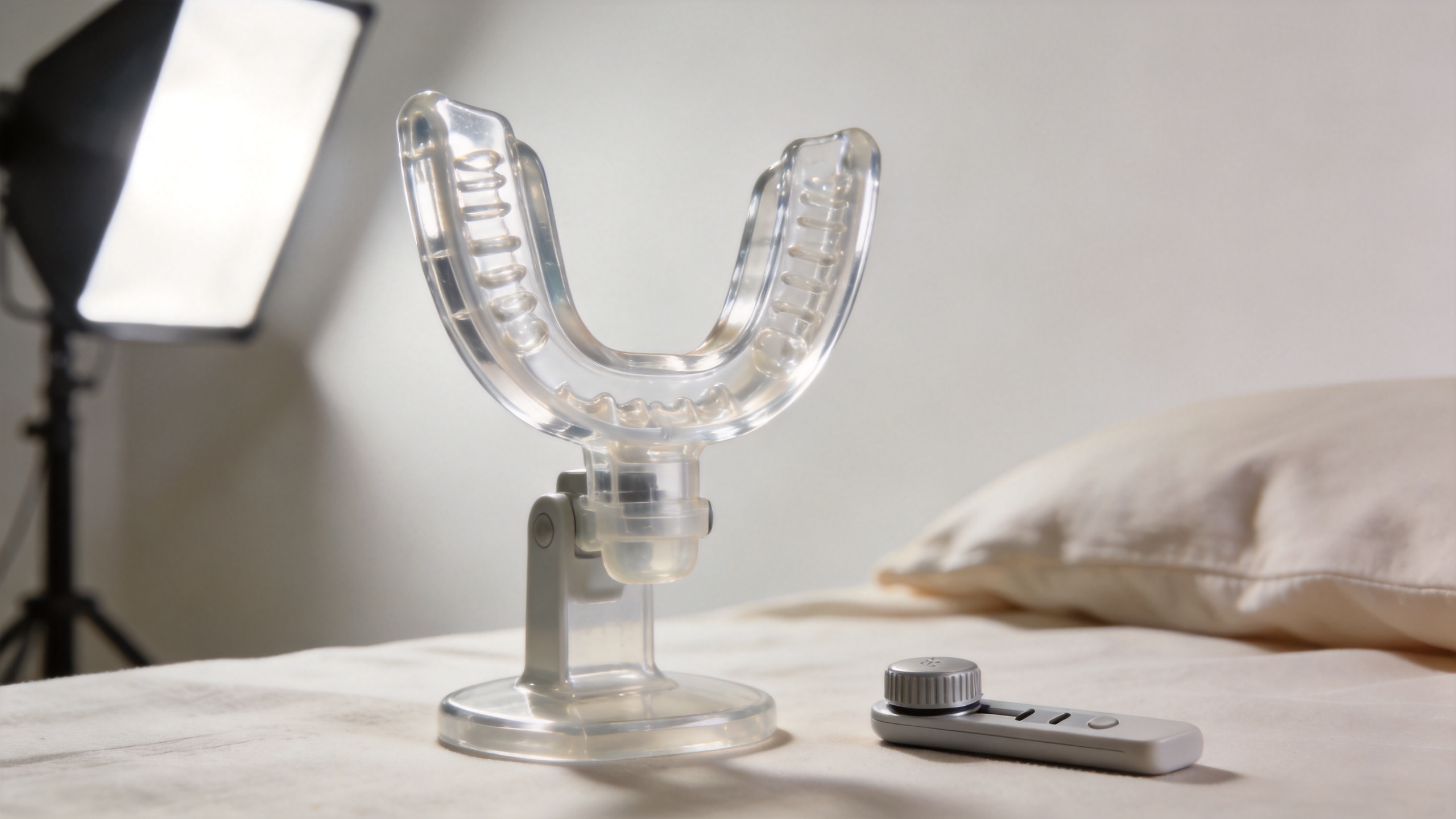
An adjustable snoring mouthpiece is generally designed to be worn in the mouth during sleep. Many designs work by positioning the lower jaw forward in small increments, but the actual mechanism, adjustment range, fitting method, and labeling need to be confirmed for each product. A buyer should ask for the product specification rather than assume that every adjustable design works the same way.
Snoring can have different causes, and it can also be a symptom of obstructive sleep apnea. The American Academy of Sleep Medicine and the American Academy of Dental Sleep Medicine have stated that primary snoring should be assessed by a sleep physician before oral-appliance treatment begins. For that reason, responsible anti-snore product content should encourage consumers with persistent snoring, breathing pauses, daytime sleepiness, or other concerns to seek professional advice. An adjustable snoring mouthpiece should not be presented as a diagnosis tool or as a replacement for clinical evaluation.
What “Adjustable” Should Mean in a Supplier Specification
“Adjustable” is useful only when the supplier can explain it in operational terms. In a sourcing review, request drawings or samples that show the adjustment feature, the direction of movement, the user instructions, and the limits built into the design. If the product is thermoformable, ask how the fitting process is described and what the consumer should do if comfort is poor.
- Adjustment method: Is the position changed by a screw, tray setting, connector, or another defined mechanism?
- Repeatability: Can a user follow the adjustment steps consistently from the instructions?
- Comfort checks: Do instructions explain when to stop use and consult a dental or medical professional?
- Packaging control: Are the device, storage case, cleaning information, and directions kept together as one reviewed set?
These questions are especially important for an adjustable snoring mouthpiece sold through resellers. The buyer needs a product story that can be translated into packaging and support materials without adding unverified performance claims.
Use Medical-Grade Language Carefully
“Medical grade” is often used as a shorthand for material quality, yet the phrase alone does not establish compliance, biocompatibility, product registration, or clearance in a particular country. For a medical grade claim to be meaningful, a supplier should identify the material, explain which documentation is available, and clarify the scope of any testing or standards referenced. Buyers should review those documents with the regulatory requirements of their destination market in mind.
Ask the manufacturer to distinguish among material declarations, production records, product testing, and market authorization. A medical grade resin or polymer statement is not automatically a permission to market every finished anti-snore device in every jurisdiction. This distinction protects both the brand and its downstream customers from a packaging statement that outruns the evidence.
A Practical Manufacturing Checklist for B2B Buyers
When comparing an adjustable snoring mouthpiece manufacturer, use a repeatable checklist. It helps purchasing teams compare like with like and makes it easier to identify gaps before artwork or inventory commitments are made.
- Confirm the product configuration. Review the physical design, size options, adjustment method, case, and cleaning instructions.
- Review sample usability. Check edges, retention, adjustment access, and the clarity of directions. Document observations rather than relying only on a catalogue image.
- Request traceable documentation. Ask what material, inspection, labeling, and batch information can be shared for the specific program.
- Define the claim boundary. Align the product page, carton, instructions, and advertising around supportable language. Avoid cure, treatment, or certainty-of-result wording unless it is properly substantiated for the market.
- Plan private-label details early. Confirm logo treatment, multilingual copy, packaging format, minimum order quantities, and approval checkpoints before production.
Why Documentation and Instructions Matter
For intraoral devices intended for snoring-related use, instructions are part of the product experience. FDA guidance for intraoral devices for snoring and/or obstructive sleep apnea highlights device-specific instructions and risk controls as important considerations. This does not mean every product is FDA-cleared, nor does it transfer one product’s regulatory status to another. It does mean an experienced buyer should ask how the device is labeled, cleaned, stored, fitted, and supported after sale.
A well-organized supplier package can make due diligence easier. It should allow the buyer to identify the supplied product version, understand its intended use, review relevant records, and route unresolved questions to qualified regulatory, dental, or medical professionals. This approach is more durable than copying broad anti-snore claims across every market.
Match the Manufacturer to Your Sales Channel
Different channels need different support. A wholesale distributor may need consistent carton configuration and reorder controls. An e-commerce seller may need clear consumer-facing instructions and a review process for product images. A clinic or pharmacy program may need more structured educational material and an escalation path for questions about comfort or possible sleep-disordered breathing.
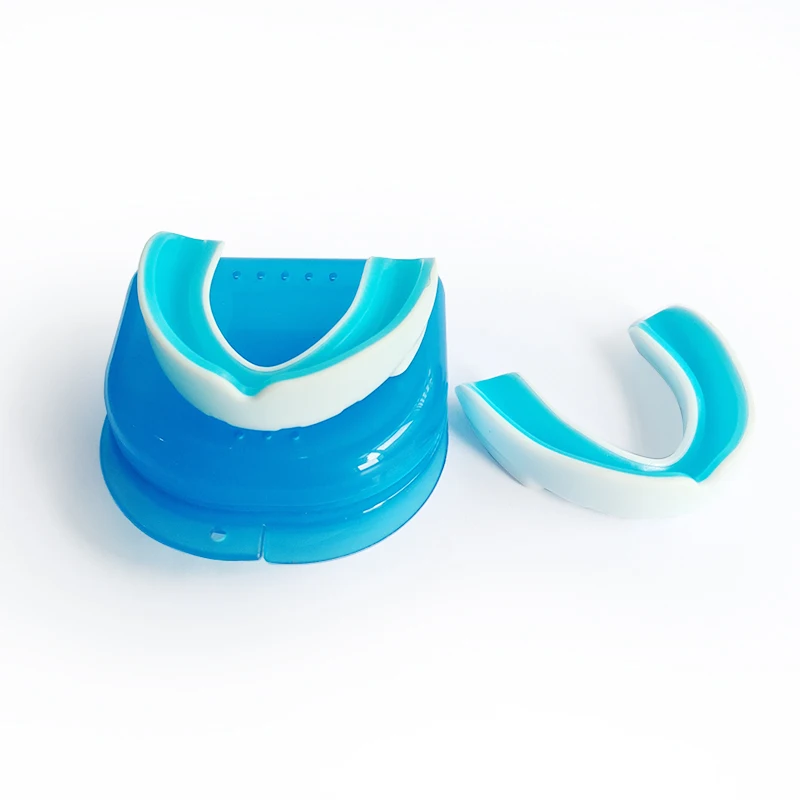
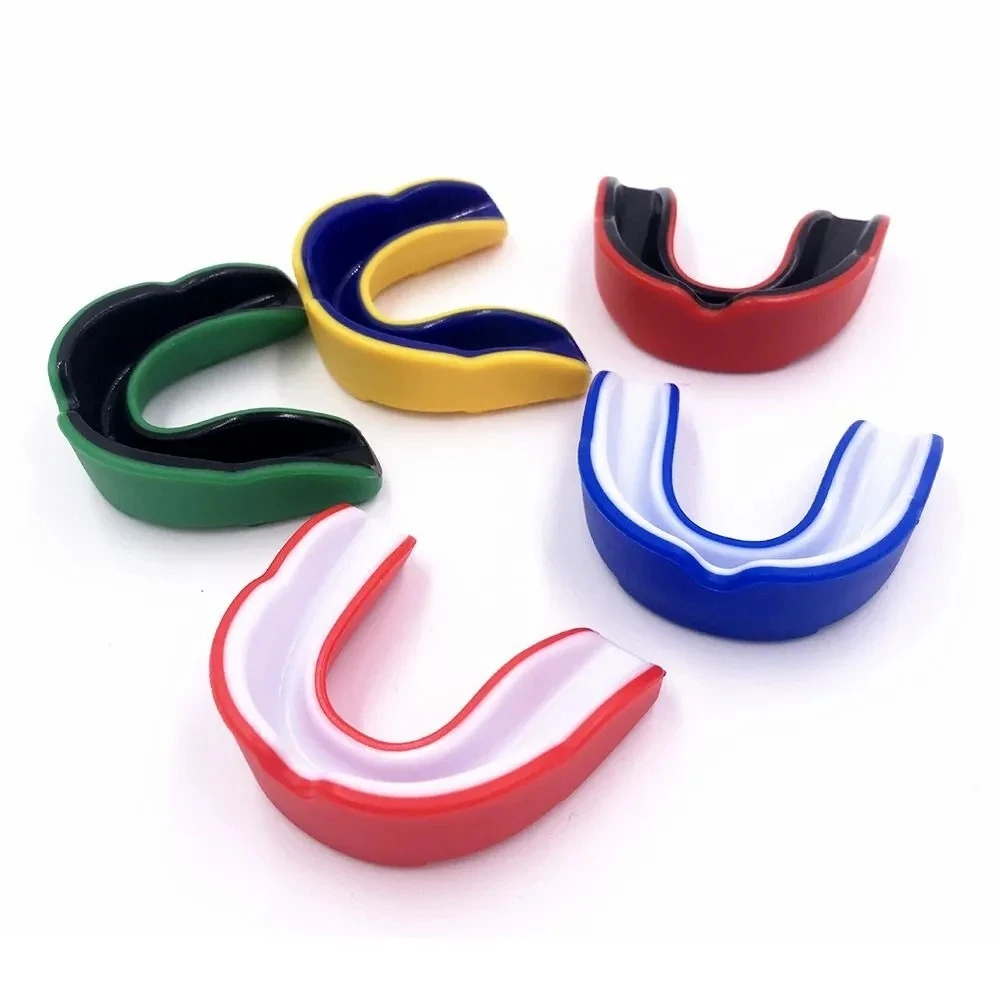
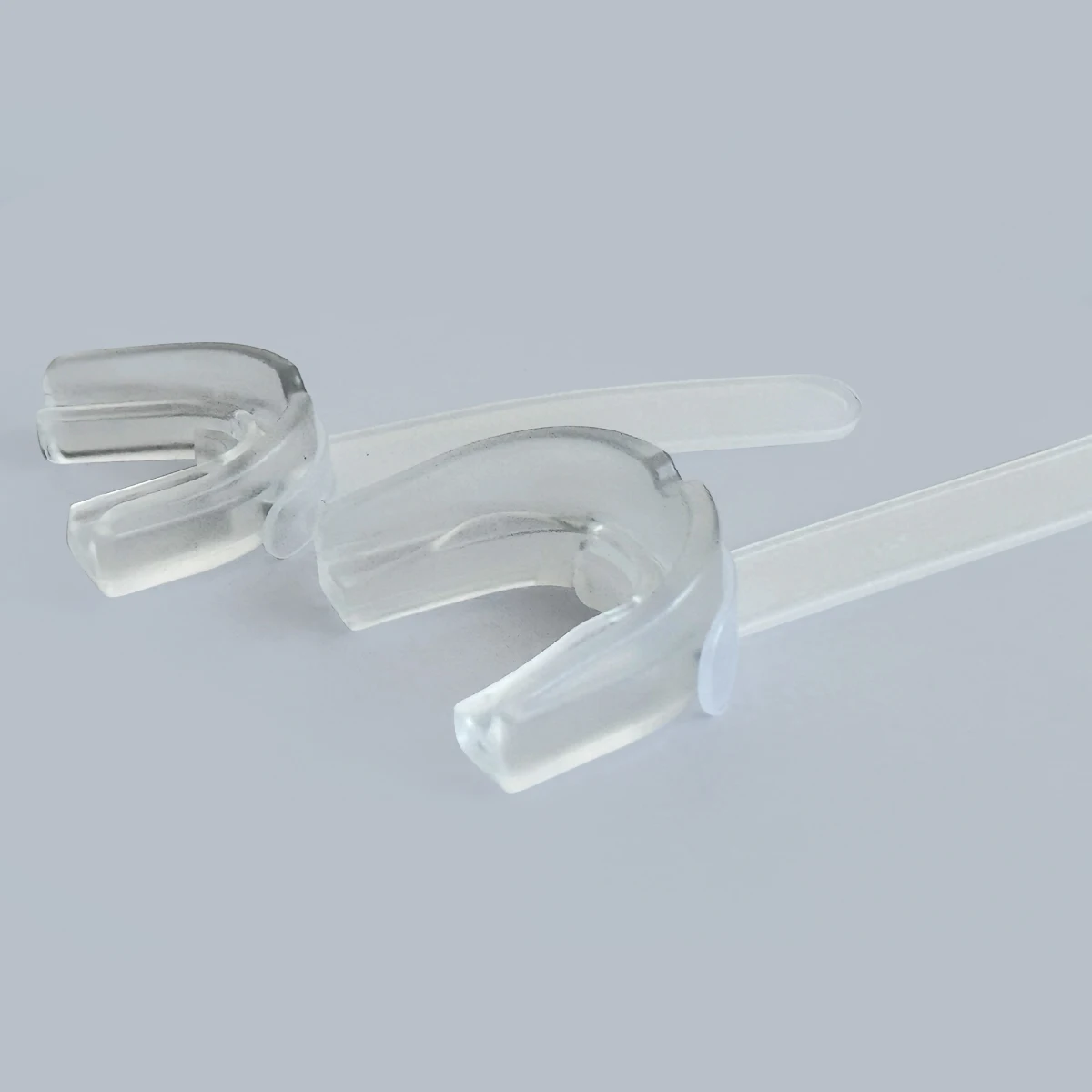
Xiamen Yizhou Imp. & Exp. Co., Ltd. serves product programs that include snoring mouthpieces, sports mouthguards, and dental whitening trays, with audiences that include wholesalers, e-commerce platforms, clinics, and pharmacies. For an adjustable snoring mouthpiece project, the useful next step is a specification-led discussion: share the target market, intended channel, desired packaging, and requested documentation so the scope can be reviewed without overstating product claims.
Questions to Ask Before You Place an Order
- Which exact adjustable snoring mouthpiece configuration is being quoted?
- What user instructions and care information are included with the product?
- What material and quality-control documentation is available for the quoted configuration?
- Which claims can be supported in the intended destination market, and which require independent review?
- How will samples, packaging proofs, and production approvals be documented?
An adjustable snoring mouthpiece can be a strong category addition when the program is built around fit, understandable instructions, realistic claims, and channel-appropriate support. Treat “medical grade” and “anti-snore” as terms that require evidence and context—not as shortcuts. That discipline gives buyers a clearer way to evaluate manufacturing readiness and gives end users more responsible information before they make a sleep-related purchase decision.



 Hot News
