 EN



Premium Anti Snore Mouth Guard Manufacturer For Better Sleep Solutions
For wholesalers, online sellers, clinics, and pharmacy buyers, sourcing an anti snore mouth guard is not simply a matter of comparing a few catalog photos. The useful work begins when a broad request—“we need an anti-snore item at a workable factory price”—is translated into clear questions about product type, intended market, fit approach, labeling, and the documentation a supplier can provide. From a channel-buying perspective, that is how a sleep-oriented product range becomes easier to evaluate and explain.
An anti snore mouth guard is generally discussed alongside oral devices designed to influence jaw or tongue position during sleep. Those categories should be described carefully: a retail product name does not establish medical suitability, performance, or regulatory status. Buyers should avoid presenting a mouth guard as a universal solution, and people with persistent snoring or possible sleep-breathing concerns should seek appropriate professional advice.
Start With the Intended Product Position
Before asking for a quotation, define what the anti snore mouth guard is meant to be in your range. Is it a consumer sleep-accessory concept, a private-label item for e-commerce, or a product that will be reviewed by a professional channel? The answer affects the information needed from the factory and the language suitable for packaging.
- Use boundary: Clarify that the product is intended for nighttime oral use and avoid claims that turn a general consumer product into a diagnosis or treatment promise.
- Mechanism category: Ask whether the design is intended to position the jaw, support tongue positioning, or follows another documented approach. Do not use those labels interchangeably without the supplier’s supporting information.
- Fit pathway: Confirm whether the product is boil-and-bite, adjustable, or otherwise fitted. Instructions, warnings, and customer-support implications vary with the fit pathway.
- Channel context: A pharmacy, clinic, marketplace, and direct-to-consumer store may each require different product copy and documentation review.
This first step prevents a common sourcing error: treating every anti-snore mouthpiece as the same item because the headline keyword is similar. A buyer is better served by a product brief that defines the desired customer, sales channel, and communication boundary.
What a Manufacturer Should Help You Verify
A capable anti snore mouth guard manufacturer should be able to organize product information so that a buyer can compare like with like. That does not mean assuming capabilities that have not been documented. Instead, ask for the actual specifications and identify what remains to be checked before launch.
Material and contact-information questions
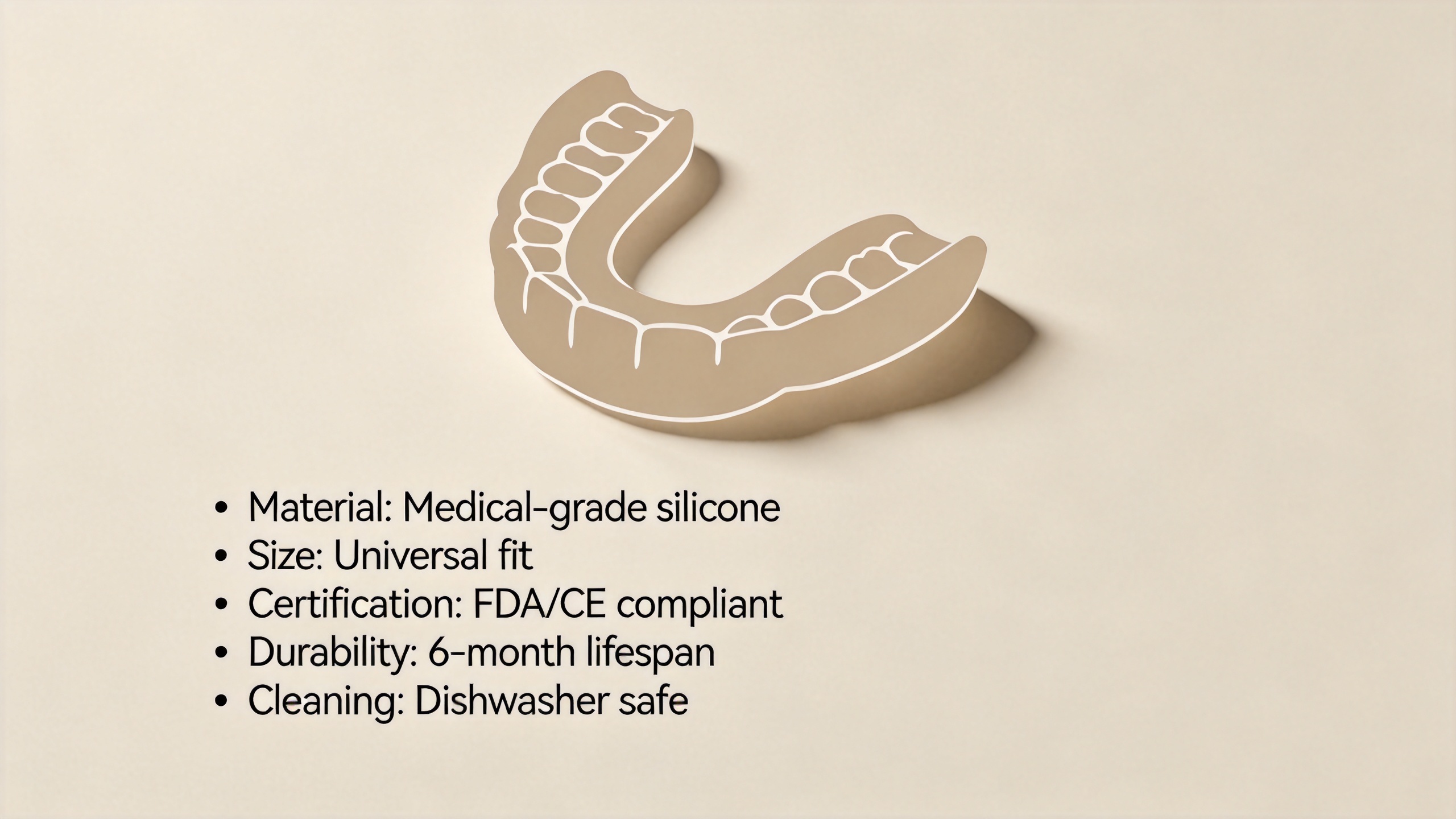
Request the declared material, color options, odor considerations, cleaning guidance, storage instructions, and any available information relevant to oral contact for the intended market. If a supplier offers a material statement or test record, review its scope rather than treating a generic phrase such as “medical grade” as enough evidence. Material choice also affects feel, durability expectations, packaging language, and the type of feedback a customer-service team may receive.
Design, sizing, and adjustment questions
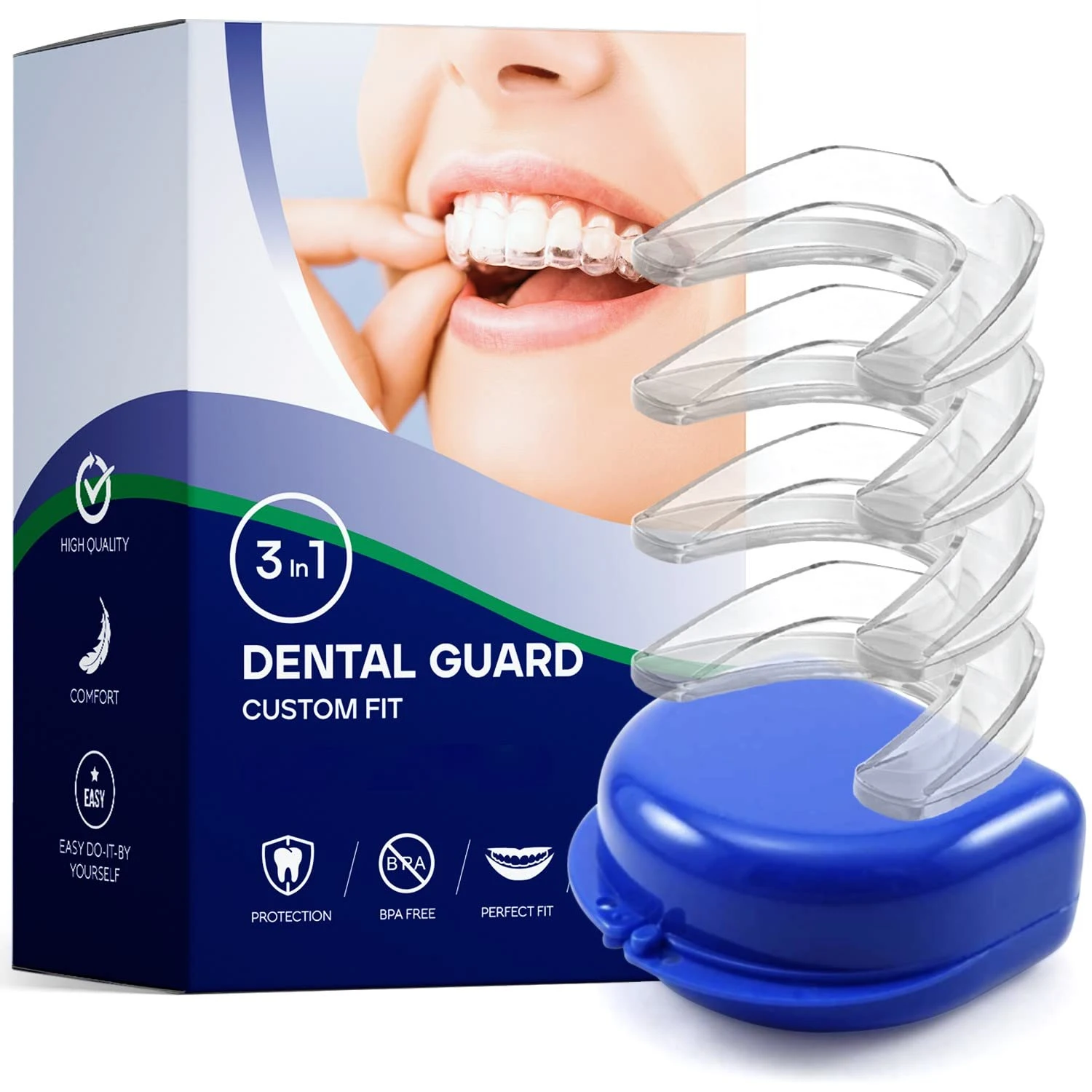
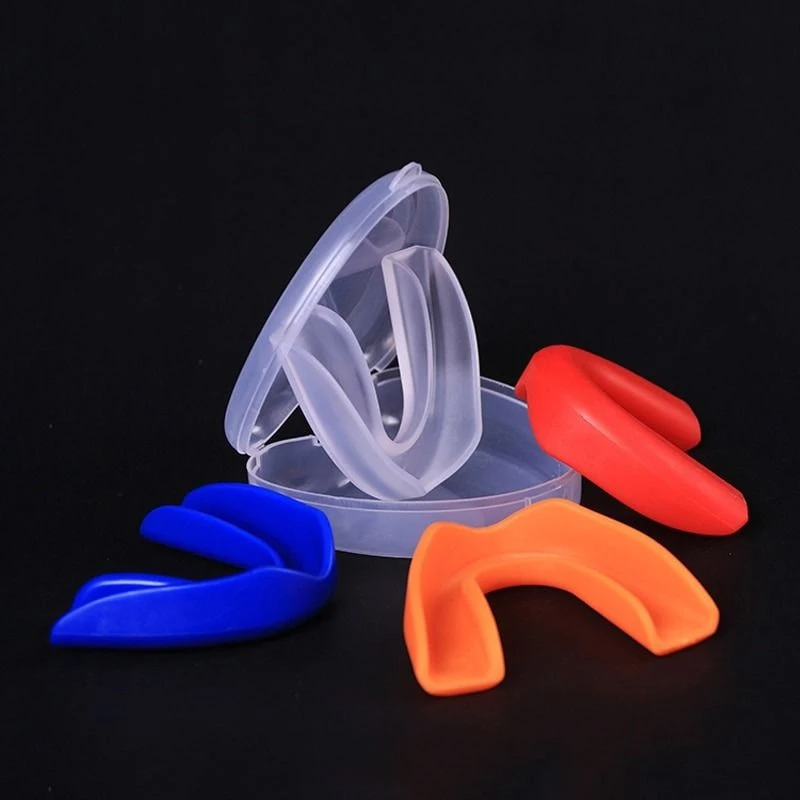
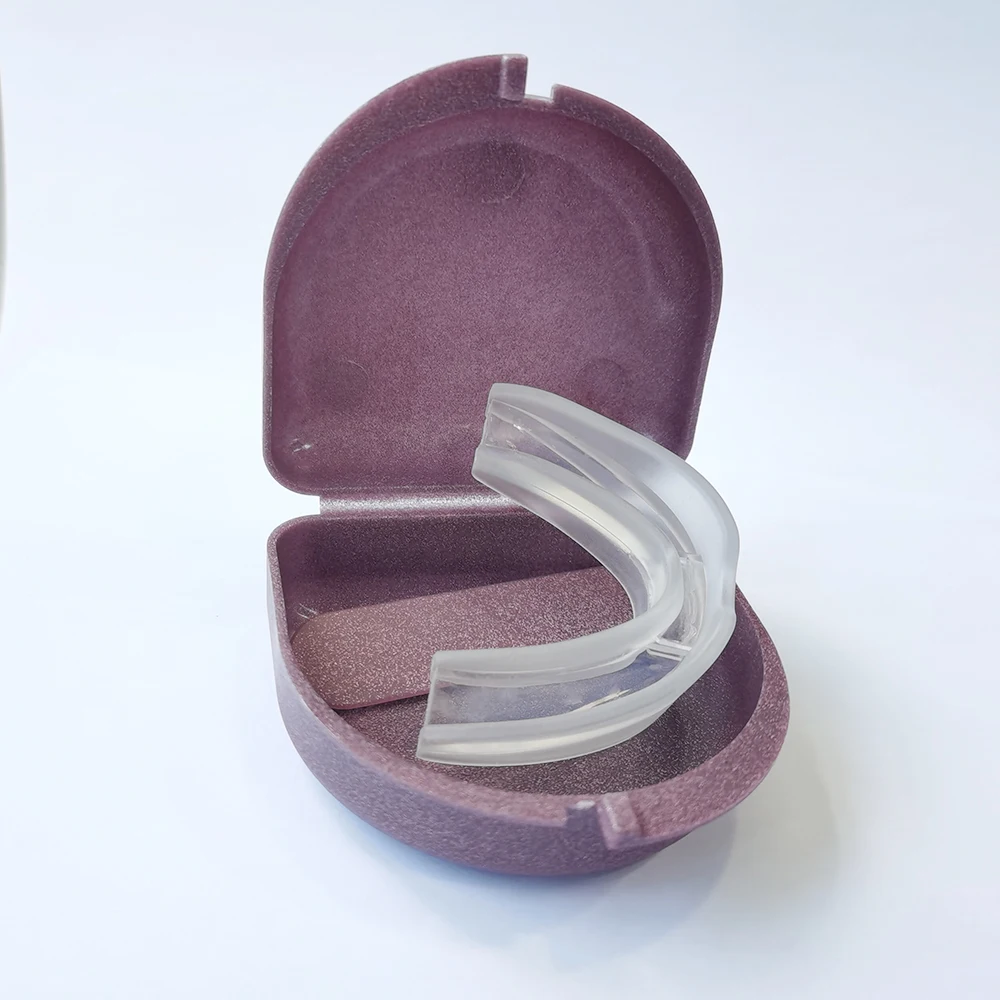
Ask for clear images of the finished anti snore mouth guard, component views where relevant, dimensions, adjustment steps, and a sample evaluation process. A design that looks straightforward in a catalog may still require careful instructions to avoid customer confusion. For an anti-snore range, sample review should include packaging readability and instruction clarity—not just the item itself.
Documentation and market review
Intraoral devices intended for snoring or sleep-related uses can attract market-specific requirements. The right request is not “Do you have every certificate?” but “Which documents apply to this exact product, intended claim, and destination market?” Confirm document identity, product coverage, issuing context, and validity with the relevant qualified reviewers before making regulatory or efficacy claims.
How to Compare Factory Price Without Losing the Specification
“Factory price” is meaningful only when the underlying specification is the same. A lower unit figure may reflect a different material, simpler packaging, a smaller instruction set, a different sample process, or omitted services. Rather than treating price as a standalone signal, use it as one line in a comparison sheet.
| Comparison area | Questions to put beside factory price |
|---|---|
| Product configuration | Are the design, material declaration, components, and fit method equivalent? |
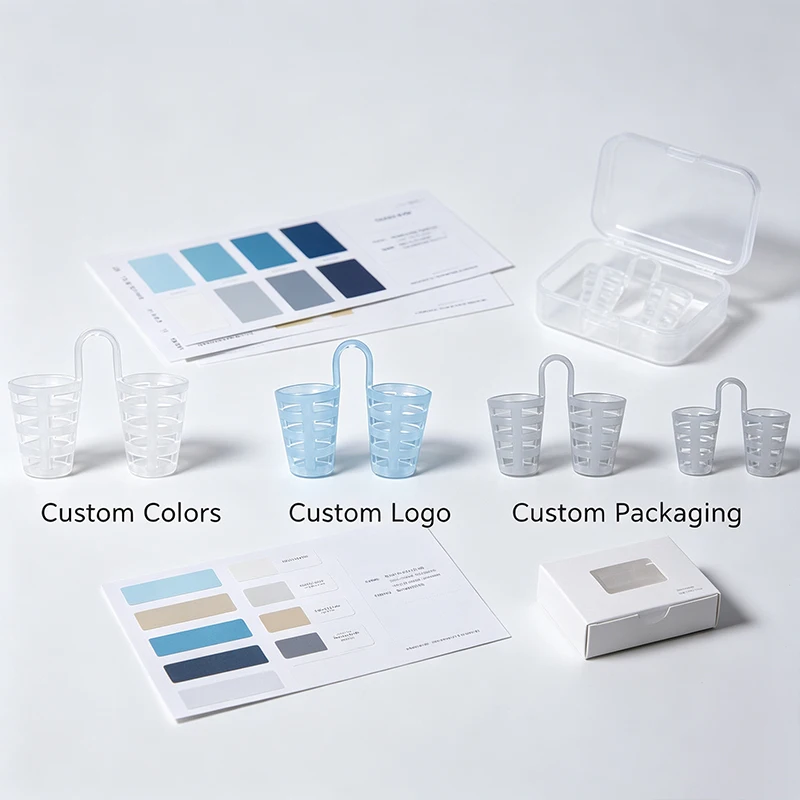
| Packaging | Does the quote include the case, insert, multilingual instructions, barcode placement, and private-label artwork handling? |
| Order conditions | What are the MOQ, sample cost, production lead-time estimate, and repeat-order terms? |
| Quality communication | Which approval points, photos, or records can be shared before shipment? |
| Claim boundary | What wording is supported by available product information, and what must remain unclaimed? |
This comparison changes the conversation from “Who has the lowest anti-snore price?” to “Which offer gives us a clear, supportable product package for the work we need to do?” That distinction is especially useful for buyers who must brief marketplace teams, distributors, or clinical partners after the order is placed.
Build a Practical Sample and Supplier Review
Sample review is where broad promises become operational details. For an anti snore mouth guard, assess the sample through the same lens your future customer will use: Is the product identity clear? Are the steps understandable? Does the package explain cleaning and storage? Does the product brief avoid claiming a result that the supplied evidence does not support?
- Share a written product brief that states the target channel, intended market, private-label needs, and claim boundaries.
- Request a sample and the matching product-information set rather than reviewing an unlabelled item alone.
- Record questions on fit instructions, materials, case or packaging, labeling, and delivery terms.
- Compare revisions against the same checklist so a change in design or package does not disappear during approval.
- Approve final artwork and product information only after the relevant commercial and compliance reviewers have checked the destination-market requirements.
For buyers selling anti-snore products across several channels, a simple revision log can reduce later confusion. It should note which statements are confirmed by the supplier, which statements are marketing proposals, and which items still require documentation or local review.
Better Sleep Messaging Needs Careful Boundaries
The phrase “better sleep” is commercially attractive, but it should not become a guarantee. An anti snore mouth guard may be explored by consumers who want a non-drug oral option, yet individual comfort and suitability can differ. Keep product content factual about the design and use instructions. Avoid promising that every user will stop snoring, sleep better, or address a medical condition.
Clear boundaries can strengthen a B2B offer. They show distributors and retail teams that the supplier discussion is grounded in product specification, responsible copy, and a documented approval path. That is more durable than a page of unverified superlatives.
A Buyer’s Final Checklist
- Is the intended use and channel for this anti snore mouth guard defined?
- Have we reviewed the actual product configuration and fit instructions?
- Are material, cleaning, storage, and packaging details documented for the item being quoted?
- Does the factory price comparison cover equivalent specifications and services?
- Have we separated confirmed facts from claims that require further market or professional review?
- Is the private-label artwork and instruction set ready for the destination market?
When these questions are answered in order, sourcing becomes less about choosing the loudest anti-snore claim and more about building a product offer that is understandable, responsibly positioned, and easier for your channel to support. A manufacturer conversation that starts with the right checklist can make later sampling, pricing, and launch decisions far more efficient.


 Hot News
