 EN



High-Quality Custom Made Dental Mouth Guard for Bruxism Relief and Sleep Comfort
Waking with tight jaw muscles, tooth sensitivity, or a partner’s comment about grinding can make bedtime feel less restful. A custom made dental mouth guard is commonly considered when a dentist has identified or suspects bruxism—the habit of clenching or grinding teeth. Its practical role is to create a protective barrier between the upper and lower teeth. It is not a diagnosis, a cure for every cause of jaw discomfort, or a substitute for professional assessment. Still, when the purpose and fit are right, it can be a sensible part of a nighttime-care plan.
For dental practices, wholesalers, pharmacies, and ecommerce teams, the useful question is not simply whether a guard is “soft” or “hard.” It is whether the product’s intended use, fit process, material information, cleaning guidance, and private-label documentation align. A comfortable fit matters because an appliance that is difficult to wear is less likely to become part of a consistent nighttime routine.
What a Custom Made Dental Mouth Guard Is Designed to Do
A custom made dental mouth guard is shaped around an individual’s dental anatomy rather than softened and pressed into place as a generic boil-and-bite product. Cleveland Clinic notes that a dentist can make a custom mouth guard to protect the teeth of people who grind, and that custom-made guards are designed for exact dental anatomy. That distinction does not guarantee the same experience for every person, but it explains why fit is central to the conversation.
In a bruxism context, a guard is generally used to help separate biting surfaces while the wearer sleeps. It may help limit direct tooth-to-tooth contact. The appropriate design, thickness, arch coverage, and follow-up should be determined by a qualified dental professional, especially when there is pain, damaged dental work, bite change, sleep-breathing concern, or a jaw-joint history.
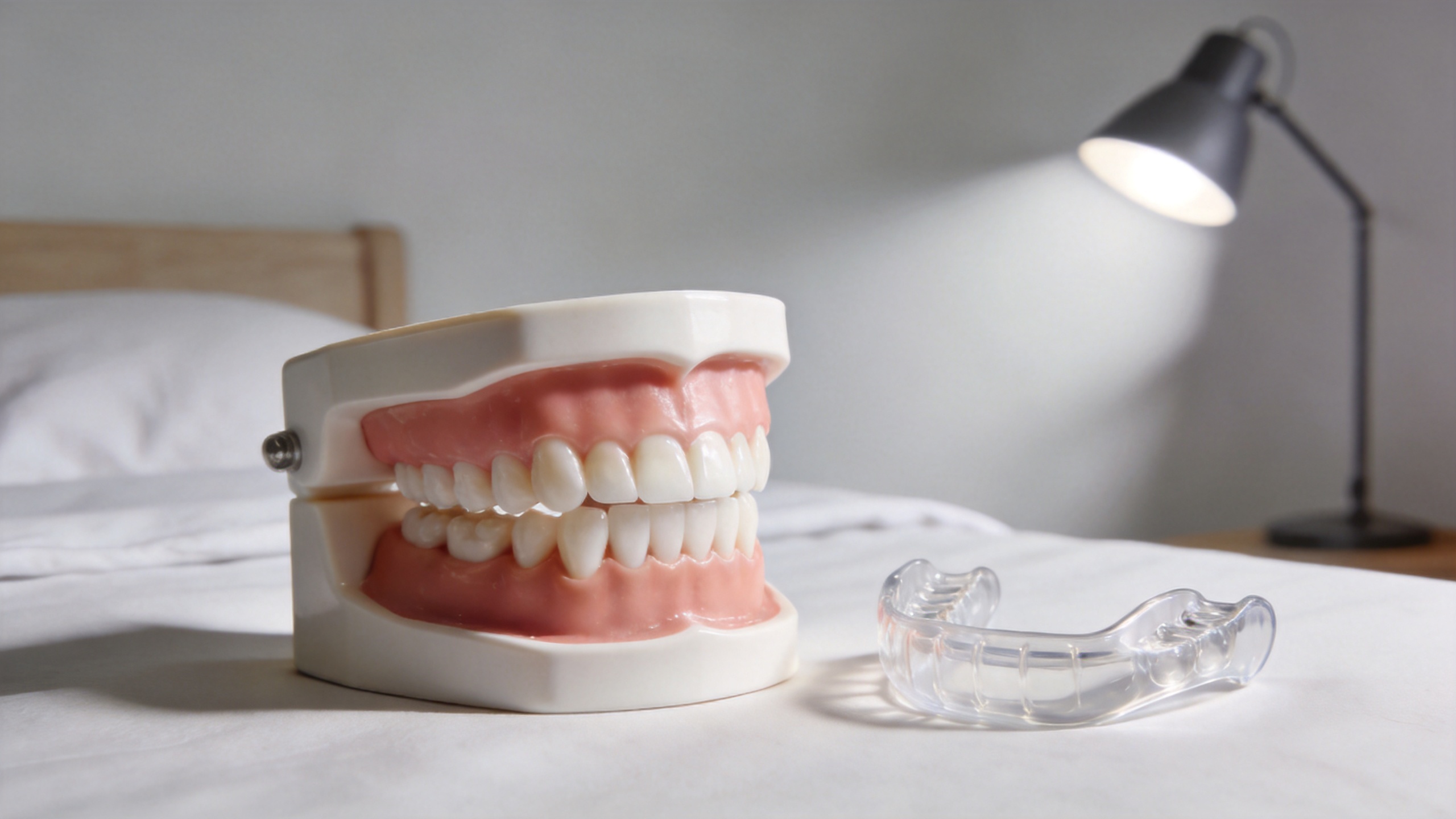
Why Comfortable Fit Is More Than a Selling Point
A comfortable fit is a usability requirement. If a guard rocks, pinches, creates pressure points, interferes with speech before sleep, or feels too bulky, the wearer may remove it. Comfort is influenced by the accuracy of the impression or scan, edge finishing, coverage, material choice, and the user’s own oral condition. It should not be reduced to a blanket claim that one material works for everyone.
For suppliers and buyers, fit language should remain precise. Say that a custom-fit workflow is intended to follow the wearer’s dental anatomy; avoid promising that it will eliminate pain, stop grinding, treat sleep apnea, or suit every bite. This conditional approach makes product communication more useful to clinics and safer for consumer-facing listings.
Custom-Made vs. Generic Night Guards: Questions That Matter
| Decision area | Custom-made approach | What buyers should confirm |
|---|---|---|
| Fit process | Built from a dental impression or digital scan. | Who captures the record, how remakes are handled, and what fit review is expected. |
| Comfort | Designed around individual tooth contours and gumline boundaries. | Edge finishing, thickness options, instructions for reporting pressure or looseness. |
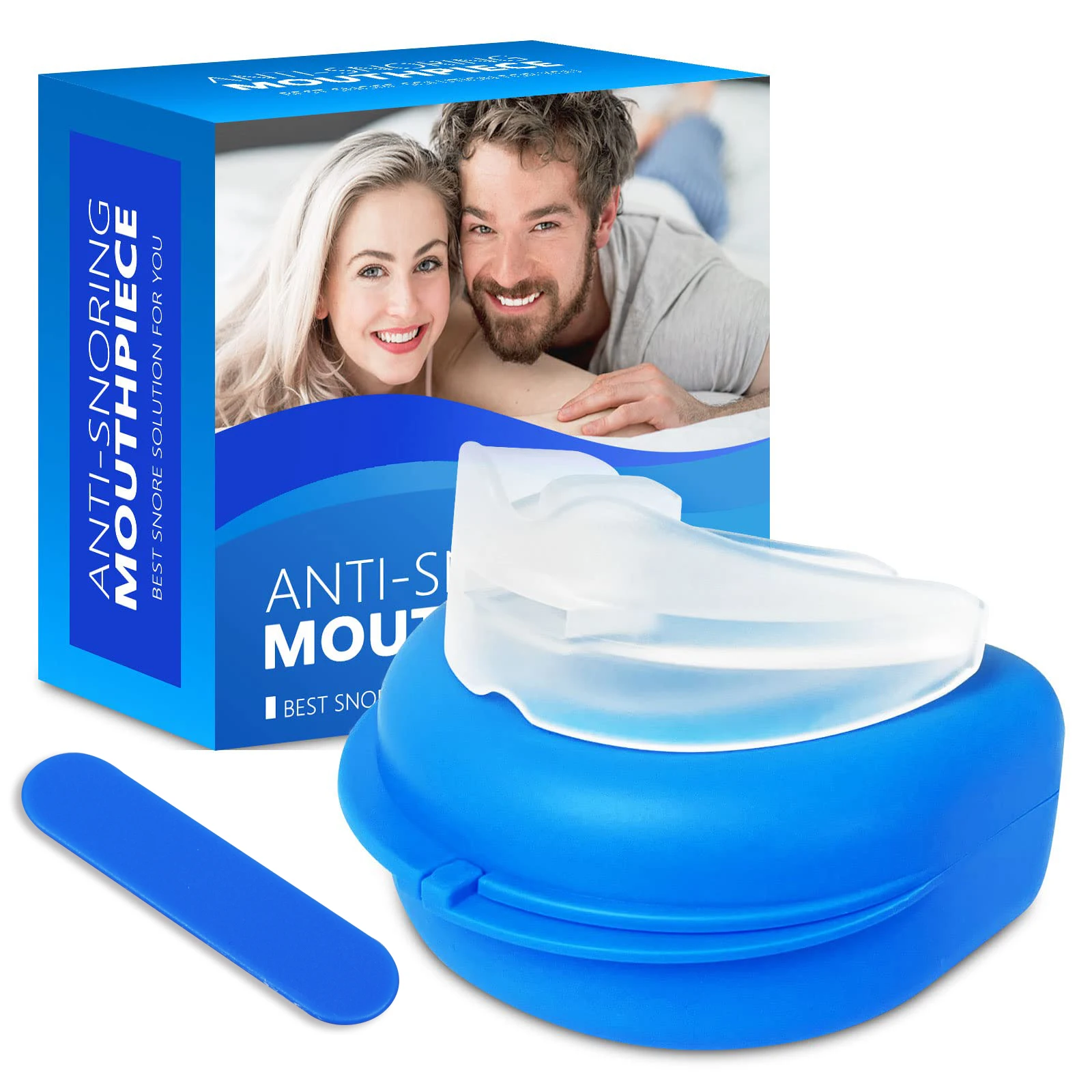
| Intended use | Can be specified for nighttime grinding under professional guidance. | That product messaging distinguishes bruxism protection from sport protection and sleep-breathing devices. |
| Information quality | May support a more defined treatment workflow. | Material disclosures, cleaning instructions, traceability, packaging, and market-specific review needs. |
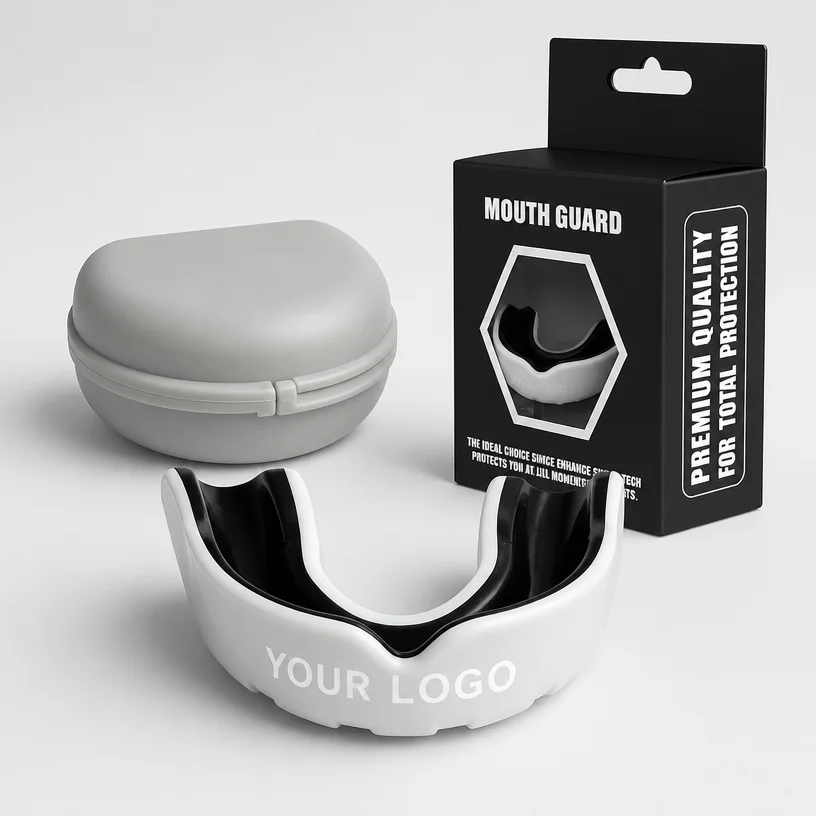
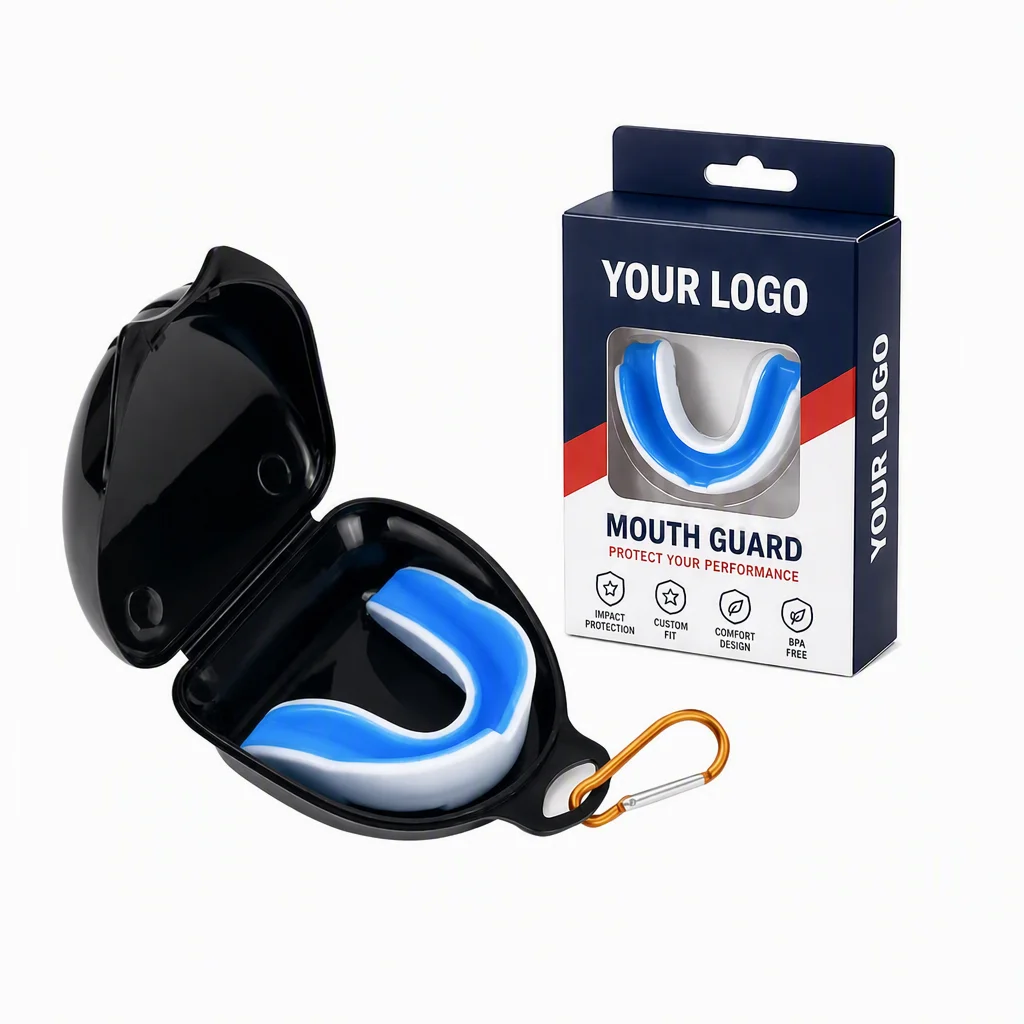
That comparison also prevents a common category mistake: a sports mouthguard and a bruxism night guard are not interchangeable merely because both are worn in the mouth. Their use cases, design priorities, and professional guidance can differ.
A Practical Checklist Before Choosing or Sourcing
- Clarify the user’s need. Is the request about nighttime grinding, athletic impact protection, snoring, whitening trays, or another dental application? Start with the use case, not a broad product name.
- Ask about professional evaluation. Persistent jaw pain, cracked teeth, restorations, new bite changes, severe headaches, or breathing concerns should be reviewed by a dental professional rather than handled through a generic product recommendation.
- Confirm the fit workflow. Determine whether the custom made dental mouth guard will be based on a clinician’s impression, a supervised scan, or another approved process. The record method should be clearly documented.
- Request material and care information. Buyers should obtain the actual material description, cleaning guidance, storage instructions, and any available traceability documents before making claims in a listing.
- Check communication and remake policies. A clear route for fit feedback, adjustment, and remake review is often more valuable than vague comfort language.
OEM/ODM Considerations for B2B Buyers
For a wholesaler, ecommerce brand, clinic group, or pharmacy channel, OEM/ODM work should begin with a documented brief rather than a logo placement request. Define the intended category, target market, impression or scan workflow, packaging language, instruction format, artwork approval, and the documents needed before launch. If the brand plans to mention bruxism, sleep comfort, or material properties, each statement should be reviewed against verified product information and the relevant market rules.
Xiamen Yizhou Imp. & Exp. Co., Ltd. serves channels that include wholesalers, ecommerce platforms, offline clinics, and pharmacies. For those channel teams, a useful supplier conversation centers on the product’s intended purpose and the quality of the information package. It should not assume clinical outcomes that have not been validated for a particular product or wearer.
Use and Care: Keep Expectations Realistic
Once a dental professional has recommended a custom made dental mouth guard, consistent care helps preserve the appliance and makes changes easier to notice. Follow the supplied cleaning instructions, let the guard dry as directed, store it in its case, and bring it to dental appointments when advised. Do not force a guard that suddenly feels tight, loose, cracked, warped, or uncomfortable. Those changes are reasons to seek professional review.
Likewise, sleep comfort is personal. A guard may be one part of a plan that also considers stress habits, medications, tooth wear, jaw symptoms, and sleep quality. Keeping that boundary visible builds more trustworthy product education than a promise of instant or universal relief.
Conclusion: Choose Fit, Information, and Appropriate Guidance
The strongest case for a custom made dental mouth guard is practical: it is designed around the wearer’s teeth and may help protect them from the effects of nighttime grinding when selected with professional guidance. For end users, prioritize a comfortable fit and a clear follow-up path. For B2B teams, prioritize accurate use-case language, verified material information, and an OEM/ODM process that supports responsible labeling. That combination gives customers a clearer decision path without overstating what a mouth guard can do.



 Hot News
