 EN



Premium Anti Teeth Grinding Mouthpiece Manufacturer And Wholesale Supplier
For a wholesale buyer, an anti teeth grinding mouthpiece is not a generic accessory to source by price alone. It is a night-use oral product associated with comfort, repeat ordering, product instructions, and responsible health-related communication. Whether you supply an online store, clinic, pharmacy, or private-label range, the purchase decision should start with a clear product brief and a supplier-verification process—not an assumption that every mouthpiece is interchangeable.
At Xiamen Yizhou Imp. & Exp. Co., Ltd., we organize product information for buyers serving international channels, including wholesalers, e-commerce platforms, clinics, and pharmacies. The purpose is practical: help your team ask the right questions before you commit to a wholesale program.
Start With the Intended Use, Not a Marketing Claim
An anti teeth grinding mouthpiece is commonly discussed in the context of nighttime clenching or grinding. That does not make it a diagnostic tool or a substitute for professional dental advice. A responsible wholesale listing should distinguish general protective-product information from clinical claims. If an end user has pain, loose teeth, jaw symptoms, an existing dental appliance, or uncertainty about their condition, the listing should encourage consultation with a qualified dental professional.
This boundary matters for distributors. Clear intended-use wording helps customer-service teams, marketplace editors, and clinic purchasers understand what they are evaluating. It also keeps product copy from promising outcomes that the available documentation does not support.
Why a Comfortable Fit Belongs in the Buying Specification
Fit is one of the first topics buyers should define. Public oral-health guidance commonly notes that a guard made from a dentist-created mold can provide the closest, most comfortable fit. For a wholesale anti teeth grinding mouthpiece, that insight is useful without turning into a product claim: buyers should identify the intended fit approach, the instructions supplied to users, and the limits of the product category before launch.
A useful sourcing brief records the points below:
- Who the product is intended for and whether it is positioned for adult use only.
- The fit method and the exact user instructions required for that method.
- Material disclosure and any supporting documents that can be verified for the target market.
- Thickness, size, or format options that must be confirmed rather than inferred from photos.
- Packaging, warnings, cleaning guidance, and replacement guidance for the sales channel.
These details are more valuable than vague language about “universal comfort.” A well-prepared buyer asks for documented specifications and makes room for a comfortable fit as a user-experience goal, not as an unsupported guarantee.
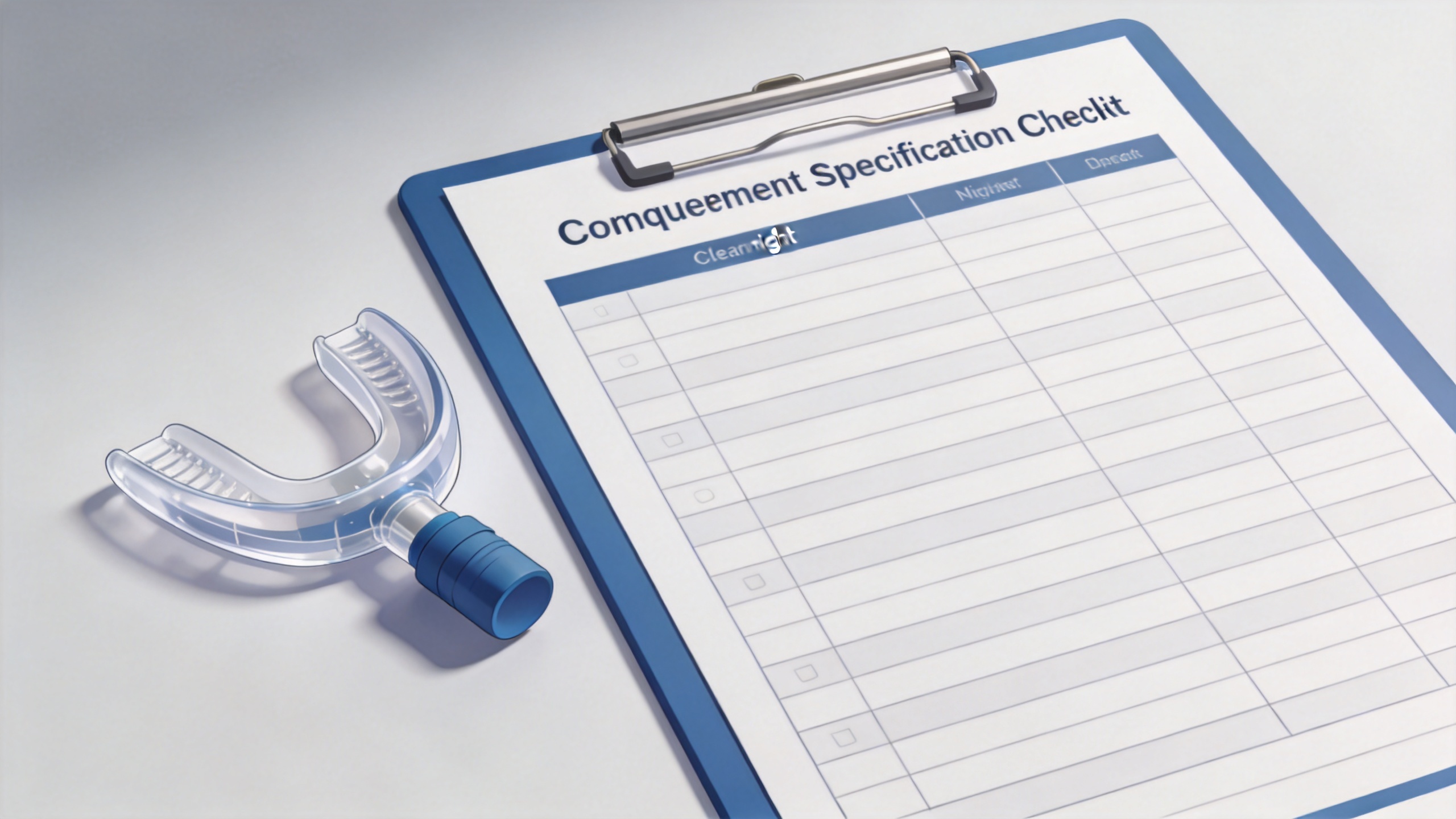
A Wholesale Checklist for Supplier Evaluation
When evaluating a manufacturer for an anti teeth grinding mouthpiece, use a repeatable checklist. It gives procurement, compliance, and commercial teams a shared record of what was requested and what was verified.
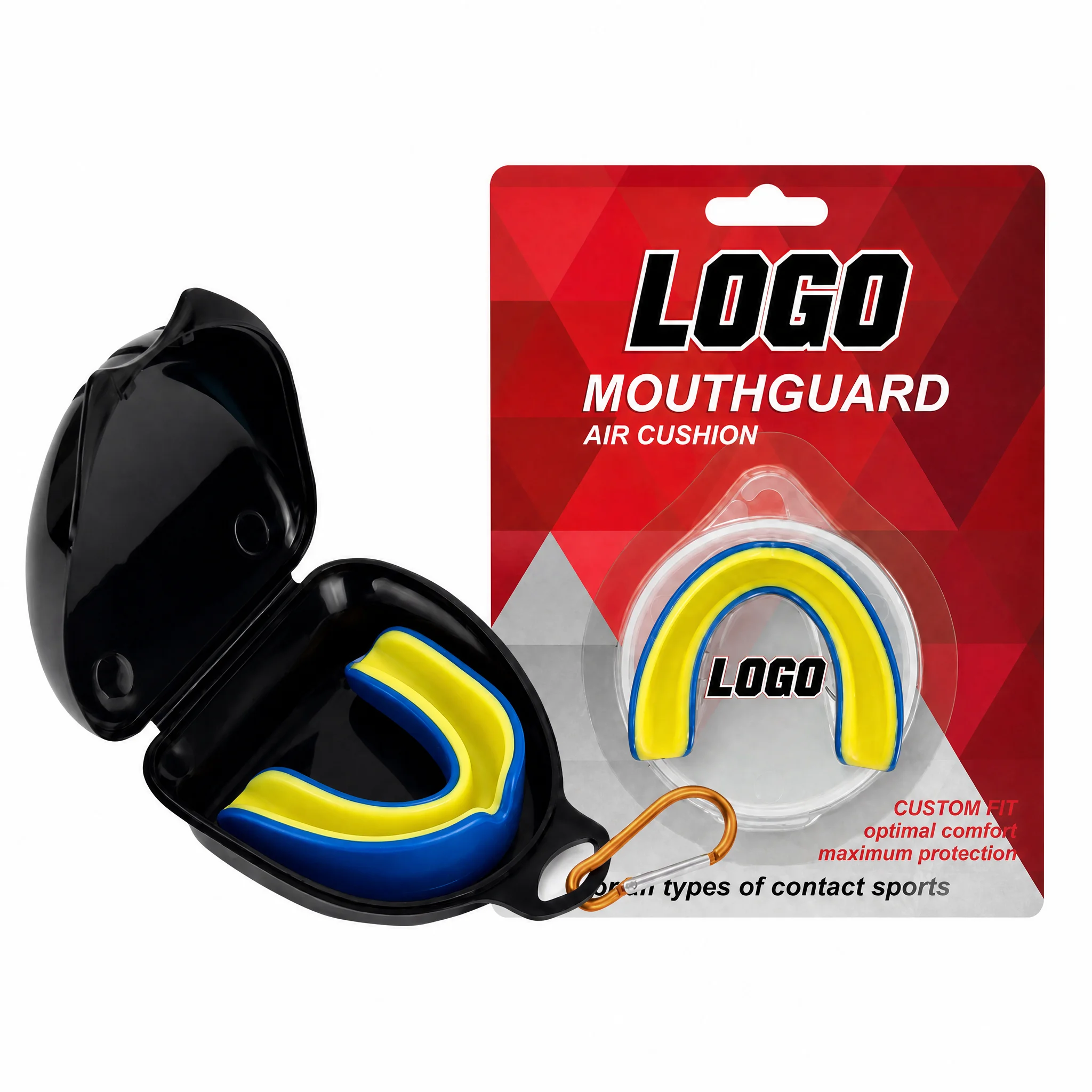
- Confirm product scope. Separate night-use teeth-grinding products from sports mouth guards, whitening trays, and other oral products. Similar shapes do not prove identical intended use.
- Request a specification pack. Ask for available material information, dimensions or size formats, packaging details, user instructions, and version control for artwork.
- Clarify sampling. Define what the sample is meant to confirm: physical appearance, packaging, basic fit process, print quality, or a specific buyer requirement. A sample should not be treated as evidence of clinical performance.
- Review labeling language. Check that marketplace copy, inserts, and carton text avoid diagnosis, treatment, or assured symptom-relief statements.
- Plan traceability. Agree on SKU, lot, artwork, and purchase-order references that make future reorders easier to manage.
- Discuss market responsibilities. Regulatory obligations depend on the product, intended claims, and destination market. Buyers should seek appropriate professional and regulatory advice for their own launch.
What a Manufacturer Should Be Ready to Discuss
A capable supplier conversation is evidence-led. Rather than relying on broad claims, ask what can be documented for the specific item you intend to buy. For example, request the current product specification, the available packaging options, and the process for confirming final artwork before production. If your channel requires particular documents, state that early so the supplier can explain what is available and what still needs independent verification.
Quality-system language is another area where precision matters. In the United States, the FDA’s Quality Management System Regulation became effective in February 2026 and incorporates ISO 13485:2016 as a foundational framework for applicable medical-device manufacturers. This is a due-diligence prompt for buyers—not proof that every mouthpiece is regulated in the same way or that any particular supplier holds a certification. Ask for evidence relevant to your product and market instead of relying on a logo or a general statement.
Build a Wholesale Program That Can Scale
Wholesale success depends on consistent information as much as unit cost. Before your first order, align the commercial details: minimum-order expectations, sample approval, artwork files, packaging configuration, lead-time communication, inspection expectations, and reorder controls. This makes it easier to support multiple sales channels without changing the product story from one listing to the next.
For e-commerce sellers, a concise product-data sheet can help keep listings aligned. For clinics and pharmacies, it can make it easier to review instructions and intended-use language. For distributors, a documented SKU and packaging matrix can reduce confusion when a customer asks for a variation. These are operational benefits of a thoughtful wholesale process; they should not be confused with clinical guarantees.
Questions to Ask Before You Place an Order
| Buyer question | Why it matters |
|---|---|
| What exact product format am I sourcing? | It prevents a night-use item from being described as a sports or whitening product. |
| What documentation is available for the material and packaging? | It gives your team a basis for market review and accurate listing content. |
| How is the comfortable fit process explained to the end user? | It supports clearer instructions and more realistic customer expectations. |
| Which claims are approved for the agreed product information? | It helps prevent unsupported medical or performance statements. |
| How will samples, artwork, and reorders be identified? | It improves traceability across a wholesale program. |
Choose Clarity Over Generic Promises
The strongest anti teeth grinding mouthpiece sourcing decision is the one your team can explain. Define the product scope, verify the documents that matter to your market, put fit instructions in writing, and keep health-related claims appropriately limited. That approach gives wholesalers a more reliable foundation for private-label planning, channel review, and repeat purchasing.
If you are assessing a wholesale program, prepare your required specifications and target-market questions before requesting a quote. A focused discussion helps both buyer and manufacturer determine whether the product information, packaging, and commercial process are suitable for the intended channel.


 Hot News
