 EN



Premium Custom Mouth Guard Bruxism Manufacturer And Wholesale Supplier
For distributors, clinics, pharmacies, and online sellers, a custom mouth guard bruxism inquiry is not simply a request for a night-time dental product. It is a request to define an intended use, decide which information can be supported, and build a product brief that can move through purchasing, packaging, and channel review without creating avoidable confusion. As a wholesale buyer, the most useful starting point is usually a short, structured conversation rather than a generic price request.
This article is about product sourcing and information control, not personal diagnosis or treatment. A custom mouth guard bruxism product should not be represented as a universal clinical answer. Where a customer has pain, changing bite, breathing concerns, or another individual health question, appropriate professional guidance matters.
Why a Custom Mouth Guard Bruxism Brief Needs More Than a Product Name
Search results commonly frame a custom mouth guard bruxism product around fit, comfort, and nighttime use. Those themes may be useful for a retail listing, but they leave wholesale teams with unanswered operational questions. Is the buyer supplying a private-label collection, a clinic-facing item, or an e-commerce offer? What must the package say? Which product details are confirmed, and which need validation before publication?
That distinction matters because an online reseller, a pharmacy buyer, and a dental channel do not necessarily need the same documentation in the same order. A sourcing brief for a custom mouth guard bruxism line should therefore separate product-description needs from health-related language. Clear boundaries usually make a product page more credible, not less persuasive.
Begin With the Channel and Intended Product Use
Before requesting a quotation for a custom mouth guard bruxism program, define the downstream channel. For example, a direct-to-consumer seller may prioritize a clear explanation of the ordering process and packaging assets. A clinic or pharmacy channel may first ask for product specifications, instructions, labeling information, and the basis for any claim. A distributor may need all of those items plus SKU logic and replenishment planning.
- Target channel: wholesale distribution, online retail, clinic supply, or pharmacy supply.
- Intended product communication: general product information, not an individual health assessment.
- Buyer requirements: packaging format, label language, artwork workflow, and documentation requested by the channel.
- Open items: material, thickness, fit process, available sizes, and any claims that still require evidence.
It is tempting to begin a custom mouth guard bruxism request with “unit price.” In practice, a lower unit price can create more work if the product brief, packaging details, or approved wording are still unclear. Clarifying the decision context first helps suppliers respond with a more comparable quotation.
Build a Specification Checklist Before Comparing Suppliers
A dependable custom mouth guard bruxism RFQ describes what is known and labels what is pending. Do not assume that a similar-looking product carries the same construction, instructions, or claims support. Ask for a written response to each requirement and keep the response alongside the quotation.
- Product definition: State the intended category and the language planned for the listing. Keep product description separate from promises about individual outcomes.
- Fit and user pathway: Ask how the product is intended to be selected, supplied, or fitted. Do not turn general fit language into a clinical claim.
- Material and construction information: Request the supplier’s available technical information and identify which details are confirmed for the proposed SKU.
- Packaging and labeling: Confirm unit packaging, insert needs, barcode placement, language versions, and any channel-specific review steps.
- Artwork ownership and approvals: Establish who supplies files, who approves proofs, and how revisions are recorded.
- Documentation status: Request only documents relevant to the destination channel and verify them before repeating a certification or performance statement.
For a custom mouth guard bruxism assortment, this checklist makes supplier comparisons more meaningful. It also prevents a sales phrase from being copied into a product listing before the underlying information is ready.
Use Evidence-Aware Language in Wholesale Content
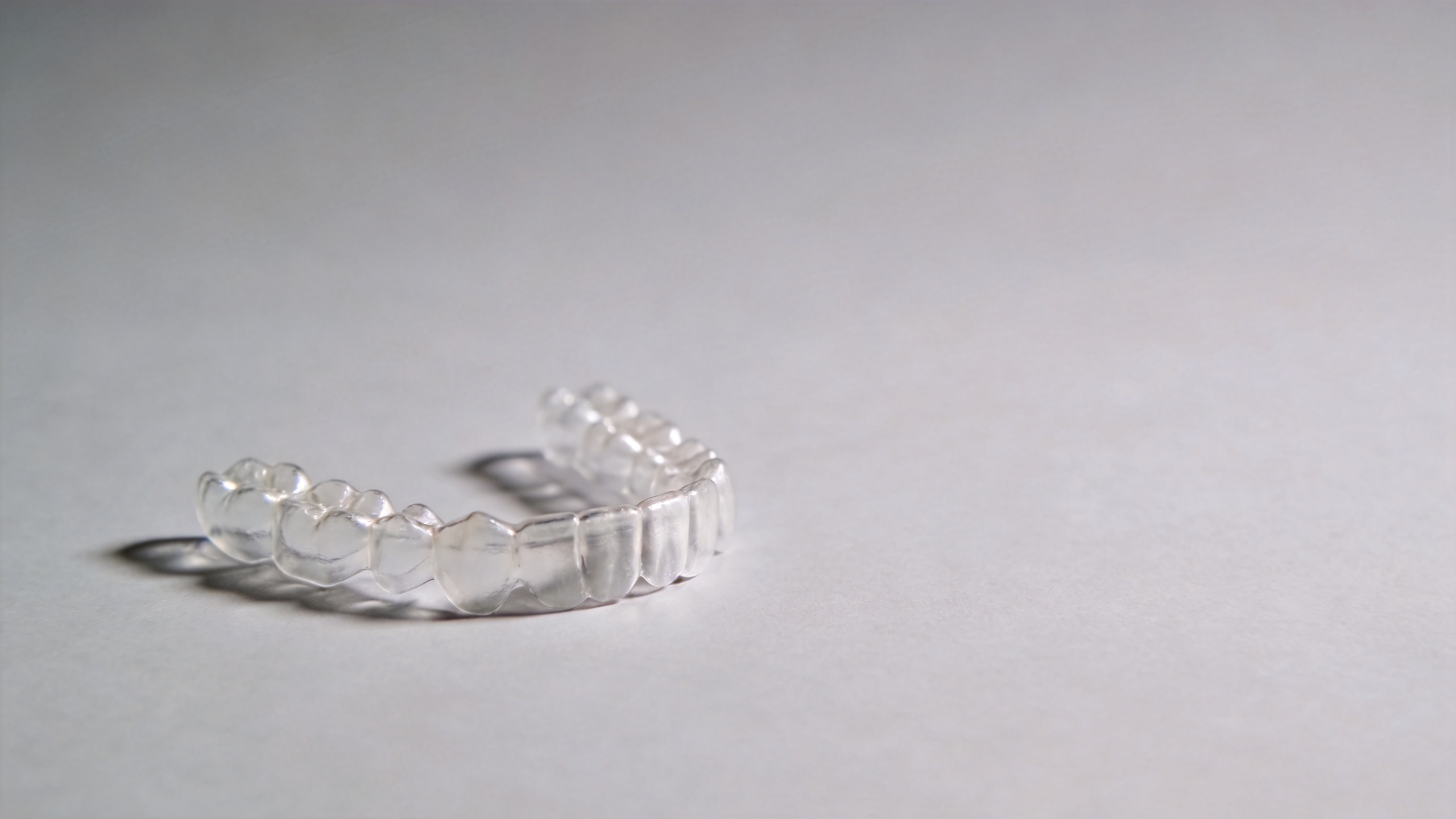
The available research landscape around occlusal splints includes different designs, study approaches, and outcomes. That is a practical reason to keep custom mouth guard bruxism content measured. A general product article can explain selection, usage instructions, and sourcing considerations; it should not replace professional evaluation or promise the same result for every user.
For a custom mouth guard bruxism catalog, avoid phrases such as “assured relief,” “works for everyone,” or claims that imply a seller has assessed an individual. A stronger approach is to explain what the buyer can verify: product configuration, intended channel, instructions, packaging, and evidence available for any planned statement. When evidence is incomplete, say so internally and reduce the claim strength externally.
Plan Wholesale and Factory Price Discussions Properly
Both wholesale and factory price are useful commercial terms, but neither replaces a defined purchasing scope. When discussing a custom mouth guard bruxism order, ask for the quotation assumptions in writing: quantity breaks, packaging configuration, artwork status, sampling expectations, lead-time assumptions, and shipping terms. That lets buyers compare offers on a like-for-like basis.
A supplier may be able to organize product information around nighttime oral-care categories, sports protection, and dental tray products. However, those categories should not be merged in a listing merely because the items are all oral appliances. Each custom mouth guard bruxism SKU needs its own intended-use language and evidence review.
Questions to Send With Your First Wholesale Inquiry
A concise inquiry saves time for both sides. For a custom mouth guard bruxism project, include these questions:
- Which product specifications are available for the proposed configuration, and which details remain to be confirmed?
- What packaging formats and artwork review steps are available for a wholesale program?
- What quantity, packaging, and shipping assumptions sit behind the quoted factory price?
- What product documentation can be provided for review, and what claims should not be used without further substantiation?
- What information is needed from the buyer before a sample, proof, or production schedule can be discussed?
These questions turn a broad custom mouth guard bruxism request into a workable procurement conversation. They also help a distributor prepare a clear internal handoff from sourcing to marketing and customer support.
Prepare a Safer Product Page and Sales Handoff
Before launching a custom mouth guard bruxism listing, review the page, pack copy, and sales materials together. Check that the product name, intended-use language, instruction summary, and cautionary wording are consistent. A page should not add material claims, performance claims, certifications, or individual-use recommendations that were not supported in the supplier record.
For teams selling across markets, plain language is especially valuable. Explain what is being offered, what information is confirmed, and what a buyer should ask next. If a consumer question goes beyond general product information, route it to an appropriate professional rather than trying to solve it through a product description.
Choose a Supplier Conversation, Not a Shortcut
The right custom mouth guard bruxism supplier relationship begins with traceable questions. Buyers should compare more than a headline factory price: they should compare the completeness of the response, the clarity of open items, packaging readiness, and the discipline of the claims review. That approach supports a better wholesale launch process and reduces downstream rewriting.
In short, source a custom mouth guard bruxism program by confirming its channel, product facts, packaging scope, and evidence boundaries first. A careful brief gives both the supplier and the buyer a clearer path to a responsible, usable offer.


 Hot News
