 EN



Your Reliable Stop Snoring Mouthpiece Wholesale Supplier And OEM Partner
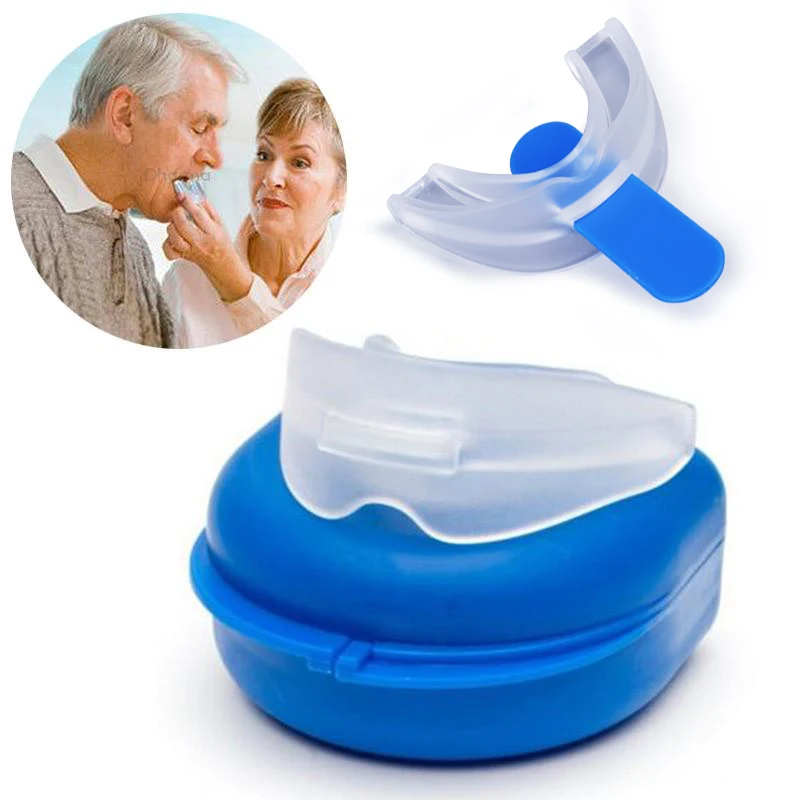
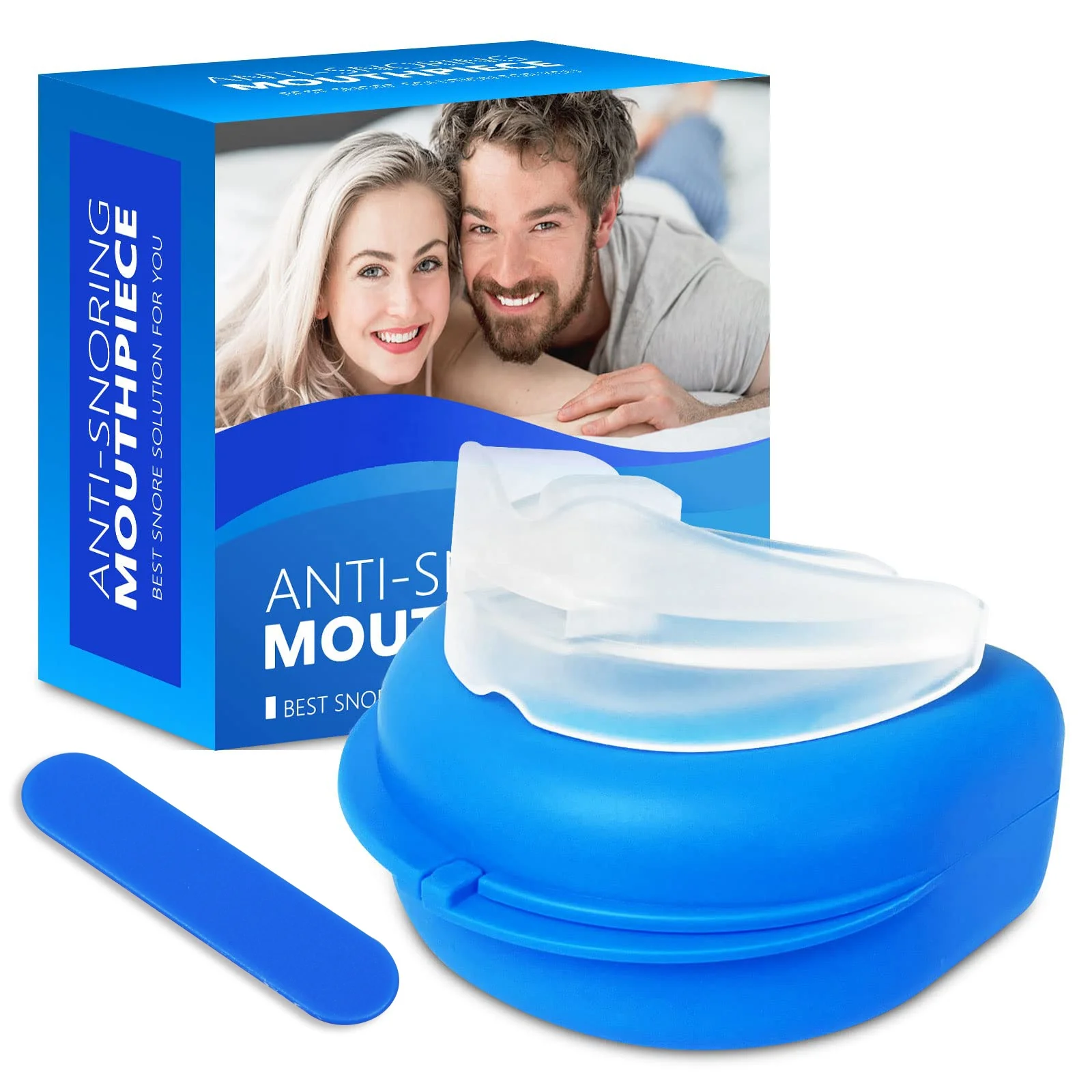
For a distributor, retailer, clinic channel, or marketplace team, selecting a stop snoring mouthpiece is not simply a matter of comparing a factory price. It is a documentation and positioning exercise as much as a product decision. Buyers need to know what the product is intended to be, which end-user statements are supportable, and what information must be verified before a listing, package, or sales sheet is approved.
As a wholesale buyer, it helps to start with the resale use case rather than a broad product label. A stop snoring mouthpiece may be discussed in the market as an anti-snoring oral appliance, but suitability depends on the user, the design, the intended-use statement, and local requirements. It should not be presented as a diagnosis, cure, or substitute for professional assessment. That distinction protects end users and makes product communication more reliable.
Why sourcing a stop snoring mouthpiece needs a structured brief
Consumer search results often lead with comfort, adjustability, or strong outcome claims. Wholesale buyers have a wider job: they must align the product, packaging, channel, and claims. The most productive supplier conversation begins with a short brief covering your destination market, target customer, preferred order quantity, and the evidence you need before launch.
- Channel: Is the product for e-commerce, a pharmacy program, a clinic-related channel, or a private-label distributor?
- Positioning: Is the language limited to simple-snoring support, or does the team intend to make medical-device or sleep-apnea statements that require separate review?
- User information: Which instructions, warnings, cleaning guidance, and escalation advice must appear in the package or listing?
- Documentation: Which material, manufacturing, labeling, and target-market records must be available before approval?
This approach turns a vague request for a stop snoring mouthpiece into a reviewable sourcing specification. It also reduces the risk of treating a supplier quotation as proof of compliance or clinical performance.
Start with intended use, not with a claim
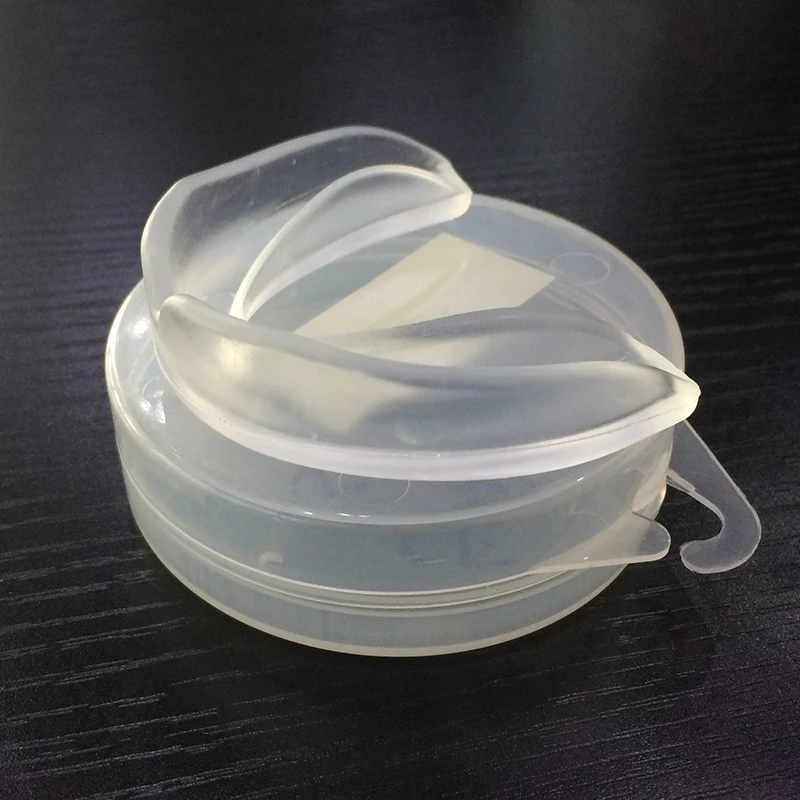
There are different intraoral design categories in the market, including jaw-positioning and tongue-retaining approaches. Their names alone do not establish that a particular item is appropriate for every user or every market. A practical wholesale program states the intended use in careful, product-specific language and avoids extending that statement beyond the available evidence.
For health-related products, a conservative customer pathway matters. Snoring can occur alongside conditions that require clinical evaluation. Your product page and instructions should therefore avoid promising to treat obstructive sleep apnea or guaranteeing a result. Instead, keep claims conditional, include appropriate professional-consultation language, and ask the supplier what evidence supports each proposed statement.
That is especially important when a reseller sees terms such as “medical grade” or “cleared” elsewhere in the market. Those terms must not migrate into your listing unless they are confirmed for the exact product, claim, and destination market. A reliable stop snoring mouthpiece supplier should be ready to identify what is verified, what is market-specific, and what still needs review.
Build a supplier comparison around the documents that matter
Factory price is useful, but it is only one line in the decision. The better comparison is total operational effort: the time needed to obtain clear answers, align artwork, address product questions, and keep claims consistent across cartons, instructions, and online listings.
| Buyer checkpoint | What to request | Why it matters |
|---|---|---|
| Product definition | Design description, intended-use wording, and available user instructions | Prevents a generic mouthpiece from being marketed with unsupported claims. |
| Materials and contact surfaces | Material declaration and any relevant test or traceability records | Lets your team assess what can be stated and what still needs verification. |
| Fit and adjustment | Clear instructions, sizing approach, adjustment limits, and care guidance | Supports more realistic end-user communication and fewer avoidable complaints. |
| Packaging and labeling | Artwork files, carton dimensions, warning space, and language options | Helps private-label teams keep market information consistent. |
| Market readiness | Records relevant to the planned market and any claim review boundaries | Separates supplier-provided facts from assumptions about regulation or approval. |

When evaluating a stop snoring mouthpiece, ask for documents before treating a low quote as a complete offer. If a supplier cannot clarify the materials, instructions, labeling responsibilities, or evidence behind a proposed claim, the cost of resolving those gaps may outweigh a lower unit price.
How OEM and private-label teams can work more efficiently
OEM discussions are smoother when the buyer supplies a controlled brief rather than a slogan. Specify what can change, what must remain stable, and who approves final wording. A private-label request might cover a brand mark, carton artwork, leaflet layout, language variants, and a defined document package. It should not assume that cosmetic customization automatically validates a new claim or makes the product suitable in a new jurisdiction.
For a stop snoring mouthpiece program, a useful approval sequence is:
- Confirm the target customer and the careful intended-use statement.
- Review product information, materials documentation, instructions, and proposed warning language.
- Agree on packaging components, artwork ownership, language review, and sample approval.
- Confirm the quotation terms: MOQ, lead time, tooling or artwork charges, inspection expectations, and shipment assumptions.
- Run a final consistency check so the product page, insert, carton, and sales deck do not make conflicting statements.
Moving from selling points to confirmation questions may feel slower at the start. In practice, it gives wholesale teams clearer comparisons and fewer last-minute revisions. It also helps an OEM partner understand where customization is requested and where regulatory or clinical review must remain outside the quotation process.
Evaluate factory price in the context of total launch work
A competitive factory price can be valuable, particularly for repeat wholesale orders, but only when the scope is comparable. Ask whether pricing includes the same packaging format, instruction insert, inspection level, customization, and documentation support. Compare like with like before drawing conclusions.
For example, an offer for a stop snoring mouthpiece may appear economical until separate artwork work, packaging upgrades, translation review, or missing instructions are added. Conversely, a higher quote may be easier to operate if the supplier can provide clear, consistent product information within an agreed process. The right decision depends on your channel requirements, not on a universal price claim.
Questions to send before approving a wholesale order
- What is the exact intended-use wording for this product, and which claims are supported by documents for our target market?
- What materials contact the user, and what records can be shared for our internal review?
- What instructions, warnings, cleaning guidance, and user limitations are supplied with the product?
- Which packaging elements can be customized, and what review cycle applies to artwork and translations?
- What are the MOQ, sample process, lead time, quality checkpoints, and responsibilities for final approval?
- How will the supplier distinguish confirmed product facts from requests that need regulatory, medical, or legal review?
Choose a partner that supports accurate product communication
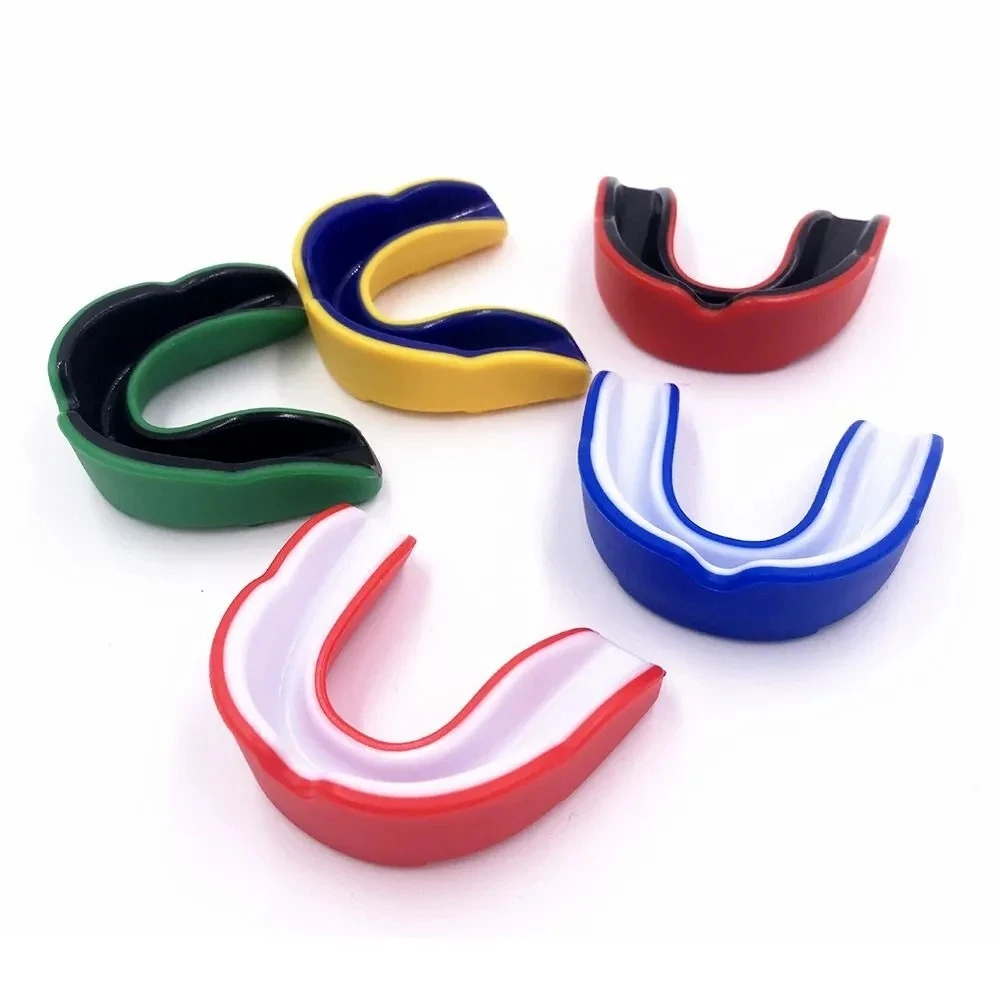
Xiamen Yizhou Imp. & Exp. Co., Ltd. serves channels that include wholesalers, e-commerce platforms, clinics, and pharmacies, with disclosed product categories spanning anti-snoring mouthpieces, sports mouth guards, and dental whitening trays. For a stop snoring mouthpiece wholesale inquiry, the most useful next step is to share your market, channel, packaging needs, anticipated volume, and documentation checklist. This makes it possible to organize a focused sourcing discussion without overstating product capability or end-user outcomes.
A dependable OEM relationship is built on clear boundaries: confirm the product facts, document the responsibilities, and reserve health or market claims for the evidence and review they require. With that structure in place, buyers can assess wholesale options more confidently and build a more consistent private-label launch.


 Hot News
