 EN



Premium Night Time Mouthguard Manufacturer and Wholesale Supplier
For a wholesaler, pharmacy buyer, clinic distributor, or ecommerce operator, choosing a night time mouthguard is not simply a matter of selecting a generic dental accessory. The useful starting point is the intended overnight use, the information needed for responsible resale, and the documents a supplier can provide. That distinction matters because a night-time product may be discussed in connection with grinding or clenching, while an individual’s symptoms and treatment choices still require appropriate dental guidance.
From a wholesale-buying perspective, a clear request usually produces a more reliable comparison than a list of broad comfort claims. The aim is to identify a product whose positioning, instructions, packaging, and channel-ready information are aligned before an order is placed.
Start with the intended use of a night time mouthguard
A night time mouthguard is commonly sought by people who want a barrier between the teeth during overnight grinding or clenching. In product communication, it is important to separate that general product purpose from a promise of diagnosis, treatment, or a universal outcome. The American Dental Association’s consumer guidance notes that a dentist may recommend a night guard for teeth-grinding situations. For a buyer, that is a useful boundary: communicate product information clearly, and do not turn it into individualized health advice.
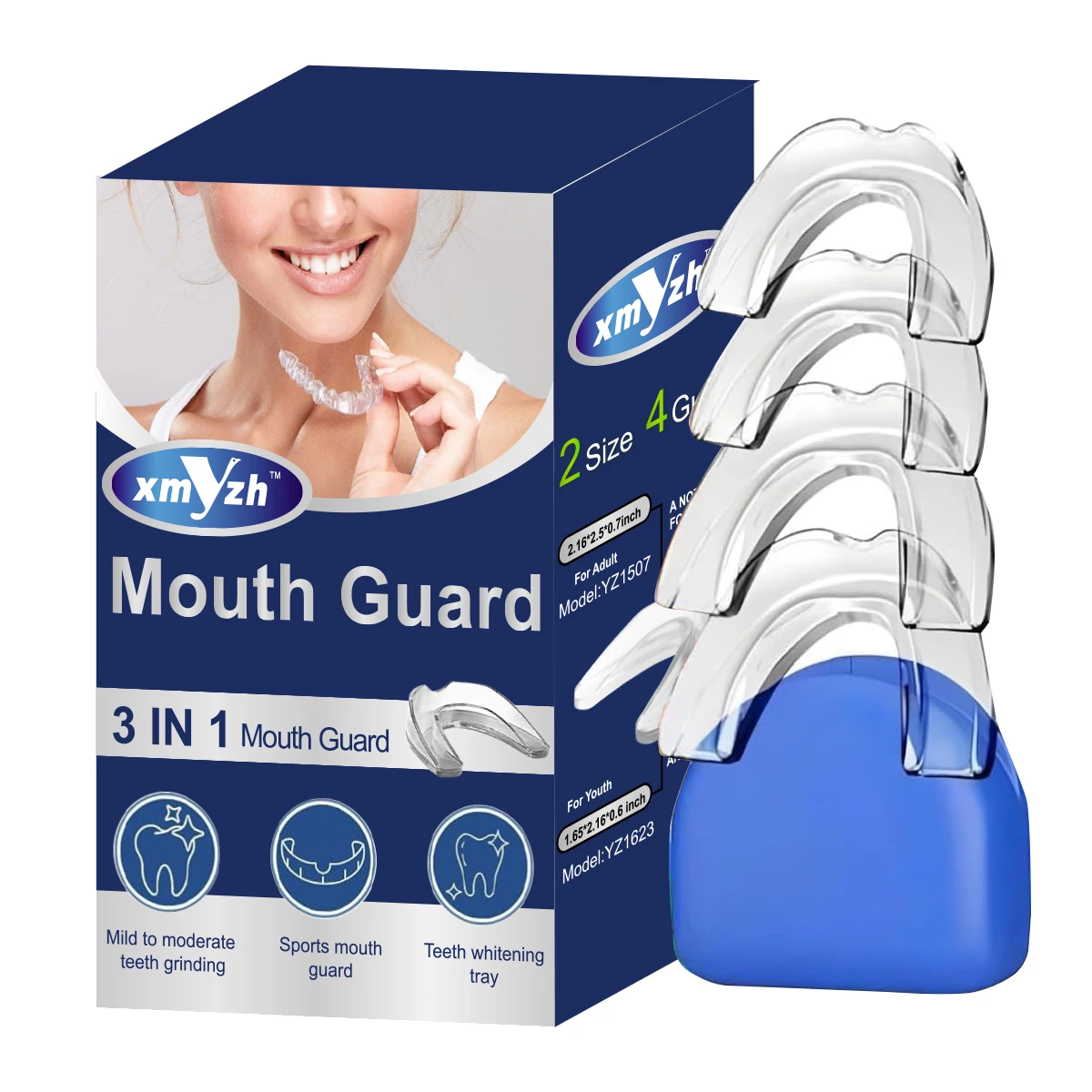
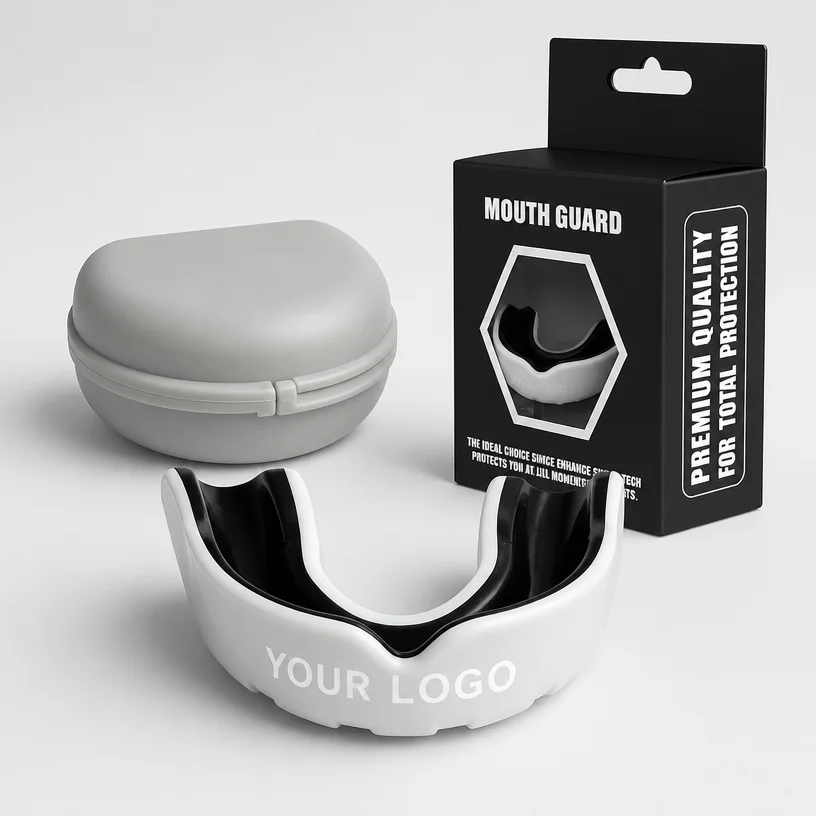
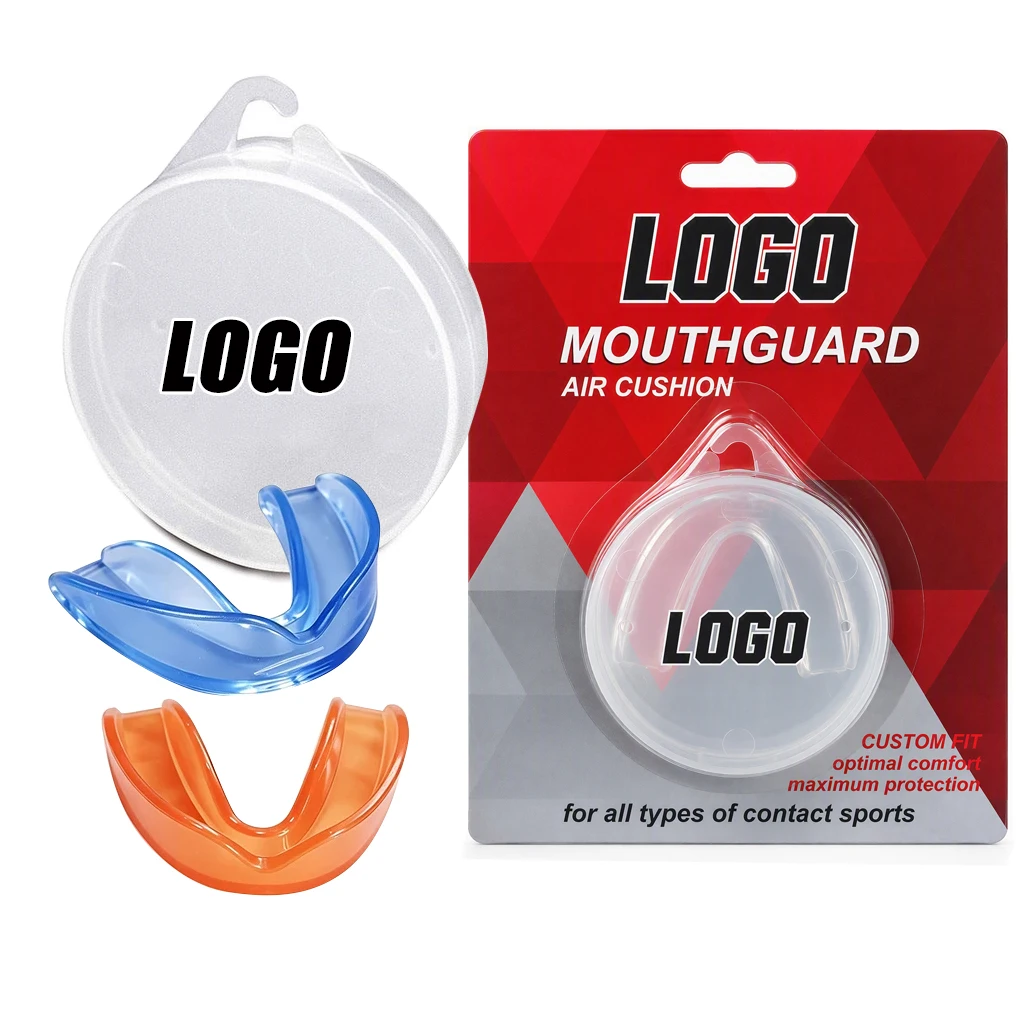
It is easy to group every oral appliance together. More accurately, night guards, sports mouthguards, and whitening trays serve different purposes and should not share the same product copy, imagery, or claim language. When a buyer is planning a wholesale range, separating those uses early helps prevent mismatched listings and avoidable returns.
What buyers should request from a manufacturer
The most practical supplier conversation moves from selling points to confirmation questions. Rather than assuming that a phrase such as “comfortable” proves suitability, ask what the product information actually supports. A capable night time mouthguard supplier should be able to clarify the following points for the exact SKU being considered:
- Product positioning: the stated intended use and the claims that are appropriate for packaging and listings.
- Material information: the material description and any available documentation relevant to the destination market.
- Fit and use instructions: how the product is intended to be fitted, worn, cleaned, stored, and replaced, without adding unsupported performance statements.
- Packaging details: unit presentation, artwork fields, barcode requirements, language needs, and carton information for the selected channel.
- Traceability and review: the specification, sample-approval process, and document set buyers need before a production release.
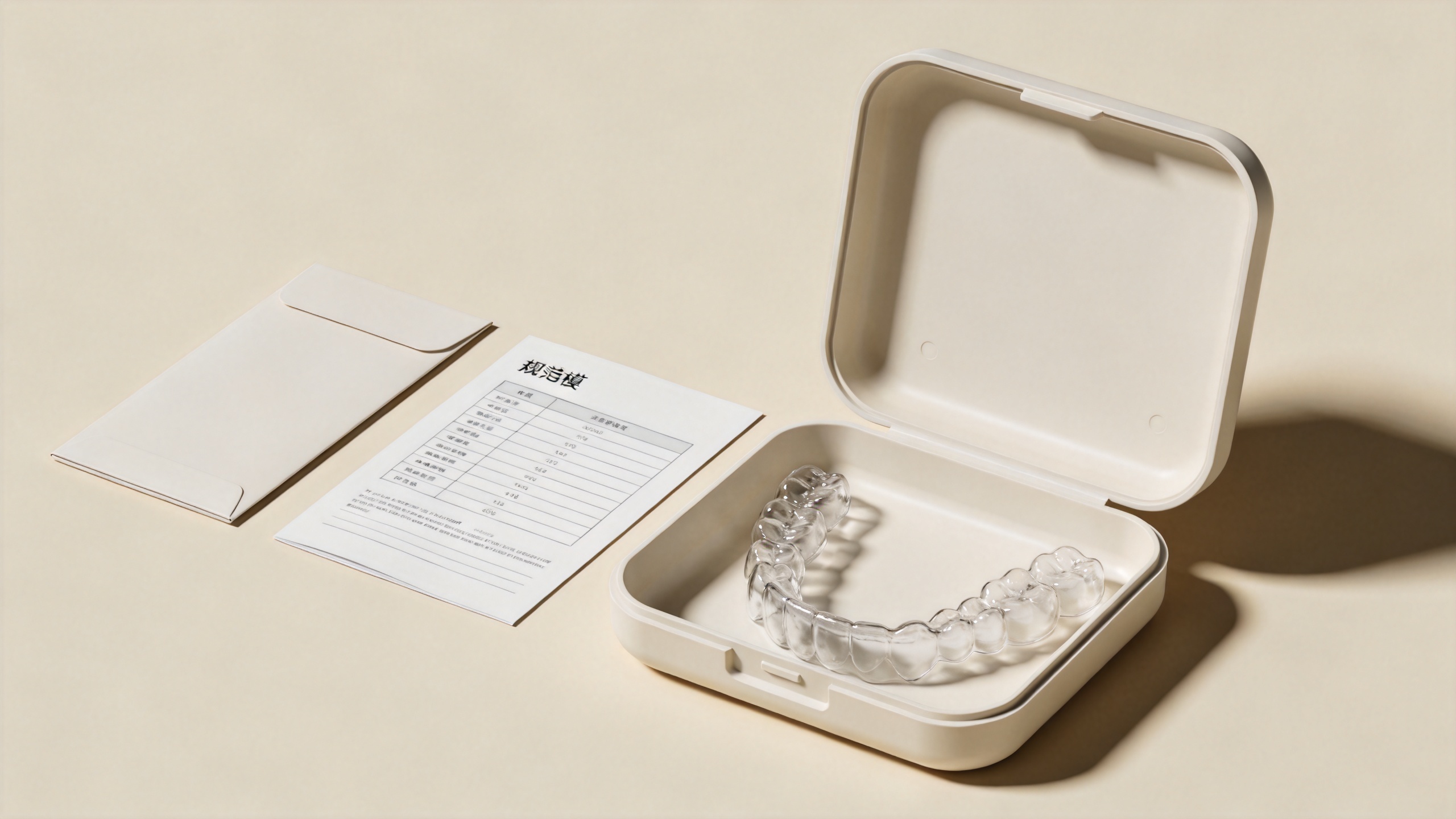
For U.S.-bound sales, buyers may also use FDA device-labeling guidance and 21 CFR Part 801 as a prompt to review intended-use wording and labeling responsibilities with qualified regulatory advisers. This is a documentation checkpoint, not a claim that every night guard has identical regulatory requirements.
Evaluate bruxism relief language carefully
The term bruxism relief can be commercially attractive, but it calls for careful wording. Bruxism is associated with grinding or clenching, and a product listing should not imply that a standard retail guard can diagnose the cause, resolve every case, or replace a dental assessment. It is more accurate to explain the product’s intended overnight role and to encourage buyers to keep clinical claims, symptom claims, and product-use instructions distinct.
This distinction supports better channel communication. A pharmacy or clinic may require more detail around information boundaries; an ecommerce seller may need concise consumer-facing instructions and approved images; a distributor may prioritize the specification sheet, artwork workflow, and packing configuration. The product is not “better” simply because more claims are placed on the page. Usually, the safer commercial approach is to make every statement traceable to the current product documentation.
Build a wholesale-ready night-guard brief
Before requesting quotations, prepare a short brief. It makes supplier comparisons more useful and reduces the need to reinterpret a generic offer later. Include the sales channel, target market, preferred positioning, planned packaging language, expected order pattern, and any documentation that must be reviewed before listing. If you need private-label development, identify which elements are fixed and which require supplier confirmation.
| Brief item | Why it matters | Question to confirm |
|---|---|---|
| Channel | Pharmacy, clinic, ecommerce, and wholesale buyers need different information sequences. | Which materials, instructions, and packaging formats are required for this channel? |
| Intended-use copy | It controls how a night time mouthguard is presented to the end user. | Which wording is supported by the approved product documentation? |
| Fit and care information | Clear directions help resellers set appropriate customer expectations. | What exact instructions and care limits accompany this SKU? |
| Artwork and pack data | Private-label work requires early control of mandatory and market-specific fields. | Who approves copy, layout, barcodes, and final print proofs? |
| Quality records | Buyers need a defined review path rather than assumptions about capability. | Which specifications, samples, and batch-related records can be shared? |
Choose a supplier relationship that fits the channel
Xiamen Yizhou Imp. & Exp. Co., Ltd. serves buyers of anti-snoring mouthguard products, sports mouthguards, and dental whitening trays across wholesale, ecommerce, clinic, and pharmacy channels, with a focus on Europe and the United States. For buyers assessing a night time mouthguard manufacturer, the value of that channel focus is not an assumed performance promise; it is a reason to ask for information in the order your selling model needs.
For example, a distributor may begin with product positioning and packing data, while a clinic-facing buyer may place greater weight on clear use boundaries and documentation. Ecommerce teams often need reviewed copy, images, and fulfillment-facing pack information. In each case, the disciplined approach is the same: confirm what is known, identify what still requires review, and avoid turning an experience phrase into a product guarantee.
A practical wholesale decision sequence
- Define the target channel and the end-user scenario you intend to address.
- Request the current specification, use instructions, material information, and packaging details for the exact night time mouthguard SKU.
- Review proposed product language for accuracy, especially where it refers to grinding, comfort, or bruxism relief.
- Confirm the sample, artwork, and production-approval sequence before committing to a larger wholesale order.
- Keep final claims, market requirements, and professional-advice boundaries under review for the market in which the product will be sold.
Conclusion
A premium night time mouthguard program begins with precise product information and a supplier conversation that matches the route to market. Buyers can make stronger decisions by checking intended use, fitting and care instructions, packaging needs, and document availability before they compare price alone. For products discussed in relation to grinding or bruxism relief, keep the message responsible: provide clear product information, avoid unsupported health promises, and encourage appropriate professional guidance when an individual’s oral-health needs are involved.


 Hot News
