 EN



Professional Custom Mouth Trays Manufacturer And Wholesale Supplier
For a wholesale buyer, custom mouth trays are not a single, interchangeable product category. The practical question is what the tray is expected to support, who will receive it, and which product documents are needed before it reaches a clinic, pharmacy, e-commerce listing, or distributor catalogue. That distinction matters especially when the request includes teeth whitening, because a tray, a whitening formula, and a health-related claim are separate items to review.
A reliable sourcing conversation starts with the intended channel rather than a generic request for a “custom tray.” Buyers can then compare product information, packaging needs, and documentation without assuming a feature, certification, or regulatory status that has not been confirmed.
Start With the Use Case for Custom Mouth Trays
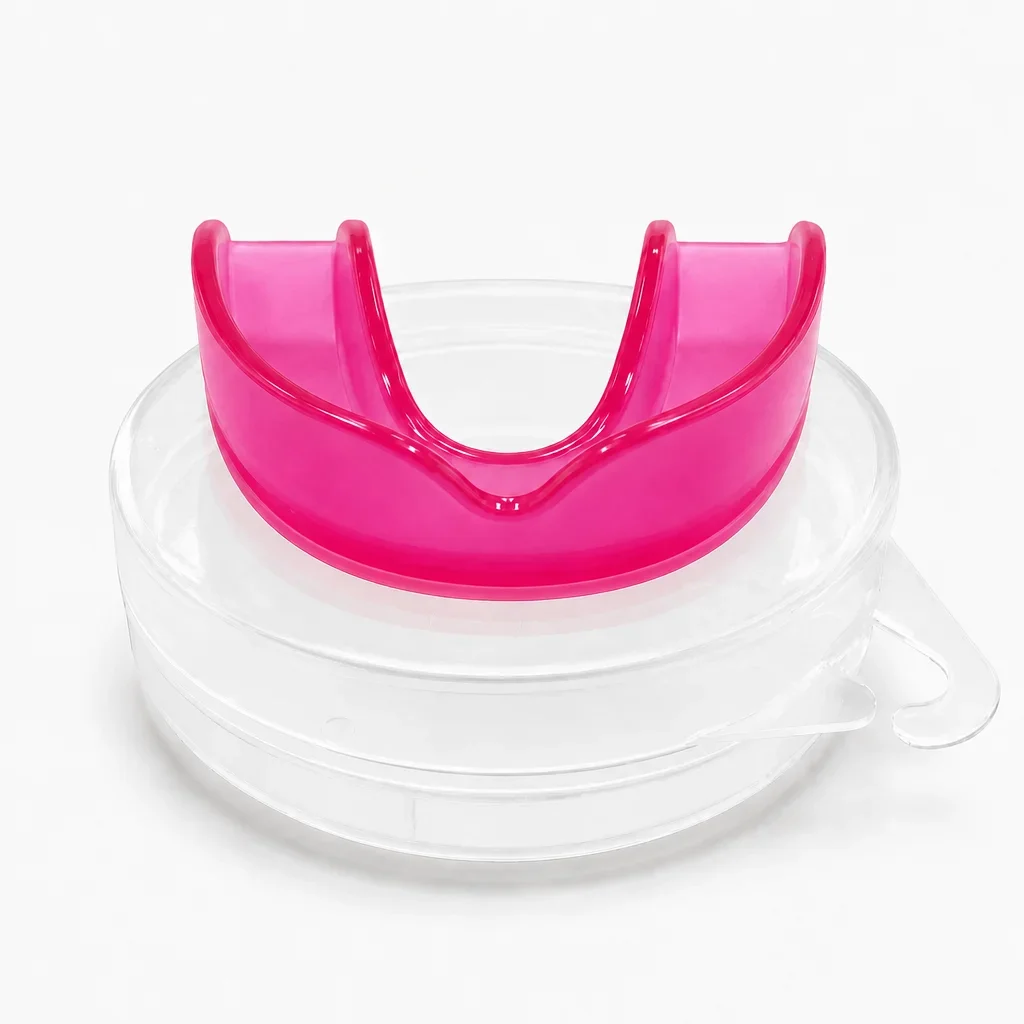
Custom mouth trays may be discussed for dental-channel applications such as carrying a whitening product, but the tray itself should be described according to the information actually supplied by the manufacturer. Before requesting a quotation, define whether the requirement is for a professional channel, retail resale, promotional packaging, or a private-label programme. Each route changes the information a buyer needs.
For example, a buyer focused on teeth whitening should separate three questions: what the tray is designed to do, what whitening material—if any—will be sold with it, and what instructions or claims are appropriate for the destination market. That separation helps avoid treating general product content as clinical advice or assuming that a tray is suitable for every consumer.
A Wholesale Checklist That Makes Quotes Comparable
When comparing custom mouth trays from prospective suppliers, a structured brief is more useful than a long list of broad demands. Ask each supplier to respond to the same points so the answers can be reviewed side by side.
- Intended application: State whether the tray is being evaluated for a dental-channel whitening programme, a retail kit, or another defined use.
- Customization method: Clarify what artwork, branding, packaging, instruction inserts, or labelling changes are requested. Do not assume a particular impression, scan, or moulding process unless it is documented in the supplier’s proposal.
- Material information: Request the material description, available grades, colour options, and any supporting test or compliance documents relevant to the market.
- Fit and dimensional requirements: Explain the target user group and the fit expectation, then ask what dimensions, thicknesses, or tolerances the supplier can document.
- Packaging and traceability: Specify unit packaging, carton requirements, lot identification needs, and the language needed on inserts or labels.
- Order and service details: Confirm sample process, minimum order quantity, production timing, inspection arrangement, and how artwork approval is recorded.
This approach shifts the discussion from a product name to verifiable purchasing conditions. It also makes it easier for a dental wholesale team to prepare consistent material for clinics, pharmacies, or online resellers.

Why Documentation Matters More Than a Broad Quality Claim
It is tempting to ask whether a supplier is “professional” and stop there. A stronger approach is to request the evidence that supports the claims relevant to the project. Depending on the intended market and product configuration, that may include material specifications, packaging records, inspection criteria, artwork approvals, and documents related to applicable quality or regulatory requirements.
ISO 13485:2016 is widely referenced as a quality-management-system standard for medical-device organizations. It is not a shortcut for determining whether a particular custom tray, whitening kit, claim, or market route is appropriate. If a supplier mentions a quality system or certificate, a buyer should ask for current, project-relevant documentation and verify its scope. Similarly, market classification and labelling expectations should be confirmed against qualified regulatory advice for the actual product configuration and destination—not inferred from a general web description.
That level of care is useful because a dental wholesale buyer may need to explain product information downstream. It is better to label a missing detail as pending than to convert an unverified statement into catalogue copy.
Build the Brief Around the Channel
For clinics and professional channels
Professional buyers often need a clean separation between product facts, usage instructions supplied with the product, and any health-related information that needs professional review. For custom mouth trays used in a teeth whitening programme, make the requested information precise: tray configuration, packaging format, documentation available, and the boundaries of any accompanying claim.
For pharmacies and retail distribution
Retail-facing programmes need consistent product names, pack counts, label copy, barcode requirements, and consumer-facing instructions. The wholesale brief should also state which details are confirmed and which still need approval. This reduces the chance that a reseller publishes a feature absent from the approved specification.
For e-commerce and private-label listings
Online listings place extra pressure on image, title, packaging, and copy consistency. Confirm the approved product description and label artwork before listing. If the order includes teeth whitening messaging, ensure that the messaging is reviewed for the relevant market and does not turn a product description into an unsupported outcome claim.
Questions to Ask Before Sampling
A sample is most informative when the success criteria are clear. Instead of asking only for a sample of custom mouth trays, send a short evaluation sheet with the questions below:
- Which use case and buyer channel does this sample represent?
- What product specification and material information accompanies it?
- What branding, packaging, and insert changes are included in the quoted scope?
- Which dimensions or fit-related details can the supplier document for this version?
- What inspection points will be applied before shipment?
- Which records can be provided for the chosen market, and which items remain subject to buyer verification?
These questions make a sample review easier to repeat across suppliers. They also help a procurement team identify whether a promising design still lacks the documentation needed for a dental wholesale launch.
How to Evaluate a Manufacturer Without Overstating Its Capabilities
Xiamen Yizhou Imp. & Exp. Co., Ltd. identifies dental whitening trays among the product uses in its business profile and serves wholesale, e-commerce, clinic, and pharmacy audiences. That is a useful starting point for a sourcing discussion, not proof of a specific material, certification, capacity, or finished-product performance. Buyers should ask for the project-specific records listed above before making those conclusions.
For a productive enquiry, share the intended use, market, target channel, expected packaging, artwork status, initial quantity, and desired documentation. A supplier can then indicate what information is available for the requested version and which requirements need further confirmation. In practice, that is more valuable than treating “custom” as a promise that every option is automatically available.
Move From a Broad Request to a Usable Purchase Specification
The strongest sourcing briefs for custom mouth trays do not rely on vague quality language. They describe the channel, the purpose, the requested customization, the documents needed, and the approval sequence. For teeth whitening projects, they also keep tray information separate from any formula, treatment, or performance claim that needs its own review.
In short, begin with the product’s intended role, compare like-for-like supplier responses, and keep unknowns visible. That gives a dental wholesale buyer a clearer path from sample review to a controlled, accurately described launch.
FAQ
What should a wholesale buyer provide when requesting custom mouth trays?
Provide the intended use, target channel, expected quantity, preferred packaging, branding files, destination market, and any documentation requirements. If a detail is not settled, mark it as pending rather than assuming it is included.
Can custom mouth trays be marketed for teeth whitening?
A tray may be part of a teeth whitening programme, but the tray, any whitening material, and the claims used in marketing should be reviewed separately. Requirements depend on the specific product configuration and market.
What does dental wholesale need to verify before launch?
Verify the approved product description, material and specification information, packaging and labelling, inspection expectations, and the documents relevant to the intended sales channel and market.

 Hot News
