 EN



Professional Thermoform Mouth Trays Manufacturer And Wholesale Supplier
A buyer searching for thermoform mouth trays is often trying to solve more than a product-search problem. The phrase can cover trays used in dental workflows, whitening-related distribution programs, protective applications, or a private-label range. Those uses should not be treated as interchangeable. Before comparing suppliers, a wholesale buyer needs a clear use case, a documentation plan, and a practical way to evaluate whether a proposed tray can be described accurately in the intended channel.
From a wholesale procurement perspective, thermoform mouth trays should be evaluated as a specification-and-information package, not just as a unit-price line. This approach is especially useful for distributors, e-commerce teams, clinics, and pharmacy buyers who may need different product copy, packaging information, and review records.
Start With the Intended Use of Thermoform Mouth Trays
The first question is straightforward: what is the intended product use? Thermoform mouth trays may be discussed in dental contexts, but the information required for a whitening tray, a protective appliance, or another oral-use product can differ. A buyer should document the intended channel, user group, and claims before asking a manufacturer for a quotation.
This is not merely an administrative step. A public FDA product-classification description, for example, characterizes a dental mouthguard as a removable appliance fitted to teeth using an impression or thermoplastic resin. That framing helps explain why fit method and product purpose matter. It does not establish that a particular tray is cleared, registered, suitable for a specific user, or appropriate for a health condition.
For a bulk supplier program, write the use case in one sentence before collecting samples. Include the audience, the planned retail or professional channel, and the statements your team expects to make. If a product is to be sold through a clinic or pharmacy, ask early which documentation the channel expects rather than assuming that generic packaging information will be enough.
Build a Request-for-Quote Checklist
When sourcing thermoform mouth trays, vague requests tend to produce vague comparisons. A more useful RFQ separates confirmed requirements from items that still need validation. The following checklist gives purchasing teams a disciplined starting point.
- Product definition: State the intended use, whether the tray is stock or customized, and what should not be claimed.
- Fit workflow: Confirm whether the process relies on an impression, a model, a digital file, or another documented method.
- Material information: Request the material identity, supplier documentation where applicable, and any conditions that affect handling or storage.
- Dimensions and tolerances: Ask how thickness, trim, edge finish, and variation are specified and checked.
- Packaging: Define individual packing, labeling fields, carton configuration, and any private-label artwork requirements.
- Quality records: Ask what inspection records, sample approvals, and batch-identification practices can be provided for the proposed order.
- Market review: Confirm that compliance, labeling, and product-claim decisions will be reviewed for the target market before launch.
The value of this checklist is not that every supplier must answer identically. It helps a buyer compare thermoform mouth trays on the same decision criteria and turn missing information into follow-up actions.
Compare Suppliers Beyond the Quoted Unit Price
A low quotation for thermoform mouth trays can be difficult to interpret if one supplier includes clear inspection criteria and another provides only a product photo. Instead of treating the tray itself as the only deliverable, compare the full working package: sample process, documented specifications, packaging execution, change-control communication, and the clarity of answers to technical questions.
For a buyer planning OEM/ODM work, it is sensible to ask who approves artwork, how revision versions are recorded, and which details trigger a new sample review. Those questions do not prove a supplier’s capabilities on their own. They do, however, make it easier to distinguish an actionable proposal from an assumption-filled one.
Quality-control discussions should be equally specific. General manufacturing guidance on thermoformed trays consistently emphasizes that final consistency depends on defined specifications and inspection. In a purchase conversation, translate that broad principle into observable points: What will be inspected? When is it checked? How are nonconforming units handled? Which records can accompany the shipment? The answers should be verified against the buyer’s own risk and channel requirements.

Use Samples to Verify the Right Questions
Samples of thermoform mouth trays are most useful when the evaluation criteria are set before the parcel arrives. If the team only asks whether a tray “looks good,” feedback can become inconsistent. A better sample review covers trim consistency, visible finish, fit-related workflow, packaging accuracy, label legibility, and the completeness of accompanying information.
For customized dental-tray projects, published research has described digital workflows for customized whitening trays. That does not make every digital workflow equivalent, nor does it validate an individual product. It is a reminder to ask how the supplier receives, reviews, and protects the source data that drives a customized order.
Keep a sample-review sheet with three columns: confirmed, needs evidence, and not acceptable for the planned channel. This simple division prevents a team from turning a preliminary observation into a marketing claim. It also gives the bulk supplier a focused response list for the next sample round.
Prepare Channel-Ready Product Information
Different downstream audiences read thermoform mouth trays differently. A wholesale customer may prioritize pack quantities and lead-time planning. An e-commerce team may need photo specifications, titles, bullets, and labeling fields. A clinic-facing buyer may need a more careful distinction between general product information and matters that require professional assessment.
For every channel, preserve the same core evidence trail. Keep the product definition, approved wording, material documentation, sample decision, artwork version, and unresolved questions together. This reduces the chance that a broad sales phrase becomes a stronger product claim after it moves from a quotation to a listing.
Questions to Ask Before Placing a Wholesale Order
- What exact application are these thermoform mouth trays intended to support?
- Which material, thickness, and finishing details are confirmed, and which remain to be verified?
- How will the supplier document sample approval and production inspection?
- What packaging and label fields are needed for the destination market and sales channel?
- Which OEM/ODM changes require new artwork, samples, or technical review?
- Who on the buyer’s team will approve product wording before publication?
A More Reliable Sourcing Decision
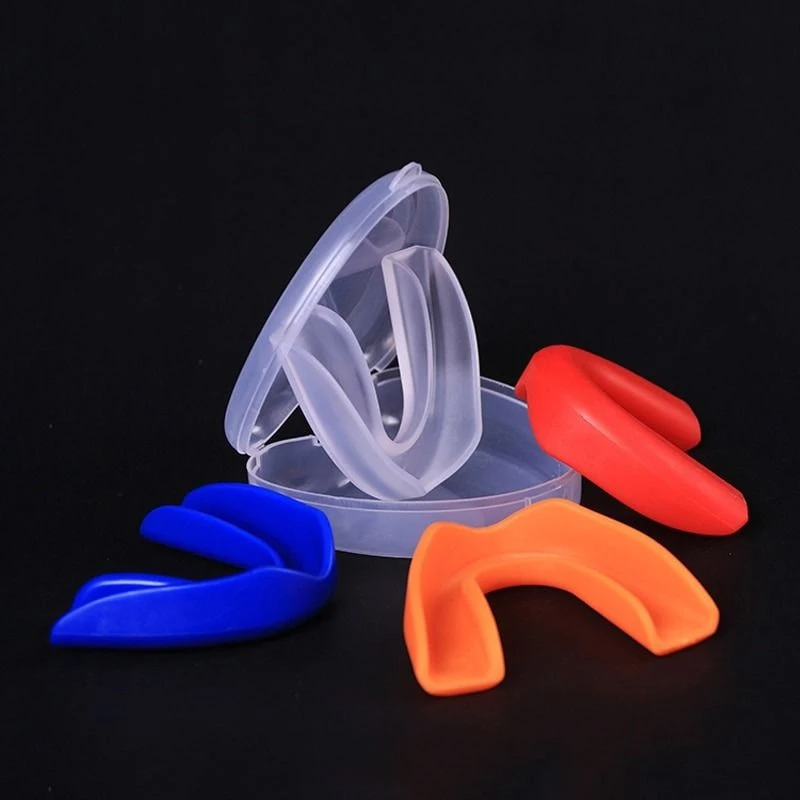
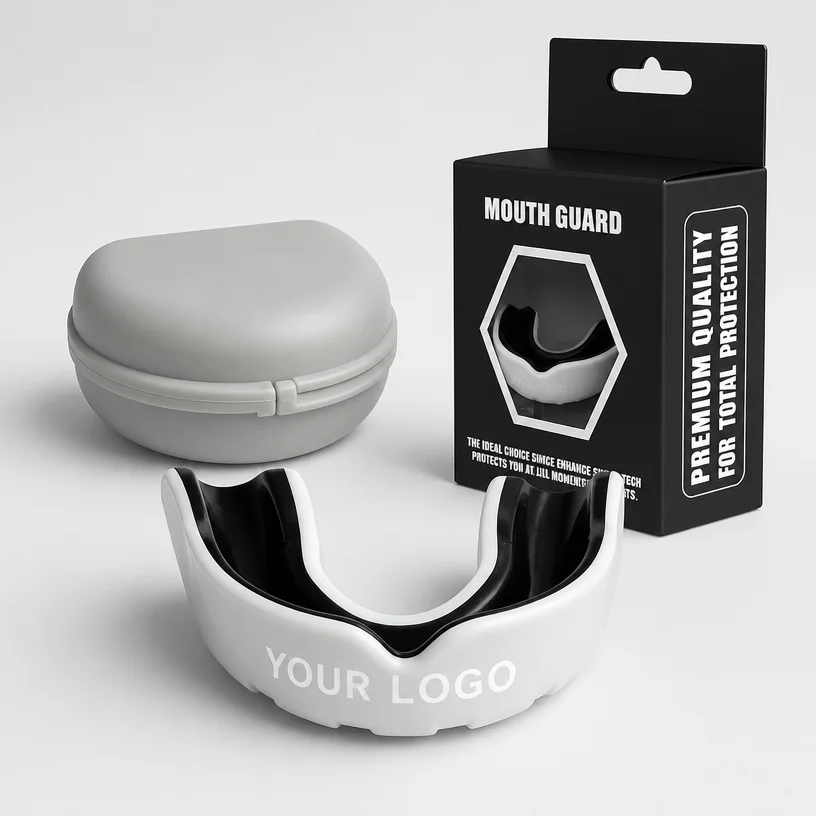
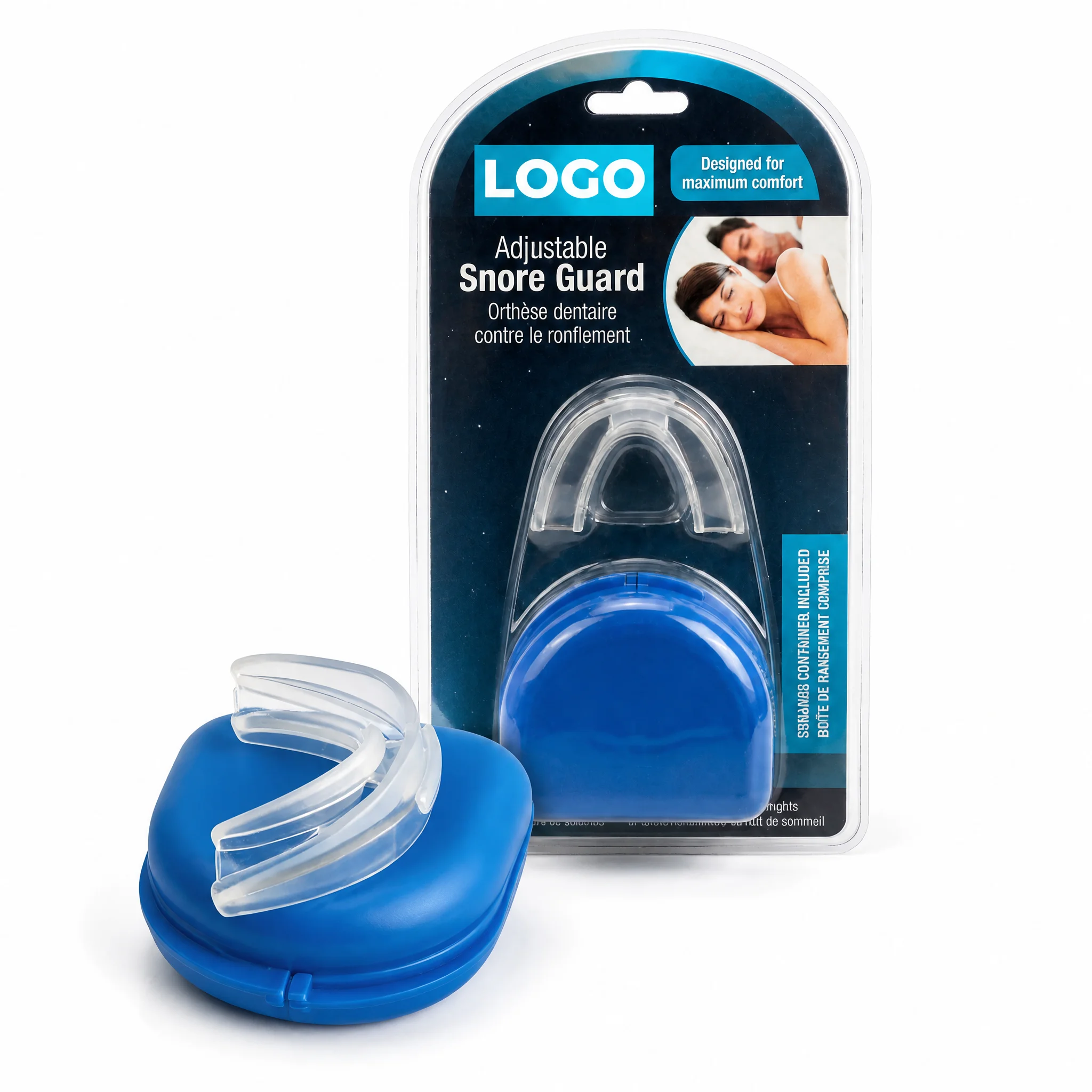
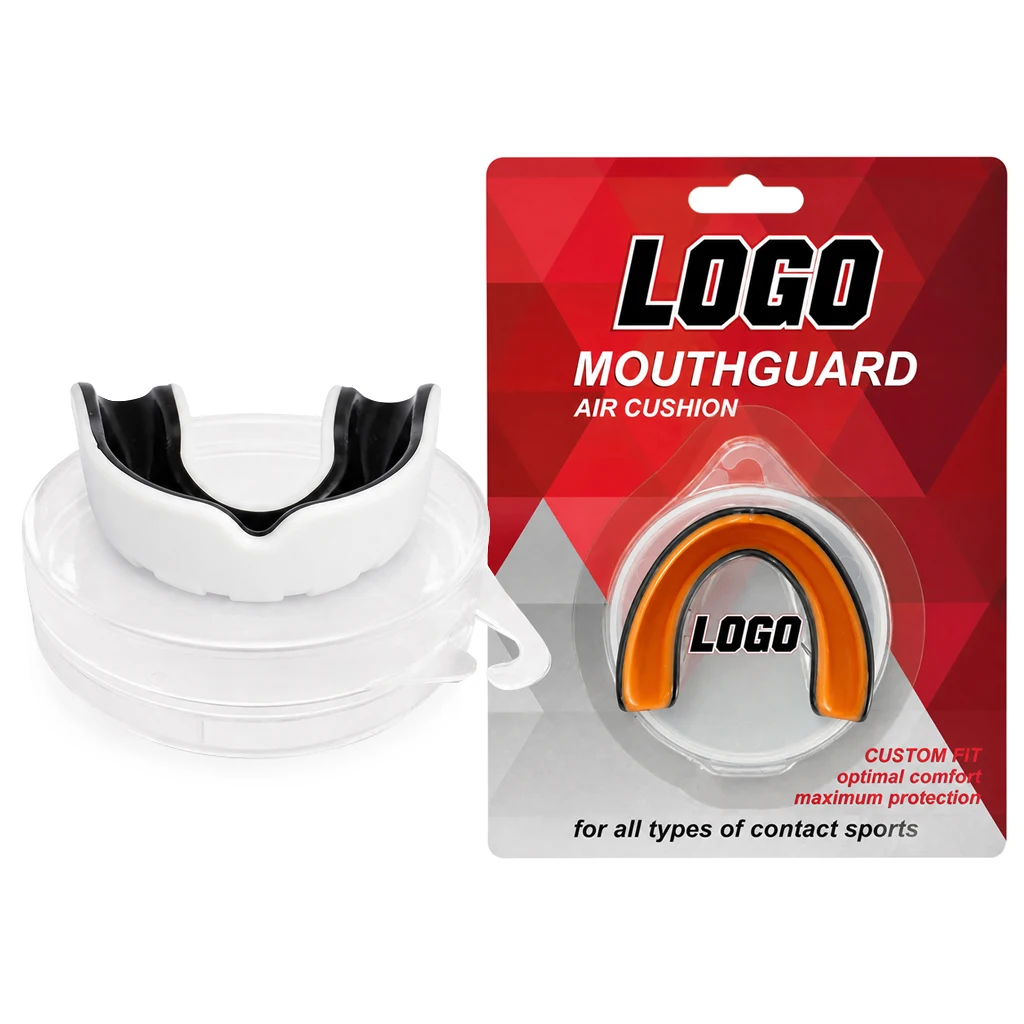
Professional sourcing of thermoform mouth trays starts by converting a broad product name into a documented purchasing brief. Xiamen Yizhou Imp. & Exp. Co., Ltd. serves buyers across oral-product categories, including dental whitening trays, sports mouthguards, and snoring-related mouthpiece products. For a wholesale inquiry, the most productive next step is to share the intended application, channel, material and packaging expectations, and any documentation your team needs to review.
In short, do not select thermoform mouth trays solely from a catalog image or a unit quote. Compare the quality of the information, the sample-review process, and the supplier’s ability to respond to your confirmed requirements. That creates a more practical basis for wholesale planning while keeping unverified product claims out of the final listing.


 Hot News
