 EN



Why Is A Custom Wrestling Mouthpiece For Braces Essential For Impact Protection?
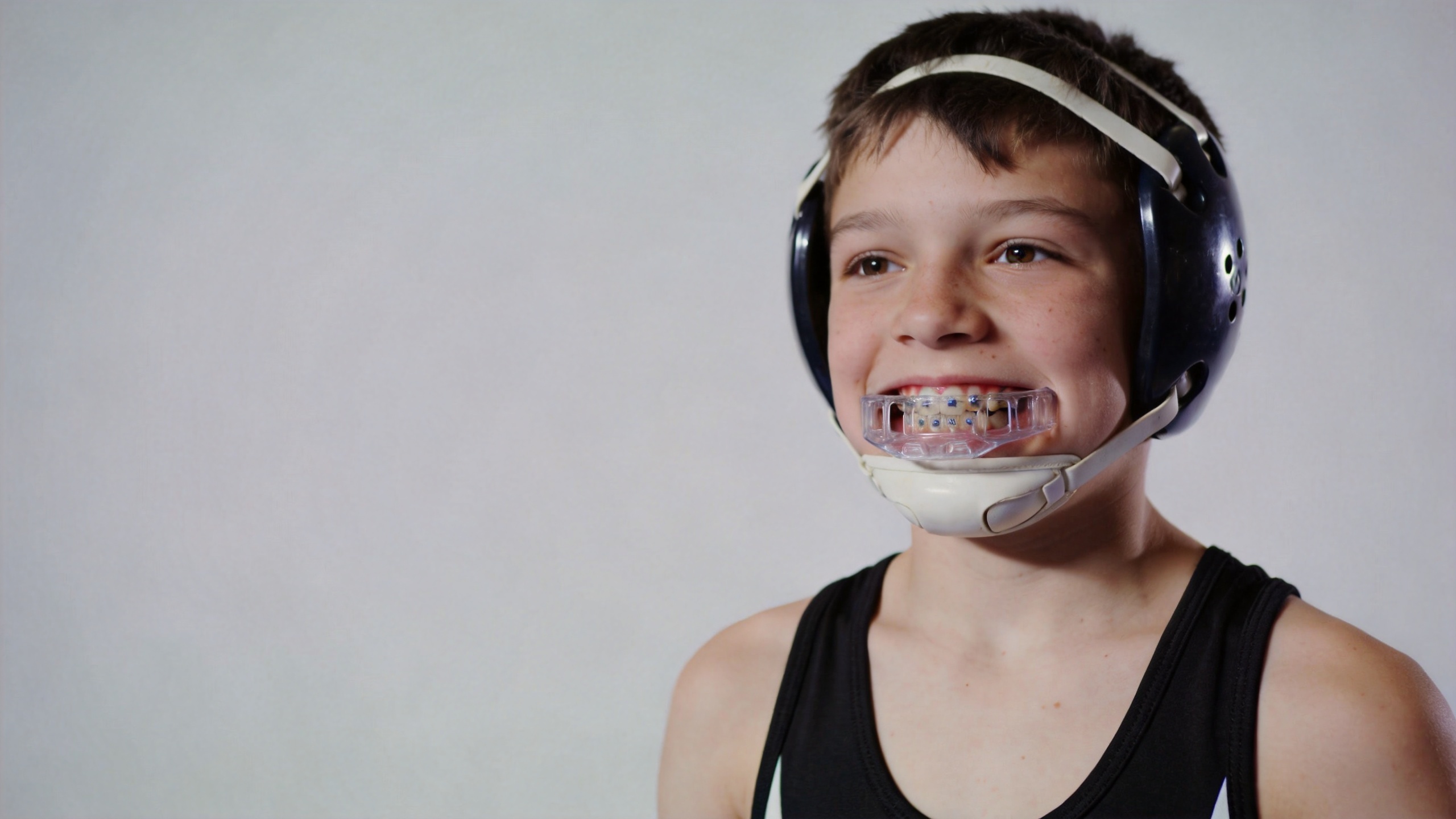
Wrestling puts athletes in close contact, where an accidental elbow, shoulder, or fall can turn into a direct hit to the mouth. That risk deserves extra attention when brackets and wires are in place. A wrestling mouthpiece for braces is not simply a softer version of a standard guard. It needs room to cover orthodontic hardware, cushion the lips and cheeks, and stay practical enough for hard practices and long tournament days.
From a dental-channel content perspective, the useful question is not “Which guard sounds strongest?” It is whether the guard creates a protective barrier around the athlete’s current orthodontic setup without causing painful pressure or slipping during movement. The American Dental Association recommends properly fitted mouthguards for sports with a risk of dental or facial injury. That is useful general guidance; it is not a substitute for an athlete’s orthodontist or dentist.
Braces Change the Consequences of a Mouth Impact
Teeth can be injured in any collision, but braces add edges and hardware that can contact the inside of the lips and cheeks. A blow may press soft tissue against brackets, disturb a wire, or make a small contact injury more uncomfortable. The aim of a wrestling mouthpiece for braces is therefore broader than tooth coverage alone: it should help separate soft tissue from the appliance while absorbing and spreading some of the force of an impact.
It is tempting to judge a guard by bulk alone. More accurately, protection depends on the relationship between coverage, retention, edge shape, and the athlete’s mouth at that stage of treatment. Orthodontic movement can change fit over time, so a guard that felt comfortable early in a season may need to be reassessed after adjustments.
Why a Custom Fit Matters on the Mat
A custom fit matters because wrestling involves repeated motion, changes in breathing rate, speaking with coaches, and quick transitions. If a guard lifts when the athlete opens their mouth or is easy to dislodge, it may be less likely to stay in place when contact happens. A fit designed around braces should leave appropriate clearance over brackets rather than pressing sharply against them.
Custom fitting still needs individual review for every athlete. The design, material, current orthodontic stage, and instructions for use still need to be reviewed. In practice, a well-considered fit gives the athlete a better chance of wearing the mouthpiece consistently instead of treating it as equipment to remove between drills.
Coverage and clearance work together
Ask how the mouthpiece covers the upper appliance and, if braces are present on both arches, whether it is appropriate for that situation. Do not assume one design meets every rule or clinical need. Some school wrestling materials and NFHS-related guidance indicate that athletes with braces may need a tooth and mouth protector, but exact requirements can vary by association, age group, and appliance location. A coach, athletic trainer, or local governing body can clarify the applicable rule before competition.
Clearance is equally important. A guard should not create a painful pressure point over a bracket or wire. If a wire is newly adjusted, loose, or irritating tissue, the athlete should address that issue with the orthodontic office rather than trying to force the mouthpiece to compensate.
What “Premium Protection” Should Mean in Real Use
The phrase premium protection should lead to practical questions, not an unverified promise. Is the guard made for contact-sport use? Does it sit securely after a warm-up? Can the athlete breathe comfortably enough to follow coaching instructions? Are the edges smooth against the lips and cheeks? Those are more useful checks than broad claims that any mouthpiece can prevent all injuries.
A sensible inspection routine can reveal problems before a match. Look for tears, thinning, sharp edges, persistent odor after cleaning, or a fit that has noticeably changed. A worn guard may no longer sit as intended. For athletes in active orthodontic treatment, it is also sensible to bring the mouthpiece to a dental or orthodontic appointment when fit is in doubt.
A Pre-Practice Checklist for Wrestlers With Braces
- Confirm stable placement. Put the guard in before drills begin and check whether it stays seated without being held in place.
- Check for bracket pressure. Any sharp, repeated pressure against a bracket, wire, lip, or cheek deserves attention before contact practice.
- Test breathing and speech. A guard should not create avoidable distress during controlled movement or make essential communication impossible.
- Review team requirements. Confirm local rules with the coach or event authority, especially if braces are on upper and lower teeth.
- Clean and store it properly. Rinse according to the maker’s instructions, let it dry, and use a ventilated case so it is ready for the next session.
Choosing and Reviewing the Right Option
For families, coaches, and dental-channel buyers, the decision should move from product labels to a short review process. Start with the athlete’s sport, current braces, and local competition requirements. Then ask for clear information about intended use, fit process, material care, and replacement guidance. If those details are missing, that information gap matters more than a long list of generic marketing terms.
For a team or resale program, separate what is confirmed from what still needs verification. A supplier may be able to discuss available formats or customization options, but claims about clinical suitability, exact protective performance, or rule compliance should be backed by current documentation. This keeps purchasing conversations clear for wholesalers, clinics, pharmacies, and sports programs alike.
Questions to Ask Before Ordering a Wrestling Mouthpiece for Braces
Use these questions to turn a general product search into a safer review conversation. They are useful whether a family is buying one wrestling mouthpiece for braces or a sports program is comparing several options.
| Question | Why it matters for a wrestling mouthpiece for braces |
|---|---|
| Is this wrestling mouthpiece for braces intended to cover the athlete’s current appliance? | Coverage should be checked against the braces actually in place, not a generic product label. |
| How is custom fit achieved for this wrestling mouthpiece for braces? | A custom fit should be assessed for retention, clearance, and comfort during movement. |
| What should change after an orthodontic adjustment? | The wrestling mouthpiece for braces may need to be rechecked if the appliance or the athlete’s bite has changed. |
| What care and replacement guidance is supplied? | Premium protection depends on a clean, undamaged guard that still fits as intended. |
For a wrestler, the practical test is simple: does the wrestling mouthpiece for braces stay seated through a controlled warm-up, feel free of sharp bracket pressure, and allow normal-enough breathing? If the answer is uncertain, pause before contact practice and seek professional guidance. A custom fit is valuable when it supports those checks; it is not a reason to ignore discomfort.
Frequently asked questions
Can any sports guard become a wrestling mouthpiece for braces? Not necessarily. A wrestling mouthpiece for braces should be evaluated for orthodontic coverage, current fit, and the rules that apply to the athlete’s event. A guard designed without room for braces can create discomfort or fail to cover the area that needs attention.
How often should a wrestling mouthpiece for braces be checked? Check a wrestling mouthpiece for braces before each practice or match for damage, rough edges, and secure placement. Ask the orthodontic office about a new review after appliance changes or if a guard begins to feel tight, loose, or painful.
Does a custom fit mean premium protection? A custom fit can improve comfort and retention, but it cannot remove every injury risk. Premium protection is best understood as a careful combination of suitable design, correct use, routine inspection, and current professional advice.
Does a wrestling mouthpiece for braces replace a dental check? No. A wrestling mouthpiece for braces is protective equipment, not treatment. If there is a loose wire, mouth injury, pain, or a concern about fit, the athlete should contact a dental professional. That boundary is particularly important after contact that has moved or damaged orthodontic hardware.
What should a team buyer document? For each wrestling mouthpiece for braces, record the intended sport use, available fit information, care instructions, and any relevant rule checks. This creates a clearer purchasing trail than relying on broad premium protection claims alone.
The Bottom Line
A wrestling mouthpiece for braces is essential because it addresses a specific impact scenario: contact can affect teeth, soft tissue, brackets, and wires at the same time. A suitable, well-fitting guard can help create a buffer around orthodontic hardware and encourage reliable use through practice and competition. Before buying or competing, verify fit with the relevant dental professional and confirm the current rule with the athlete’s coach or governing body. Those three checks—fit, condition, and compliance—make protection planning much more useful than relying on a label alone.

 Hot News
