 EN



Are You Searching For A Professional-Grade Custom Logo Mouth Guard Manufacturer?
If you are evaluating a custom logo mouth guard manufacturer, the first question is not simply, “Can you add our logo?” A useful supplier conversation separates branding, product-use boundaries, documentation, and approval controls. For wholesalers, online sellers, clinics, and pharmacies, that distinction can reduce rework long before a purchase order is issued.
This is written from a procurement lead’s point of view. It does not assume that every mouth guard is suitable for every user or purpose. Instead, it shows how to build a clear request for a professional-grade custom logo mouth guard program and how to compare supplier responses without turning unverified claims into promises.
Start With the Use Case, Not the Artwork
A logo file is important, but it is only one part of a custom project. Begin by writing down the intended category: sports protection, a retail-branded product line, a channel sample, or another defined application. Ask the manufacturer to confirm what product information is available for that category, including the intended use, sizing or fit information, material documentation, care instructions, packaging details, and traceability documents.
This matters especially when a buyer mentions bruxism relief. Bruxism can involve individual dental and health considerations. A supplier’s product information should not be presented as a diagnosis, treatment, or a promise of relief. For individual needs, buyers and end users should seek advice from a qualified dental professional. In a B2B brief, it is more accurate to request the product’s confirmed intended-use wording and any approved labeling rather than imply a clinical outcome.
What “Professional-Grade” Should Mean in a Supplier Brief
“Professional-grade” can mean different things to different buyers. To make it useful, convert it into verifiable checkpoints. The goal is not to demand a vague premium label; it is to specify the information and controls your channel needs before launch.
- Product definition: Ask for the confirmed product category, intended-use statement, available size or fit options, and clear exclusions.
- Branding scope: State whether the custom logo mouth guard needs a printed mark, molded mark, color treatment, branded case, insert, or outer packaging. Request artwork specifications and a proof process.
- Sample approval: Define who approves color, logo placement, legibility, packaging copy, and the final reference sample before mass production.
- Documentation: Request the records that are relevant to your market and product claim set. Do not treat a generic statement as evidence of certification, testing, or regulatory clearance.
- Change control: Ask how artwork, materials, packaging, and production changes are communicated after the sample is approved.
A supplier that answers these questions clearly gives your team something practical to compare. A supplier that gives only broad assurances may still be worth further discussion, but the missing items should remain open verification tasks.
OEM/ODM: Clarify the Service Before You Compare Quotes
OEM/ODM is often used as shorthand for customization, yet the actual work can vary. OEM may refer to producing an item to a buyer’s approved brand and specification. ODM may involve a supplier-developed base design adapted for a buyer. Those labels alone do not explain what is included, who supplies the artwork, whether structural changes are possible, or what needs a new approval cycle.
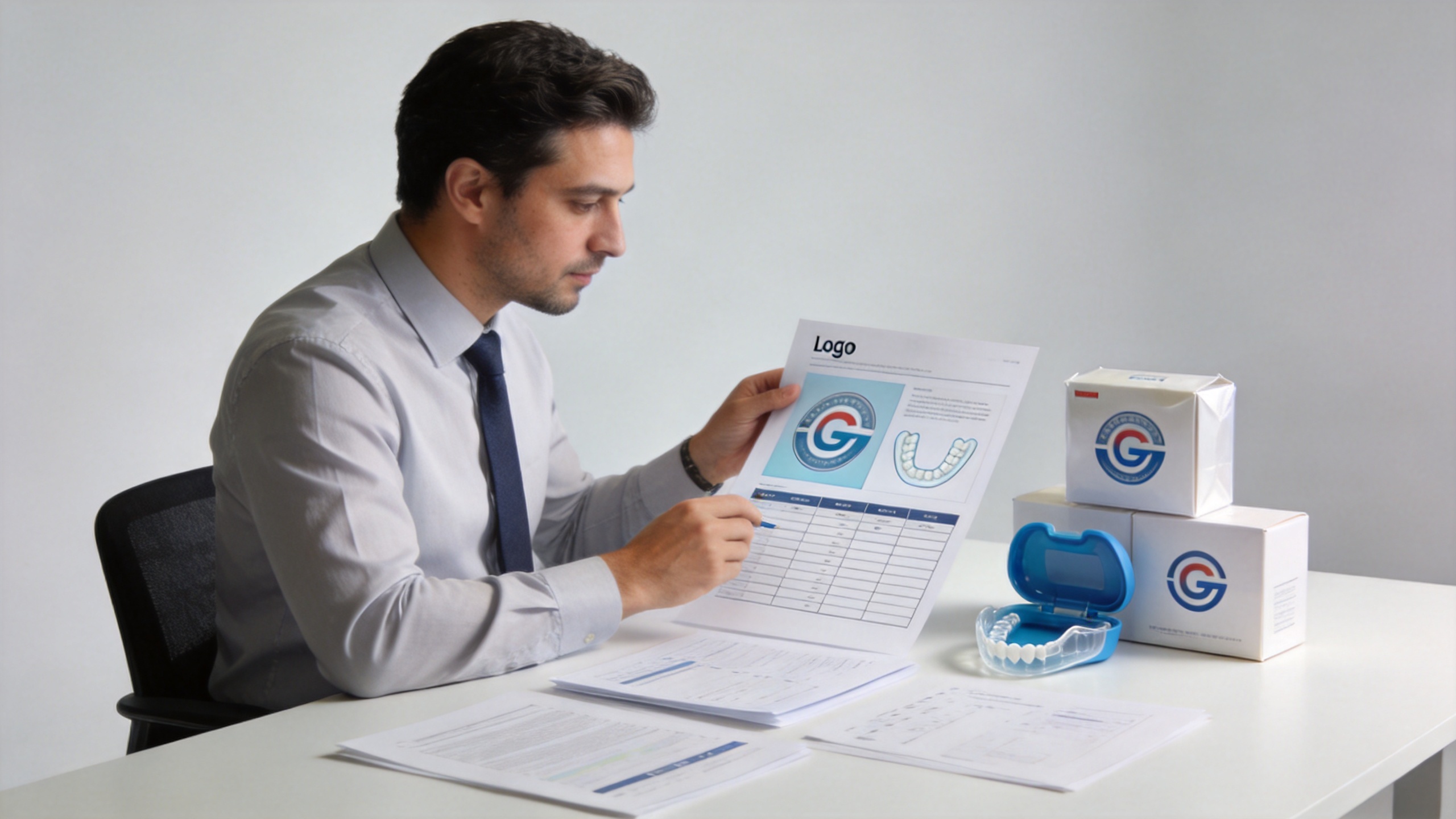
For a custom logo mouth guard request, ask the supplier to map the project in plain language: what is already defined, what can be customized, what must be reviewed, and which choices affect timing or cost. A reliable comparison table should include the logo application method, artwork format, color references, sample route, packaging options, labeling responsibilities, order quantity assumptions, and the documents available for review.
| Procurement question | Why it matters | Evidence to request |
|---|---|---|
| How will the logo be applied? | Visual results and approval needs vary by method. | Artwork guideline and pre-production proof. |
| What does the base product description confirm? | Prevents branding claims from being confused with performance claims. | Current specification sheet and intended-use wording. |
| What is the sample approval sequence? | Protects against avoidable color, placement, and packaging rework. | Sample checklist, photos, and signed approval record. |
| Which documents are available for the target channel? | Supports transparent review by distributors, clinics, and marketplaces. | Document list with scope, dates, and applicable product identifiers. |
Evaluate Supplier Communication as Carefully as the Logo
For cross-border purchasing, clear language is a quality signal. A useful manufacturer distinguishes confirmed facts from items still to be verified. For example, “we can review your requested packaging configuration” is more credible than an unqualified promise when no packaging specification has been approved yet.
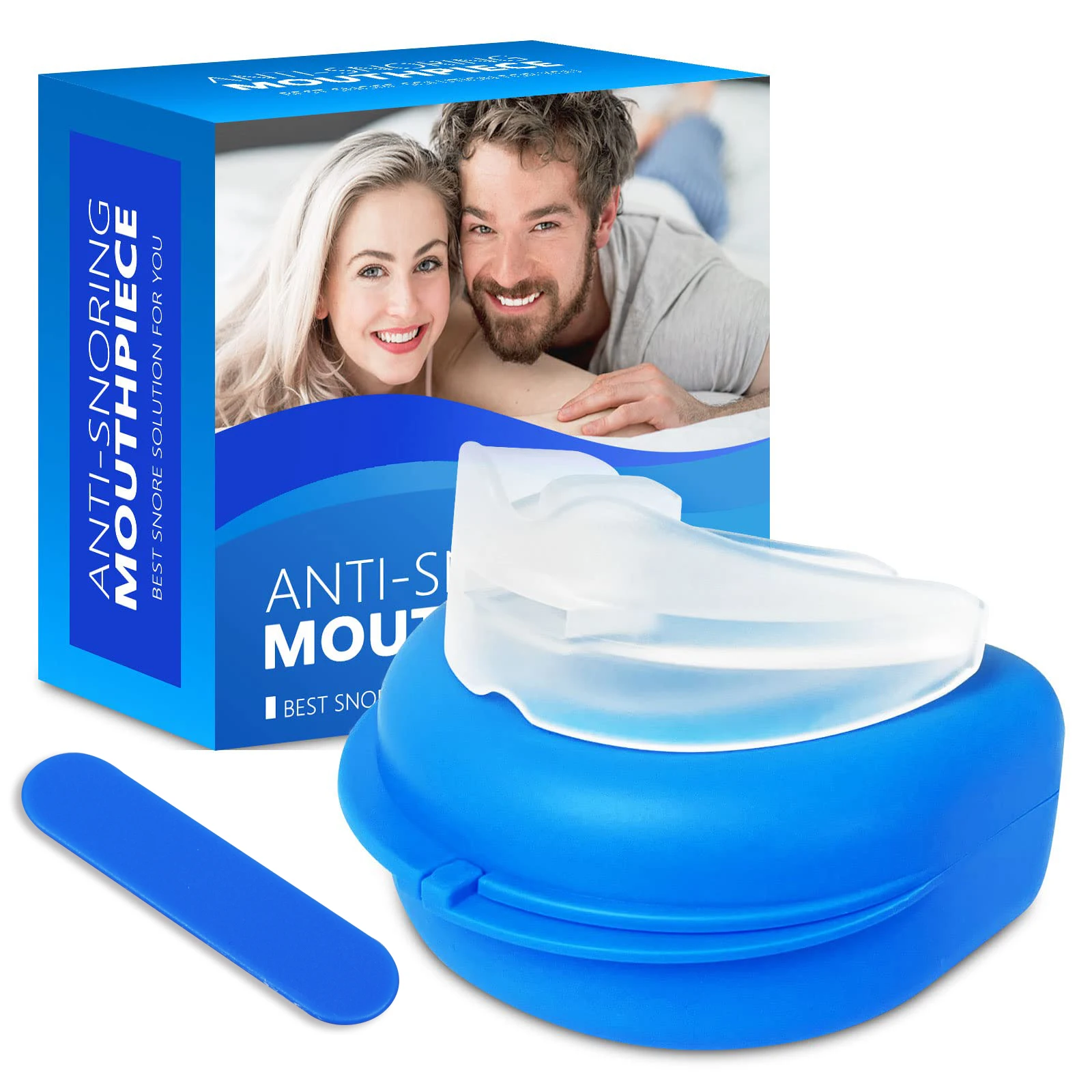
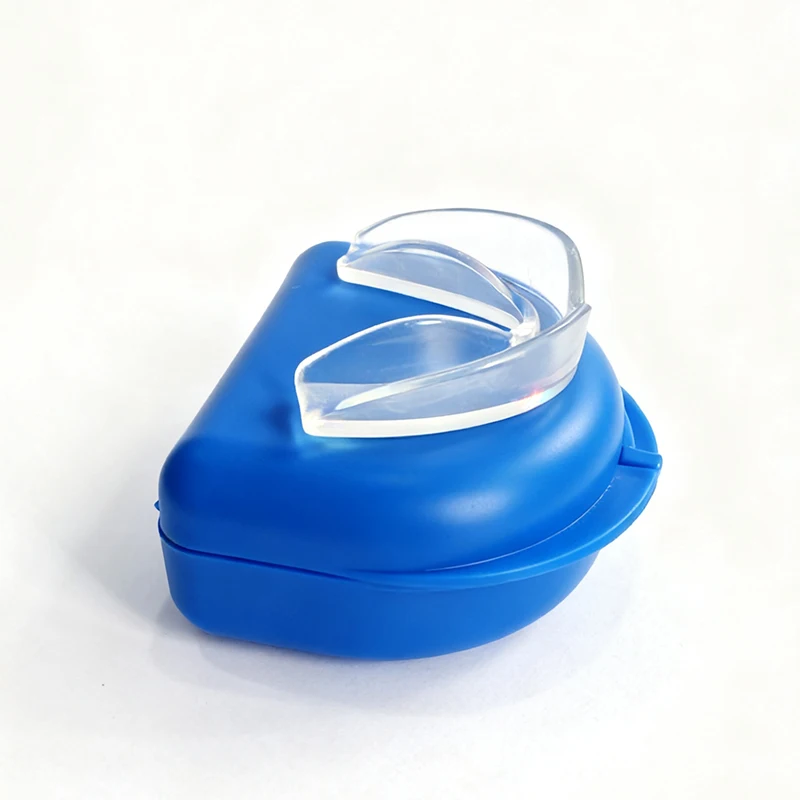
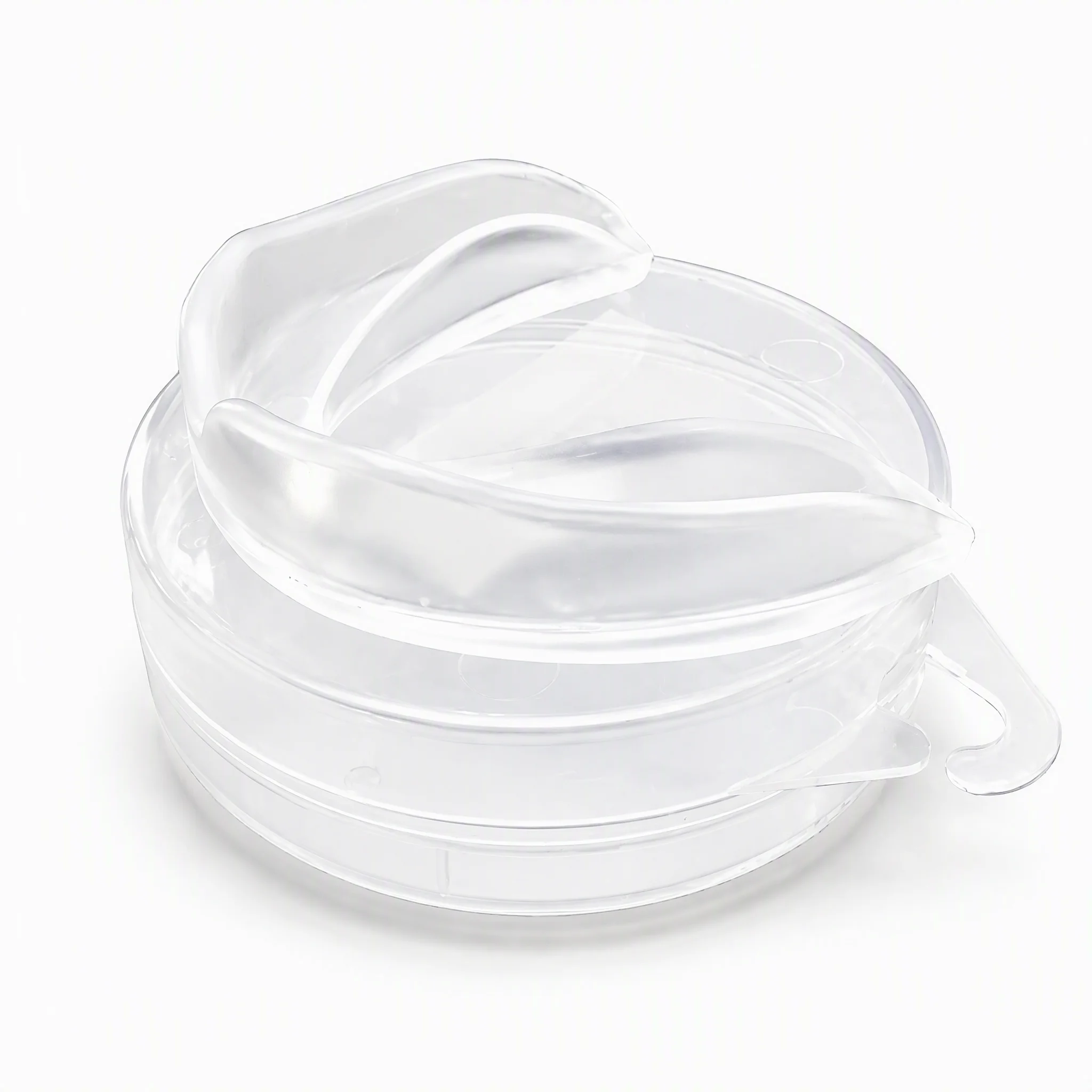
Xiamen Yizhou Imp. & Exp. Co., Ltd. identifies wholesalers, e-commerce platforms, offline clinics, and pharmacies among its intended audiences, and its disclosed product scope includes snoring mouthpieces, sports mouth guards, and dental whitening trays. That makes a structured inquiry valuable: different channels may need the same underlying facts in a different order. A marketplace may prioritize listing copy and packaging fields, while a clinic or pharmacy may need more careful product-boundary and documentation review.
When reviewing a response, keep the questions short and specific. Ask which details are confirmed today, which require a sample or engineering review, and which information the buyer must provide. This approach helps you avoid overstating capabilities that have not been documented for your exact custom logo mouth guard configuration.
A Practical Request Checklist for a Custom Logo Mouth Guard
- Describe the product category and intended channel before discussing design.
- Provide the logo in the requested editable format and state any color references.
- List the branding surfaces you want reviewed: product, case, insert, carton, or other packaging.
- Ask for a written outline of the OEM/ODM scope, including what stays standard and what changes.
- Request a sample plan with checkpoints for artwork, color, placement, packaging copy, and final approval.
- Ask for available product and quality documentation, then verify whether it applies to the exact item and market you plan to serve.
- Keep health-related language, including bruxism relief, separate from general branding claims unless a qualified professional and appropriate substantiation support the wording.
- Document approved details and require notice before any material, artwork, or packaging change.
Questions to Ask Before Selecting a Manufacturer
Can the supplier explain the customization path?
A good answer identifies the inputs needed from the buyer, the review stages, and the output at each stage. It should not rely only on a broad statement that “customization is available.” For a custom logo mouth guard, request the artwork checklist and the approval record that will govern production.
Does the response separate evidence from marketing?
Look for careful wording about product information, quality documentation, testing, and market requirements. If a claim needs verification, mark it as such. This protects both the supplier relationship and your downstream product communication.
Can the manufacturer support your channel’s information needs?
Wholesalers, e-commerce teams, clinics, and pharmacies may ask for different materials. A suitable fit is not necessarily the supplier with the longest capability list; it is the supplier that can help organize confirmed information, identify gaps, and keep packaging and product-page statements aligned.
Make the First Inquiry Easier to Approve
Send a concise brief rather than a one-line request for a “professional” mouth guard. Include the intended use, target channel, logo files, visual requirements, packaging request, quantity assumptions, desired sample route, and documentation questions. Then ask the manufacturer to respond in three sections: confirmed scope, items needing review, and information needed from your team.
That simple format gives you a sound basis for comparing a custom logo mouth guard manufacturer. It also keeps branded-product planning grounded in evidence. If the project touches health-associated needs such as bruxism, preserve the boundary between a product discussion and individualized professional advice. With those controls in place, your logo, packaging, and OEM/ODM conversation can move forward with fewer assumptions and a clearer approval trail.


 Hot News
