 EN



Why Is A Custom-Fit Mouth Guard Anti Grinding Crucial For Nighttime Protection?
People often look for a mouth guard anti grinding solution after waking with a tired jaw, worn tooth edges, or a partner’s report of nighttime noise. The practical question is not whether a guard can diagnose the cause of grinding. It cannot. The question is whether a carefully fitted barrier can help protect teeth and make nighttime use more manageable while the person considers professional advice. That distinction matters for users, clinics, retailers, and every wholesale buyer planning a responsible product range.
As an oral-health product selection advisor, I start with the use situation rather than a generic promise. A mouth guard anti grinding is intended to sit between the upper and lower teeth during sleep. When fit, retention, thickness, edge finish, and care instructions are appropriate, it may help limit direct tooth-to-tooth contact. It is not a substitute for an individual dental assessment, and it should not be marketed as a certain way to stop bruxism.
What nighttime grinding can mean
Bruxism is commonly used to describe tooth grinding, clenching, or jaw thrusting, sometimes without the person noticing it. The National Institute of Dental and Craniofacial Research notes that severe bruxism may be associated with tooth damage, jaw pain or tiredness, and headaches. Those possibilities are reasons to seek professional guidance when symptoms persist; they are not a diagnosis based on a single symptom or product choice.
For that reason, a mouth guard anti grinding product should be explained as protective equipment, not a medical cure. The American Dental Association’s consumer guidance notes that a dentist may recommend a night guard to protect teeth while a person sleeps. The language is deliberate: a guard can be part of a protection plan, while the underlying contributors to grinding may still deserve attention.
Why custom fit changes the protection conversation
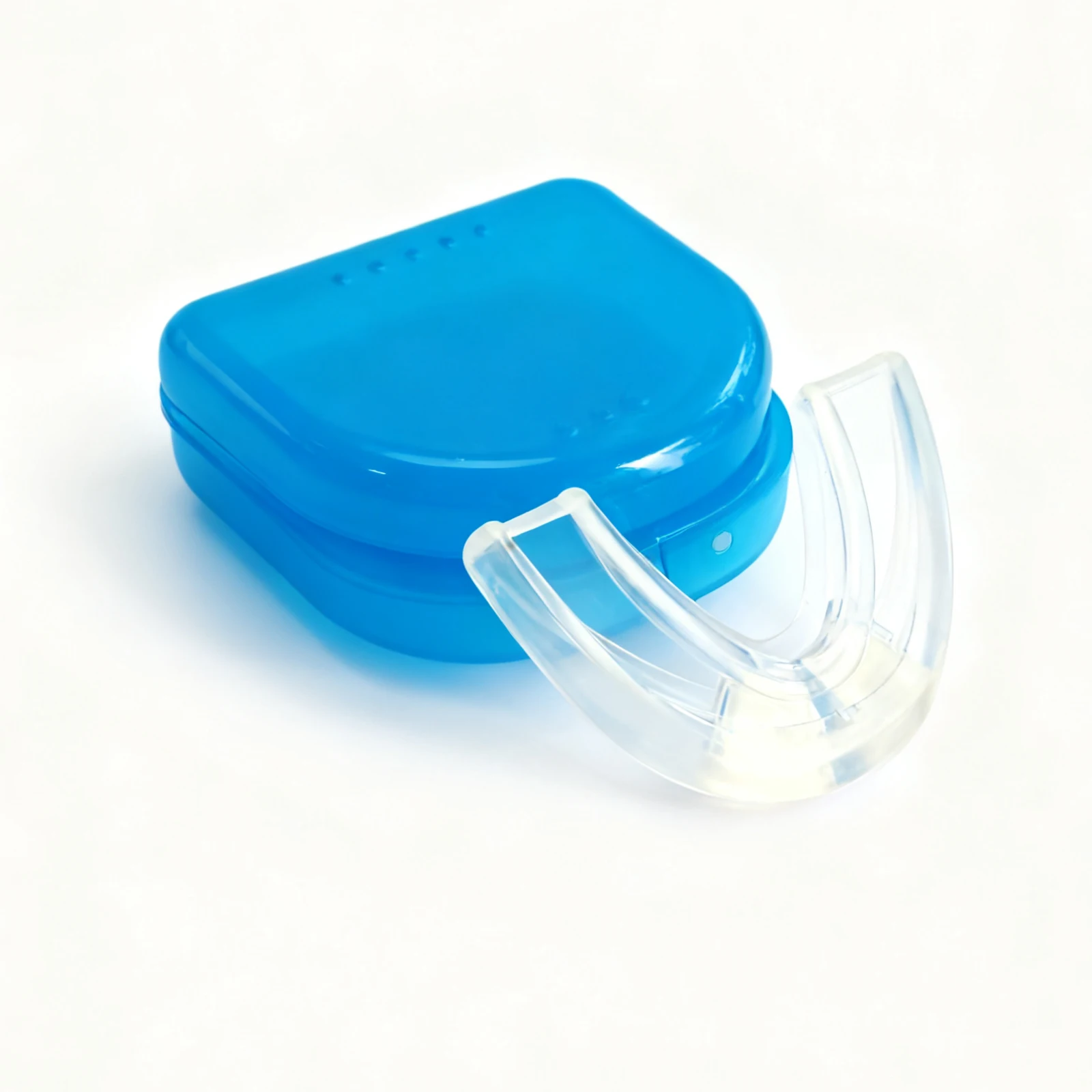
A generic guard can sound convenient, but nighttime wear is different from a short, occasional activity. A custom-fit mouth guard anti grinding design is crucial because it is made to follow the wearer’s dentition rather than asking the wearer to adapt to an oversized shape. Better adaptation can support retention, reduce distracting movement, and help the user place the guard consistently before sleep. The outcome still depends on the individual appliance and the professional fitting process.
Comfort is not a minor feature. If a guard feels bulky, pinches soft tissue, falls out, or interferes with breathing, a user may simply stop wearing it. In that case, even a durable-looking mouth guard anti grinding option cannot provide meaningful nighttime protection. A night guard should stay in position without forcing the wearer to clench to keep it there.
Fit also supports clearer communication. Instead of saying that one design suits everyone, a responsible product page can explain that impression quality, appliance design, and follow-up matter. This boundary is particularly important in health-adjacent content: a product description should not turn a comfort claim into an unverified promise about pain, sleep, or treatment outcomes.
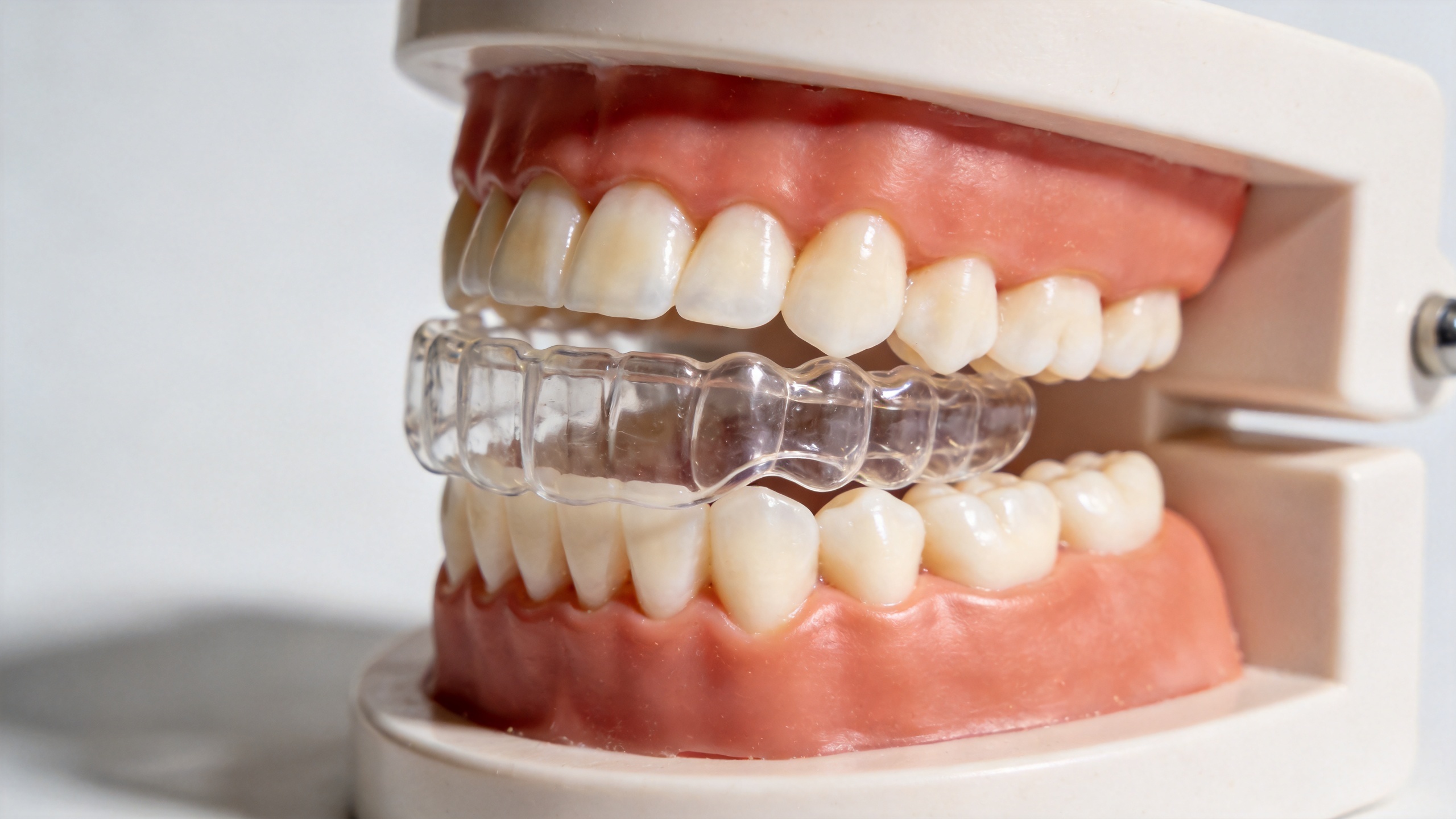
Protection depends on separation, retention, and appropriate design
The basic purpose of a mouth guard anti grinding appliance is straightforward: it creates a physical separation between opposing teeth. That can help reduce direct contact associated with nighttime grinding. However, “more material” does not automatically mean better protection. The correct design should be determined by the intended use, the wearer’s condition, and professional judgment.
- Separation: The guard should provide a consistent protective layer between teeth rather than a loose cushion that shifts during sleep.
- Retention: A custom-fit night guard is more useful when it remains seated through normal sleep movement.
- Edge finish: Smooth, well-finished edges help reduce avoidable irritation and make routine wear easier to tolerate.
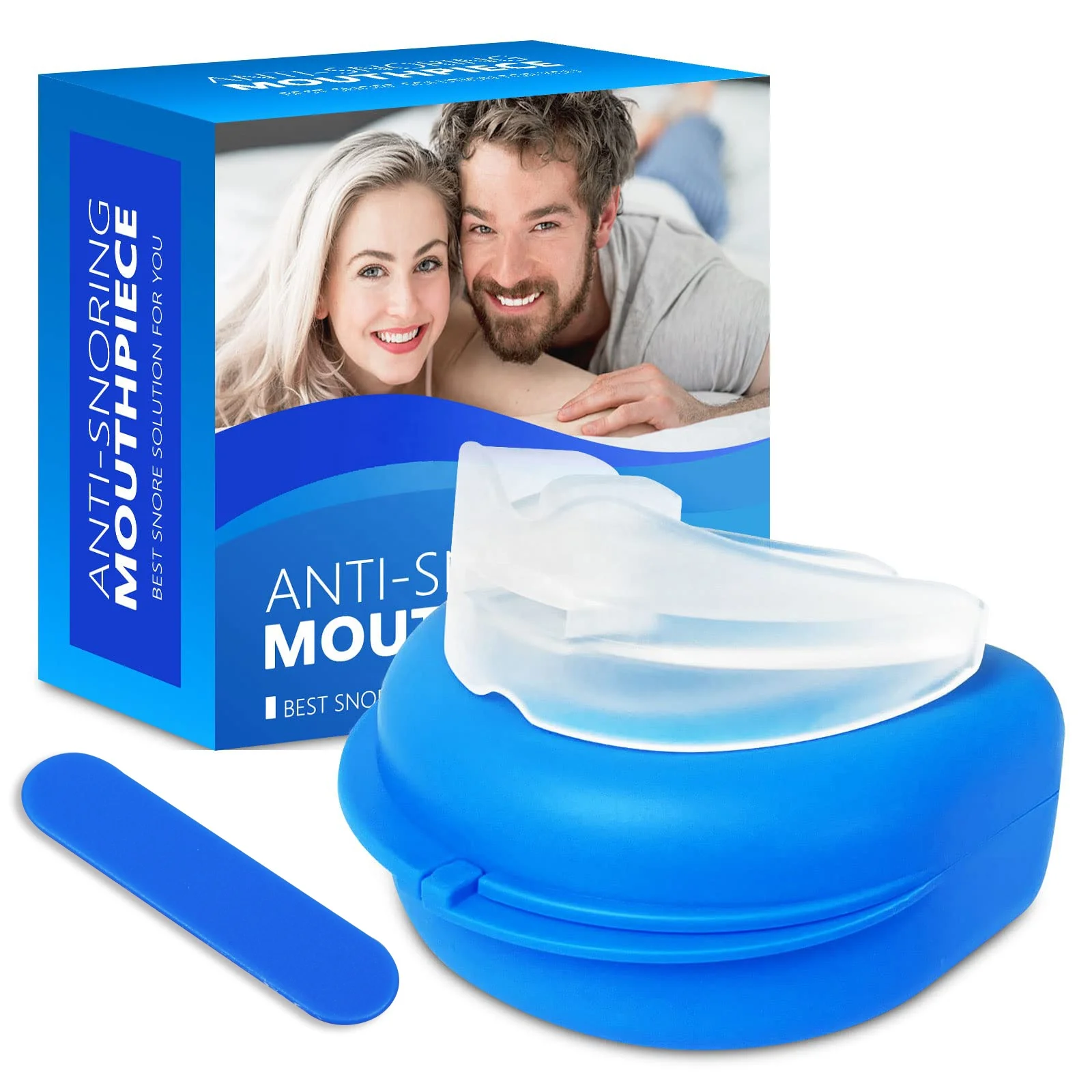
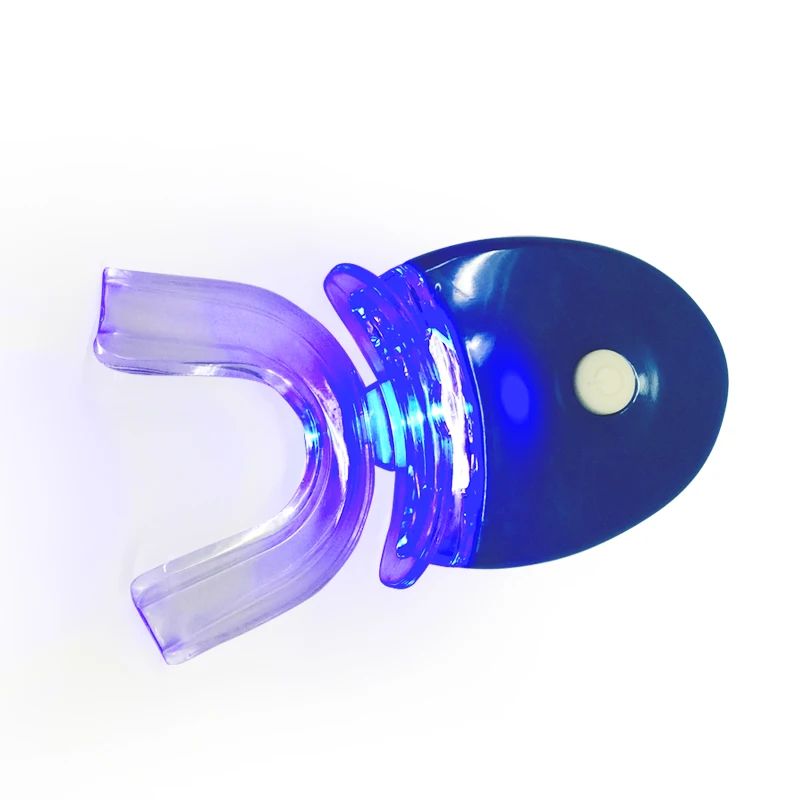
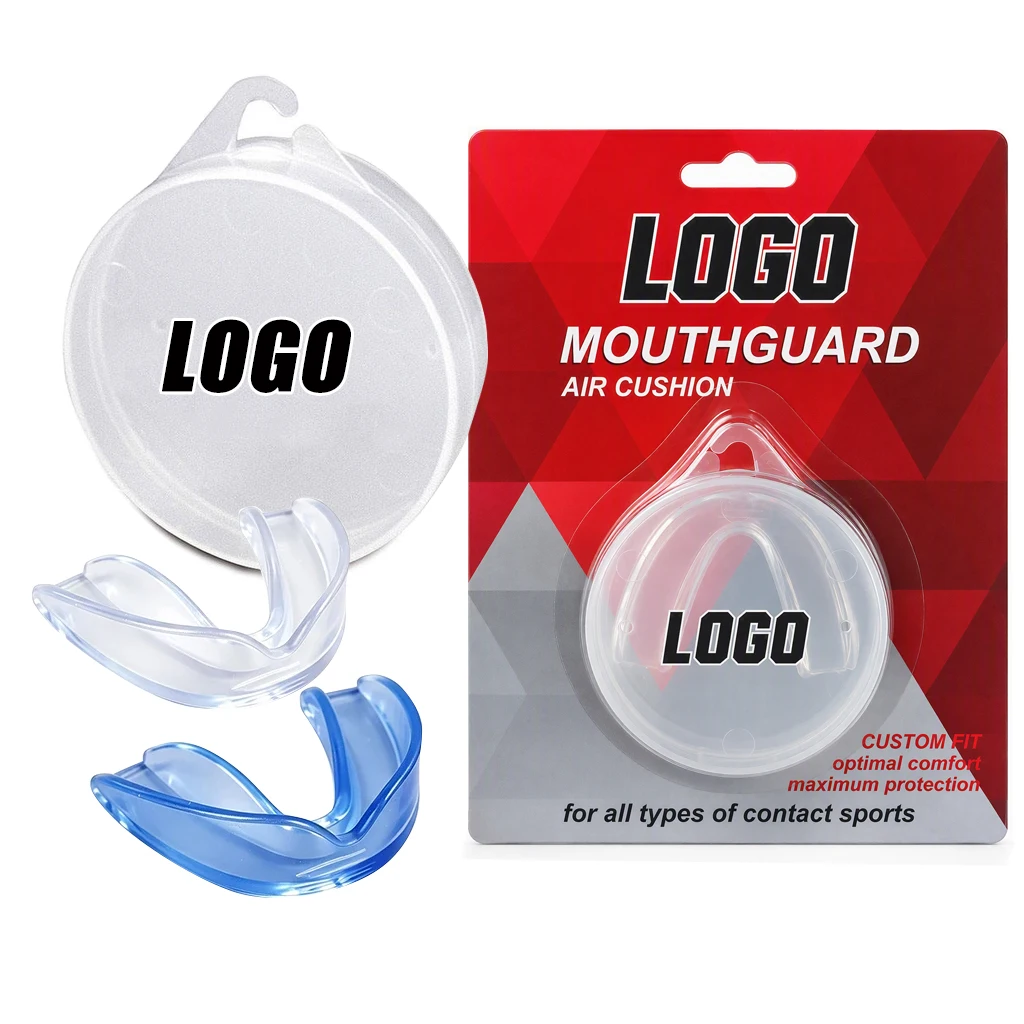
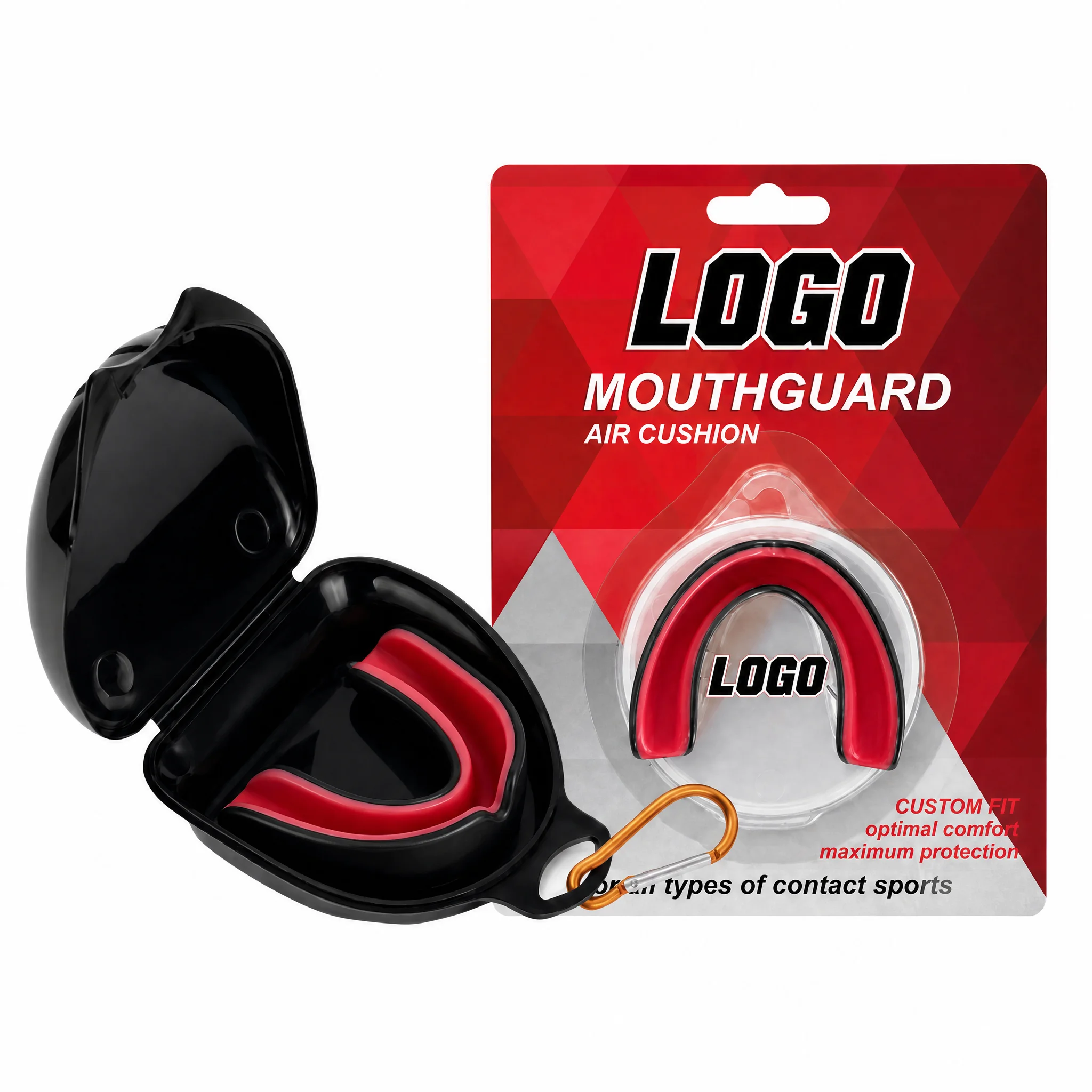
- Use boundaries: A mouth guard anti grinding product is not interchangeable with a sports mouthguard, whitening tray, or anti-snoring appliance.
That last point prevents a common purchasing error. Products that look similar can serve very different purposes. A night guard is used for nighttime tooth-contact protection; a sports guard is designed for impact scenarios; and other oral appliances may have entirely different indications. Clear categorization helps buyers avoid presenting one item as a universal mouth solution.
When a dental professional should be involved
A mouth guard anti grinding choice should not delay care when someone has cracked teeth, persistent jaw symptoms, changing bite sensation, frequent headaches, damaged restorations, or concern about sleep-related issues. These signs do not prove a specific condition, but they do warrant individualized evaluation. A dental professional can help determine whether a guard is appropriate, how it should fit, and whether another issue needs attention.
This is where the phrase night guard needs context. A night guard is a protective appliance worn during sleep, but it is not a diagnosis and does not replace the need to discuss persistent symptoms. Thoughtful content says both things: a mouth guard anti grinding product can be useful for protection, and a person with ongoing concerns should seek professional advice.
A wholesale checklist for a responsible nighttime range
For a wholesale program, a sound decision is rarely based on the lowest unit cost alone. Buyers should ask suppliers for documentation and confirm what is actually available before publishing a listing. A reliable mouth guard anti grinding assortment starts with transparent product information rather than broad performance claims.
- Confirm the intended use and make sure the listing says “nighttime grinding protection” rather than promising treatment or prevention of a condition.
- Request verifiable details about material, sizing or impression workflow, finishing, cleaning guidance, packaging, and labeling. Do not assume these details from product photos.
- Ask how fit concerns, remakes, and customer questions are handled, especially for a custom-fit mouth guard anti grinding offering.
- Keep sports, whitening, anti-snoring, and nighttime grinding products in separate categories so downstream retailers can explain use boundaries accurately.
- Review market-specific labeling and compliance requirements before distribution. Requirements vary, and a supplier statement should be checked rather than copied into sales content.
This approach is useful for online sellers, pharmacies, clinics, and distributors. It gives each channel a clearer way to discuss a mouth guard anti grinding product without overstating what it can do. It also creates a better handoff when a customer needs professional input.
How users can support safer nighttime use
Once a suitable guard has been provided or recommended, daily habits matter. Users should follow the supplied cleaning and storage instructions, inspect the appliance for changes, and avoid modifying it at home. A mouth guard anti grinding device that becomes damaged, distorted, uncomfortable, or loose should be reviewed rather than forced into service. Good hygiene and sensible storage also make it easier to notice when the appliance needs attention.
It is equally important to set expectations. Some people may notice that a night guard makes tooth contact feel less direct; others may need fitting adjustments or a different care plan. The responsible message is not “one guard fixes every case.” It is “use the right protective appliance, monitor how it fits, and seek qualified advice for persistent symptoms.”
Frequently asked questions
Is a mouth guard anti grinding product the same as a sports mouthguard?
No. A mouth guard anti grinding appliance is intended for nighttime tooth-contact protection, while a sports mouthguard is designed for impact-related use. The products should not be treated as substitutes without professional guidance.
Can a night guard cure teeth grinding?
No. A night guard may help protect teeth from direct contact, but it does not diagnose or guarantee treatment of bruxism. Persistent symptoms should be discussed with a dental professional.
What should a wholesale buyer verify first?
A wholesale buyer should verify intended use, fit workflow, materials, instructions, packaging, labeling, and any claims before listing a mouth guard anti grinding product for resale.
The bottom line
A custom-fit mouth guard anti grinding option is crucial for nighttime protection because fit affects whether the appliance stays in place, feels tolerable, and creates a consistent barrier between teeth. That benefit should be described with care: it is protection, not a promise of diagnosis or cure. For users and wholesale buyers alike, clear use boundaries, verifiable specifications, and professional guidance when symptoms continue are the strongest foundation for a responsible night guard decision.
 Hot News
