 EN



How Can High-Quality Plastic Mouth Guard Prevent Sleep Bruxism Damage?
Sleep bruxism can put repeated pressure on teeth, restorations, and jaw muscles without waking the person who is clenching or grinding. A plastic mouth guard cannot diagnose bruxism or remove its underlying cause, but a properly selected plastic mouth guard may create a protective barrier between upper and lower teeth. That barrier can help limit the direct tooth-on-tooth contact that contributes to wear. This article explains what a plastic mouth guard can realistically do, what quality means, and when dental guidance matters.
Start with the right expectation: protection, not a cure
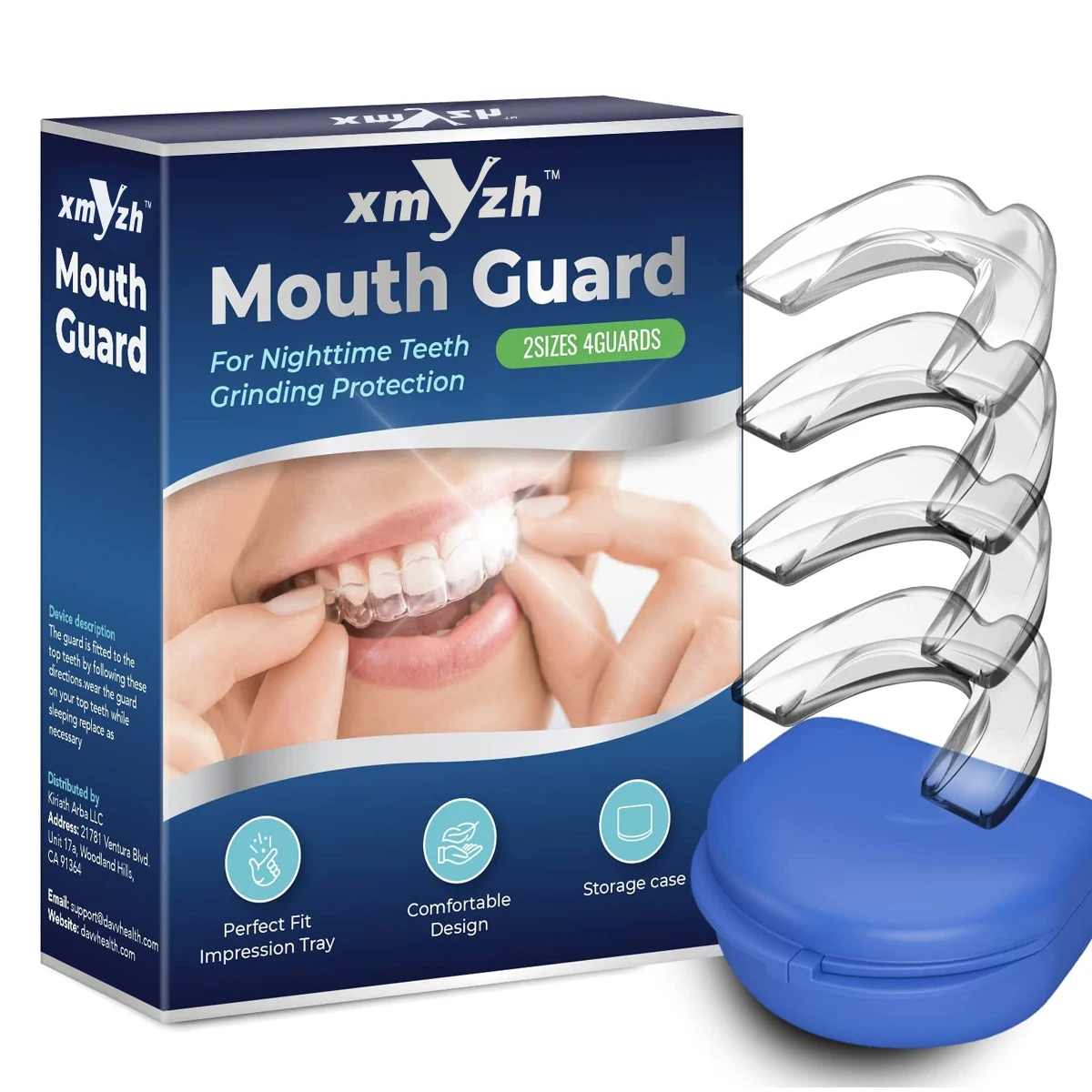
A plastic mouth guard is often called a night guard when it is intended for sleep. Its basic job is mechanical: it separates the biting surfaces while the wearer clenches or grinds. Dental sources commonly describe an occlusal guard as a way to help protect teeth from damage associated with grinding and clenching. That is useful, but it is not the same as claiming that every plastic mouth guard will stop bruxism, improve sleep, or fit every mouth.
Here it helps to separate three questions: what the product is designed to do, whether it fits and stays in place, and whether the person has symptoms that need professional assessment. If teeth are cracking, jaw pain is persistent, headaches are frequent, or sleep breathing is a concern, a dental professional should assess the situation rather than relying on a general article or an off-the-shelf plastic mouth guard.
How a protective barrier may reduce grinding-related damage
During sleep bruxism, the teeth may repeatedly meet under force. A well-fitting plastic mouth guard adds material between those surfaces. It may help spread contact across the guard instead of concentrating it directly on enamel, fillings, crowns, or veneers. In practical terms, the guard may take some of the visible wear that would otherwise occur on teeth.
The benefit depends on retention and coverage. A plastic mouth guard that shifts, feels sharp, is too bulky, or falls out during sleep may be less useful and may be hard to wear consistently. A very soft guard can feel comfortable to some users, while a more rigid design may be appropriate in other circumstances. The correct choice is individual; material thickness, bite design, and fit should not be presented as one-size-fits-all performance promises.
What “high quality” should mean for a plastic mouth guard
High quality is not just a polished look or a bold label. For a plastic mouth guard, it is better understood as a set of verifiable product and use factors:
- Fit and retention: the guard should sit securely enough for its intended overnight use without obvious rocking or pinching.
- Surface finish: edges should be smooth and comfortable rather than rough against gums, cheeks, or tongue.
- Coverage and intended use: the design should match the wearer’s situation instead of being confused with a sports protector or whitening tray.
- Clear care information: a plastic mouth guard needs understandable cleaning, drying, storage, and replacement guidance.
- Traceable product information: buyers should be able to ask about the stated material, instructions, packaging, and the limits of product claims.
These checks matter especially for a night guard used repeatedly. If the fit changes, the guard is cracked, or odor and surface damage persist after proper care, it is sensible to stop using it and ask a dental professional or supplier for advice.
Do not mix a night guard with other oral appliances
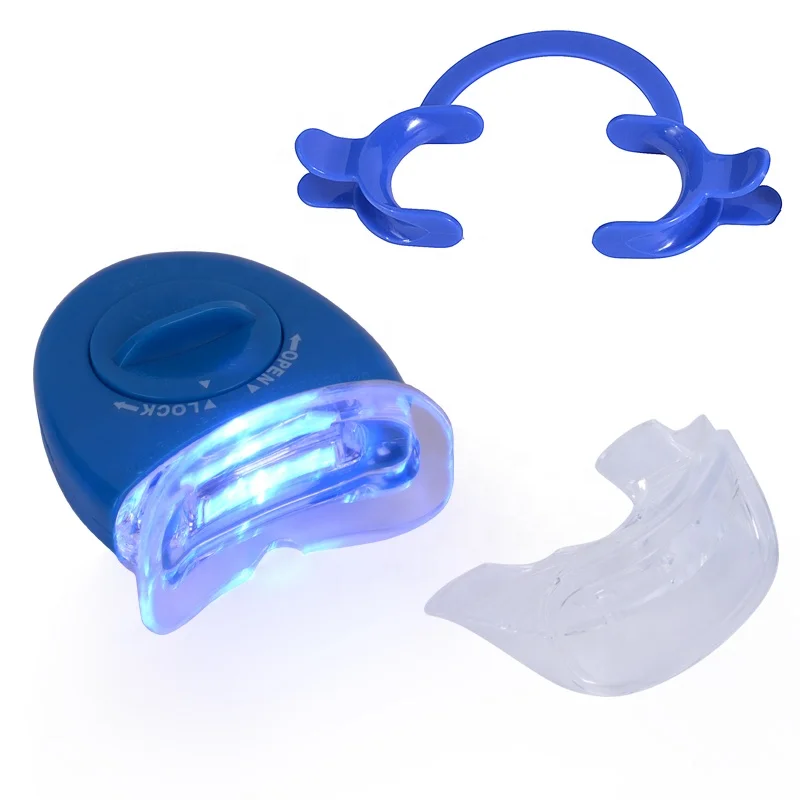
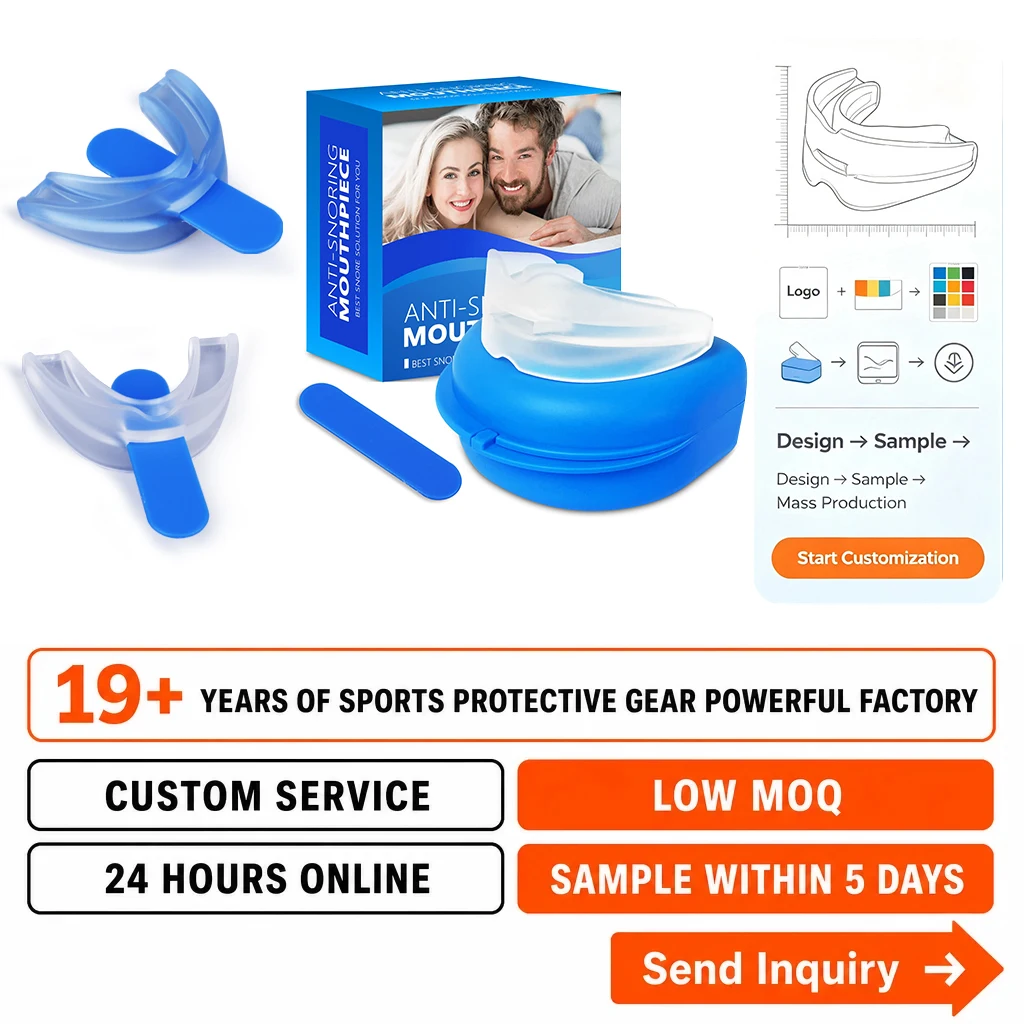
It is easy to call every oral device a plastic mouth guard, but use cases differ. A sports mouth guard is designed around impact protection. A whitening tray is intended to hold gel. An appliance marketed for snoring or airway concerns has a different purpose. A night guard for sleep grinding should be evaluated for bruxism-related tooth protection, not assumed interchangeable with those products.
For clinics, pharmacies, e-commerce teams, and wholesale buyers, this distinction affects product pages and customer communication. A wholesale request should clarify whether the channel needs a sleep-bruxism product, a sports protector, or another oral-care item. Clear labels reduce mismatched expectations and make it easier to present a plastic mouth guard responsibly.
A practical selection checklist
- Define the use case: is the customer seeking a plastic mouth guard for suspected nighttime grinding, sport, whitening, or another purpose?
- Confirm the fitting route: is it a standard ready-to-use product, a boil-and-bite option, or a professionally made appliance?
- Review the available instructions for wearing, cleaning, drying, storage, and when to replace the guard.
- Check for red flags such as loose teeth, significant pain, broken dental work, or possible sleep-related breathing concerns; these call for professional evaluation.
- For wholesale distribution, request current product documentation and keep descriptions limited to claims that the supplier can support.
This is a more reliable approach than choosing a plastic mouth guard solely by price or a generic “premium” claim. It shifts the decision from a vague product label to the user’s actual needs and the information available to support safe use.
Care habits that support consistent use
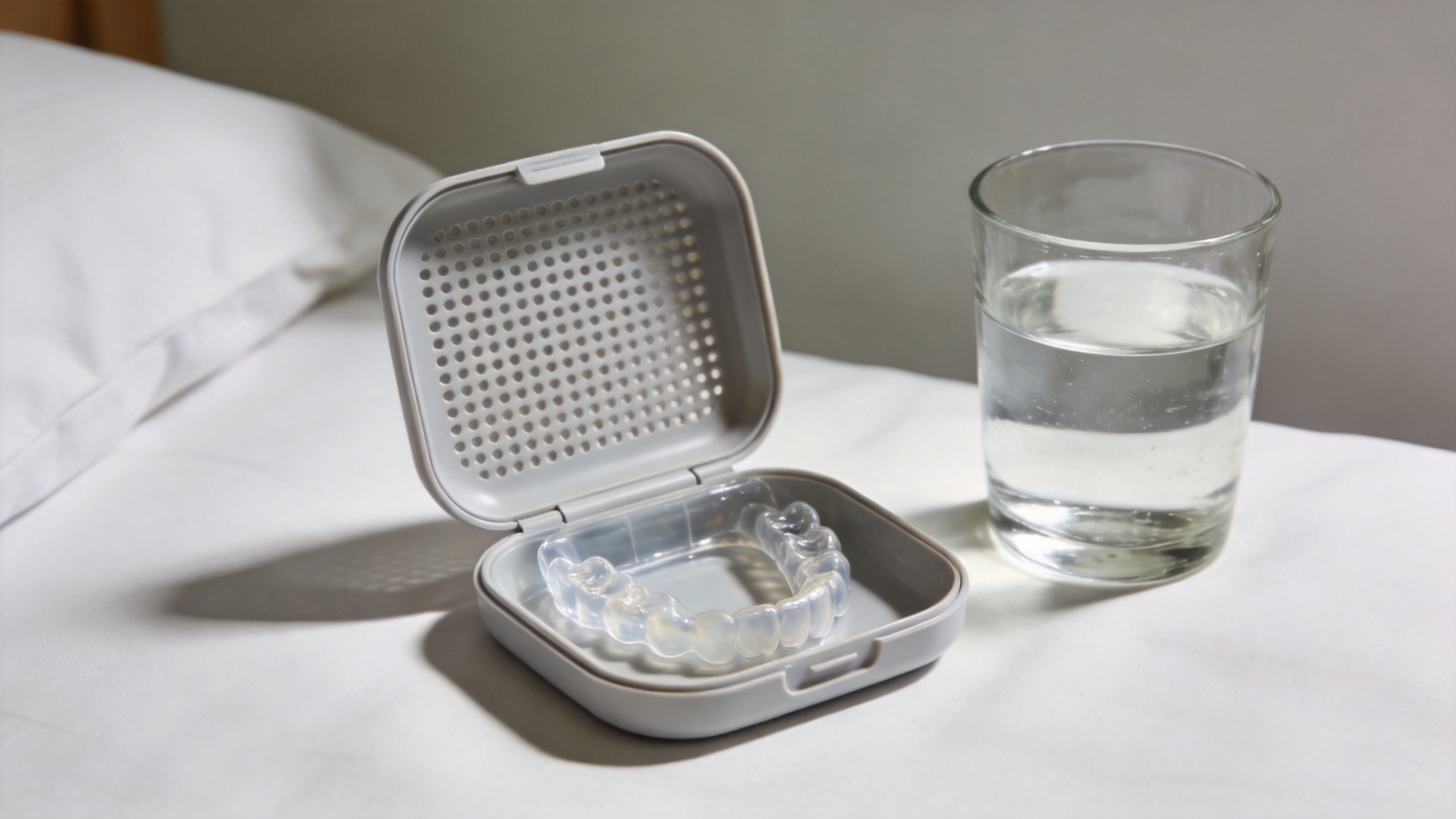
Even a suitable plastic mouth guard needs routine care. Rinse it after use, clean it according to the supplied instructions, allow it to dry before storing it in a ventilated case, and keep it away from heat that could warp the material. Inspect it regularly for cracks, deep bite marks, sharp edges, or a changed fit. Good care does not turn a guard into a medical treatment, but it can help keep the device hygienic and usable for its intended protective role.
When to seek professional help
A plastic mouth guard may be one part of protecting teeth from sleep-bruxism damage, yet it should not delay evaluation when symptoms are significant. Consult a dentist if you notice tooth sensitivity, fractures, worsening jaw discomfort, changes in your bite, or a guard that no longer fits. It is also important to mention sleep concerns, because grinding can coexist with other issues that require a different assessment.
Final takeaway
The strongest case for a high-quality plastic mouth guard is not a promise to cure sleep bruxism. It is a practical, conditional claim: a well-chosen, well-fitting guard may help reduce direct grinding-related wear by creating a barrier between teeth. For end users and wholesale channels alike, accurate use-case labeling, sensible care instructions, and professional guidance when symptoms are concerning are the foundations of responsible protection.



 Hot News
