 EN
EN


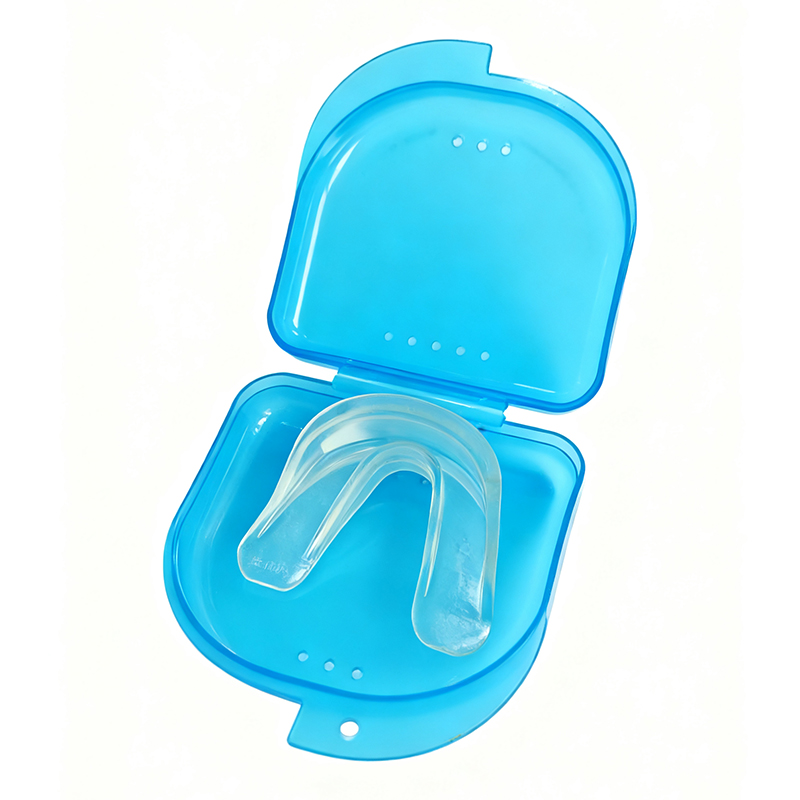
Optimized Gel Delivery and Extended Contact Time via Mouth Tray
How mouth trays secure gel against tooth surfaces for consistent activation
Mouth trays employ an innovative design to optimize the contact of whitening gel and tooth enamel. This contact is uninterrupted and protected from dilution by saliva, resulting in a carefully sustained contact. This sustained contact ensures direct and oxidative stain removal. Dental studies confirm that sustained contact with whitening gels increases the active ingredient efficiency by 30-40%. The barrier also limits the activity of the stain-removing component by limiting the decomposition of the oxidizing agent from the exposure of the gel to oxygen. It also ensures uniform and consistent activation of the entire tooth with no gaps; including those interproximal areas that are missed with non tray application methods.
Extending effective contact time: Why duration matters for peroxide penetration
The sustained activated contact necessary for an effective whitening to occur is determined by the time. Enamel and chromogen whitening require sustained contact uninterrupted by time limits on mouth trays that allow 60-90 minutes of wear time without displaying an unsafe condition and without having gel migrate or wash out. The clinical data records each additional 15 minutes of sustained controlled contact a 1-2 level increase in shade improvement on the Vita Classical Scale. The gels are temporarily setting limits to contact time to 10 minutes. The stable condition and extended contact time allowed lower concentration gels to deliver comparable results to high concentration gels with less sensitivity.
Mouth trays fit only one way because they are the main factors in ensuring the whitening treatment is effective. The impact of the whitening trays is dependent on the treatment gel. If the trays do not fit correctly, whitening treatment will be uneven and less effective.
How well the mouth trays fit affects how quickly the enamel whitens and how consistently the whitening treatment is.
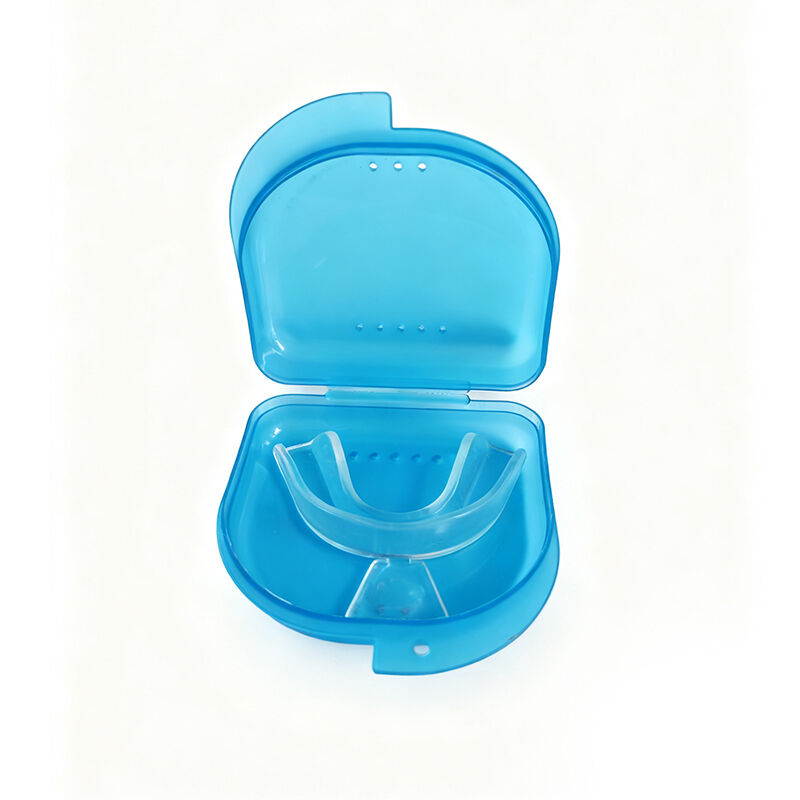
Stock mouth trays were not designed with fit to individuals' mouth trays in mind. Stock mouth trays can impact the effectiveness of the whitening treatment by up to 40%. This is due to the imperfect fit causing, pooling, premature evaporation of the whitening gel and worse, the gel being absorbed by the surrounding soft tissue
These custom trays can be designed to fit the mouth so they cover each tooth with sufficient and not excessive amounts of whitening gel. This helps provide the whitening treatment to the teeth evenly while limiting the gel to sod the gums and surrounding tissue. This improves the effectiveness of the treatment while reducing the amount of gel that can evaporate. It will not remain effective due to a lack of replacement.
Custom trays completely surround the teeth and each are made to fit perfectly into the mouth. This means they will not be missing material and also ensures the absence of pockets that would disrupt the equally dispersing gel. This also ensures that the gel will remain effective and will be concentrated on areas that are meant to be treated.
According to clinicians, custom trays led to 68% fewer sensitivity complaints. This is, in large part, due to the custom trays' ability to prevent gel from leaking onto gums, which can also cause a burning sensation in the gums. This minimizes the discomfort caused during whitening.
Mediating Mouth Tray Safety: Gum Protection and Leakage Control
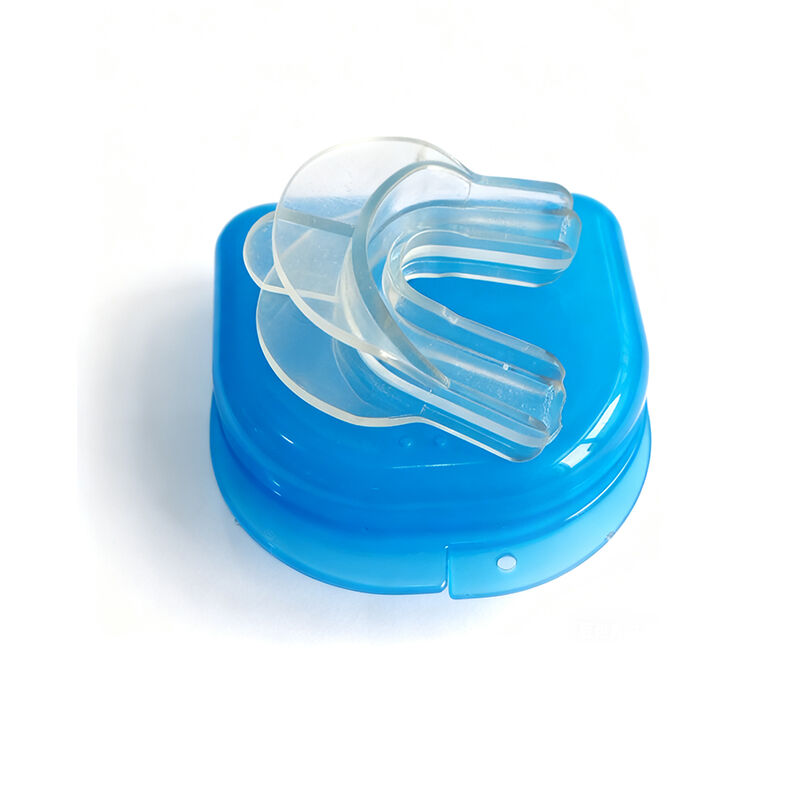
Improving the seal seal of mouth trays to limit soft tissue exposure to whitening gel
The soft tissue protection mouth trays provide should be considered when customizing trays. Mouth trays should seal off and confinement of the whitening gel to enamel. This is not only preferable, but also clinically significant: hydrogen peroxide gels can chemically burn unprotected tissues. Studies also cite that 83% of post-whitening gingival inflammatory reaction complaints are from unconfined gel seepage beyond the gingival margin. Custom trays can be designed to seal anatomy when closed to sulcus lateral exit sites, such that the peroxide acts only to the designated area of enamel. Compliance to the manufacturer's safety design increases patient protection and comfort level.
Minimizing gel contained and the irritation and sensitivity from over the gingival margin exposure.
Custom trays can totally avoid localized overexposure, the main cause the inflammatory reaction of gingival tissues. Oral surveys demonstrate the burn effects of the gingival tissues, resulting in complaints of increased sensitivity in 71% of cases of gingival over “application” scenarios. Furthermore, the trays maintained a consistent gel placement, moderate the loading of oxygen to limit the breakdown of the gel to decrease the “drying out” of the enamel. This, in turn, limited the discharging of "zingers," which are described by patients as sharp, brief episodes of increased sensitivity.
FAQ
What is the importance of mouth trays in teeth whitening?
Mouth trays contain whitening gel and allow consistent contact with teeth for even activation. They also cause less sensitivity and are less irritating when compared to other methods.
What is the most notable difference between custom mouth trays and stock trays?
Custom trays differ from stock trays in that custom trays are created from impressions of an individual patient's mouth and offer better coverage of the enamel without the pooling or migrating of gel that stock trays tend to allow.
What is the importance of contact time during teeth whitening?
Contact time is important during teeth whitening because the greater the contact time, the more the peroxide is able to diffuse into the enamel to accomplish the task of removing the more difficult stains, and as a result contact time improves the effectiveness of the whitening and lessens the necessity of using higher concentration gels.
What is the purpose of mouth trays during teeth whitening?
Mouth trays are useful because they keep the whitening gel in the appropriate location and help to protect the soft tissue from chemical burns and irritation which can occur due to the whitening gel bleeding onto the gums.