 EN
EN


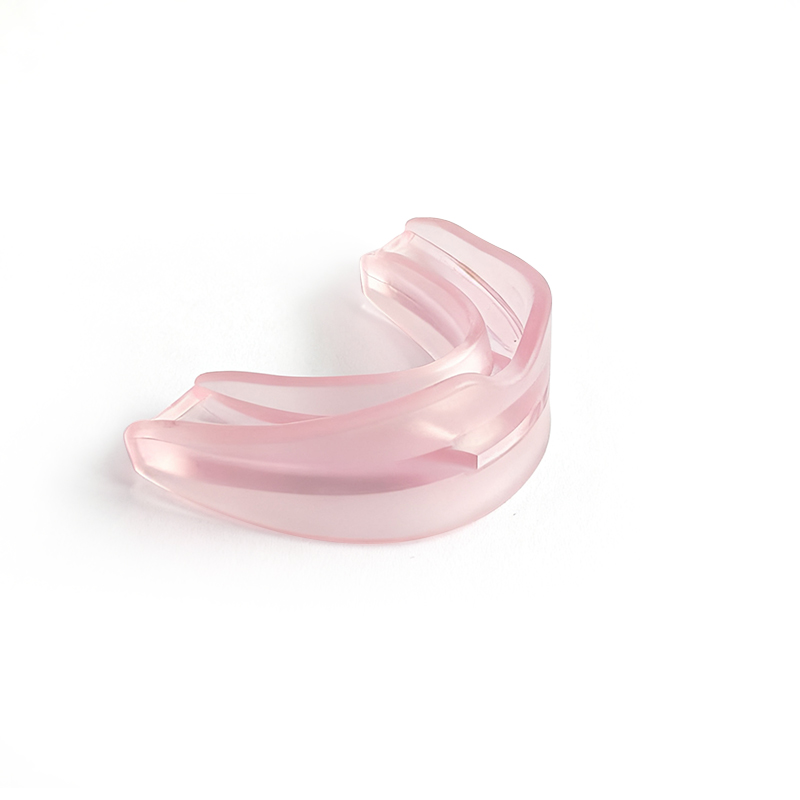
Choose Anti-Snoring Devices Based on Your Type of Snoring
Map to the anatomical origin: nose, mouth, or throat?
Snoring, caused by sleep-induced vibrations of the airways, is usually caused by the nose, mouth, or throat. Knowing the origin helps narrow options for an effective solution. For example, nasal snoring from congestion or a deviated septum is a result of turbulent airflow. Oral snoring is the result of the soft palate vibrating while the person breathes through the mouth. Snoring from the throat level (velopharyngeal) is caused by the uvula or base of the tongue laxity/collapse. Given a source of the problem, a thorough selection of devices can be made. For example, if the collapse is from the throat, a nasal dilator is of no use. Ask a partner to record observations of the airflow and vibrations or of your own sleep to target your problem most accurately.
Identify symptoms to classify snoring and distinguish nasal, oral, OSA-related, and positional snoring.
Clinically identifiable snoring type with distinct symptoms is as follows:
- Positional snoring is noted with back-sleeping. Side-sleeping ends this phenomenon.
- Nasal snoring occurs when there is mouth breathing and congestion (chronic) or when there are allergies (seasonal).
- Snoring orally can be noted when a person has a dry mouth after sleeping (waking), has a throat that is sore (frequently), or hears some palatal flutter (audible).
- Snoring related to OSA, which is obstructive sleep apnea, comes with some of the following symptoms: the person has witnessed breathing (one or more) pauses, there is gasping, daytime fatigue, there are morning headaches, nocturnal (during sleep) choking.
Different types of snorers benefit from different types of products. For example, posture-correcting devices may work for positional snorers. Nasal snorers may benefit from products such as nasal dilators or nasal strips. Mandibular devices and chin straps may be required for oral and throat snorers. It is important to note that snoring due to OSA is an important medical condition that requires an anti-snoring devis to not diagnose OSA, as it may lead to serious untreated related conditions such as hypertension or heart disease. OSA snoring may be differentiated from non-OSA snoring based on partner reports and symptom logs over the course of three nights.
Design a validated trial protocol for your anti-snoring device.
Establish a baseline and define your objectives.
An assessment of your endpoints begins with the least number of snoring incidents, the least number of partner disturbances, and the least number of disturbances to oxygen saturation. Effective assessment begins with proper pre-intervention data quantification. Use validated apps and devices from the literature with your smartphone or your wearable device to assess the number of snoring episodes and the average duration of those episodes during the night. Simultaneously track your blood oxygen saturation (SpO₂) with a legally marketed pulse oximeter, and track the number of sustained drops below 92% (apnea indicator). Use partner disturbance reports to assess the level of disturbance, ideally with quantitative instruments such as the Snore Outcomes Survey. This triangulation of factors: a disease from the perspective of objective physiology and the disturbance from the perspective of an observer, yields a most robust baseline. Evidence suggests that home-based interventions fail 68% of the time, and that reliance on subjectively defined parameters is the reason for the most frequent failures, which highlights the importance of objective parameters.
The goal is to devise a structured 14 night trial with device-off random control nights and with consistent sleep restrictions.
Use a fully structured two-week trial consisting of randomized within-subject design with device-on and device-off nights to control for placebo and circadian effects. Restrict every sleep parameter to achieve consistency across all nights. Set a fixed bedtime, and prohibit alcohol, sedatives, and changes in pillow height or other bedding and room environment. Use paired outcomes analysis; a decrease in disturbance of partner reporting by 50% and in snore duration of 50% qualifies as a clinically meaningful improvement. This style mimics the FDA-acknowledged methodologies of home-sleep trial frameworks with four times the predictive accuracy compared to unstructured self-assessment sleep trials.
Anti Snoring Device Mechanism and Your Physiology Compatibility
Mandibular advancement devices (MAD)s are excellent for throat/vibratory snoring, while are contraindicated for pure nasal obstruction.
MADs work by adjusting the position of the lower jaw, thereby preventing and side-ways enlarging the upper-airway and relaxing the soft palate and the base of the tongue, which is snoring’s mechanism of snoring at the throat level. Hence, these devices are very useful in the case of benign velopharyngeal vibration. However, they are of no use at all and may worsen the situation in case of nasal obstruction or deviated nasal septum, or in case of chronic rhinitis, where mouth breathing and dryness becomes and issue.
Evidence-Based Considerations and Limits of Physiological Function of Devices: Tongue Stabilizers and Nasal Dilators
The effectiveness of both categories of devices is further reduced in combination with alcohol or sedatives, which worsen upper airway muscle relaxation, increasing collapse, and override the mechanical support.
When Interpretation of Results is Clinically Inadequate, Reduced Snoring is Not Sufficient
The most relevant concerns include persistent daytime sleepiness, collapse during sleep and difficulty with gasping for breath, or significant drops in oxygen saturation (to less than 90%), even if snoring was reduced.
The volume of snoring does not in and of itself measure therapeutic success, and in the case of snoring persistence, the presence of devices signal fragmented sleep. The collapse in the airway, especially during the night, can occur, and with the increasing risk of cardiovascular disease, sleep apnea, if untreated, can be significant. Snoring is one of the symptoms of this condition. The presence of devices and signs of sleep apnea also mean that snoring has not effectively resolved. Snoring does not in and of itself measure therapeutic success, and in the case of snoring persistence the presence of devices signals fragmented sleep. The collapse in the airway, especially during the night, can occur, and with the increasing risk of cardiovascular disease, sleep apnea, if untreated, can be significant. Snoring is one of the symptoms of this condition.
Guidelines about when to refer for home sleep testing or polysomnography
A sleep board certified specialist should be consulted immediately for any red flag, persisting after the 14-night trial, related to:
- Multiple oxygen desaturation events (SpO₂ ≤ 90% for > 10 sec)
- Partner confirmed apnea episodes (≥5 hr)
- Daytime fatigue/cognitive fog persistent and unrelieved
Home sleep testing (HST) is good for screening moderate to severe OSA, but polysomnography (PSG) in the lab is the gold standard to evaluate complex and comorbid diagnosis: central apnea, periodic limb movement, or REM-related events, timely escalation prevents complications like systemic hypertension, progression of insulin resistance, and arrhythmias.
FAQs
What is the first step in selecting an anti-snoring device?
Identifying the anatomical cause of snoring (nose, mouth, or throat) is the first step in anti-snoring device selection and is crucial.
What constitutes the different types of snoring?
Snoring can be classified into types: positional snoring when on the back, nasal snoring (congestion), oral snoring (dry mouth), and OSA snoring is related to breathing pauses.
Why is a structured trial more relevant to an anti-snoring device?
A structured trial is more consistent in a device’s stem assessment, compared to unstructured or subjective assessments.
When should a sleep specialist be consulted?
Consult a sleep specialist if daytime fatigue and oxygen desaturation persist, and apnea is witnessed.