 EN
EN


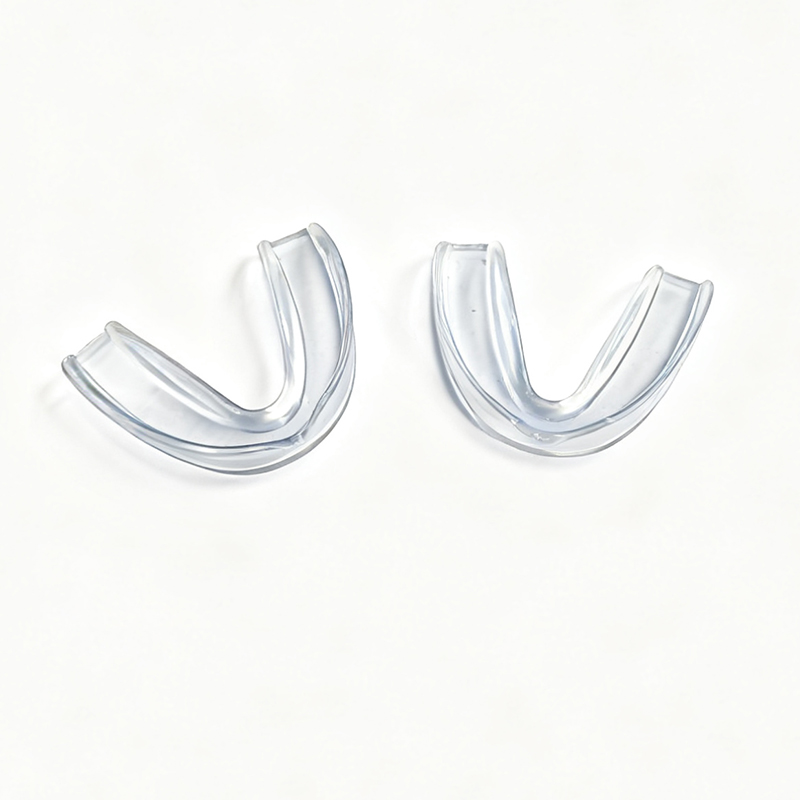
Many athletes only focus on cleaning their mouth guards but ignore proper storage. A damp, poorly ventilated case turns a clean mouth guard into a bacterial breeding ground. Sticky bacterial film will lead to bad breath, gum swelling and repeated oral inflammation. Poor storage habits can turn protective sports gear into a source of infection.
Saliva and tiny food residues stay on the mouth guard after each use. Warm and damp conditions quickly create biofilm, a tough bacterial layer stuck firmly on plastic surfaces. These bacteria keep multiplying and release harmful acidic toxins.
A 2024 research paper published in PMC found that unventilated storage lets staphylococcus and streptococcus breed heavily on mouth guards. The protective gear slowly becomes a germ reservoir that may trigger throat and oral infections.
Real research data shows that nearly 95 percent of mouth guards stored in sealed boxes carry harmful bacteria. Trapped moisture cannot evaporate, so mold and germs keep growing even after careful washing. Full air drying and good airflow are the only reliable ways to cut microbial contamination.
Standard Care Routine After Every Use
Start cleaning right after you take out the mouth guard. Rinse it thoroughly with cool running water to wash away saliva and food waste. Never use hot water, because high temperature will warp the shape of custom guards and ruin the tight fit on teeth.
Gently scrub every surface with a soft toothbrush and mild neutral soap. Ordinary toothpaste contains abrasive particles that leave tiny scratches on plastic. Bacteria will hide inside these cracks and grow rapidly.
For deep disinfection, soak the guard in special cleaning liquid recommended by manufacturers. Keep away from alcohol disinfectant and common mouthwash. Alcohol will slowly break down thermoplastic plastic, making the guard brittle and deformed. Shake off all remaining water once cleaning is finished. Strict daily care greatly slows the formation of bacterial film.
Correct Drying Method to Avoid Mold
You cannot put the mouth guard into a case until it is completely dry. Lay it flat on a clean lint-free cloth and let it air naturally for 15 to 30 minutes.
Do not use paper towels, as loose fibers will stick to the plastic surface. Never dry it with a hair dryer or put it under direct sunlight. Heat will damage the material and change the original shape.
Many people choose UV sanitizing boxes, but long-term UV exposure speeds up plastic aging. The guard will become fragile and develop small cracks over time. Natural air drying remains the safest choice. Without damp darkness, mold and bacteria cannot survive.
Pick the Right Storage Case for Long-Term Hygiene
Microbe experiments prove that the structure of the storage box makes a huge difference. Fully sealed airtight boxes lock in leftover moisture. Even a clean mouth guard will grow mold and bacteria inside closed containers.
Ventilated storage boxes with multiple small holes keep air flowing continuously. The surface dries quickly, and bacterial survival rate drops sharply.
Do not use makeshift containers such as plastic bags, medicine bottles or sealed cosmetic boxes. These airtight containers stop water evaporation and speed up biofilm buildup. A well-ventilated case keeps the mouth guard fresh, odor-free and durable for months.
Control the Surrounding Environment to Reduce Germ Growth
High humidity is the biggest cause of mold. Bathrooms beside sinks stay humid all day long, which creates perfect conditions for microbial reproduction.
Keep the storage area humidity below 50 percent. You can place silica desiccant bags inside the ventilated box to absorb extra moisture. Do not leave the box inside closed drawers or cabinets without air circulation.
Wash the storage case thoroughly with soap and water every week. Check regularly for musty smells and mold spots. These low-cost environmental adjustments effectively stop germ growth and protect both your mouth guard and oral health.
FAQ
Why is proper mouth guard storage so critical?
Good storage stops bacteria and mold from growing on the guard. It keeps the gear clean, odorless and intact without causing oral infections.
Can I use alcohol-based disinfectants for cleaning?
Alcohol will damage thermoplastic materials, make the guard brittle and change its shape, so alcohol products are not allowed.
How important is drying the mouth guard before storage?
Moisture creates the perfect environment for bacterial film. Complete air drying is an essential step to control microbial contamination.
Which is better: ventilated or airtight cases?
Ventilated boxes allow continuous air flow and accelerate drying. Airtight cases trap water vapor and cause heavy bacterial growth.
Does UV sanitization work for mouth guards?
Long-term UV radiation accelerates plastic aging and creates tiny cracks. Natural air drying is safer and more reliable.