 EN



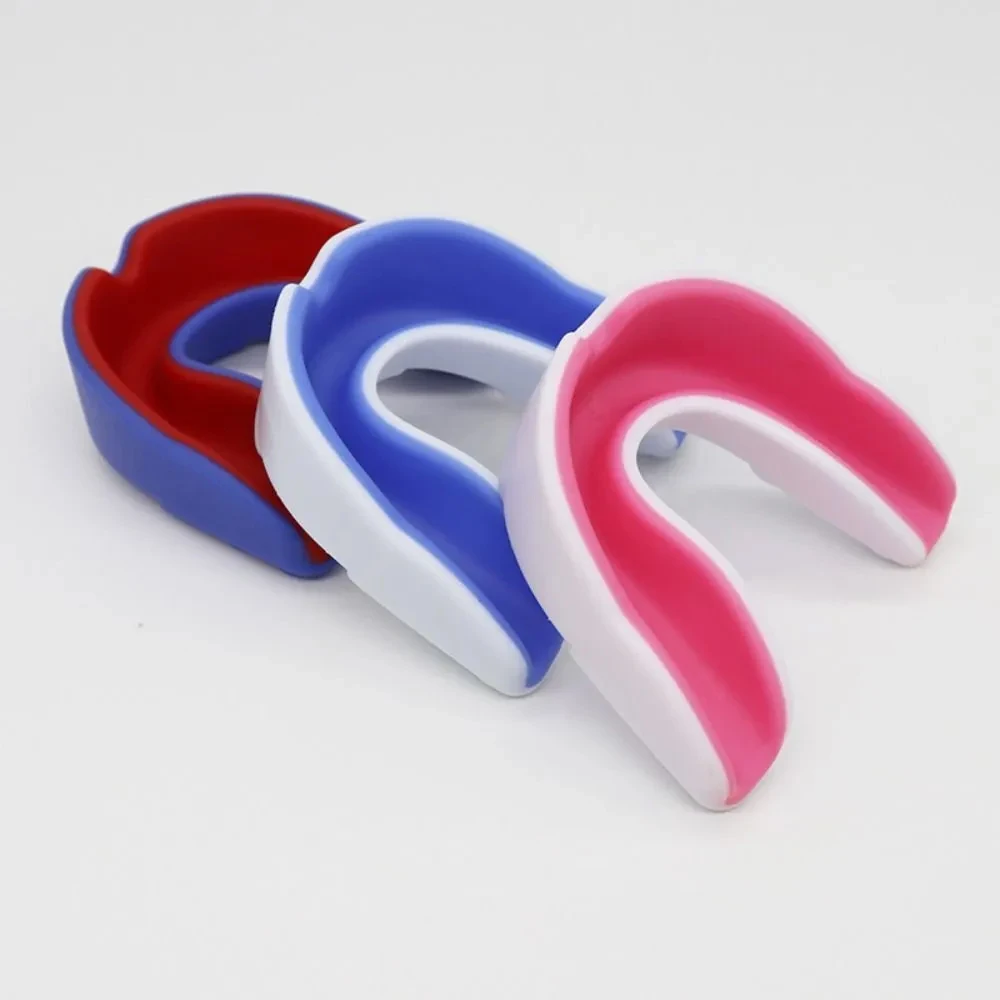
Bulk Mouth Guard For Training At Competitive Factory-Direct Pricing
Buying a mouth guard for training in bulk is not simply a question of finding the lowest unit price. For distributors, online sellers, gyms, and sports retailers, the practical goal is to define a product brief that can be sampled, checked, packed, and reordered with fewer surprises. Begin with the training use case, then work through fit, retention, packaging, and the evidence a supplier can provide.
At Xiamen Yizhou Imp. & Exp. Co., Ltd., our disclosed business scope includes sports mouth guards alongside snoring devices and dental whitening trays. That makes it especially important to keep product uses distinct: a mouth guard for training should be described for its intended sporting context, not with medical, performance, or certification claims that have not been verified for the specific item.
Start the Mouth Guard for Training Brief With the Sport and Training Format
“Training” covers very different conditions. A buyer sourcing a mouth guard for training for boxing or martial arts may need a different retention, profile, and packaging conversation than a buyer planning a general sports assortment. Weight training, contact drills, sparring, and recreational team sports also create different customer expectations. State the likely activity, user group, and sales channel before asking for a quotation.
One useful baseline is this: the American Dental Association notes that a properly fitted mouthguard can help reduce the incidence and severity of sports-related dental injuries. That guidance does not validate every product or create a guarantee. It does explain why buyers should treat fit and retention as review points rather than marketing adjectives.
- Usage setting: Identify whether the item is for contact practice, sparring, mixed training, or a broader sports range.
- Wearer profile: Clarify adult, youth, or mixed sizing needs and how the fit instructions will be communicated.
- Channel: A gym, pharmacy, clinic, marketplace seller, and sporting-goods retailer may require different product information and label priorities.
- Claim boundary: Keep copy tied to confirmed product documentation; do not imply that a mouth guard improves strength, airflow, or athletic performance without verifiable evidence.
What to Ask Before Comparing Factory Price Quotes
A low factory price is meaningful only when the quotation covers the same scope. Two quotes for a mouth guard for training can differ because of fit type, individual case inclusion, logo treatment, color options, packaging, order quantity, and inspection expectations. Put each requirement into one request sheet so suppliers quote against the same baseline.
| Quote item | What the buyer should confirm | Why it matters |
|---|---|---|
| Product definition | Intended training scenario and user group | Prevents a general sports item from being positioned as a sport-specific solution without evidence. |
| Fit and retention | Available fit format, instructions, and sample evaluation method | Fit is central to the customer experience and should be reviewed before scale-up. |
| Materials and documentation | What the supplier can document for the quoted configuration | Lets the buyer separate confirmed information from items still needing verification. |
| Packaging | Case, insert, label, barcode, and carton requirements | Packaging changes often affect cost, lead time, and marketplace readiness. |
| Quality checks | Agreed visual, fit, count, and packaging checkpoints | Creates an inspectable standard instead of relying on vague quality language. |
Use Samples to Turn an OEM/ODM Conversation Into a Clear Decision
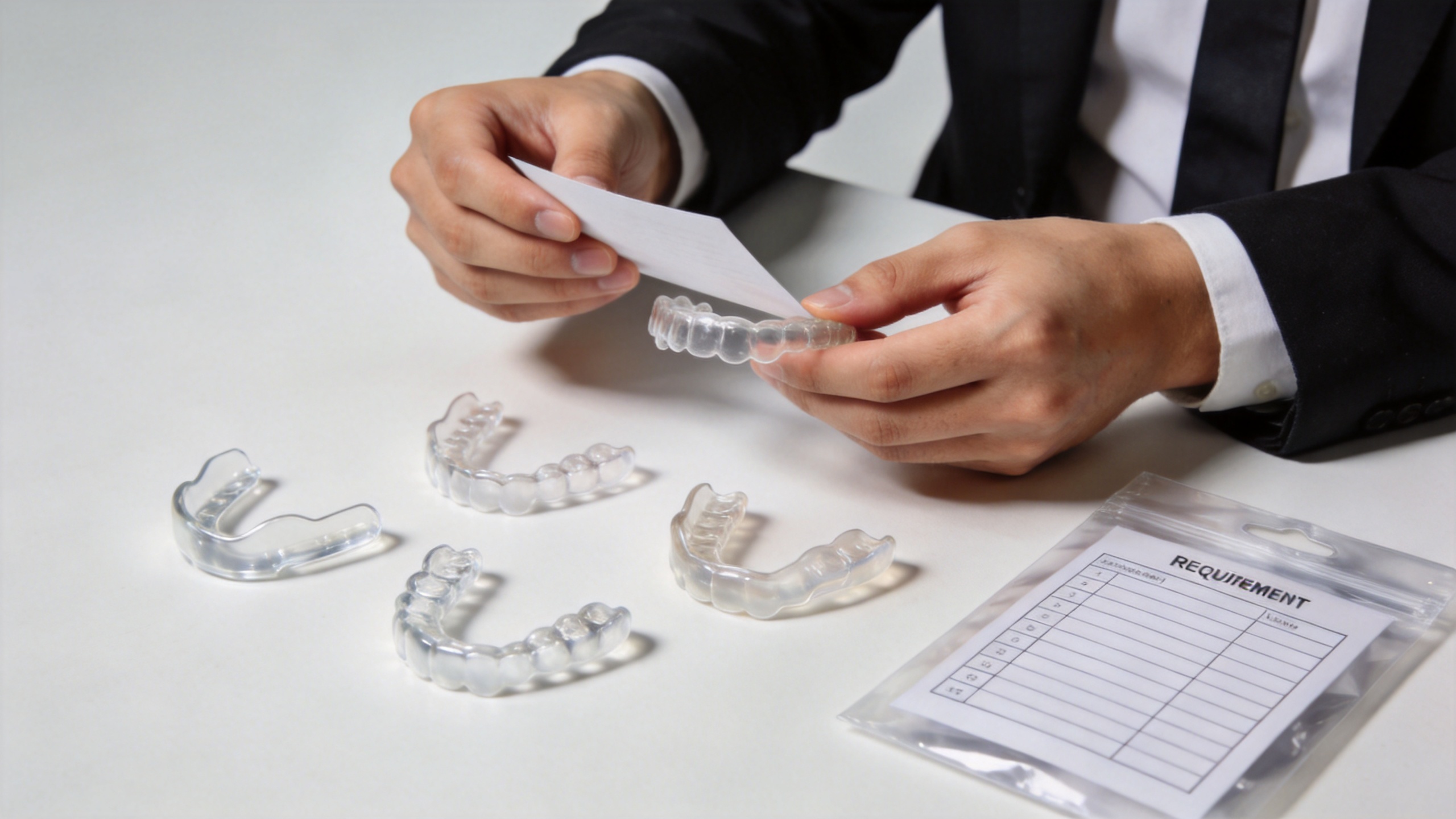
OEM/ODM can mean anything from a simple logo application to a more involved packaging or product-development request. For a mouth guard for training, it is safer to define the requested change precisely: logo position, color reference, artwork ownership, case design, insert language, and carton marks. Avoid assuming that a custom request includes tooling, testing, or regulatory support unless the supplier confirms each item in writing.
A sample review should mirror the real sales journey. Check how the product is presented when unpacked, whether instructions are readable for the target market, whether the case and label match the agreed artwork, and whether the buyer can document any observations consistently. When a result is not yet confirmed, mark it as an open action instead of turning it into a published claim.
A practical sample-review checklist
- Match the sample to the approved product description and training application.
- Review fit instructions and retention expectations with the intended user group where appropriate.
- Compare logo, colors, inserts, and packaging against approved artwork.
- Ask which material, production, and compliance documents apply to the exact quoted version.
- Agree on what will be checked before shipment and how exceptions will be reported.
Build a Factory-Direct Cost View, Not a Single Number
For a bulk mouth guard for training program, the purchase price is one component of the landed-cost picture. The buyer should also account for sampling, artwork revisions, packaging choices, freight, duties, and the cost of handling an unclear listing or an inconsistent batch. A transparent factory price discussion makes these variables visible early.
Ask for a quote with quantities shown in tiers, but do not treat a quantity break as a complete sourcing decision. Confirm whether the quoted scope includes the same packaging and customization at each tier, whether samples are credited against production, and which changes trigger a revised price or lead time. That approach gives procurement teams a fair basis for comparison.
Prepare Product Copy That Buyers Can Defend
Strong product copy for a mouth guard for training should help a buyer understand use context and next steps without overstating benefits. Use language such as “intended for training use,” “request documentation for the quoted configuration,” and “review fit instructions before listing.” Reserve specific material, impact, certification, or protection claims for facts the supplier has confirmed for that configuration.
This matters for wholesale teams, ecommerce platforms, clinics, and pharmacies alike. Clear source notes reduce the chance that packaging, a product page, and a sales quotation describe the item in conflicting ways. They also give the buyer a workable basis for future reorders or OEM/ODM revisions.
Questions to Send With Your Next Inquiry
- Which training use case is the proposed mouth guard designed to support?
- What fit format and user instructions are available for the selected configuration?
- Which parts of the requested OEM/ODM work are included in the quoted factory price?
- What packaging options can be reviewed in a pre-production sample?
- Which product, material, or quality documents can be provided for the final configuration?
- What inspection points will be agreed before shipment?
Conclusion: Make the Brief Specific Before You Scale
A competitive factory price can support a healthy bulk program, but it should follow a clear brief—not replace one. By defining the sport context, reviewing fit and packaging through samples, setting evidence boundaries, and documenting the exact OEM/ODM scope, buyers can source a mouth guard for training with a more reliable basis for launch and reorder decisions.

 Hot News
