 EN



Effective And Comfortable Dental Mouthpiece For Snoring For Wholesale & Distribution
For a wholesale buyer, a dental mouthpiece for snoring is not simply another sleep accessory. It is a health-adjacent product category where fit, product documentation, labeling, and downstream communication all affect whether a distribution program is workable. I approach the category as a procurement brief: first define the intended channel, then confirm what the product can legitimately be described to do, and only then compare commercial terms.
That distinction matters because shoppers may use “snoring” as a casual symptom label while some users need clinical assessment. A distributor can build a useful, responsible assortment without making diagnostic or treatment promises. The practical goal is to source a dental mouthpiece for snoring with clear specifications, consistent instructions, and a process for handling customer questions.
Start With the Product Category, Not the Sales Claim
The first sourcing question is how the device is intended to work. Broadly, intraoral products in this space are commonly discussed as mandibular-advancement designs, which position the lower jaw forward, or tongue-retaining designs, which focus on tongue position. Those categories should not be treated as interchangeable. Their fit approach, user instructions, accessories, and claim boundaries can differ.
For a dental mouthpiece for snoring, ask the supplier to state the product’s intended-use language exactly as it will appear in the product file and packaging. Avoid turning general comfort language into a health-outcome promise. A careful catalog description can say that the product is designed for adult snoring-related use according to its approved instructions; it should not imply that it diagnoses or cures sleep apnea.
Why Professional Boundaries Belong in a B2B Buying Checklist
Clinical guidance on oral appliance therapy distinguishes primary snoring from obstructive sleep apnea and emphasizes professional assessment and follow-up in appropriate cases. That does not prevent a wholesaler from supplying a consumer product, but it does mean the sales team needs a simple escalation rule. Product pages, inserts, and customer-service scripts should advise users with suspected sleep apnea, persistent symptoms, dental discomfort, or uncertain suitability to seek qualified professional advice.
The boundary also helps retailers and pharmacies explain what they sell without overstating what a dental mouthpiece for snoring can achieve for an individual. It also keeps regulatory review, marketplace copy, and customer-support language aligned.
A Procurement Checklist for Wholesale Distribution
Before asking for a factory price, turn the product brief into documentation requests. A supplier that can answer these questions clearly is easier to evaluate than one that leads only with promotional claims.
- Intended use and market: Which country or channel is the product planned for, and what exact claim wording is proposed?
- Fit method: Is the device boil-and-bite, adjustable, or otherwise fitted? Request the user instruction, fitting steps, warnings, and care guidance.
- Materials and traceability: Ask for material disclosure, batch identification method, and any test or compliance documents that are actually available for the target market.
- Labeling and packaging: Review carton copy, unit packaging, language versions, barcode placement, and the space needed for local distributor information before production.
- Quality controls: Ask how appearance, fit components, instructions, and packed quantities are checked. Record what is confirmed and what still requires verification.
- After-sales workflow: Define how the channel will handle fit questions, returns, product complaints, and safety-related escalation.
This checklist gives a buyer a better basis for comparing quotations. A lower factory price may not be the lower-cost choice if instructions, packaging controls, or documentation must be rebuilt after arrival.
How to Evaluate Comfort Without Making Unsupported Promises
Comfort is important, yet it is subjective. Rather than claim that every user will sleep comfortably, request the information that supports a more careful decision: fit ranges, adjustment mechanism, included case, cleaning instructions, replacement guidance, and a sample-review process. Trial feedback from the actual target channel can identify confusing instructions or pressure points before a larger purchase order.
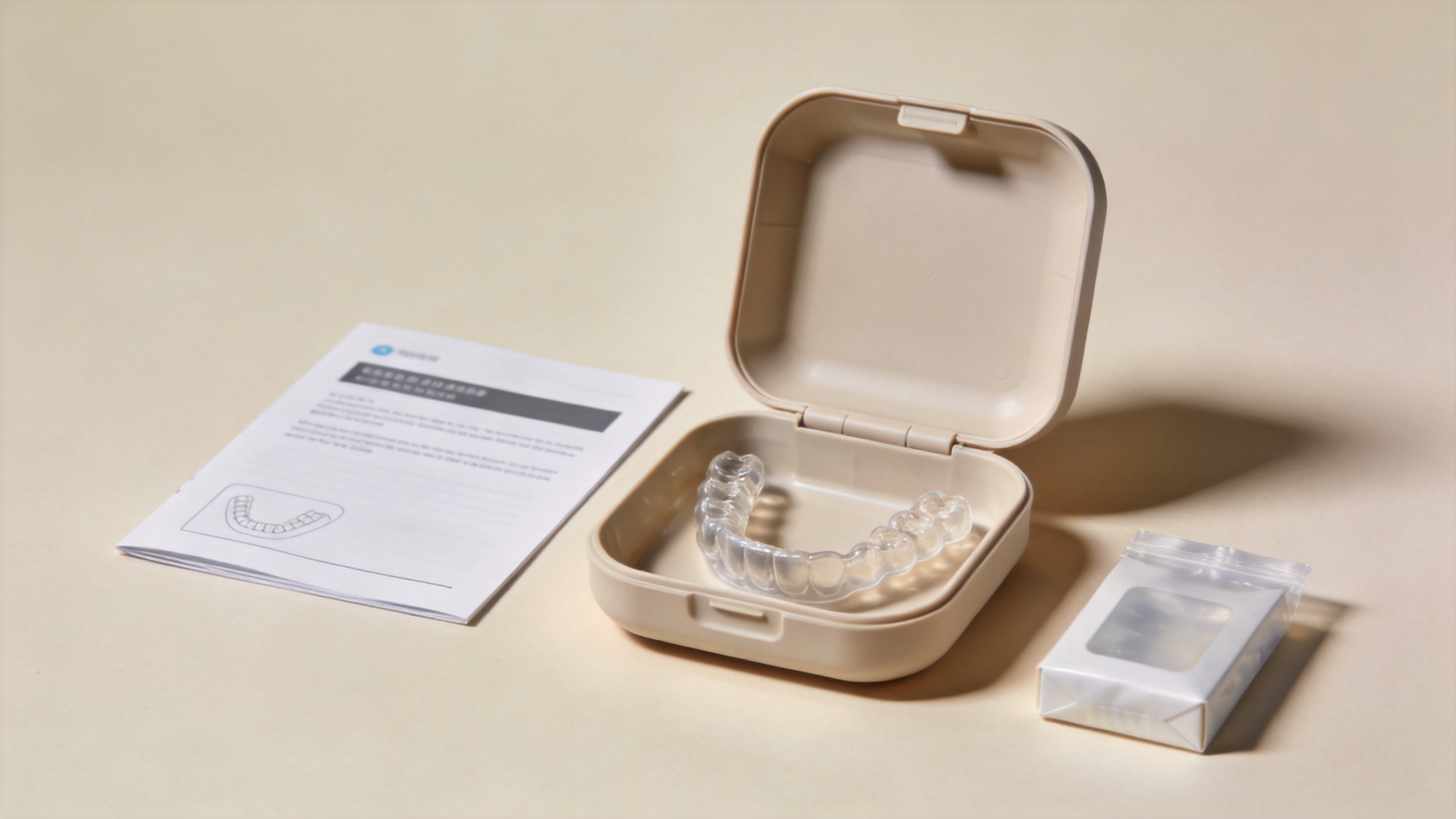
For a dental mouthpiece for snoring, comfort language should be tied to design and use instructions, not universal outcomes. For example, “designed with adjustable fitting steps” is more defensible than “comfortable for everyone.” A clear sizing and care insert can be as important to repeat orders as the device itself.
OEM/ODM Planning: Define What Can Actually Be Customized
OEM/ODM discussions are most productive when the buyer separates appearance changes from controlled product changes. Packaging artwork, outer-carton configuration, inserts, and channel-specific language may be feasible customization areas. A change to the device geometry, adjustment mechanism, intended-use statement, or material specification may require additional engineering, validation, or regulatory review.
Use a written customization matrix that lists each requested change, its owner, evidence required, artwork approval stage, and effect on lead time. This prevents a common B2B problem: a buyer assumes a private-label request is cosmetic, while the factory treats it as a new product configuration. It also protects both sides from approving packaging that contains claims unsupported by the final product documentation.
Build a Quote Comparison That Looks Beyond Unit Cost
| Comparison area | What to confirm | Why it matters |
|---|---|---|
| Unit quotation | MOQ, currency, tooling or artwork charges, and quoted factory price | Shows the visible purchase cost. |
| Packaging readiness | Unit box, case, insert, barcode, and export carton details | Reduces relabeling and listing delays. |
| Documentation | Available material, quality, and market-relevance records | Helps channels evaluate claims and onboarding requirements. |
| Sample approval | Approved sample, revision history, and inspection points | Creates a reference for production consistency. |
| Service plan | Complaint contact, replacement process, and escalation language | Supports retailers after launch. |
For distributors, the most workable quote is usually the one that makes the total workflow predictable. It should allow a clear product listing, a responsible set of customer instructions, and a defined response if the product is not suitable for a user.
Prepare the Channel Before the First Shipment
Distributors serving e-commerce platforms, pharmacies, clinics, or wholesale accounts need different information in a different order. E-commerce teams often need approved images and concise copy. Pharmacy and clinic channels may need fuller instructions and stronger review of claims. In every case, the product file should separate confirmed facts from items awaiting verification.
A practical launch packet for a dental mouthpiece for snoring can include the approved product description, packaging artwork, instructions for use, care guidance, complaint-routing procedure, and a short “when to seek professional advice” notice. If a market requires specific device registration, clearance, or labeling, confirm that requirement with qualified regulatory professionals before listing or import.
Questions Buyers Should Ask Before Placing a Repeat Order
- Did the supplied product match the approved sample and packaging copy?
- Which customer questions occurred most often: fit, instructions, cleaning, or suitability?
- Were any claims misunderstood by retailers or end users?
- Does the next order need a packaging change, a clearer insert, or a different channel configuration?
- Are all market-specific requirements still confirmed for the destination market?
These questions turn product feedback into a sourcing improvement loop rather than a reactive support problem. They are also a sensible way to compare OEM/ODM partners over time: not only by price, but by how reliably they help keep approved information consistent from sample to shipment.
Conclusion
Wholesale success with a dental mouthpiece for snoring depends on disciplined product definition, not aggressive claims. Buyers should clarify the device category, request usable documentation, review packaging and instructions early, and build professional-referral boundaries into downstream content. When those basics are controlled, a distributor can assess factory price, customization options, and service requirements with far more confidence.



 Hot News
