 EN



Are You Searching For A Professional-Grade Mouthpiece To Stop Grinding Teeth Manufacturer?
For a distributor, clinic buyer, pharmacy team, or online retailer, sourcing a mouthpiece to stop grinding teeth is not mainly a matter of choosing a color or a price point. It is a documentation and use-case decision. The retail market often calls every overnight appliance a “night guard,” but a professional purchasing brief should be more precise: it should state the intended product category, the end-user information that must accompany it, and the evidence a supplier needs to provide before a listing is approved.
This guide is written from a wholesale-procurement perspective. It does not diagnose bruxism or promise that any mouthpiece to stop grinding teeth will treat a medical condition. Teeth grinding and clenching can have individual causes. Buyers should build product information that encourages consumers with pain, persistent symptoms, loose teeth, or uncertain fit to seek advice from a qualified dental professional.
Start With the Product Boundary, Not the Marketing Claim
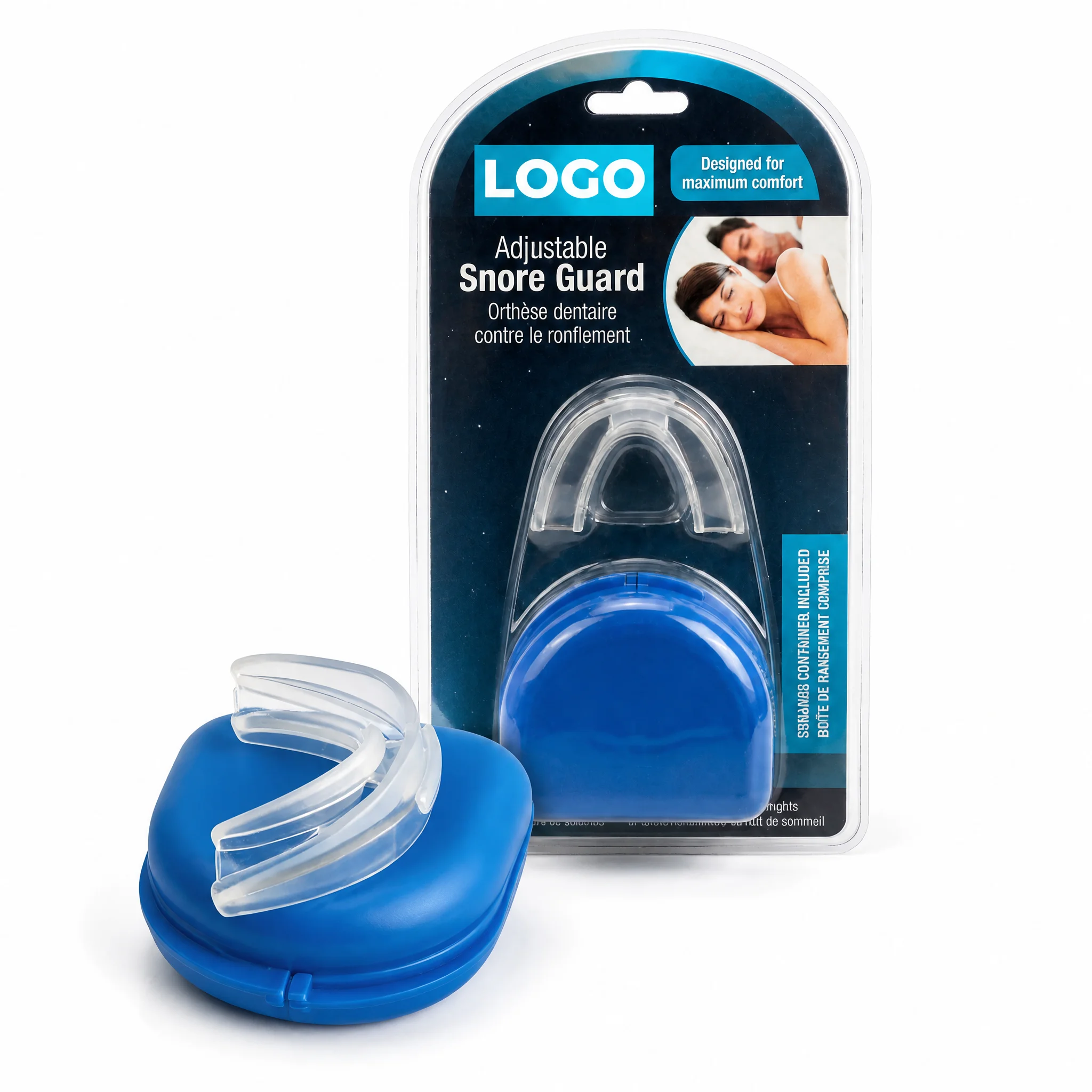
A mouthpiece to stop grinding teeth is commonly requested by shoppers who want an overnight barrier between upper and lower teeth. That is a useful starting point, but it is not a complete sourcing specification. The phrase can refer to different designs, fitting approaches, thicknesses, and distribution models. Treating these variations as interchangeable creates avoidable returns and unclear customer expectations.
Authoritative consumer health education commonly distinguishes guards intended for grinding or clenching from products intended for sports protection or other oral uses. For a buyer, the practical lesson is simple: your category title, packaging copy, instructions, and support script should use the same intended-use language. A mouthpiece to stop grinding teeth should not be presented as a universal solution for snoring, sleep apnea, jaw disorders, or dental treatment unless you have product-specific, market-appropriate evidence and clearance for those claims.
What a Professional Sourcing Brief Should Include
Before contacting a manufacturer, translate “professional-grade” into checkable requirements. The term has no value by itself unless the buyer defines what documentation and process evidence it expects. A useful brief for a mouthpiece to stop grinding teeth asks for the following:
- Intended-use wording: Define the consumer-facing use in plain language and identify claims that are not authorized for the target market.
- Material documentation: Ask what material information, declarations, and batch-level traceability can be supplied. Do not label a product “dental grade” merely because the phrase sounds reassuring; verify what the supplier can document for your destination market.
- Fit and sizing pathway: Request the available fit method, instructions, warnings, and a plan for users who cannot achieve a safe or comfortable fit.
- Physical-property evidence: Ask which applicable tests, controls, or recognized standards the manufacturer can substantiate. A request for evidence is stronger than an assumption of certification.
- Packaging and labeling: Review lot identification, care instructions, contraindication language, country-specific label needs, and customer-service escalation guidance.

This approach gives purchasing teams a better way to compare quotes for a mouthpiece to stop grinding teeth. A low unit price is not a complete cost comparison if the supplier cannot provide stable instructions, product-identification controls, or documentation suitable for your channel.
How to Assess a Manufacturer Without Overclaiming
Ask a potential mouthpiece to stop grinding teeth manufacturer to respond to the same written checklist. The goal is not to collect promotional adjectives. It is to see whether the supplier can separate confirmed information from items that still require validation.
- Confirm scope. Can the supplier clearly describe the product format it is quoting, its intended distribution channel, and any limits on the claims that may be used?
- Review samples against instructions. Evaluate sample consistency alongside the fitting, cleaning, storage, and warning information that will reach the end user. A sample alone does not prove a scalable consumer experience.
- Ask about change control. If material, tooling, packaging, or instructions change, how will the buyer be informed? This matters for repeat orders and marketplace listings.
- Check document traceability. Identify which documents apply to the exact quoted configuration. A generic statement may not apply to your thickness, packaging, or market.
- Set acceptance criteria. Define inspection points, defect handling, artwork approval, and the records required before each production release.
These questions turn a search for a mouthpiece to stop grinding teeth into a repeatable procurement process. They also protect the buyer from converting incomplete supplier information into unsupported medical or regulatory promises.
Where “Bruxism Relief” Needs Careful Language
The auxiliary phrase bruxism relief may match how consumers search, but it needs cautious handling in B2B content. Bruxism is often used to describe repeated grinding or clenching. A product page for a mouthpiece to stop grinding teeth can explain that the category is commonly sought for overnight grinding and that fit questions deserve professional attention. It should not guarantee relief, diagnose a user, or imply that a guard replaces evaluation of underlying symptoms.
Likewise, dental grade should be treated as a documentation question, not a label a sourcing team applies on its own. If a buyer plans to use the term, it should first confirm the exact material documentation, applicable market requirements, and approved wording. In the absence of that evidence, clearer language is “request material and compliance documentation for review.”
Build a Channel-Ready Product File
A reliable mouthpiece to stop grinding teeth program needs more than a product photograph. Prepare a channel-ready file that includes approved product naming, intended-use wording, fitting and care instructions, warning language, packaging artwork, quality acceptance criteria, and a record of supplied documents. For clinics and pharmacies, add a professional-review path for questions outside the product instructions. For e-commerce, align the listing, images, FAQs, and customer-service script so they do not make different promises.
Xiamen Yizhou Imp. & Exp. Co., Ltd. serves channels that include wholesalers, e-commerce platforms, clinics, and pharmacies. That mix makes a structured requirements brief especially useful: different buyers may need the same confirmed facts in a different order, while all need claims that remain evidence-bound.
Questions to Send Before Requesting a Quote
- Which exact mouthpiece to stop grinding teeth configuration are you quoting?
- What intended-use wording and warning language can you support with documentation?
- Which material records and traceability documents apply to this configuration?
- What fit, care, and replacement instructions will be included with the finished product?
- What inspection criteria, packaging controls, and change-notification process apply to repeat orders?
- Which destination-market requirements must the buyer independently confirm before sale?
Choose Evidence Before You Choose a Claim
A sound manufacturer conversation starts with clarity. A mouthpiece to stop grinding teeth may be a viable category for a wholesale range, but the commercial decision should rest on a documented product brief, not broad health language. Compare suppliers by their ability to answer evidence, traceability, labeling, and change-control questions. Then keep consumer communication conditional, accurate, and aligned with the product information actually available.
That discipline helps a buyer source a mouthpiece to stop grinding teeth responsibly, prepare a more credible listing, and create a smoother review process for the channels it serves.

 Hot News
