 EN



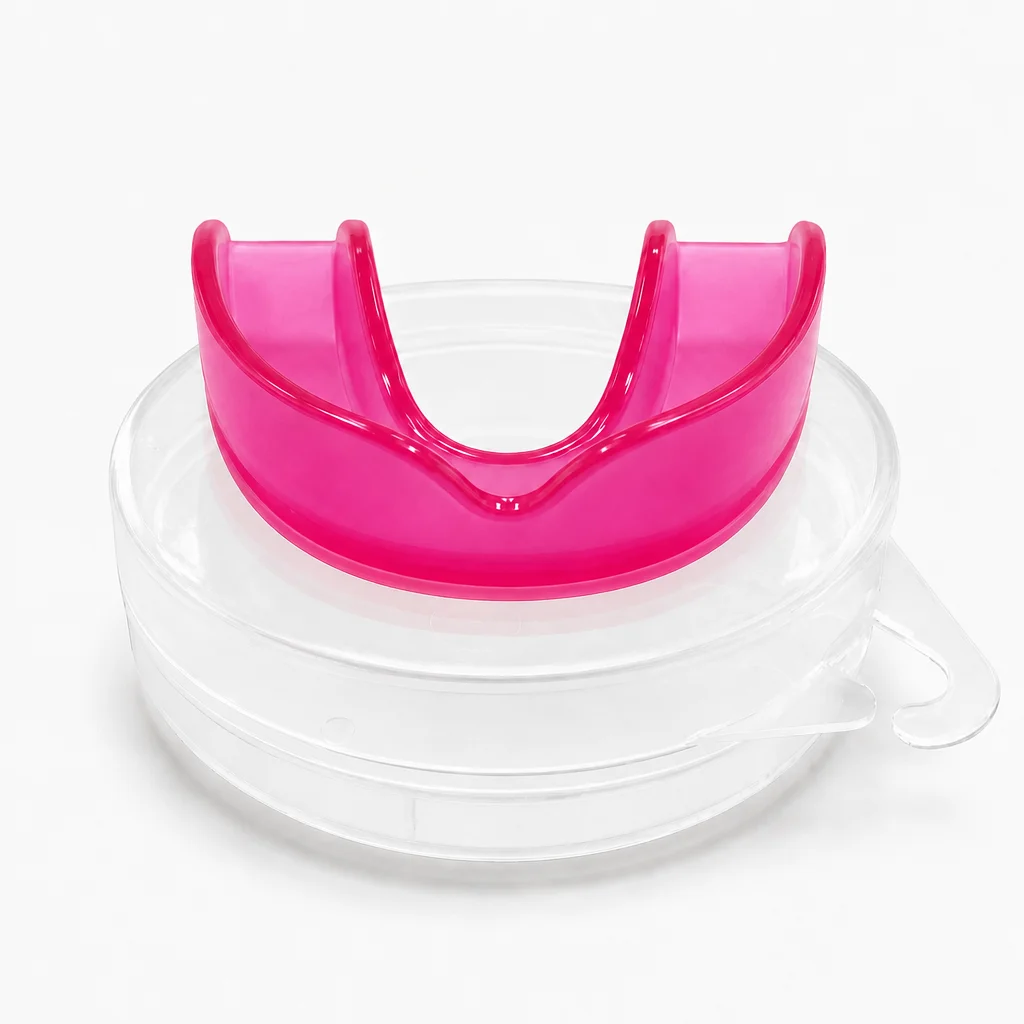
Bulk Sleeping Aid Mouth Guard At Competitive Factory-Direct Pricing
For a distributor or ecommerce buyer, sourcing a sleeping aid mouth guard is not simply a search for the lowest quoted unit price. It is a procurement decision that combines product positioning, channel documentation, packaging requirements, sample review, and the limits of what can responsibly be said about a sleep-related oral product. Buyers who separate those questions early can compare factory-direct offers on a more useful basis.
As a wholesale purchasing team, start with the downstream use case. Will the sleeping aid mouth guard be presented as a general oral product, a consumer anti-snoring item, or a product intended for a clinical channel? Those routes have different information needs. The audience served by Xiamen Yizhou includes wholesalers, ecommerce platforms, clinics, and pharmacies, so a single generic specification sheet is rarely enough for every buyer.
Why a factory price is only the starting point
A low factory price can be attractive, but it is meaningful only when quotations cover the same scope. Before comparing suppliers, ask whether each proposal uses the same material description, molding or adjustment approach, packaging level, logo treatment, instructions, inspection standard, minimum order quantity, and delivery term. A sleeping aid mouth guard quote that looks cheaper may exclude artwork work, inserts, export packaging, or sample revisions that another quote includes.
Put differently, move from unit price to total purchasing workload. A useful comparison sheet has columns for the quoted product, one-time setup charges, sample cost, packaging, documentation supplied, shipment terms, and the internal time needed to resolve open questions. This does not promise the lowest landed cost; it gives a buyer a clearer way to see what the price represents.
Define the product category before requesting wholesale pricing
“Mouth guard” can describe products used for very different purposes. A sports mouthguard, a whitening tray, and a sleeping aid mouth guard should not be bundled into one vague request merely because they are oral products. State the intended channel and intended consumer-facing description in the request for quotation. That helps a factory respond with relevant options rather than an assortment that cannot be compared.
For sleep-related products, avoid turning a sourcing brief into a health claim. FDA guidance notes that intraoral devices intended to treat snoring and/or obstructive sleep apnea are prescription devices unless conditions for OTC distribution and clearance are met. That is a market and documentation checkpoint, not a claim that any particular wholesale item meets a regulatory pathway. Likewise, AASM/AADSM guidance places clinical oral-appliance therapy within professional assessment and qualified dental care. Buyers should verify local-market requirements with appropriate regulatory and clinical advisers before using treatment language.
A practical factory-direct quotation checklist
Send the same structured request to each candidate supplier. This reduces back-and-forth and makes factory price comparisons more defensible.
- Product definition: Describe the requested sleeping aid mouth guard format, target channel, and information you need confirmed. Do not assume a product name proves a material, fit, or performance characteristic.
- MOQ and tier pricing: Request quantity breaks, the currency, validity period, and whether the price includes the selected packaging configuration.
- Customization: Clarify logo location, color limitations, private-label packaging, leaflet languages, and artwork approval steps.
- Sample process: Ask what a sample represents, what can change in production, who pays freight, and how feedback is recorded.
- Quality documentation: Request the documents relevant to the destination market and product statement. Treat missing documents as an open item, not as evidence that they exist.
- Supply terms: Confirm lead time ranges, payment terms, inspection expectations, shipping terms, and the process for nonconforming goods.
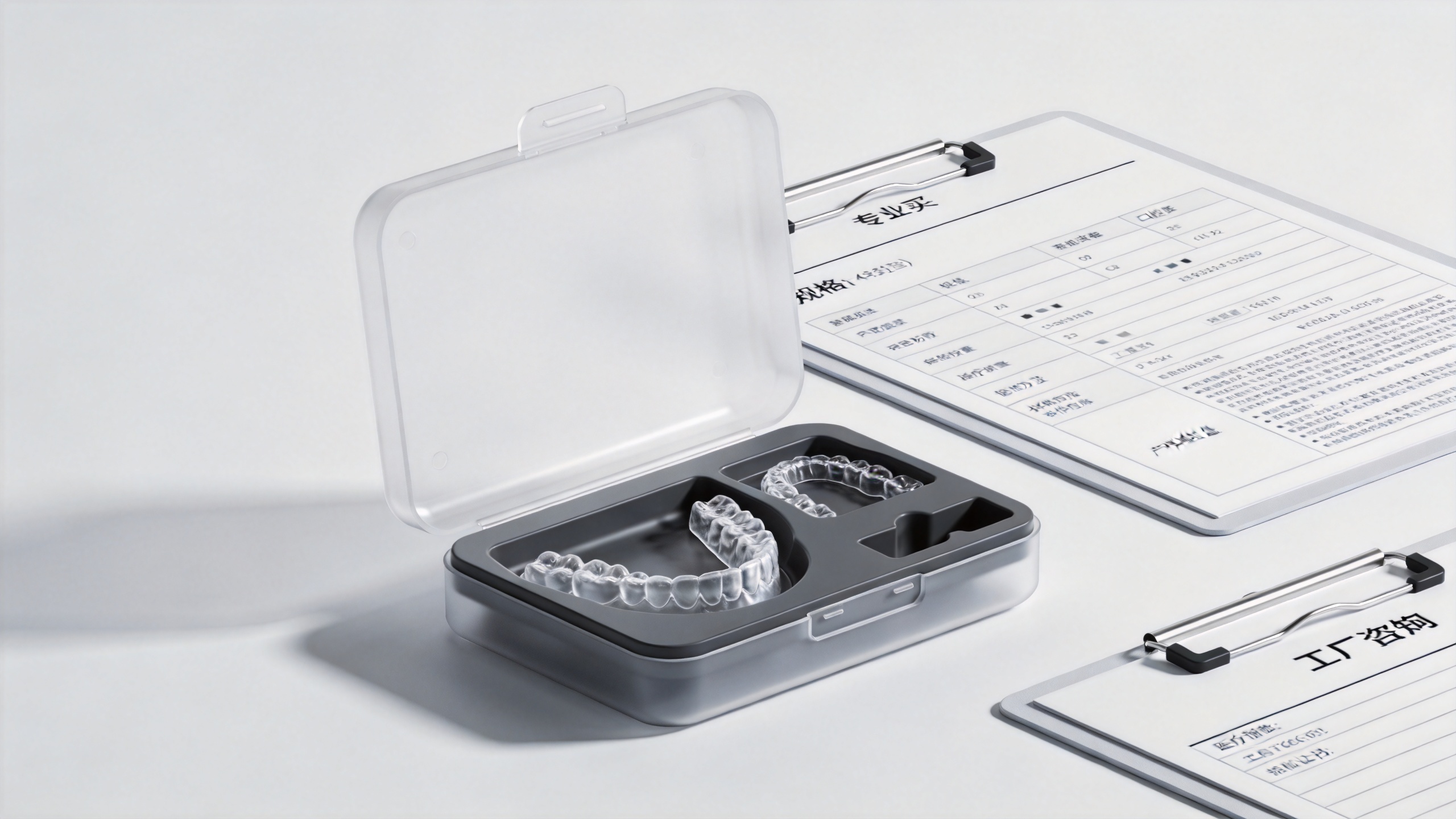
How to assess a wholesale offer without overclaiming
When evaluating a wholesale offer for a sleeping aid mouth guard, use evidence questions rather than marketing labels. What is confirmed in the quotation? Which details are shown in a sample or approved artwork? What remains to be validated for the target country? This approach is especially useful for pharmacies and clinics, where traceable product information may matter more than a broad promise of comfort or results.
It also helps to distinguish a factory’s manufacturing response from a clinical recommendation. A supplier can discuss the requested packaging, available customization, and production communication. It should not replace a sleep physician or qualified dentist in deciding what is appropriate for an individual. Keeping this boundary visible makes product pages and reseller materials more reliable.
Questions to ask before approving bulk production
- Does the approved sample match the description and packaging used in the purchase order for the sleeping aid mouth guard?
- Are the intended sales channels and destination markets written down, rather than assumed from a general inquiry?
- Which claims are supported by documents, and which must be removed or reviewed before listing?
- What are the acceptance criteria for appearance, packaging, counts, and labels?
- Who approves final artwork and any translated instructions?
These questions are useful because the first gap in a wholesale inquiry is often not the product name. It is the missing channel, market, or documentation requirement. Resolving that gap before production protects both the buyer and the factory from having to reinterpret a low quote later.
Build a repeatable sourcing process
For repeat buyers, keep a supplier comparison record for every sleeping aid mouth guard program. Record the request date, version of the specification, price tier, documents received, sample feedback, pending facts, and final approval owner. Over time, this turns supplier conversations into a usable procurement library instead of a collection of disconnected emails.
Factory-direct purchasing can be a practical route when the scope is clear. The strongest wholesale decision is not based on a price alone; it is based on a comparable brief, documented approvals, and careful language about a sleep-related oral product. If a detail is still unconfirmed, mark it for verification before it reaches the product listing or order confirmation.
Conclusion
A competitive factory price for a sleeping aid mouth guard becomes genuinely useful only after buyers align product purpose, packaging, documentation, and channel expectations. Start with the same brief for every supplier, compare like with like, and keep clinical and regulatory questions separate from general sourcing claims. That creates a more workable foundation for wholesale purchasing and future product communication.


 Hot News
