 EN



Effective and Comfortable Anti Snore Mouthguard Stop Products for Wholesale & Distribution
For a wholesaler, an anti snore mouthguard stop inquiry is not simply a request for a night-time oral product. It is a request to turn a sensitive, health-adjacent category into a clear assortment, a defensible product listing, and a supportable after-sales process. That makes the first question less about a catchy claim and more about what the product is intended to do, which market it will enter, and which documents can substantiate the listing.
From a channel buyer’s perspective, the most workable approach is to separate product selection from clinical promises. Xiamen Yizhou Imp. & Exp. Co., Ltd. serves wholesale, e-commerce, clinic, and pharmacy-oriented audiences across oral-product categories. For an anti-snore range, that means building a verification path before committing to packaging, marketplace copy, or a wholesale offer.
Start With the Intended Use, Not the Product Nickname
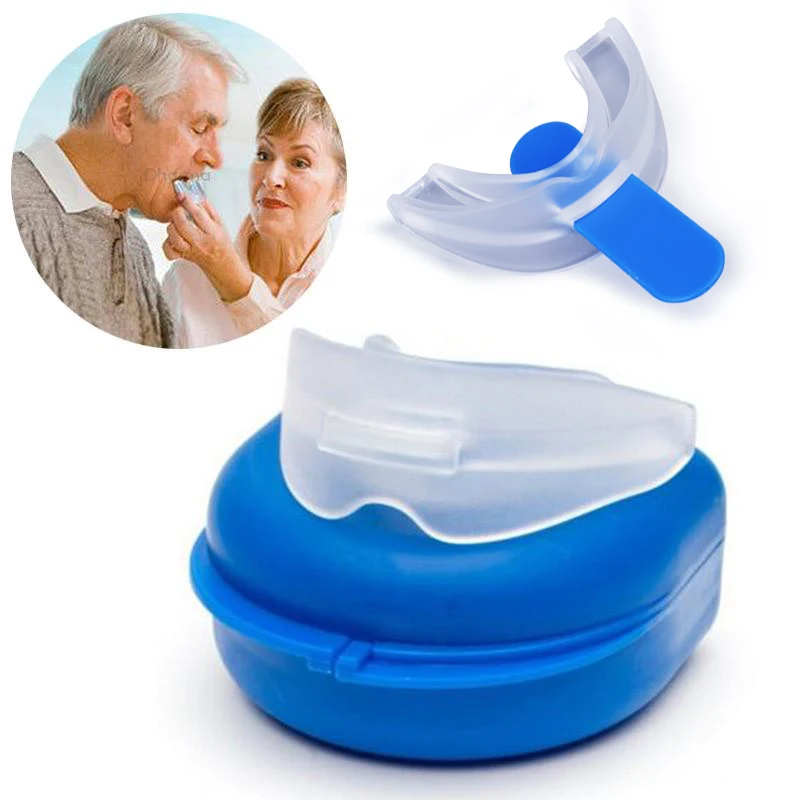
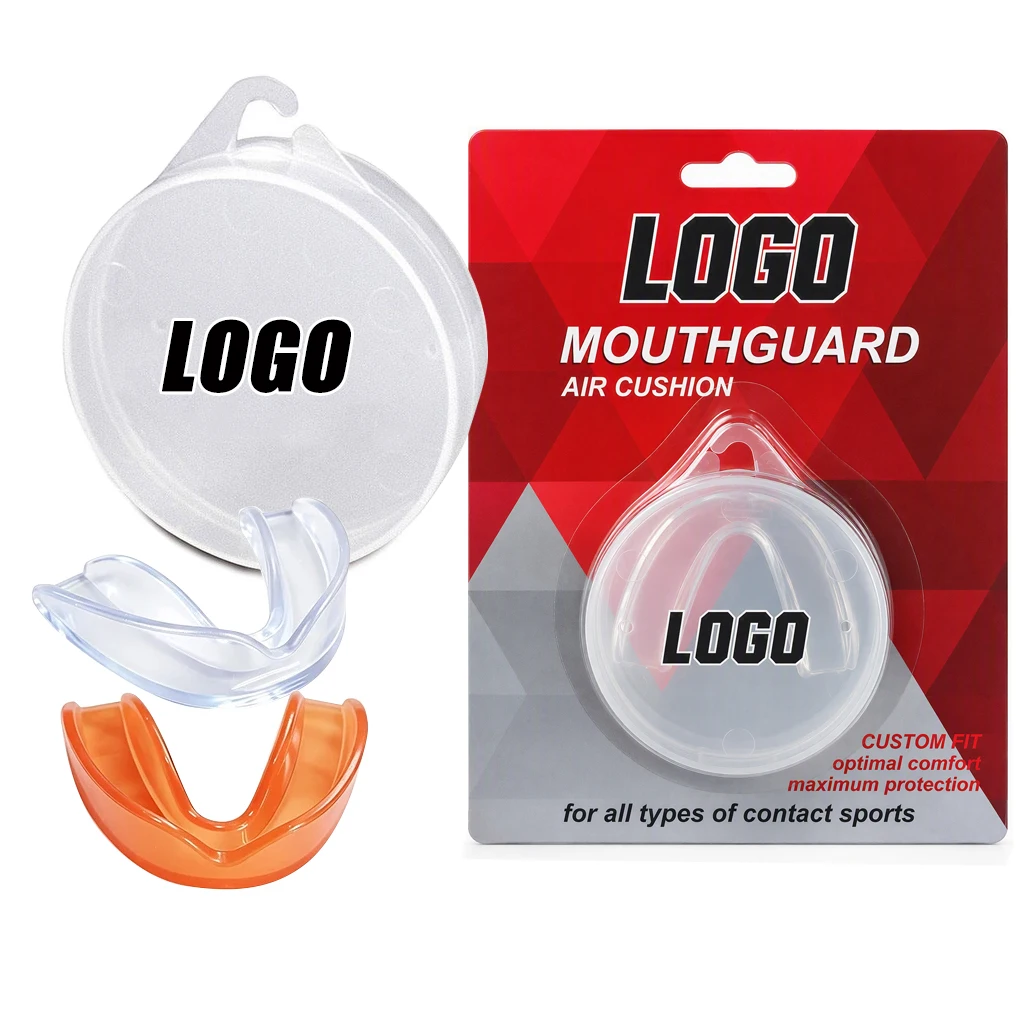
Terms such as “snore guard,” “snoring mouthpiece,” and anti snore mouthguard stop can describe very different products in the market. Some oral appliances are discussed in relation to jaw positioning or tongue retention, while other night guards are intended for a different purpose altogether. A wholesale team should not assume that similar-looking oral products have the same intended use, user instructions, or regulatory route.
A useful first screen is to ask the supplier to state the intended use in plain language and then compare it with the product’s labeling, instructions, and market-specific documentation. This avoids a common channel problem: calling an item an “anti-snore” product in promotional copy while the technical file, packaging, or instructions support a different claim.
- What exact user problem does the SKU say it addresses?
- Is the item custom, adjustable, or non-adjustable, and is that supported by the product record?
- What fitting, cleaning, replacement, and warning instructions are available?
- Which claims have evidence, and which phrases must be removed from sales copy?
This distinction matters for wholesale distribution because downstream sellers need consistent information across product pages, cartons, inserts, and customer-service responses.
Build a B2B Documentation Pack Before You Quote
Comfort is important to end users, but it should not be asserted as a universal outcome. A buyer can instead ask what design, sizing, adjustment, and instruction information is available, then decide whether it is sufficient for the planned channel. The same rule applies to materials, testing, and certifications: request documents tied to the specific SKU rather than relying on generic category language.
For the United States, FDA guidance says intraoral devices intended for snoring and/or obstructive sleep apnea are prescription devices unless adequate directions for use are developed and FDA clears a 510(k) specifically for over-the-counter distribution. That is a market checkpoint, not a shortcut to a claim. The intended use, clearance status, labeling, and applicable rules must be verified for each product and sales route.
Professional guidance also provides a useful boundary. The American Academy of Dental Sleep Medicine explains that, when oral appliance therapy is chosen by a physician and patient, the physician writes a prescription and refers the patient to a qualified dentist for a custom-fit appliance. A distributor should use this context to keep consumer marketing appropriately conditional, not to imply that a stock item is individually appropriate or medically prescribed.

A Wholesale Checklist for an Anti-Snore Assortment
Before adding an anti snore mouthguard stop item to a catalogue, convert broad requests into a checklist. This helps an e-commerce seller, clinic buyer, or pharmacy buyer see which facts are confirmed and which still need review.
| Review area | Questions for the supplier | Why the channel needs it |
|---|---|---|
| Intended use | What is the exact intended-use statement and target user? | Keeps listing and support language aligned. |
| Product configuration | Is it custom, adjustable, or a fixed configuration? What fitting instructions exist? | Sets realistic customer expectations. |
| Materials and records | Which material records, test reports, and traceability documents apply to this SKU? | Supports technical review without making unsupported claims. |
| Labeling and warnings | Which warnings, contraindications, and usage directions must accompany the item? | Helps downstream teams publish consistent information. |
| Market route | What local regulatory or professional review is required in the target market? | Prevents a retail listing from getting ahead of the compliance file. |
| Packaging | Can the carton, insert, language, and barcode plan be reviewed before production? | Reduces rework across wholesale channels. |
Comfort Is a Product-and-Instruction Question
It is tempting to market an anti-snore product as comfortable because comfort drives interest. More accurately, user experience can depend on fit, adjustment, oral condition, instructions, and the individual user. A distributor can improve the quality of its listing by asking for the confirmed sizing or fitting process and by keeping the instruction set available to customers.
For channel planning, use phrases such as “designed for the documented intended use” only when that wording is supported. Avoid guarantees about stopping snoring, improving breathing, or fitting every user. If a buyer requests claims that exceed the technical file, treat that as a review item rather than a copywriting opportunity.
Plan the Distribution Workflow, Not Just the Purchase Order
An effective anti snore mouthguard stop wholesale program has handoffs after the initial quote. The reseller needs approved text; the marketplace team needs images and claims boundaries; customer service needs a route for fit or safety questions; and the buyer needs a process for version control when packaging changes. These practical details often matter more than a short-term price comparison.
- Define the target channel and the allowed intended-use language.
- Collect SKU-specific records for materials, instructions, labels, and any substantiated claims.
- Review the destination market’s distribution requirements with an appropriate regulatory or professional adviser.
- Approve packaging and online copy from the same source-of-truth document.
- Create an escalation path for adverse feedback, fit issues, and questions that require professional guidance.
This workflow is particularly useful when one catalogue serves wholesalers, online sellers, clinics, and pharmacies. Each audience may need information in a different order, but none should receive a promise that the evidence does not support.
Questions to Resolve Before Selecting a Supplier
Use the following questions to turn a vague sourcing request into a procurement-ready brief:
- Which market will receive the product first, and who is responsible for its final labeling review?
- What evidence supports every proposed anti-snore or comfort statement?
- Which SKU-specific documents can the supplier provide before a purchase commitment?
- How will instructions, warnings, and customer-service language stay consistent after the product reaches the channel?
- What customization is needed for packaging or retail information, and what must be validated before production?
Choose a Verifiable Path to Distribution
A strong anti snore mouthguard stop offer for wholesale is built on clarity: clear intended use, clear product records, clear claims boundaries, and clear market review. That approach may feel more deliberate than copying retail claims, yet it gives distributors a better basis for product selection and downstream communication.
For anti-snoring oral products, health-related questions and market rules can require professional review. The safest commercial next step is to request the relevant SKU documentation, verify the destination-market route, and publish only information that the documentation supports.
FAQ
Can a distributor claim that an anti-snore mouthguard will stop snoring?
No universal result should be promised. Claims should match the SKU’s substantiated intended use, applicable rules, and approved labeling. Snoring can have multiple causes, and users with health concerns should seek appropriate professional guidance.
What should a wholesale buyer request first?
Start with the intended-use statement, SKU-specific instructions, warnings, material and testing records where applicable, packaging details, and the destination-market documentation route.
Why is a product similar to a night guard not automatically suitable for anti-snore marketing?
Products that look similar can have different intended uses, fitting requirements, labeling, and regulatory considerations. Marketing should follow the confirmed product record rather than appearance or category terms.

 Hot News
