 EN


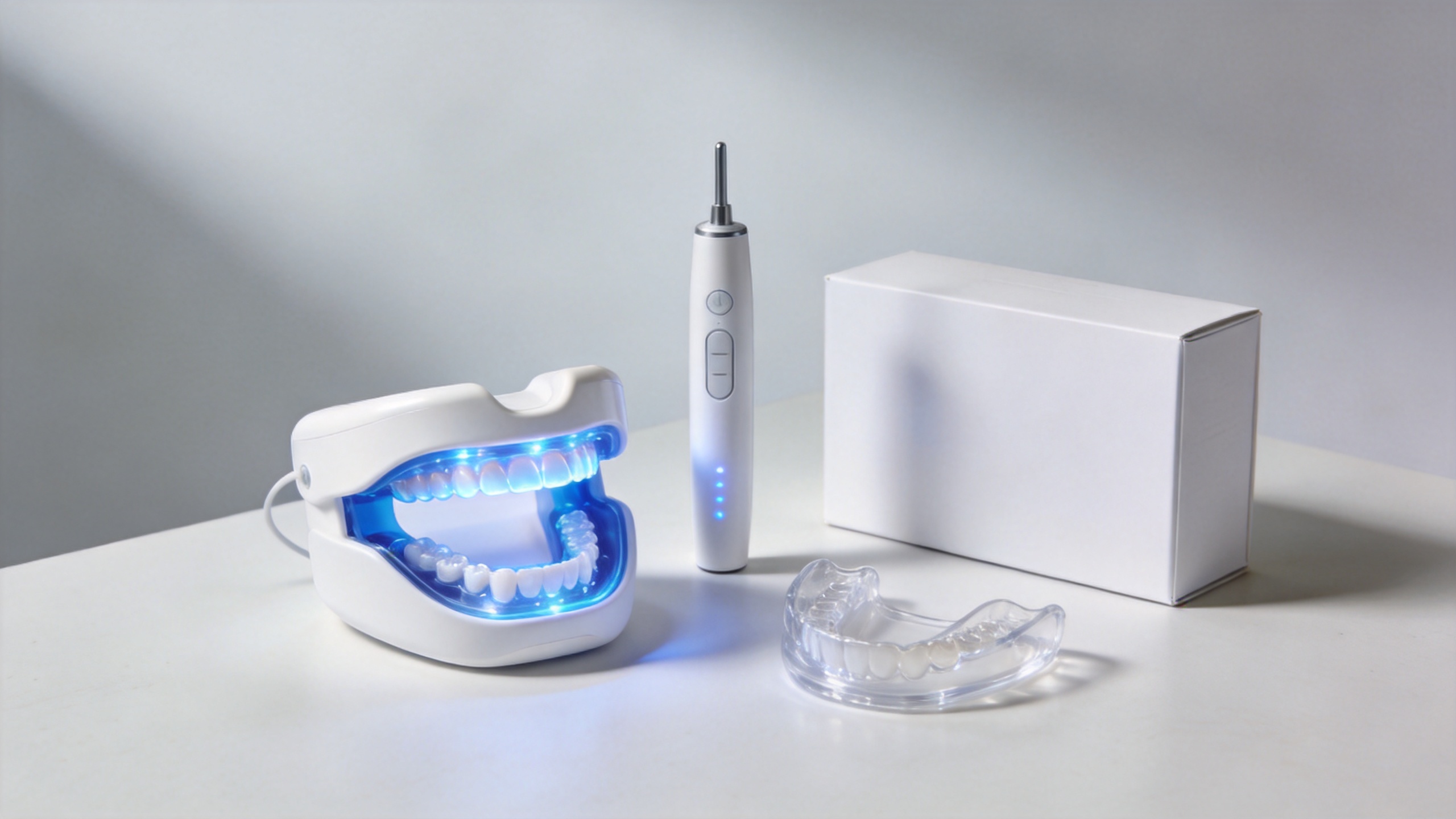
Custom FDA-Grade Teeth Light Whitening Kit For Dental Whitening Brands
A teeth light whitening kit can be a useful private-label category for an oral-care brand, but the sourcing brief has to be more precise than “FDA-grade.” That phrase is often used loosely. For a buyer building a dental-whitening line, the more productive question is: which product facts, documents, and claims can the supplier actually support for the intended market?
From a wholesale buyer’s perspective, the first useful distinction is between a consumer-facing promise and an evidence-backed product file. A light-enabled kit may include a whitening agent, trays or an applicator, a light device, instructions, packaging, and claims. Each element can affect the information you need before a brand launch.
Start With the Commercial Brief, Not the Product Name
“Teeth light whitening kit” describes a broad product direction, not a complete specification. Before comparing samples, define the sales channel, target market, intended user, kit configuration, and the claims your brand hopes to make. A custom teeth whitening kit for an online marketplace may need different label review, inserts, and packaging information than one prepared for clinic distribution.
In procurement conversations, missing details are often not the product name but the launch conditions: Is the kit meant for direct-to-consumer sale, professional distribution, or a pharmacy range? Is the light an accessory, or will the product description describe its intended function? Which claims will appear on the carton, listing, and instructions? Clarifying those questions early prevents a sample review from turning into an unsupported marketing exercise later.
What “FDA-Grade” Should Mean in a Supplier Conversation
For a dental-whitening brand, “FDA-grade” should not be treated as proof that a finished kit is FDA approved. Regulatory treatment can depend on the product’s ingredients, intended use, device characteristics, destination market, and the claims used in promotion. A supplier should be able to explain what the phrase refers to and provide documents that can be reviewed by the brand’s qualified regulatory or legal advisers.
Ask for a document map rather than a vague assurance. Depending on the exact product and market, that map may include ingredient and material information, batch or quality records, safety documentation, labeling drafts, instructions, testing summaries, and the basis for any regulatory statements. The FDA’s recognized-consensus-standards database lists ISO 28399:2021 for external tooth-bleaching products; that is a useful reference point for a buyer to discuss with a supplier, not evidence that an unreviewed kit meets the standard.
Likewise, FDA materials describing a cleared bleaching-light product refer to visible blue light in the 400 nm spectrum. That example can help frame a technical question about a light source. It does not establish the wavelength, safety, registration, clearance, or performance of the kit being sourced. Keep confirmed supplier facts, open questions, and proposed wording in separate columns during review.
A Procurement Checklist for a Teeth Light Whitening Kit
1. Define the kit architecture
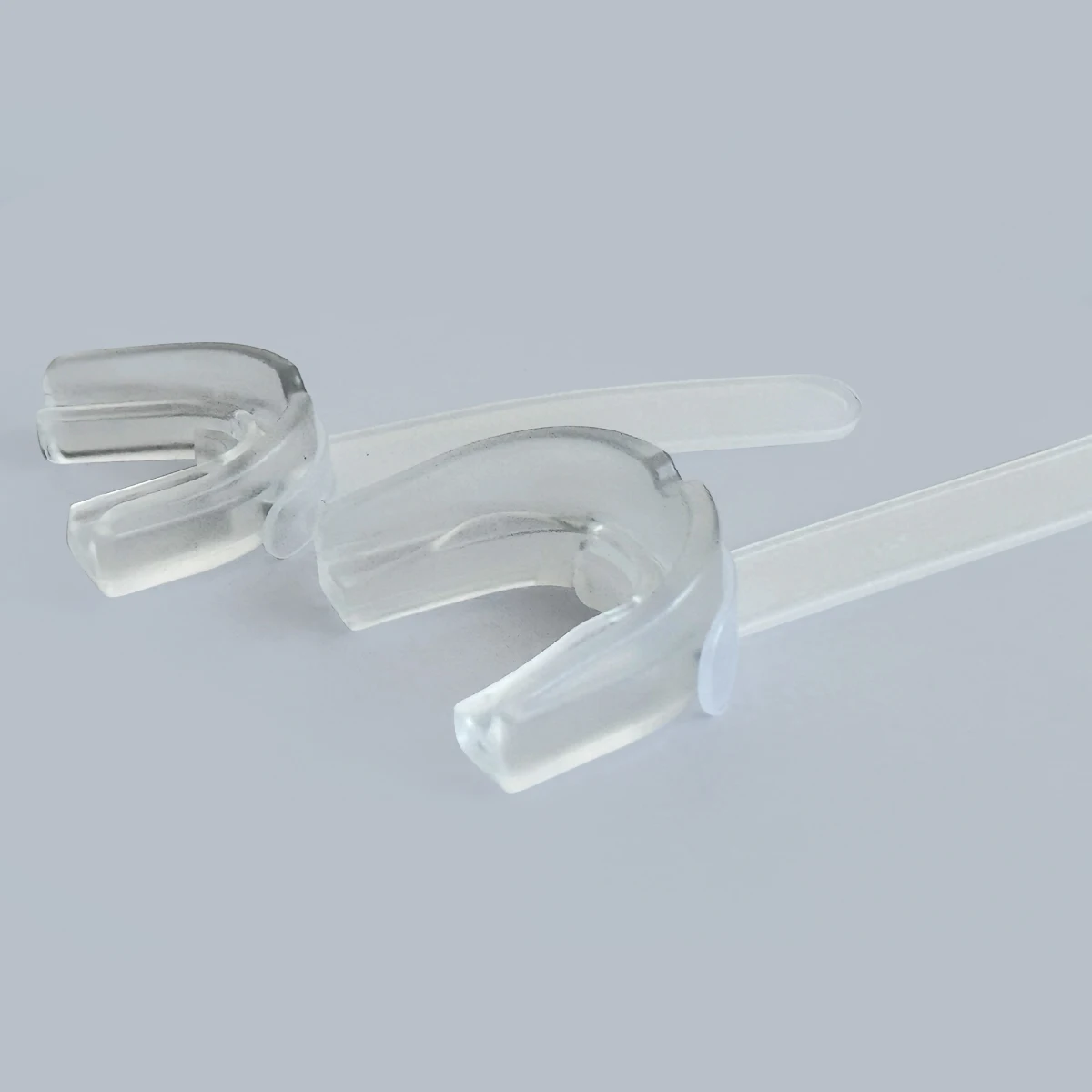
Request an itemized bill of materials: light unit, charging or power components, trays or applicators, whitening formulation where applicable, instruction leaflet, outer packaging, and accessories. This is the foundation for a bulk wholesale teeth whitening kit quote that can be compared fairly across suppliers. If two quotes contain different component counts or refill assumptions, a unit-price comparison alone is not meaningful.
2. Separate product facts from claims
Ask the supplier to identify which statements are verified for the specific configuration and which are proposed marketing language. “Easy to use,” “professional,” “fast,” and “safe” can carry different implications across markets. A disciplined claim-review sheet should connect every performance, comfort, safety, or compliance statement to a supporting record or mark it as pending review. More selling points do not automatically make a listing more credible.
3. Review the light-device documentation
For the light component, request the available technical description, operating instructions, charging information, relevant test reports, and safety warnings. If a supplier uses wavelength, timer, battery, or output claims, confirm that those claims apply to the exact model and production configuration under discussion. Do not copy specifications from a reference sample to a final branded version without written confirmation.
4. Confirm formula and packaging controls
If the kit includes gels or other whitening materials, ask what ingredient, stability, safety, and batch information is available for the target market. Review how the formula is identified on the label, how shelf-life wording is supported, and what changes trigger a new artwork or document review. For a teeth whitening kit manufacturer, the ability to keep formula, packaging, and claims records aligned is often more useful than a broad, unqualified compliance promise.
5. Make private-label changes traceable
A private-label project becomes easier to control when every requested change has an owner and a version. Track brand artwork, color, insert copy, kit components, carton language, and approval status in one table. This also helps a dental-whitening brand avoid launching with an approved sample but unreviewed final packaging. If your target channel is a clinic, pharmacy, or ecommerce platform, state that channel in the brief because information priorities may differ.
How to Compare Suppliers Without Overclaiming
Use a shared comparison sheet rather than a list of persuasive product-page statements. Useful columns include the sample ID, exact kit configuration, markets discussed, available documents, proposed claims, outstanding questions, branding options, minimum order conditions, and revision date. This shifts the decision from “which supplier says FDA-grade?” to “which supplier can supply the clearest, most traceable information for our launch plan?”
The same principle applies to costs. Besides the quoted unit price, compare what is included in sample work, artwork revisions, instruction customization, testing or documentation support, freight preparation, and post-launch version control. A low initial figure may create more internal work if the buyer must reconstruct the evidence trail later.
Prepare a Better RFQ
An effective RFQ for a teeth light whitening kit should state the intended market and channel, desired kit contents, light configuration questions, private-label artwork needs, expected order quantity, required languages, target launch timing, and the documents the buyer wants to review. It should also ask the supplier to flag any claims that require market-specific review rather than assuming all sample-copy language can be reused.
- Provide the brand name and intended customer channel.
- Specify the sample configuration you want quoted.
- List the documents and technical records you need to assess.
- Ask which claims are confirmed for that exact configuration.
- Record unresolved regulatory and labeling questions for qualified review.
Final Takeaway for Dental Whitening Brands
The strongest sourcing decision is not based on an impressive label alone. A teeth light whitening kit should be evaluated through its exact configuration, document trail, claim boundaries, and fit with your intended sales channel. When a supplier can give specific, traceable answers—and when a brand avoids turning unverified information into a public promise—the private-label process is easier to manage.
This article is a product-sourcing framework, not regulatory or dental advice. Before making FDA-related, safety, efficacy, or market-access claims, have the final product, labeling, and supporting materials reviewed by appropriately qualified professionals for the markets where you plan to sell.


 Hot News
