 EN



How Can High-Quality Silicone Bite Guard Prevent Sleep Bruxism Damage?
Waking with a tight jaw, tender teeth, or a dull morning headache can be unsettling. For people who clench or grind while asleep, a silicone bite guard can create a protective layer between the upper and lower teeth. It does not promise to stop sleep bruxism, and it is not a substitute for a dental diagnosis. Its practical role is more specific: a well-fitting guard may help limit direct tooth-on-tooth contact while you and your dental professional address the bigger picture.
That distinction matters. Bruxism can be associated with visible tooth wear, cracks, jaw discomfort, and sensitivity. A silicone bite guard is a practical form of damage control for the mouth, not a cure for the habit. When fit, material, hygiene, and follow-up are handled thoughtfully, it can be a useful part of a protection plan.
What a Silicone Bite Guard Can—and Cannot—Do
During a grinding episode, the teeth normally meet directly. A silicone bite guard places a resilient interface between them, which may spread contact forces over the appliance instead of concentrating them on enamel edges, restorations, or one painful tooth. In other words, the guard is designed to take some of the wear that might otherwise occur at tooth surfaces.
That does not mean every appliance changes how often a person grinds. Evidence reviews on occlusal splints note that these appliances are commonly used to prevent tooth wear, while evidence is insufficient to show that they reduce sleep bruxism itself. That is a helpful boundary when evaluating a silicone bite guard: expect protection from contact, not a promise that clenching, stress, sleep disruption, or jaw symptoms will end.
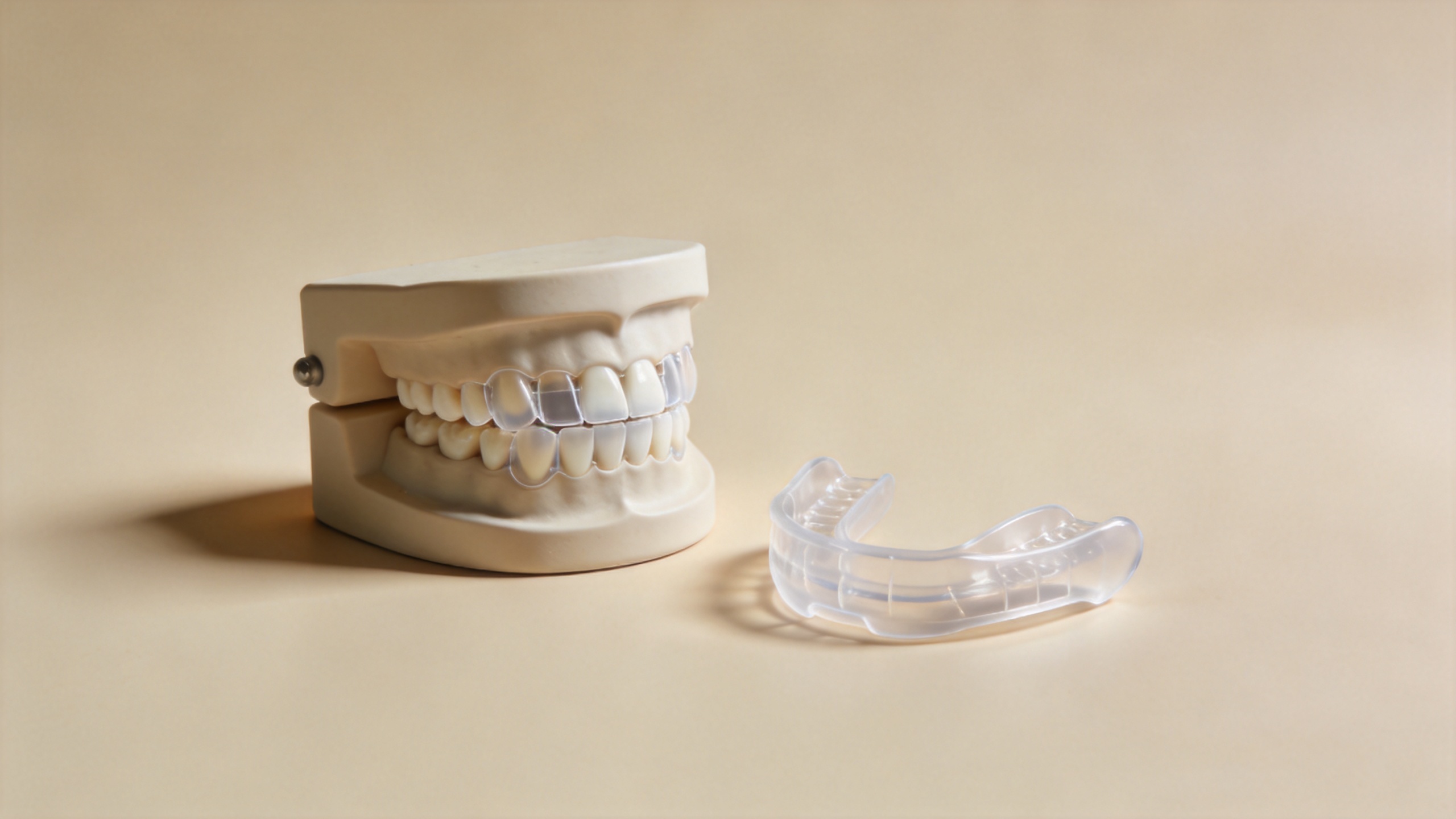
Why Quality and Fit Matter More Than a Generic “Soft Guard” Label
Not all soft appliances behave the same way in the mouth. A high-quality silicone bite guard should sit securely enough that it stays in place overnight without feeling loose, pinching the gumline, or interfering with normal breathing. If it shifts, folds, or needs constant repositioning, it may not provide consistent coverage where the teeth meet.
Fit also affects how likely someone is to wear the appliance consistently. A guard that feels bulky or causes sore spots may end up in a bedside drawer. For dental teams, retailers, and distributors, the better question is not simply “Is it soft?” but “Does the design support retention, coverage, cleanability, and a clear path to professional review when needed?” A custom mouth night guard may be appropriate when a dentist determines that individual tooth shape, existing dental work, or bite relationships require a more tailored solution.
Look for coverage at the points of wear
A useful silicone bite guard should cover the teeth intended to be protected without sharp or ragged edges. Examine the areas where wear is visible and discuss them with a dentist. A guard cannot reliably protect a tooth it does not cover, and an appliance that causes a new pressure point deserves attention rather than “breaking in” indefinitely.
Check retention before relying on it overnight
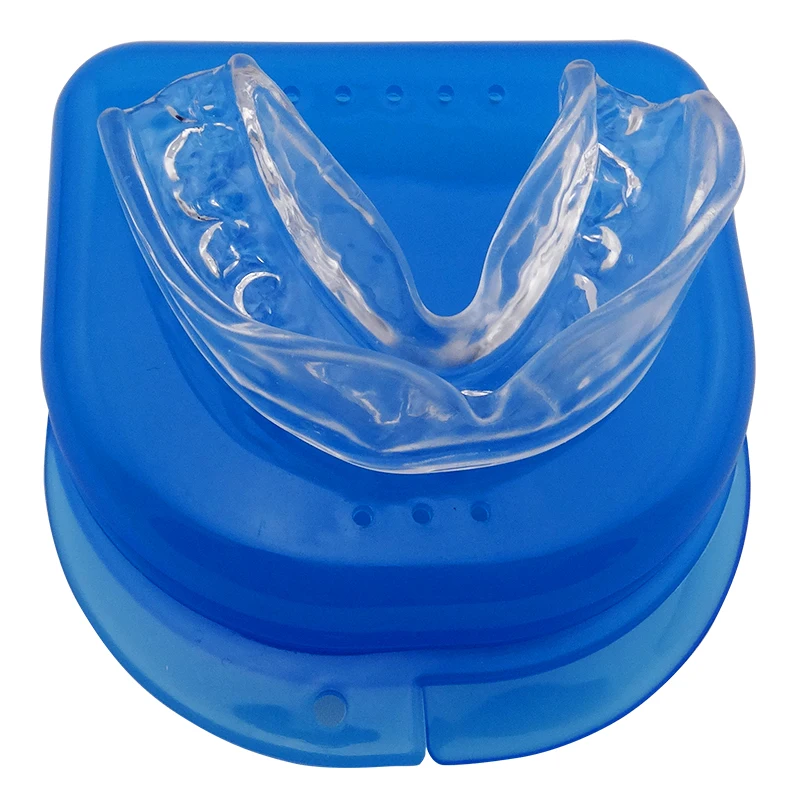
Retention is a practical quality signal. With clean hands, a wearer should be able to seat the silicone bite guard as directed and feel that it remains stable during ordinary jaw movement. Excessively loose retention can reduce protection; excessive tightness, pain, or difficulty removing it can be a reason to pause and seek professional advice.
Consider cleanability as part of protection
Because an appliance is worn for hours in a warm, moist environment, cleaning instructions matter. Rinse the silicone bite guard after use, clean it according to its instructions, allow it to dry, and store it in a ventilated case. Replace it if it becomes torn, distorted, persistently odorous, or difficult to clean. Hygiene will not treat bruxism, but it helps keep a reusable appliance suitable for regular use.
A Simple Sleep-Bruxism Protection Checklist
Before choosing or recommending a silicone bite guard, work through these practical questions:
- What is the goal? Is the main concern tooth wear, chipped dental work, morning jaw soreness, or a combination?
- Has a dentist assessed the problem? A dental examination can identify worn enamel, cracks, sensitivity, or bite-related concerns that are not obvious at home.
- Will the guard stay put? A silicone bite guard should not routinely fall out, buckle, or cause pain.
- Can it be cleaned and inspected? The wearer should be able to follow clear care instructions and notice tears or deformation.
- Is the product being positioned honestly? A dental mouth night guard can be presented as a protective appliance, not as a treatment claim for the cause of grinding.
For organizations that source a dental mouth night guard or work with a mouth night guard quality supplier, these questions are also useful for product information and customer support. Clear instructions about intended use, care, and referral signals are more responsible than broad claims about curing sleep problems.
When a Silicone Bite Guard Needs Professional Input
Do not ignore pain simply because a guard is available. Arrange a dental evaluation if you notice persistent jaw pain or stiffness, new tooth sensitivity, loose or cracked teeth, headaches that are frequent or worsening, a guard that changes how your teeth meet, or difficulty opening and closing the mouth. These signs do not diagnose a condition by themselves, but they do justify professional assessment.
A dentist can determine whether a silicone bite guard is suitable, whether a custom mouth night guard offers a better fit, and whether other contributors to sleep bruxism need attention. That conversation is especially important for people with crowns, bridges, implants, orthodontic appliances, significant periodontal concerns, or a history of temporomandibular symptoms.
How to Use a Silicone Bite Guard Responsibly
- Follow the fitting and care directions supplied for the specific silicone bite guard.
- Use it only as intended; do not alter it with heat or trimming unless the manufacturer or dental professional directs you to do so.
- Inspect the silicone bite guard regularly for tears, thinning, distortion, or rough edges.
- Bring the appliance to dental appointments when discussing tooth wear or jaw symptoms.
- Replace the silicone bite guard when wear or hygiene concerns make continued use unsuitable.
Small checks like these can prevent a protective tool from becoming a source of uncertainty. The aim is not to self-diagnose every morning; it is to notice changes early and keep the appliance functioning as intended.
The Bottom Line
A high-quality silicone bite guard may help reduce the physical damage of sleep bruxism by separating the teeth and limiting direct grinding contact. The most dependable choice is one that fits securely, covers the relevant teeth, can be cleaned properly, and is used with realistic expectations. It should complement—not replace—dental evaluation when pain, tooth damage, or a changing bite is present. Used thoughtfully, a silicone bite guard can be a sensible protective step while the underlying causes of sleep bruxism receive appropriate attention.


 Hot News
