 EN



Custom FDA-Grade Teeth Whitening Mouth Guard For Dental Whitening Brands
For a dental brand, a teeth whitening mouth guard is not simply a small accessory to source at the lowest unit price. It is the tray that holds a whitening gel against the teeth, so its fit, intended use, labeling, packaging, and supporting records all affect the customer experience and the downstream work of a wholesale program. The phrase “FDA-grade” also deserves careful handling: it can be useful shorthand in a buyer brief, but it is not a regulatory status by itself.
From a wholesale buyer’s perspective, the productive starting point is to define the intended market and product claim, then request evidence that matches that claim. This article is a procurement framework, not a clinical recommendation. A teeth whitening mouth guard should be described as a tray designed to hold a compatible whitening gel; it should not be confused with a grinding or sports guard, and it should not be presented as a substitute for dental advice.
Start by defining what your whitening tray is meant to do
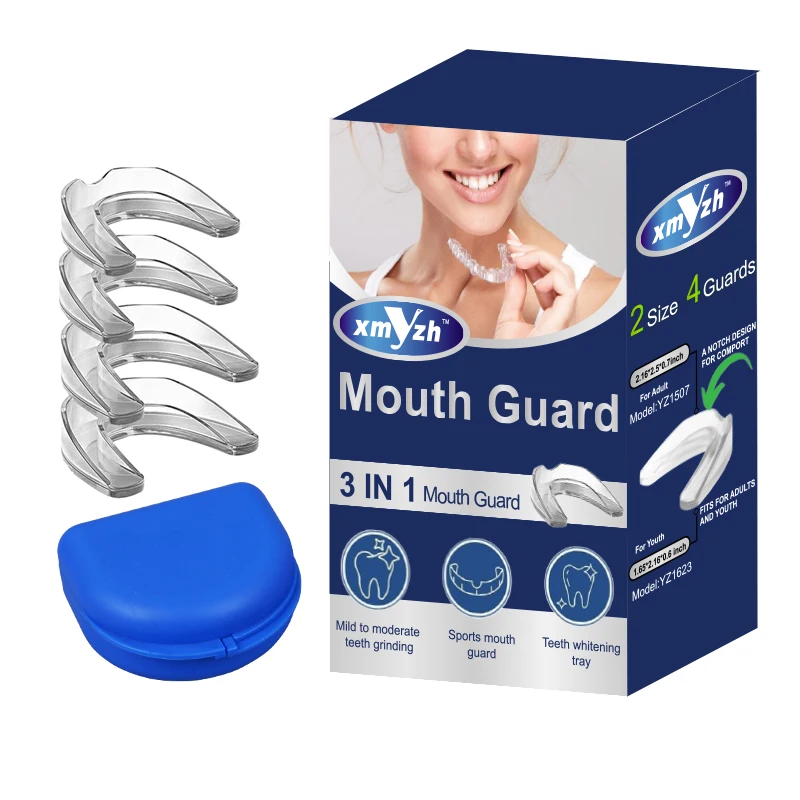
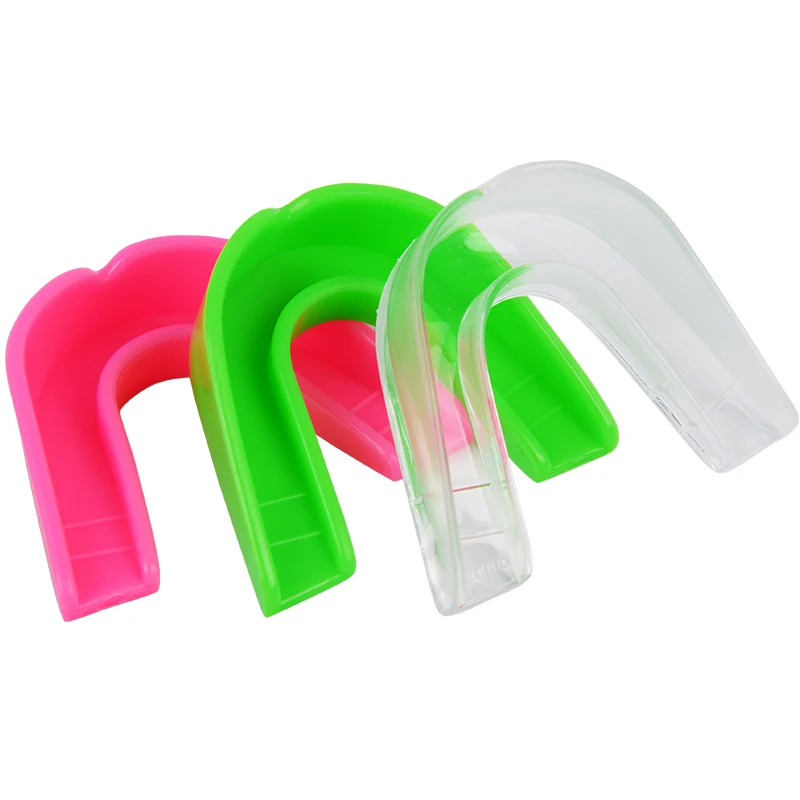
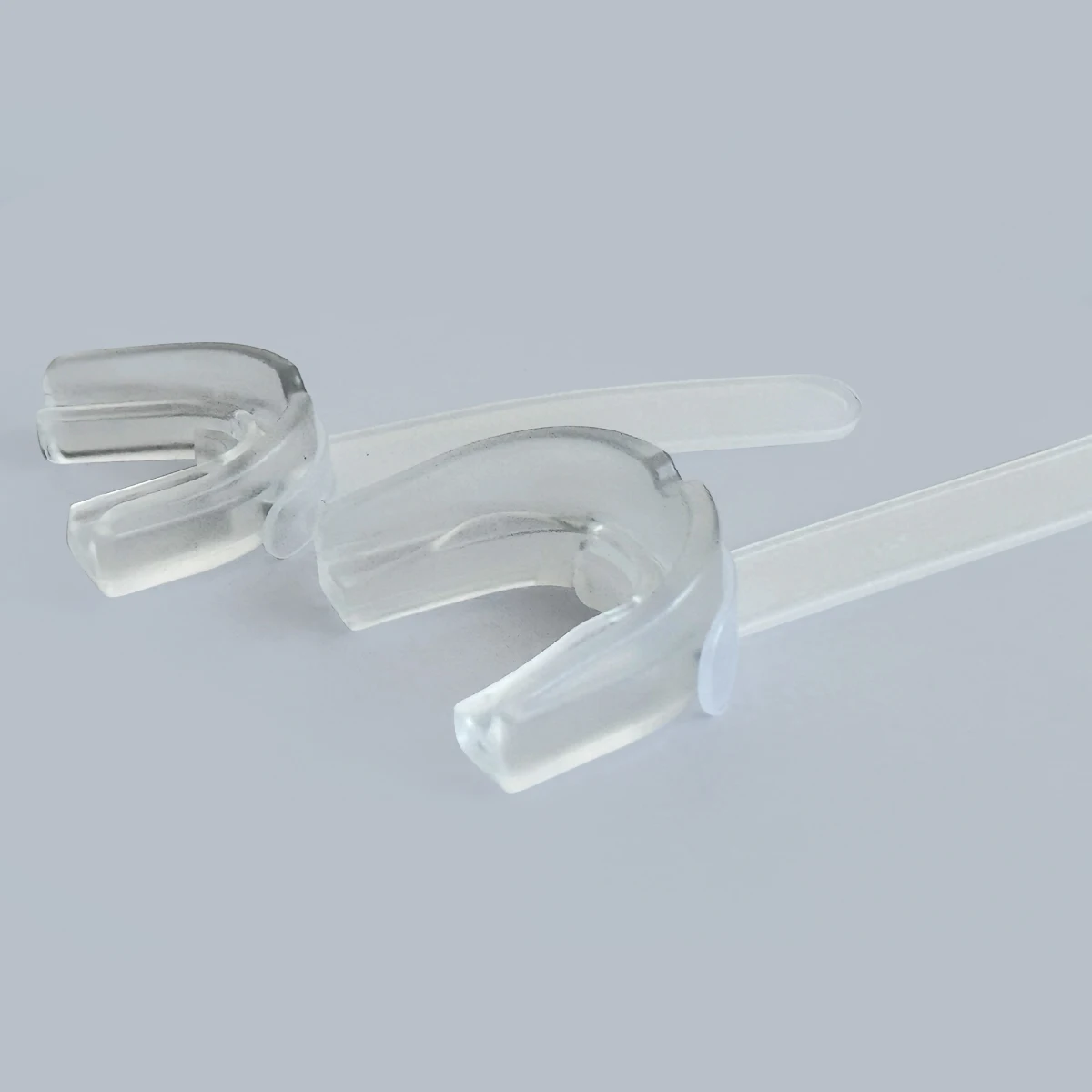
Search results often mix whitening trays, generic boil-and-bite guards, LED kits, and night guards. That makes category language a sourcing issue. A custom teeth whitening mouth guard for a dental whitening brand is generally evaluated for gel containment, fit around the dental arch, edge finish, repeatable wear, and compatibility with the brand’s instructions. A night guard addresses a different use case; its appearance alone does not establish that it is appropriate for holding whitening gel.
Before requesting a quotation, put the use case in writing. Is the tray being supplied through a clinic, a pharmacy, an e-commerce program, or a dental wholesale network? Is the brand providing the gel separately? Will the tray be made from an impression, scan, or a standardized format? Those answers determine the material questions, packing format, artwork review, and compliance documents to request.
“FDA-grade” needs a document-based definition
For U.S.-facing programs, avoid using “FDA-grade” as a standalone performance or approval claim. FDA explains that establishment registration, a registration number, or device listing does not by itself mean that an establishment or its products have FDA approval, clearance, or authorization. Therefore, a supplier statement about registration is a lead for due diligence, not the conclusion of it.
A more accurate buyer workflow is to identify the exact product, intended use, market, and regulatory pathway that may apply, then ask for the relevant records. Depending on the project, that discussion can include material declarations, manufacturing information, labeling review, device listing details where applicable, test documentation, and the supplier’s explanation of what each document does and does not support. Do not turn a general facility record into a product-specific marketing statement.
External tooth-bleaching products are the subject of recognized consensus-standard material in FDA’s standards database. That does not make every tray automatically compliant. It is a reason to ask a focused question: which standard, test method, product configuration, and version of the documentation are relevant to this exact teeth whitening mouth guard and its intended presentation?
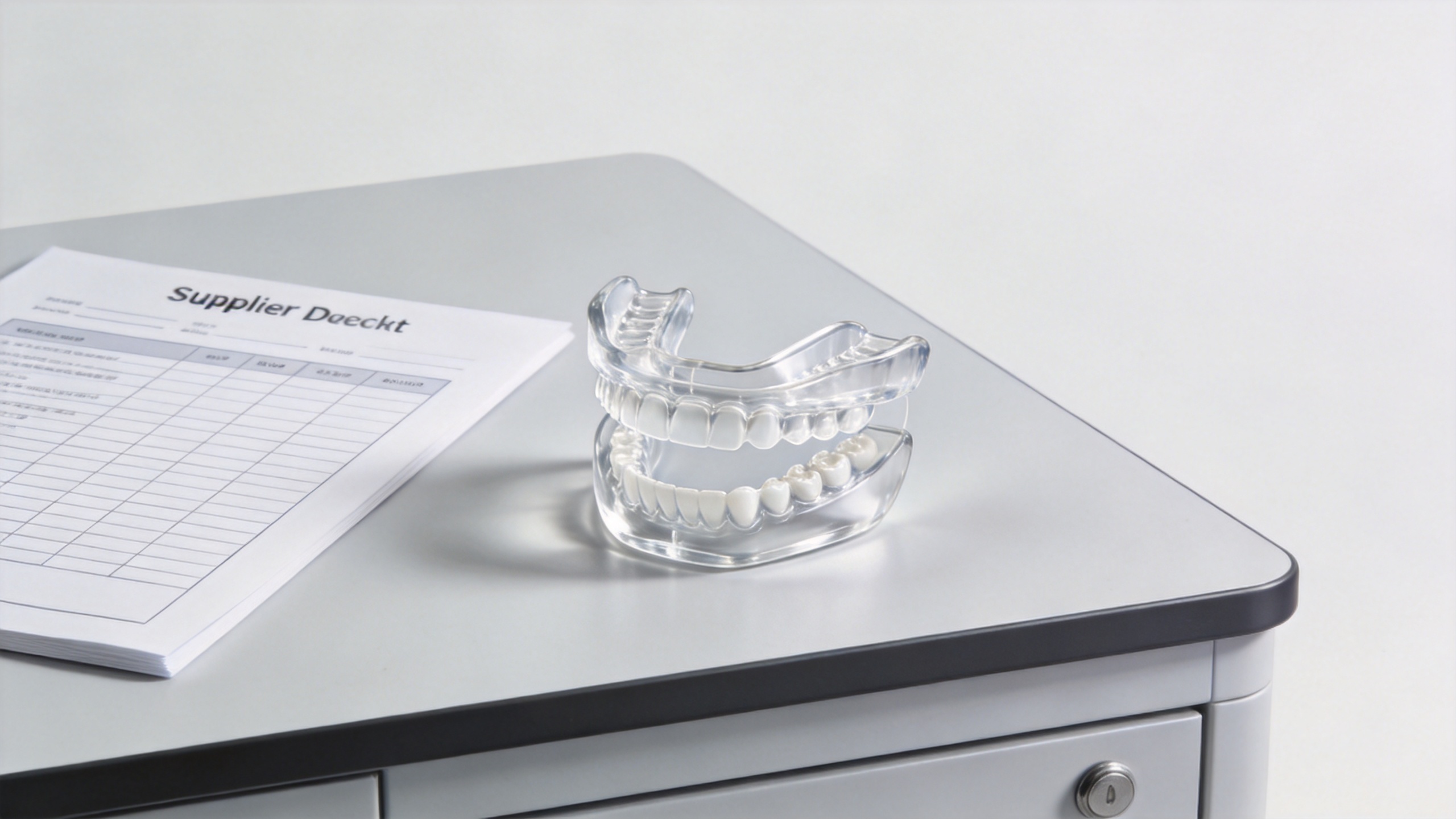
A dental wholesale checklist for custom tray sourcing
A reliable dental wholesale request converts a broad claim into items a supplier can answer and a brand team can review. Ask for details in the following order.
- Intended use and channel: State whether the tray will be provided by dental professionals, sold as a retail component, or used in a bundled whitening program. Keep consumer-facing language aligned with that use.
- Fit method: Clarify whether the product is custom formed from a dental model or scan, thermally formed from supplied materials, or made in another format. “Custom” should refer to a documented process, not a vague product name.
- Material and construction: Request the material designation, thickness options if offered, arch coverage, edge-finishing approach, and any limitations on use with particular gels. Do not assume these specifications from photos.
- Gel contact design: Confirm how the tray is expected to retain gel and whether the brand’s own instructions specify volume, wear time, or cleaning. Gel formulation and consumer instructions are separate from the tray supply decision.
- Quality documentation: Request current, product-specific records and ask which factory, production lot, or configuration each record covers. If a claim cannot be documented, leave it out of the product page and sales deck.
- Packaging and traceability: Define unit packaging, insert requirements, lot marking, carton counts, and artwork approval responsibilities. These details often create more operational work than the tray itself.
How to compare suppliers beyond the sample
A sample can show general fit and finish, but a dental wholesale decision also needs a repeatable communication process. Ask how changes are recorded when a dental impression or scan is incomplete, how remakes are handled, and what information the factory needs before production begins. This shifts the discussion from a broad “quality” promise to observable handoffs.
It is also useful to separate confirmed information from information still awaiting verification. For example, a supplier may confirm available packaging formats while material test records or regulatory documentation are still under review. Listing these items separately keeps a teeth whitening mouth guard launch from carrying claims that the evidence does not yet support.
Questions to use during supplier comparison
- What inputs are required to produce each custom tray, and how are incomplete inputs handled?
- Which specification details appear on the production record for the finished teeth whitening mouth guard?
- Which documents are product-specific, current, and applicable to the target market?
- What wording may the brand use about materials, manufacturing, and regulatory status without overstating the evidence?
- How will packaging, inserts, and lot identification be checked before the dental wholesale shipment is released?
Build claims around evidence, not around the label
Dental whitening marketing can become imprecise when a tray, gel, light, and clinical service are discussed as though they were one product. Keep the claims separate. A tray can be described according to confirmed design and intended-use information. A gel needs its own substantiation and instructions. Any outcome language should be reviewed against the actual product configuration and local requirements.
This approach is practical for brands as well as cautious. It gives sales teams a clear answer when a reseller asks about custom fit, documentation, or the meaning of “FDA-grade.” Instead of relying on a broad label, the team can provide a controlled list of confirmed attributes and a list of records available for review. That is usually easier to maintain as materials, packaging, or channels change.
Prepare a cleaner launch brief
Before selecting a factory, create a one-page brief for the proposed teeth whitening mouth guard. Include the target channel, intended use, fit method, approved material descriptions, packaging requirements, requested records, claim restrictions, and review owners. Add questions that still need answers rather than filling gaps with assumptions. The same brief can support sample evaluation, artwork review, and dental wholesale conversations.
For dental whitening brands, the disciplined choice is not the supplier with the broadest wording. It is the partner whose product information, sample process, packaging plan, and documentation can be matched to the brand’s intended use. Treat “FDA-grade” as a prompt to verify details, and treat a custom whitening tray as a controlled component within a broader whitening program.


 Hot News
