 EN



High-Quality Mouthguard Dental For Bruxism Relief And Sleep Comfort
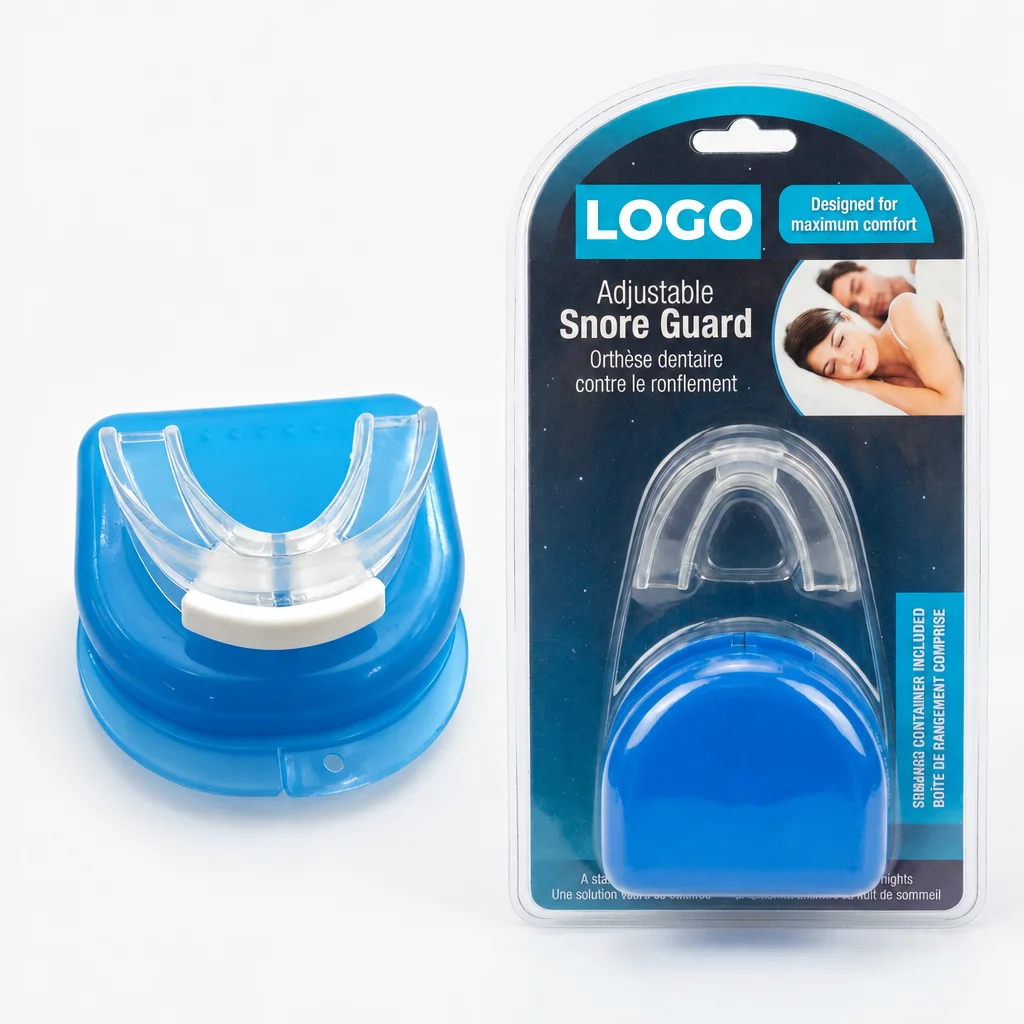
Waking with a tight jaw, tender teeth, or a dull morning headache can make sleep feel less restorative. A mouthguard dental option is often part of the conversation when nighttime clenching or grinding is suspected. The useful question is not simply whether to wear a guard. It is whether the guard is intended for nighttime use, fits comfortably, and belongs in a broader conversation with a dental professional.
As a practical oral-care guide, this article focuses on fit, comfort, cleaning, and safe decision-making. It does not diagnose bruxism or replace an examination. If you have continuing pain, loose or damaged dental work, a changing bite, or sleep concerns, arrange a dental visit.
Why a night guard can matter during sleep
Bruxism is the term often used for tooth grinding or clenching. Some people notice it; others learn about it from a partner, tooth wear, jaw tension, or a dentist. The American Dental Association notes that a dentist may suggest a night guard to help protect teeth while a person sleeps. A guard does not address every possible contributor to clenching, but it can create a protective barrier between upper and lower teeth.
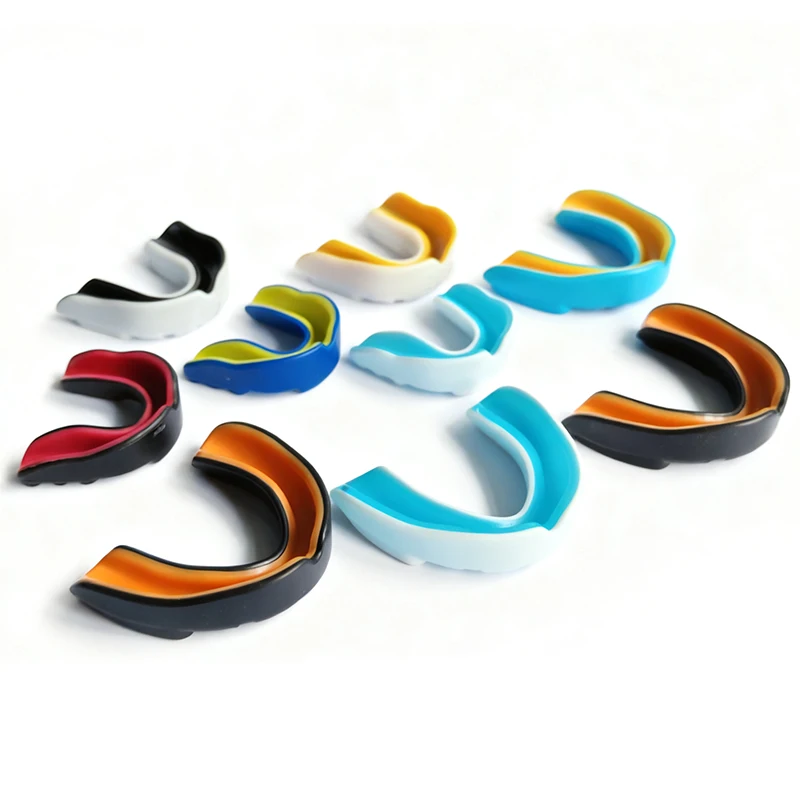
That distinction matters. A mouthguard dental product used for nighttime grinding is not the same as a sports mouthguard. Sports guards are designed around impact protection. A night guard is selected around how it sits over the teeth, how it feels during sleep, and whether it can be used consistently without aggravating discomfort.
What to look for in a mouthguard dental option
Start with the intended use
Read the use description carefully. For suspected sleep grinding, look for a product intended as a night guard rather than assuming any molded guard will suit the purpose. A dental professional can help distinguish a simple protective option from a situation that needs a more tailored approach, particularly when there are crowns, bridges, implants, braces, or ongoing jaw symptoms.
Comfort comes from fit, not from a marketing label
A guard should stay in place without feeling rough, overly bulky, or loose. If it shifts when you relax your jaw, makes you gag, creates pressure points, or changes how your teeth meet after you remove it, pause use and ask a dental professional for advice. Comfort affects consistency: a night guard left on the bedside table cannot provide the intended tooth-to-tooth separation.
People sometimes expect immediate sleep comfort from a mouthguard dental purchase. A more realistic approach is to allow a short adjustment period while paying close attention to irritation, jaw tension, and fit. New or increasing discomfort is a reason to seek guidance rather than forcing continued use.
Consider material and thickness in context
Material feel, edge finish, and thickness can influence comfort, but they do not tell the whole story. A softer guard may feel different from a firmer one; neither category alone confirms suitability. The useful comparison is whether the guard covers the intended teeth, has smooth edges, follows its care instructions, and feels stable through the night.
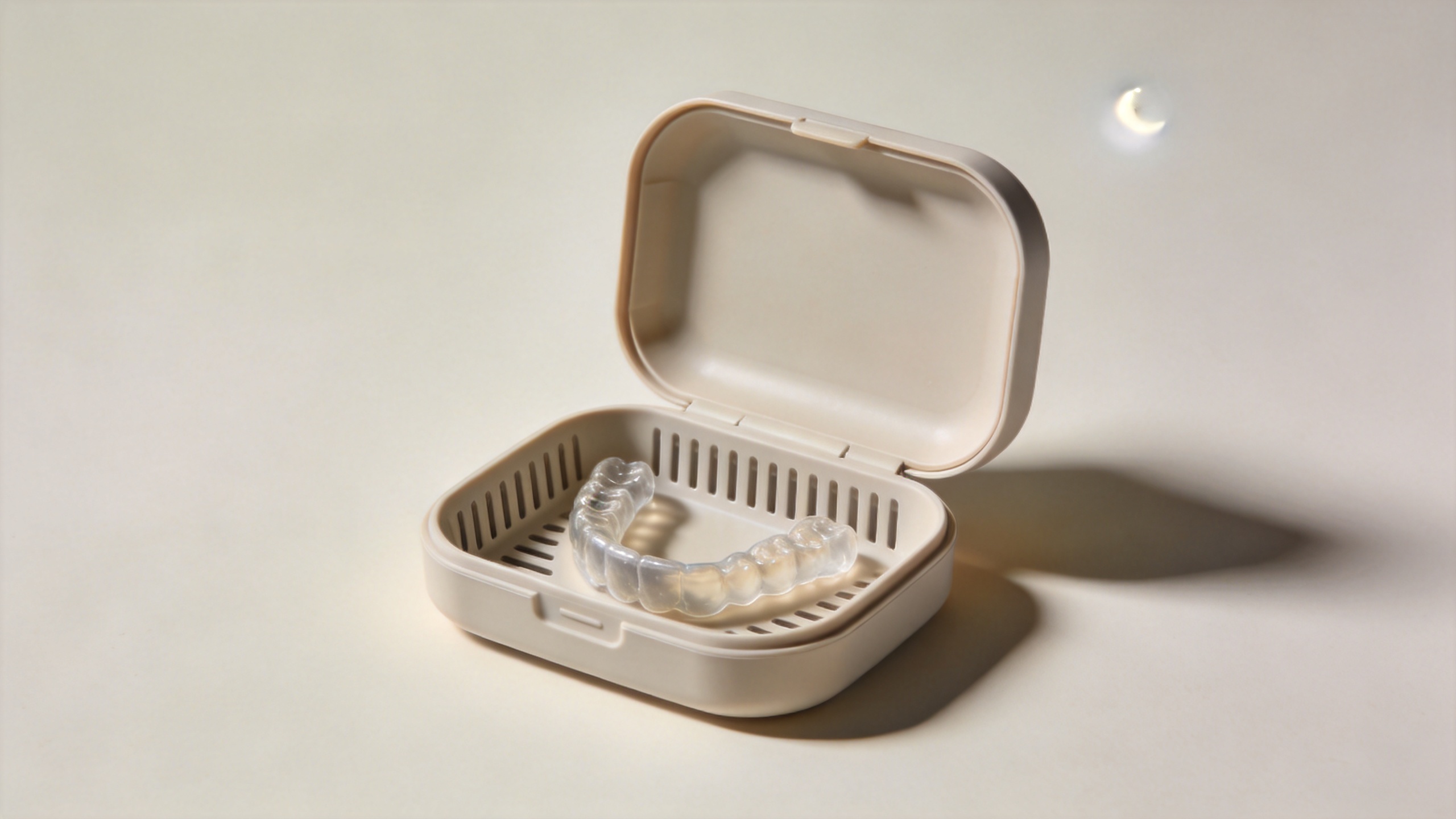
A simple at-home comfort check
- Inspect it in good light. Look for rough edges, cracks, warping, or areas that look worn through.
- Seat it gently. It should settle without needing to bite hard to keep it in place.
- Check speech and breathing. A little difference is common, but gagging or restricted breathing is not something to ignore.
- Notice morning changes. Remove the guard and see whether your bite feels normal within a short time. Persistent changes warrant professional advice.
- Clean and dry it. Rinse after use, follow the maker’s cleaning directions, and let it dry before storage to reduce odor and residue.
When a dentist should guide the choice
Self-selection may be reasonable for a simple, temporary starting point, but a dentist is especially helpful when symptoms are frequent, the guard repeatedly feels wrong, or dental work is present. Evaluation can also matter when grinding seems connected with facial pain, tooth sensitivity, damaged teeth, sleep disruption, or a noticeable change in how the jaws meet.
A clinician can assess wear patterns and discuss whether a custom approach, another oral-care step, or referral is appropriate. That is a more useful goal than looking for a one-size-fits-all answer. The right mouthguard dental plan should fit the person’s teeth and circumstances, not just a general product category.
Night guard care: small habits that support comfort
- Use cool or lukewarm water unless the care instructions say otherwise; excess heat can distort some guards.
- Keep the storage case clean and ventilated.
- Do not share a guard, even within a household.
- Bring it to dental appointments when discussing fit, wear, or symptoms.
- Replace it when it cracks, no longer fits, develops persistent odor, or shows marked wear.
These steps do not make a poorly fitting guard suitable. They simply help a suitable guard remain cleaner and easier to use. For buyers comparing a wholesale supply of oral-care products, clear labeling, individual hygiene instructions, and a route for professional questions are important considerations alongside packaging and availability.
Questions to ask before choosing a night guard
| Question | Why it helps |
|---|---|
| Is this intended for nighttime grinding rather than sport impact? | It keeps the product purpose aligned with the user’s concern. |
| Does the fit feel stable and smooth? | A stable fit is central to overnight comfort and regular use. |
| Do I have crowns, bridges, implants, braces, or recurring pain? | These are good reasons to consult a dentist before relying on an over-the-counter choice. |
| Are cleaning and replacement instructions easy to follow? | Practical care supports hygiene and helps identify when the guard should no longer be used. |
| Am I expecting a guard to solve a broader sleep or jaw issue by itself? | Keeping expectations realistic supports better follow-up decisions. |
Make comfort the practical standard
A high-quality mouthguard dental choice is one that matches its intended nighttime role, feels stable enough to wear, and is used with sensible follow-up. A night guard may help separate the teeth during sleep, but ongoing grinding, pain, damaged teeth, or poor fit deserve dental attention. By focusing on purpose, fit, care, and professional guidance when needed, you can make a calmer and more informed decision about sleep comfort.
Frequently asked questions
Can a mouthguard dental product be used for bruxism?
A guard intended for nighttime grinding may be part of a dentist-guided plan for bruxism. It is not a diagnosis or a substitute for assessing persistent pain, tooth damage, or sleep-related concerns.
Is a night guard the same as a sports mouthguard?
No. Both cover teeth, but a night guard is selected for sleep-related clenching or grinding, while a sports mouthguard is designed for impact during activity. Use the product only for its stated purpose.
How do I know whether a guard is uncomfortable for the wrong reason?
Pressure points, gagging, loosening, rough edges, ongoing jaw discomfort, or a bite that continues to feel altered after removal are signs to stop and seek dental advice.


 Hot News
