 EN



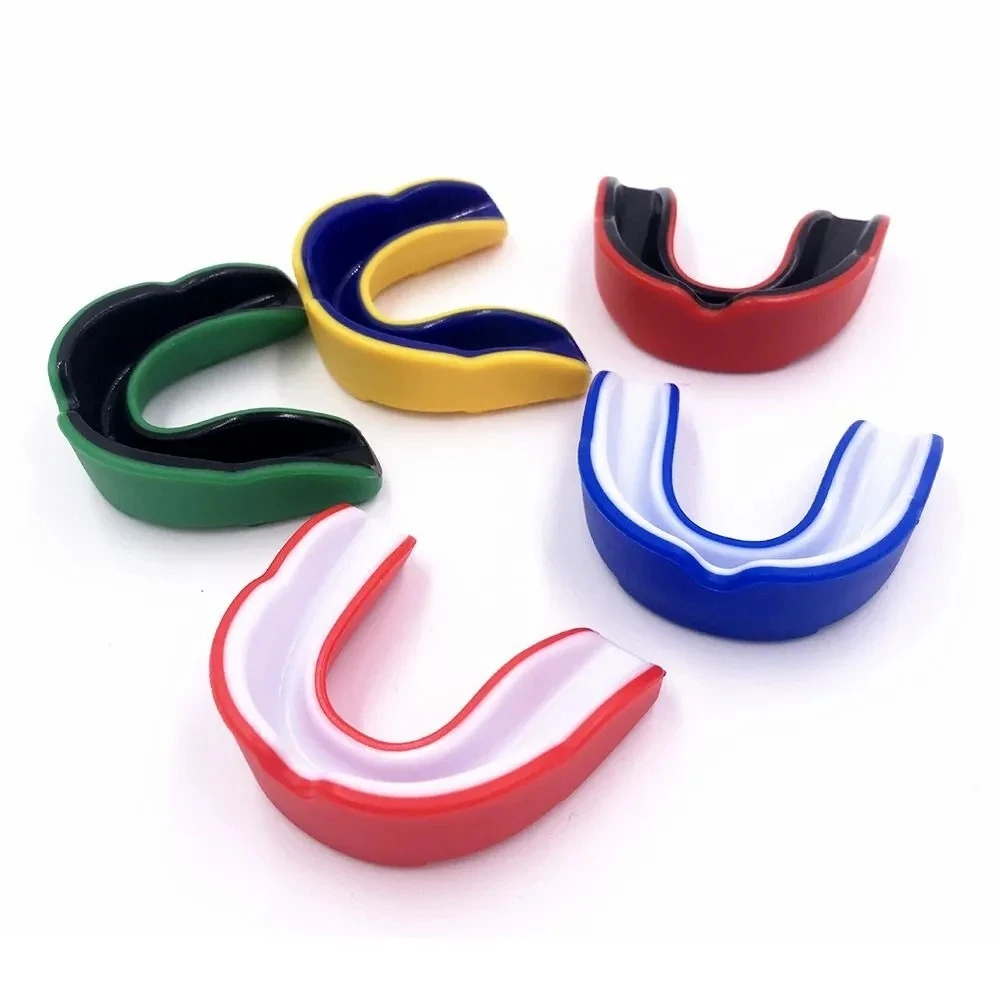
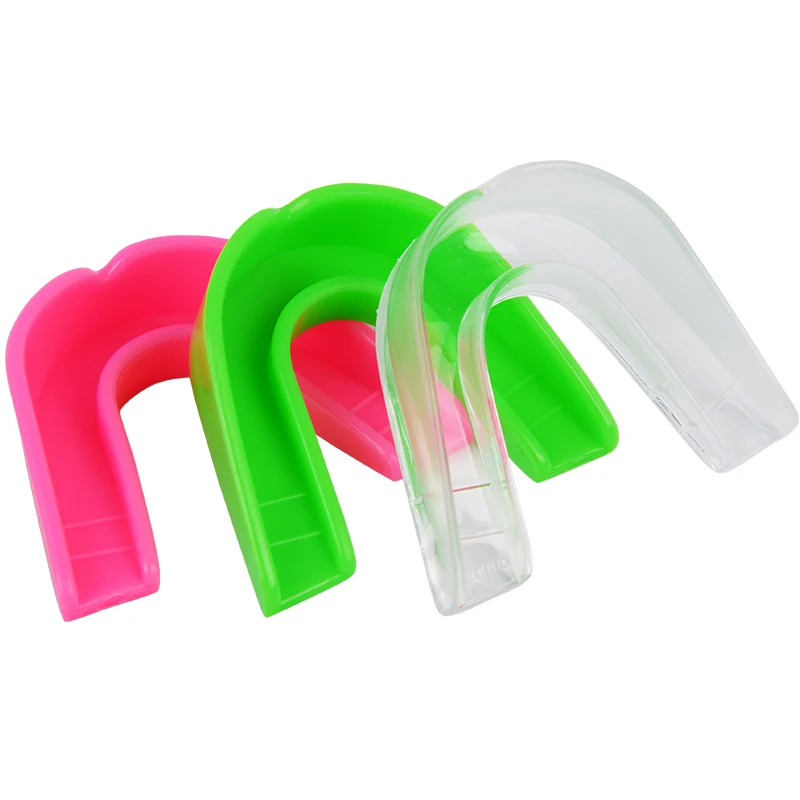
Custom-Fit Dental Custom Dental Mouth Guard For Sleeping And Night Protection
A custom dental mouth guard is often considered when a person wants a sleep-time appliance that follows the shape of their teeth rather than relying on a generic one-size form. The useful question is not simply whether a guard feels soft or firm. It is whether its intended use, fit process, material information, and care instructions make sense for the wearer. A custom dental mouth guard is a product category, not a diagnosis or a substitute for an individual dental assessment.
From a product-fit perspective, begin with the goal: are you looking for a guard to discuss nighttime clenching or grinding, or are you comparing options for a channel assortment? Those purposes call for different questions. A well-documented custom dental mouth guard should make its intended use clear and should not be confused with a sports protector, a whitening tray, or a device intended for another oral-health need.
Why the fit process matters for night use
People commonly use the phrase custom dental mouth guard to describe a guard made from an impression or scan of the wearer’s teeth. That approach can help create a closer fit than a ready-made option, but comfort still depends on the individual, the design, and the instructions provided with the appliance. If a guard feels painful, loose, rough, or changes how the teeth meet, it is sensible to stop guessing and ask a dental professional for guidance.
It helps to separate a comfortable fit from a promise of a health outcome. A custom dental mouth guard may be designed around dental anatomy, yet no article can determine whether a particular design is suitable for your mouth. Ask how fit is captured, whether the supplier provides adjustment guidance, and what to do if the guard does not sit as expected.
A practical checklist before choosing a custom dental mouth guard
Rather than comparing only appearance or headline price, use a short verification list. This is especially useful for shoppers and for buyers building a wholesale assortment.
- Intended use: Confirm that the custom dental mouth guard is described for nighttime use and that the use case matches your reason for seeking it.
- Fit method: Ask whether the process uses an impression, scan, or another documented method, and ask who reviews the fit.
- Material information: Request the available material description, thickness options where applicable, and any handling limitations. Do not assume a material feature that has not been documented.
- Comfort and adjustment path: Clarify what a comfortable fit should feel like and what support is available if the guard rubs, shifts, or feels bulky.
- Care information: Check the supplier’s instructions for rinsing, cleaning, drying, storage, and inspection.
- Professional boundaries: If you have pain, a changing bite, dental work in progress, or concerns about sleep or jaw symptoms, seek individualized advice before relying on a product description.
For a custom dental mouth guard, this checklist is more useful than broad marketing language because it focuses on information you can verify. It also keeps purchasing discussions grounded when the product is intended for a personal, sleep-related setting.
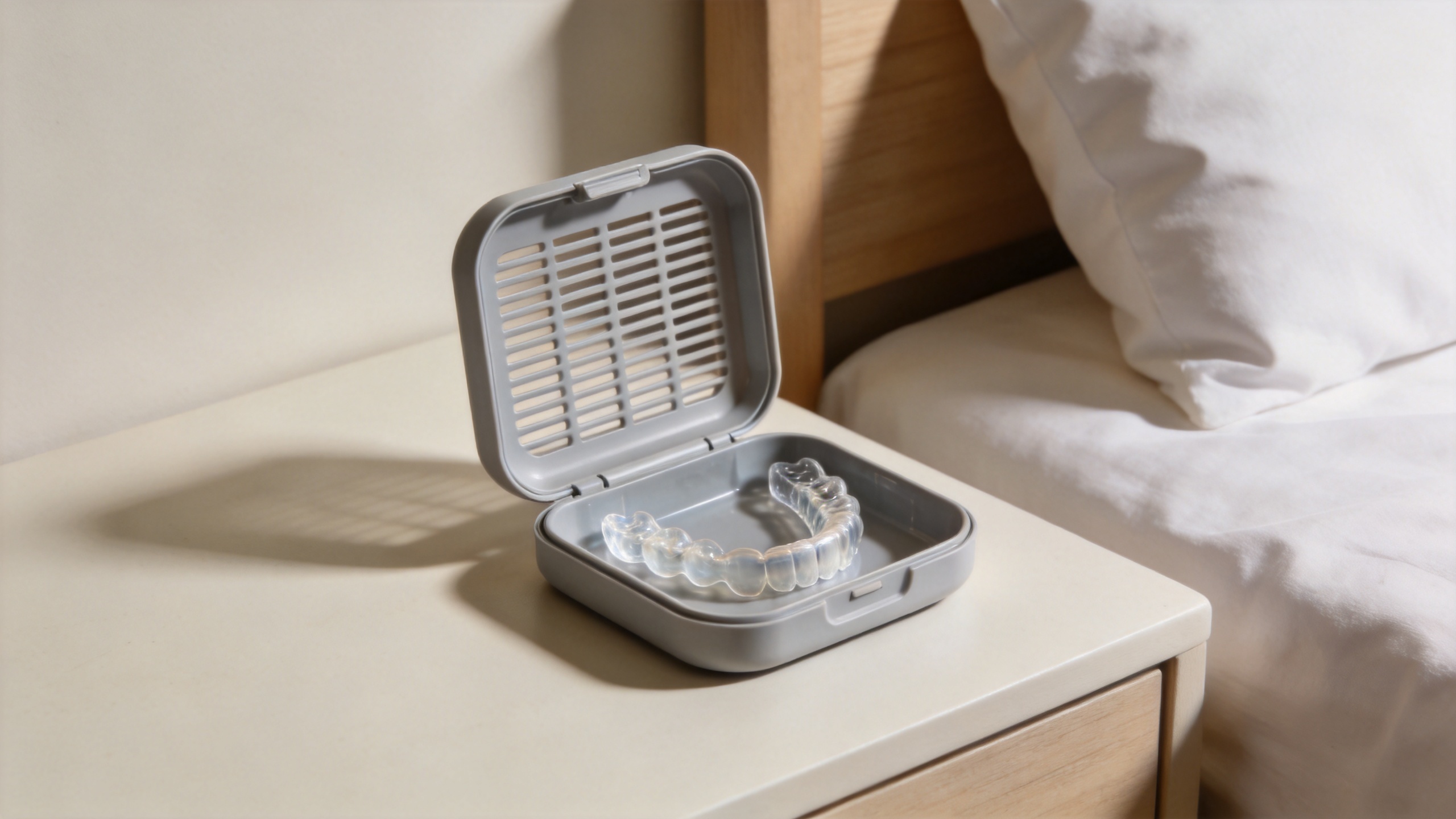
Comfortable fit: what to look for without overpromising
A comfortable fit usually starts with clear expectations. A custom dental mouth guard should be stable enough to stay in position as intended, while not creating obvious pressure points or rough contact areas. “Comfortable” is personal: one wearer may prefer a lower-profile design, while another may need a different approach based on their dental situation. Product descriptions should state the available choices rather than imply that one option suits everyone.
There is also a timing question. New oral appliances may require an adjustment period, but persistent discomfort is not something to ignore. When evaluating a custom dental mouth guard, look for specific instructions about fit checks and support. In a wholesale or retail setting, that means asking the supplier for clear, customer-facing documentation rather than leaving end users to interpret vague claims.
How to compare custom and ready-made options
Ready-made guards and a custom dental mouth guard can serve different purchasing situations. A ready-made option may be easy to obtain, while a custom route emphasizes a fit process based on the wearer’s teeth. Neither label alone answers every question. Compare the information supplied with each option: intended purpose, fit process, materials, cleaning directions, adjustment process, and return or support policies.
For nighttime use, avoid treating sports mouthguards as interchangeable with a custom dental mouth guard. Their design aims and fit expectations may differ. If you are uncertain which category applies, ask a qualified dental professional rather than selecting based only on a product name.
Questions for wholesale, clinic, and online retail buyers
Wholesale buyers have an added responsibility: the final user needs clear information, not a stack of broad claims. When sourcing a custom dental mouth guard for resale, request a documentation pack that covers product purpose, available specifications, packaging, labeling, cleaning guidance, and customer-support steps. Confirm the minimum order, customization workflow, sample process, and lead-time details directly with the supplier instead of assuming them.
For a wholesale listing, write copy that distinguishes confirmed product information from questions the customer should raise with a dental professional. A custom dental mouth guard should not be positioned as a universal answer for snoring, jaw conditions, or sleep problems. Clear boundaries support better customer conversations and help a retailer avoid mixing unlike dental product categories.
Care and replacement questions to ask
Care practices vary by design and supplier. In general, a custom dental mouth guard should be kept clean and dry according to its specific instructions, then stored in a clean case that allows appropriate airflow if the provider recommends it. Avoid improvising with heat, harsh cleaners, or products not approved for the guard’s material. When in doubt, ask for the manufacturer’s care guide or a dental provider’s instructions.
Inspect the guard regularly for cracks, warping, rough edges, changes in fit, or odor that does not resolve with the recommended care routine. Any of those changes is a reason to request guidance. A custom dental mouth guard may also need reassessment after significant dental changes, so keep the provider’s contact and product details available.
Make the decision with verified information
The most useful way to choose a custom dental mouth guard is to move from a product name to a set of answerable questions: What is it intended for? How is the fit created? What material and care details are documented? What happens if it is uncomfortable? This approach supports a more informed purchase without treating general online information as personal dental advice.
For consumers, the next step is to compare documented options and consult a dental professional when individual symptoms or fit concerns are involved. For wholesale teams, the next step is to request a complete specification and support package before listing a custom dental mouth guard. That keeps the conversation centered on transparent information, appropriate expectations, and a fit process that can be reviewed.

 Hot News
