 EN



Why Our Custom Mouth Guards Sports Is The Preferred Choice For Importers
For an importer, mouth guards sports are not a simple add-on to a sports gear range. They are a product category where the purchase brief needs to connect athlete use, customization, packing, product information, and repeat-order consistency. A low quotation can look attractive at the start, but it does not tell a buyer whether the supplier can keep the approved artwork, size mix, instructions, and inspection points aligned from one shipment to the next.
That is why experienced buyers tend to prefer a custom program over an undifferentiated catalog item. The preference is practical: custom mouth guards sports give the importer more control over the offer presented to distributors, teams, retailers, or online customers. The right question is not simply “What is the factory price?” It is “What can be specified, checked, and repeated at that price?”
Start With the Use Case, Not the Product Name
“Sports mouth guard” can describe very different products. A buyer should first define the intended sport category, likely contact level, target age range, sales channel, and whether the program is designed around stock sizes, a boil-and-bite format, or a custom-fit workflow. These decisions affect the instructions, package copy, carton assortment, and the questions a supplier must answer.
The reason is straightforward: the product needs to be worn as intended. The American Dental Association’s public guidance recommends a properly fitted mouthguard for sporting or recreational activity with a meaningful risk of oral injury and stresses proper wear during sport. That is useful sourcing context, not a product-specific performance claim. Importers should keep the distinction clear in their product pages and buyer materials.
A useful internal brief for mouth guards sports identifies:
- the sport or sports to be served and the anticipated user group;
- the intended fitting method and the instructions needed to support it;
- the color, logo, or private-label requirements;
- the package format, language version, and barcode needs; and
- the documents or declarations the buyer needs for the destination market.
Once these points are written down, the supplier discussion becomes specific. Without them, two quotations may appear comparable while actually covering different product configurations.
Why Customization Helps an Importer Build a Clearer Offer
Customization is valuable when it supports a well-defined commercial program rather than decoration alone. For example, a buyer may need a recognizable color system for different team lines, a logo treatment that is workable at the selected production stage, or retail packaging that explains fitting and care in the buyer’s selling language. These are operational choices that can reduce later content and repacking work.
For importers of sports gear, the benefit is also range discipline. A consistent custom mouthguard line can sit beside protective apparel, training accessories, and team merchandise without looking like a generic product sourced at the last minute. It gives the sales team a clearer story: the range is planned for a particular channel and use case, with the relevant information prepared before launch.
There is a necessary boundary here. A logo, color, or package design does not establish safety, comfort, or suitability by itself. Buyers should request the exact artwork approval process, pre-production sample route, and change-control method instead of assuming that a customized sample settles every future production detail.
Factory Price Is Useful Only When the Scope Is Comparable
Factory price is an important starting point, but it is not a full sourcing decision. A quote should state what it includes: product configuration, material description where available, individual packaging, logo treatment, tooling or setup items if applicable, inspection arrangement, carton details, and production lead time. If one supplier has priced a plain stock item and another has included branded packaging and a documented approval step, the figures are not directly comparable.
A more useful comparison looks at the work surrounding the quoted unit. Ask how much buyer-side work is still required after the goods leave the factory. Does the importer need to rewrite instructions, source separate packaging, reconcile inconsistent artwork, or manage a last-minute carton change? Those tasks have a cost even when they do not appear on the unit quote.
| Comparison area | Question for the supplier | Why it matters to the importer |
|---|---|---|
| Product scope | What exact configuration does the quoted mouthguard cover? | Prevents comparisons between unlike offers. |
| Customization | Which logo, color, and package elements are included? | Clarifies whether the factory price supports the intended brand program. |
| Approval route | What is approved before production, and how are changes recorded? | Creates a reference for repeat orders. |
| Quality checks | Which checks can be documented for the agreed specification? | Helps the buyer define inspection expectations. |
| Logistics data | What are carton dimensions, weights, and packing quantities? | Supports freight planning and channel allocation. |
The Quality-Control Questions That Reduce Ambiguity
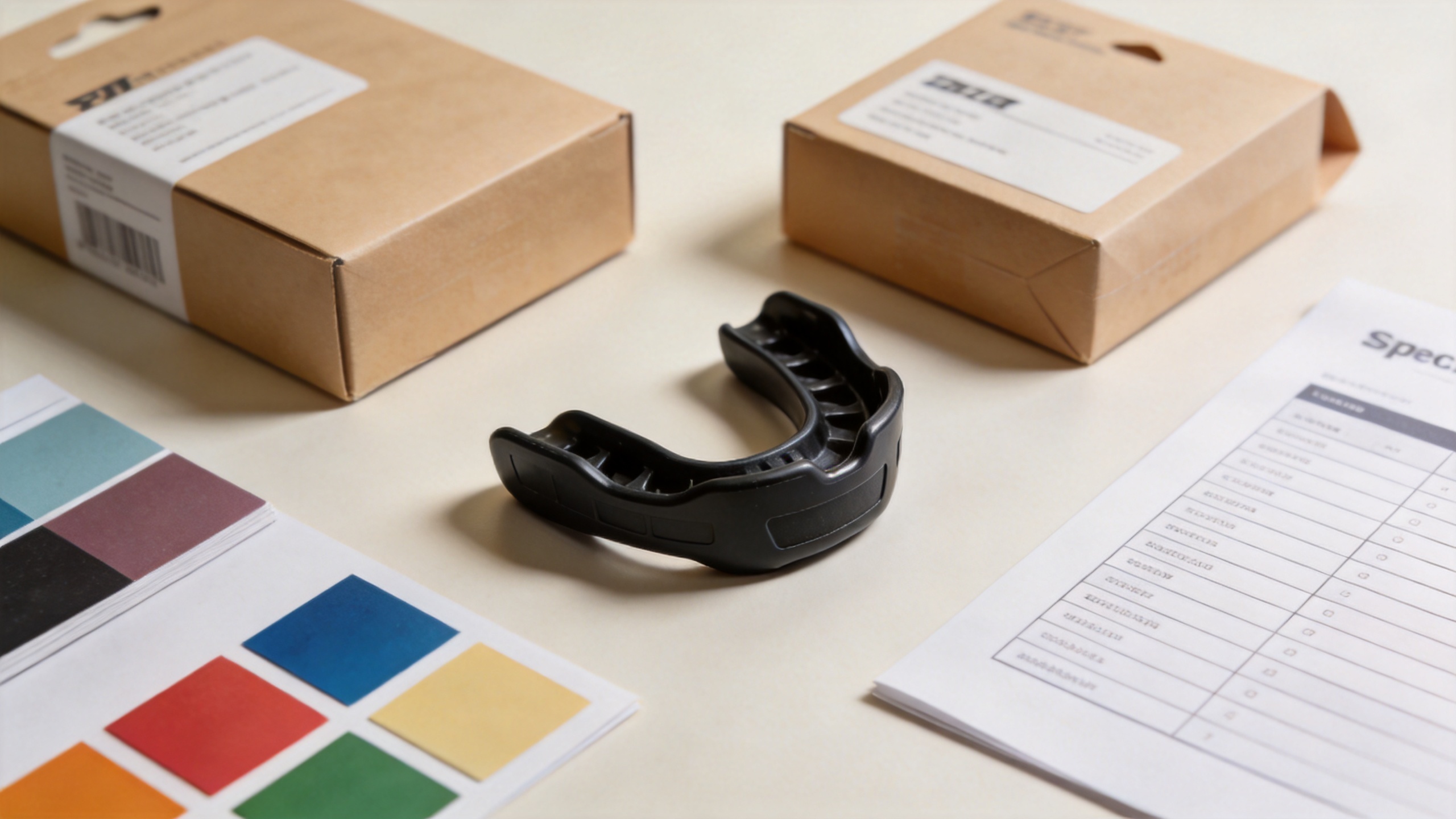
Importers do not need to turn a purchase inquiry into a laboratory audit, but they should make quality expectations visible. The aim is to agree what will be checked against the approved specification before the bulk order is released. For mouth guards sports, that typically means a practical review of appearance, color consistency, logo placement where requested, packaging completeness, count accuracy, and the condition of the finished goods.
Requesting a retained approved sample or clear approval photos can help both sides refer to the same target. The buyer can also ask how the supplier identifies lots, how packaging revisions are controlled, and how nonconforming units are handled. If the supplier has testing reports, certifications, or market-specific documents, those should be requested by name and reviewed for the particular product and destination. They should not be inferred from general sales language.
There is a second advantage to this evidence-first approach: it separates confirmed information from items still awaiting verification. That makes it easier for an importer to prepare responsible catalog copy and avoid overstating claims to distributors or consumers.
Custom Programs Support Repeatable Ordering
The first order is only one part of the importer relationship. A preferred source is usually one that can turn the first approved program into a repeatable ordering file. That file may include the product reference, artwork version, packaging layout, carton pack, inspection points, and revision history. It gives the next purchase order a starting point that is more reliable than a set of messages scattered across different channels.
For a growing sports gear assortment, that repeatability may matter more than a small difference in unit price. Buyers can plan replenishment, coordinate seasonal campaigns, and keep distributor information consistent. It also makes exceptions easier to spot: if a new quotation changes the pack count, lead time, or logo process, the purchaser has a documented baseline for discussion.
A Practical Importer Checklist Before Placing an Order
- Define the end use. State the sports, user group, fitting approach, and sales channel.
- Lock the custom scope. Confirm the artwork, colors, packaging, language, and approved version-control method.
- Compare like with like. Review factory price against the same configuration, packing, and service scope.
- Set inspection points. Agree the visible and packing-related checks that matter to the approved specification.
- Review documents separately. Request any required market documentation for the exact item rather than relying on broad claims.
- Create a repeat-order record. Keep the approved sample reference, order details, and change history together.
Why Importers Often Prefer a Custom Mouthguard Partner
In practice, the preference for custom mouth guards sports is usually about control. Importers gain a clearer way to specify the product, evaluate a factory price, present a sports gear range, and manage later orders. The strongest supplier relationship is not built on a slogan or an unqualified promise. It is built on shared specifications, workable customization, transparent evidence, and a process the buyer can use again.
Before approving a program, ask three closing questions: Is the use case clearly defined? Does the quoted scope match the intended custom offer? And can the supplier document the details that must remain consistent on the next order? When those answers are clear, an importer is in a stronger position to select and launch mouth guards sports responsibly.



 Hot News
