 EN



Custom-Fit Dental Custom Mouthpiece For Sleeping And Night Protection
When a buyer asks for a custom mouthpiece for sleep, the first useful question is not “Which style sells fastest?” It is “What nighttime purpose is the buyer trying to support?” That distinction matters because a sports guard, a cosmetic tray, and a night guard may all be described casually as a mouthpiece, yet they are designed, fitted, and communicated differently.
For dental distributors, clinics, pharmacies, and private-label teams, a well-framed nighttime custom mouthpiece offer starts with fit, documentation, and clear use boundaries. The goal is to help customers understand the product category without presenting a retail item as a diagnosis or a substitute for professional dental assessment.
Start by separating nighttime use from sports protection
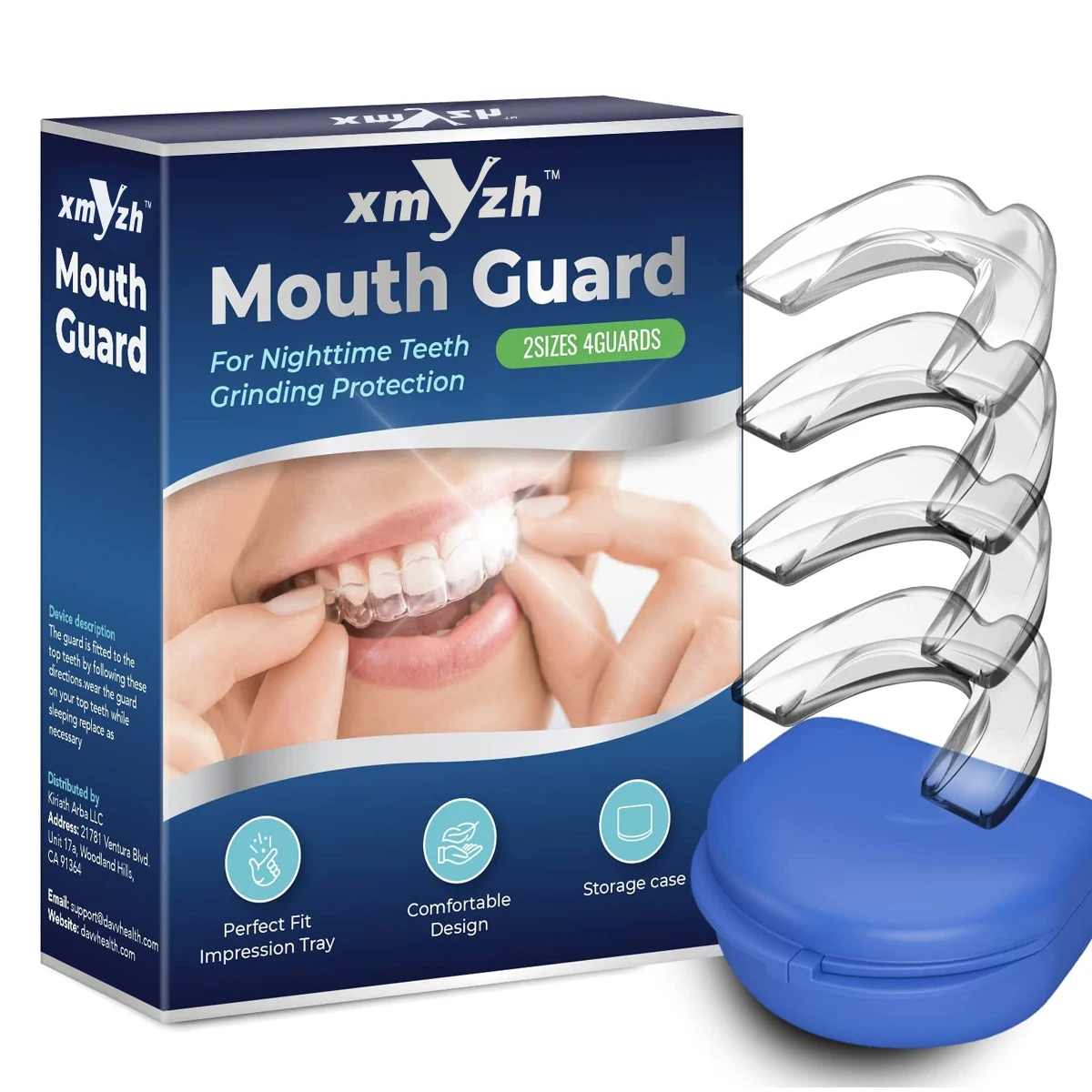
Search results for custom mouthpieces often concentrate on athletic protection. That makes sense for impact-related use, but it can confuse a shopper who is looking for a guard to wear during sleep. A sports guard is commonly discussed around impact absorption and participation in contact activities. A nighttime guard is generally discussed around protecting tooth surfaces when a person grinds or clenches while asleep.
This does not mean one generic product should be presented as suitable for every situation. Jaw discomfort, a changing bite, damaged teeth, sleep-related breathing concerns, or persistent grinding are reasons to seek dental guidance. Cleveland Clinic notes that custom-made mouth guards are created to fit a person’s dental anatomy and may be recommended by a dentist for nighttime grinding. In a wholesale conversation, that insight supports a simple rule: describe the product’s intended use and fitting pathway precisely.
Why the fit of a custom mouthpiece matters at night
A custom mouthpiece is typically chosen because it is intended to follow an individual’s teeth more closely than a one-size retail guard. For nighttime wear, the buyer should consider retention, edge comfort, thickness, and whether the design can be reviewed against the intended use. A loose guard can feel distracting; an overly bulky one may be difficult to tolerate. Neither issue can be solved by a broad marketing statement alone.
For a dental channel, it is practical to ask how impressions or scans are handled, who reviews the fit instructions, and what the customer should do if the appliance feels painful, unstable, or changes the bite. Those questions turn “custom” from a decorative label into a documented process.
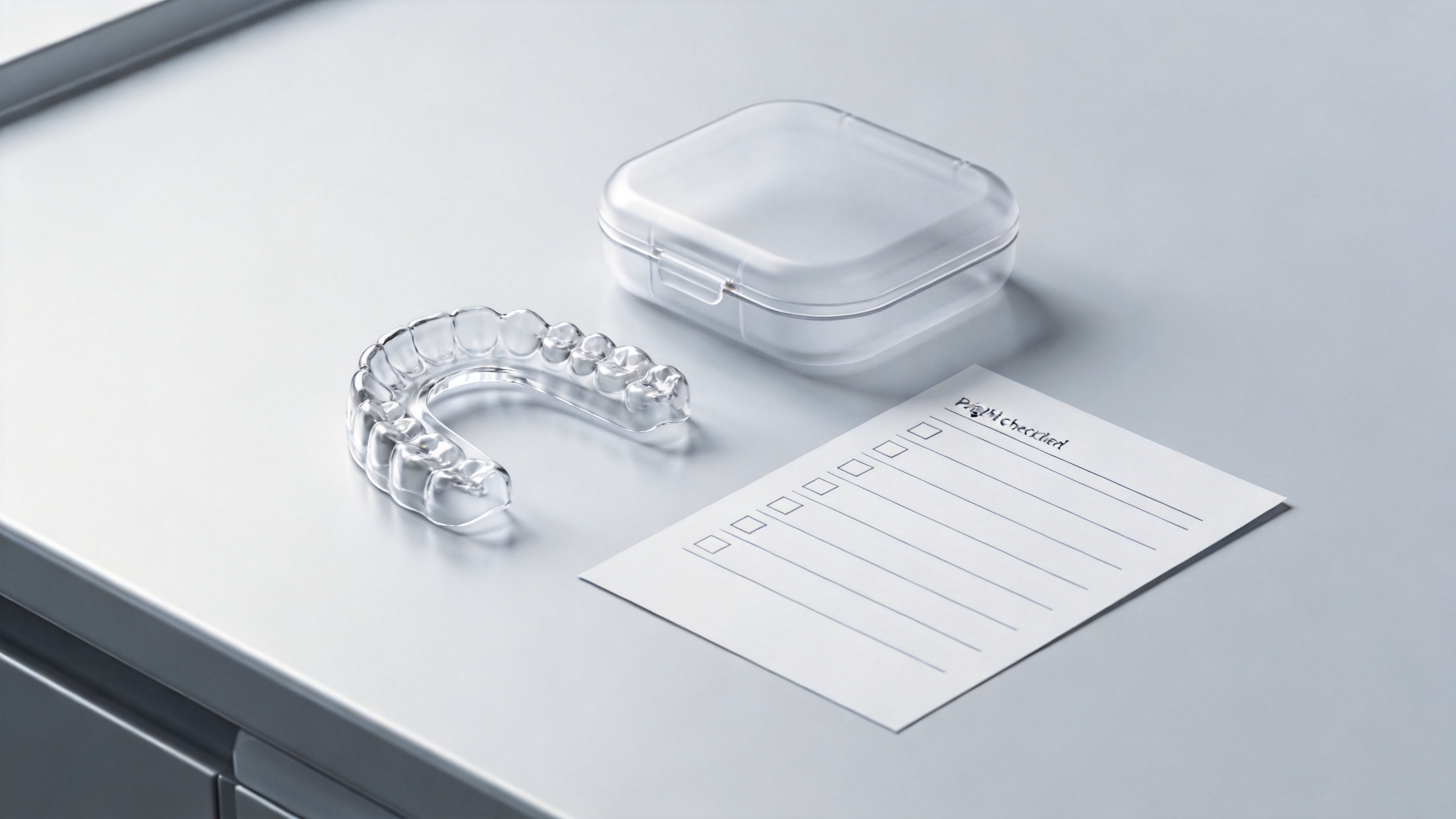
A practical fit checklist
- Confirm whether the custom mouthpiece is designed for nighttime wear, sports use, or another stated purpose.
- Ask how the individual fit is obtained and what remake or adjustment process is available.
- Request written directions for insertion, removal, cleaning, storage, and inspection.
- Clarify the material description, thickness options, and any contraindications supplied for the target market.
- Set a clear referral message for pain, poor fit, ongoing symptoms, or concerns about breathing during sleep.
What “dental grade” should mean in a buyer conversation
The phrase dental grade can be useful only when it is backed by records. It should not be treated as a stand-alone proof of safety, regulatory status, or suitability for every wearer. A responsible buyer asks for the material specification, supplier traceability, test information where relevant, and the market-specific documentation that supports the intended claim.
FDA classification information describes certain oral rehabilitation devices in the context of protecting teeth from damage associated with nighttime grinding. It also recognizes standards addressing mouth protectors, including manufacturer instructions and packaging or labeling considerations. These references are useful prompts for documentation review; they do not establish that a particular custom mouthpiece has a clearance, certification, or claim approval.
For a private-label program, keep the product file organized. Match the material description on the quotation, product page, instructions, and packaging. If a requested statement cannot be verified, replace it with a factual description of the supplied material and invite the buyer to review the supporting documents.
Planning a wholesale custom mouthpiece range
A wholesale range works better when the offer is divided by channel needs rather than by vague promises. Clinics may need fitting instructions and clear patient-facing explanations. Pharmacy buyers may prioritize packaging details, storage guidance, and point-of-sale language. E-commerce sellers often need consistent product photos, size or impression-kit information, and wording that does not overstate what the appliance does.
When building a wholesale request, prepare a specification checklist before comparing quotations:
- Intended use: State whether the item is for nighttime tooth protection, sports protection, or another clearly defined application.
- Customization workflow: Identify the impression, scan, or fitting method; confirm who provides the instructions and support.
- Material file: Request the material name, lot traceability approach, and available technical or compliance documents.
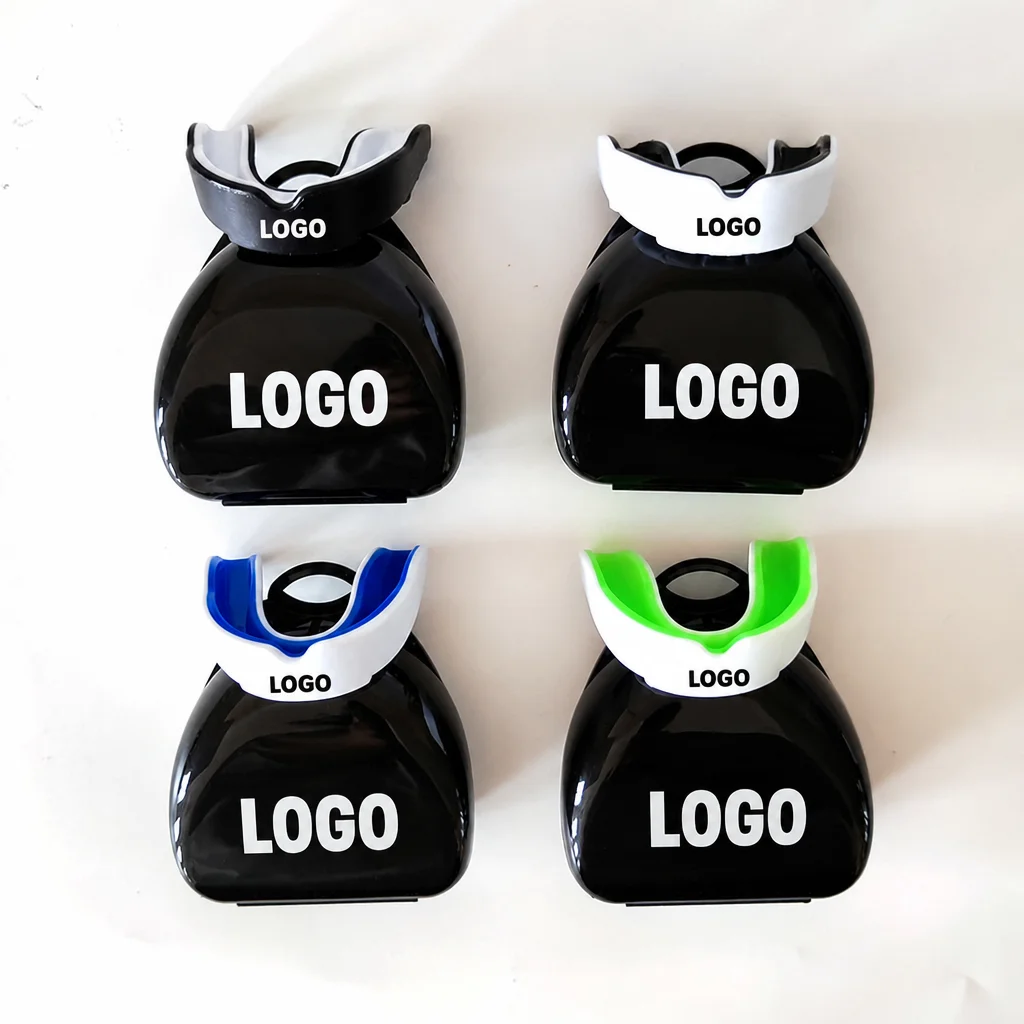
- Product configuration: Confirm arch coverage, thickness options, trim style, color choices if applicable, and packaging components.
- Claims review: Make sure website copy, labels, and sales scripts use the same supported language.
- After-sales pathway: Define the process for a fit concern, remakes, and referral to a dental professional.
Night protection needs careful claim language
A custom mouthpiece may be part of a nighttime protection plan, but product copy should not tell every reader that it will resolve pain, improve sleep, or address a breathing condition. Those outcomes depend on the person, the underlying concern, and professional evaluation. Use wording such as “intended for nighttime tooth protection when supplied for that use” rather than broad health promises.
That care is commercially useful as well as responsible. It helps wholesalers give their customers a consistent explanation: the product may support a specified protection routine, while persistent symptoms and questions about fit deserve dental advice. It also prevents a sports-oriented custom mouthpiece listing from being mistakenly used as a substitute for a night guard discussion.
Care, replacement, and quality-control questions
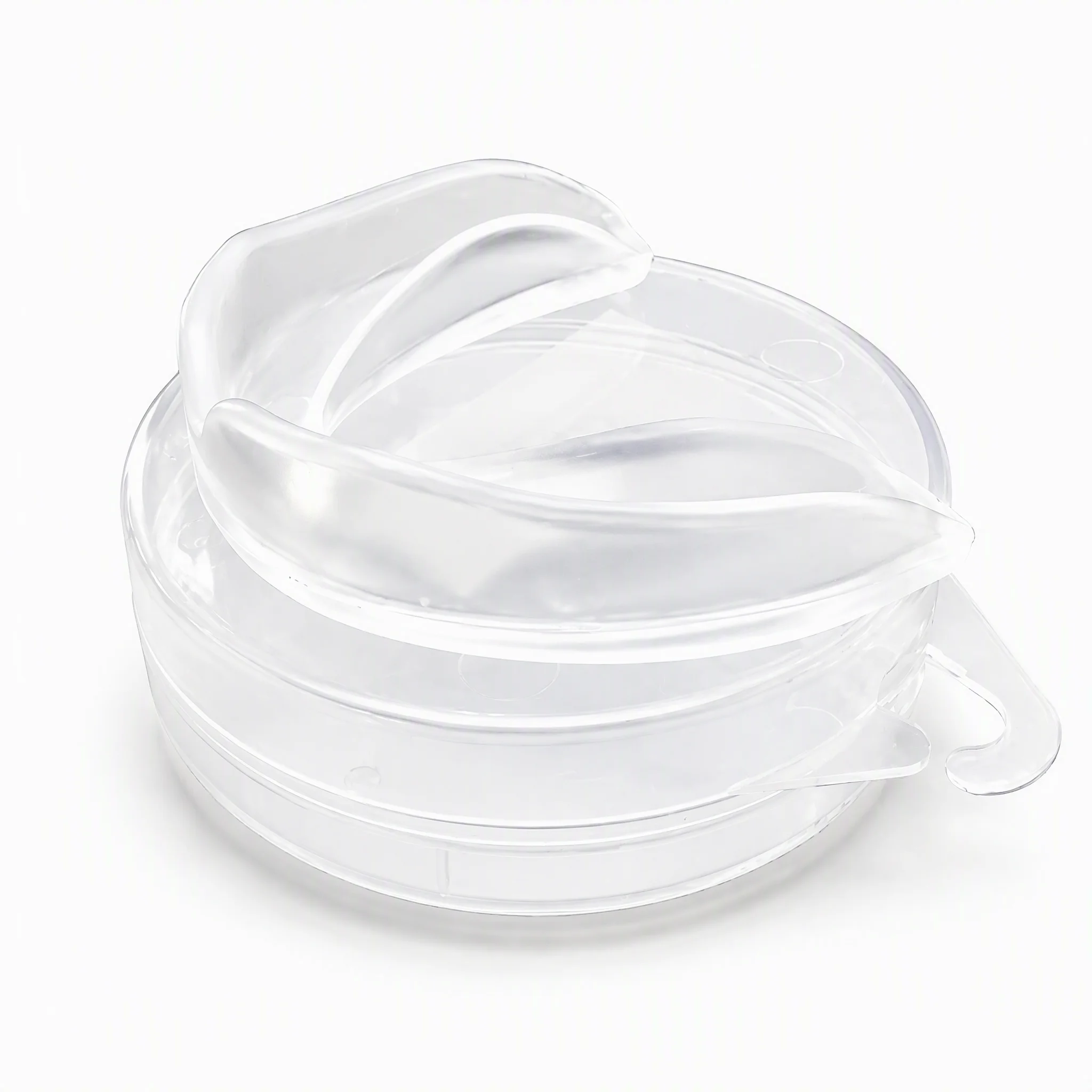
Cleaning and storage instructions should be supplied with each nighttime product configuration. Buyers should ask whether the appliance should be rinsed after use, how it should be dried, which cleaners are compatible with the stated material, and what signs indicate that it needs review or replacement. A hard case, legible instructions, and an identifiable batch or order record can make routine support easier for a wholesale team.
Before launch, inspect a sample against the written specification: edge finish, trim consistency, packaging accuracy, and the clarity of the intended-use statement. If the supplier provides no evidence for a claim, remove that claim from the listing rather than filling the gap with generic reassurance.
Choose a custom mouthpiece with the right questions
The strongest nighttime offer is not the one with the broadest promise. It is the one that makes the use case understandable: a custom mouthpiece for a stated nighttime purpose, an individual fitting process, documented material information, and a clear route to dental guidance when needed. For a wholesale buyer, this approach makes product selection, channel training, and content review more consistent.
In short, use “dental grade” only with supporting documentation, keep sports and sleep applications distinct, and build the product page around verifiable details. That gives buyers a more useful basis for evaluating a custom mouthpiece for sleeping and night protection.
Frequently asked questions
Is a custom mouthpiece the same as a sports mouthguard?
Not necessarily. The terms are often used loosely, but the intended purpose, fit process, thickness, and instructions may differ. Ask the supplier to state the intended use in writing.
Can a wholesale buyer describe every night guard as dental grade?
No. Use that phrase only when the supplier can provide material and product documentation that supports the wording for the applicable market. It is not a substitute for reviewing the product file.
When should a customer seek dental advice?
A customer should seek dental advice for pain, a poor or changing fit, damaged teeth, ongoing grinding concerns, or questions about sleep-related breathing. Product information should not replace professional assessment.


 Hot News
