 EN



Custom-Fit Dental Mouth Guards Dental For Sleeping And Night Protection
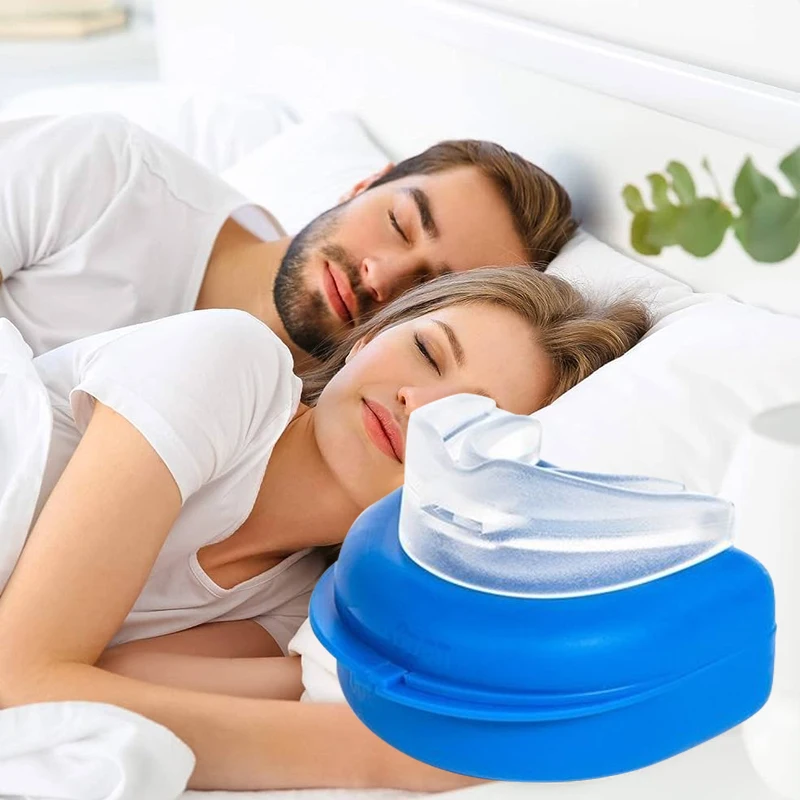
When people ask about mouth guards dental options for sleeping, the first useful question is not “Which one is right for everyone?” It is “What is the intended use, and what information has been confirmed?” A guard worn at night is different from a sports mouthguard, even when the names sound similar. For a dental channel, explaining that difference clearly helps buyers, clinics, pharmacies, and end users discuss products without turning general product information into personal health advice.
This article focuses on selection questions for night protection and on the information a wholesale buyer may need to request. It does not diagnose bruxism or tell an individual which appliance they should use. If someone has persistent jaw discomfort, tooth damage, changes in bite, or sleep concerns, a dental professional should assess the situation.
Start with the use case, not the product name
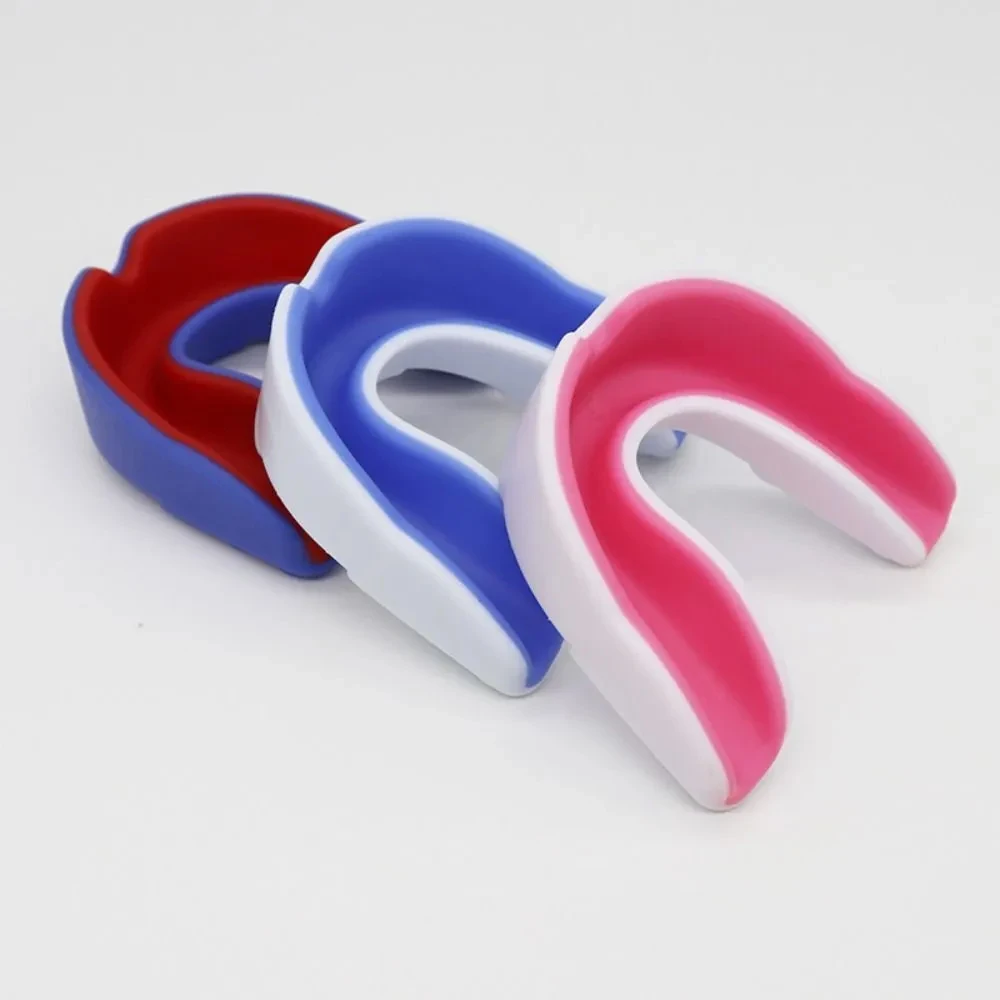
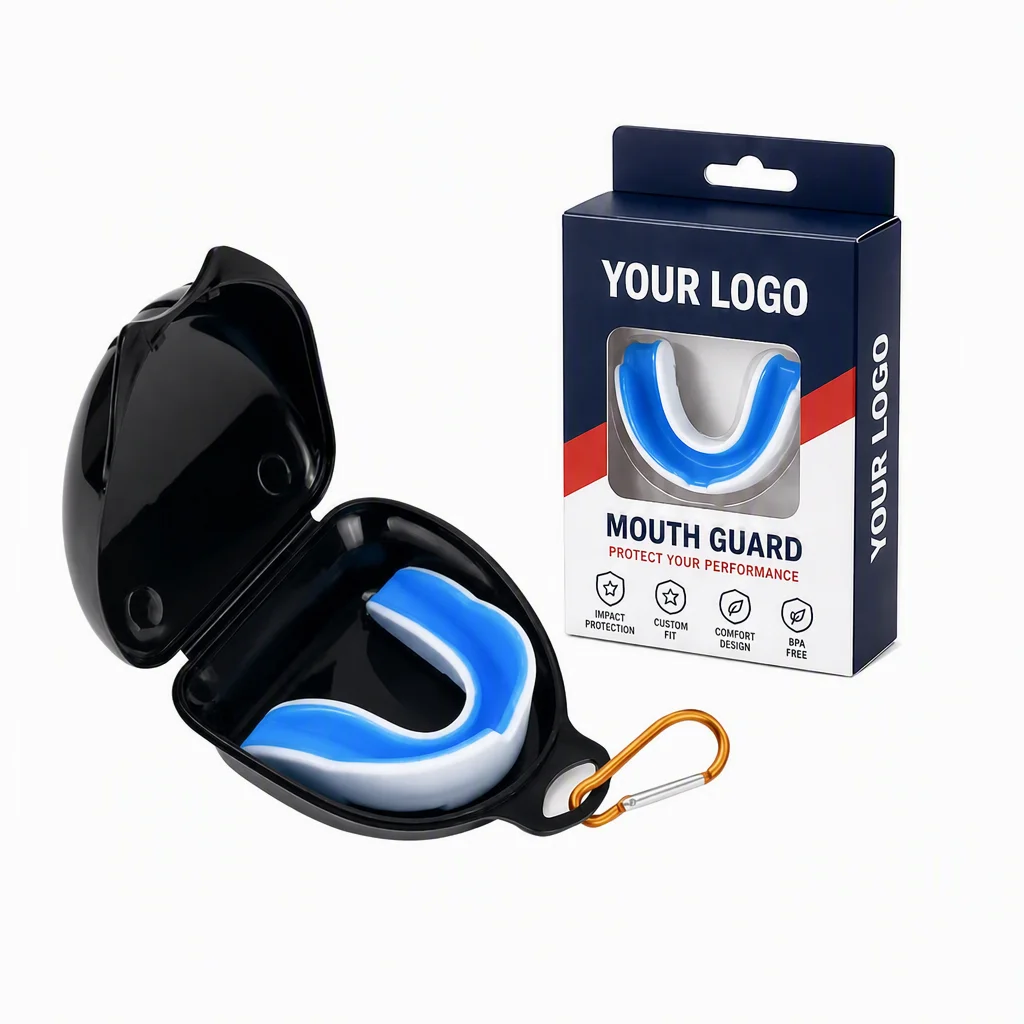
“Mouthguard” is a broad label. A sports mouthguard is ordinarily discussed in the context of impact protection during athletic or recreational activity. An occlusal or night guard is discussed in a different nighttime context, often when a person reports clenching or grinding. The American Dental Association’s athletic-mouthguard information highlights the importance of proper fit for sports-related oral protection; that point should not be stretched into a claim that every guard addresses sleep-related concerns.
For mouth guards dental communication, separate three questions:
- Is the item being described for sports protection, nighttime wear, or another dental use?
- Is the customer asking for general product information, or do symptoms call for professional assessment?
- What fit method, material information, care instructions, and packaging details are actually documented?
This distinction matters because similar-looking products can have different expectations for fit, wear schedule, instructions, and channel documentation. In practice, a clear use statement is more helpful than a long list of unverified performance claims.
Why custom fit changes the conversation
Custom fit does not mean one identical result for every person. It means the product or service is designed around a specific dental impression, scan, or fitting process rather than a generic, one-size shape. Before describing a custom-fit night option, ask what the supplier can verify about the fit workflow. Is an impression process included? Is there a re-fit or inspection step? Are use and care instructions supplied? Those are concrete questions a clinic or reseller can use.
For end users, the practical point is simple: a night product should feel stable enough for its intended use and should not be treated as a substitute for dental evaluation. If a guard feels unusually loose, creates new discomfort, changes how the teeth meet, or is difficult to wear, continuing to force the fit is not a general solution. That is a cue to seek qualified advice.
For a wholesale program, turn “custom fit” into documented fields rather than a headline alone. Request the applicable fit method, supported size or impression options, material declaration, cleaning guidance, labeling language, and any available product-specific instructions. This approach makes downstream product pages more accurate and reduces avoidable questions after purchase.
Where bruxism relief language needs care
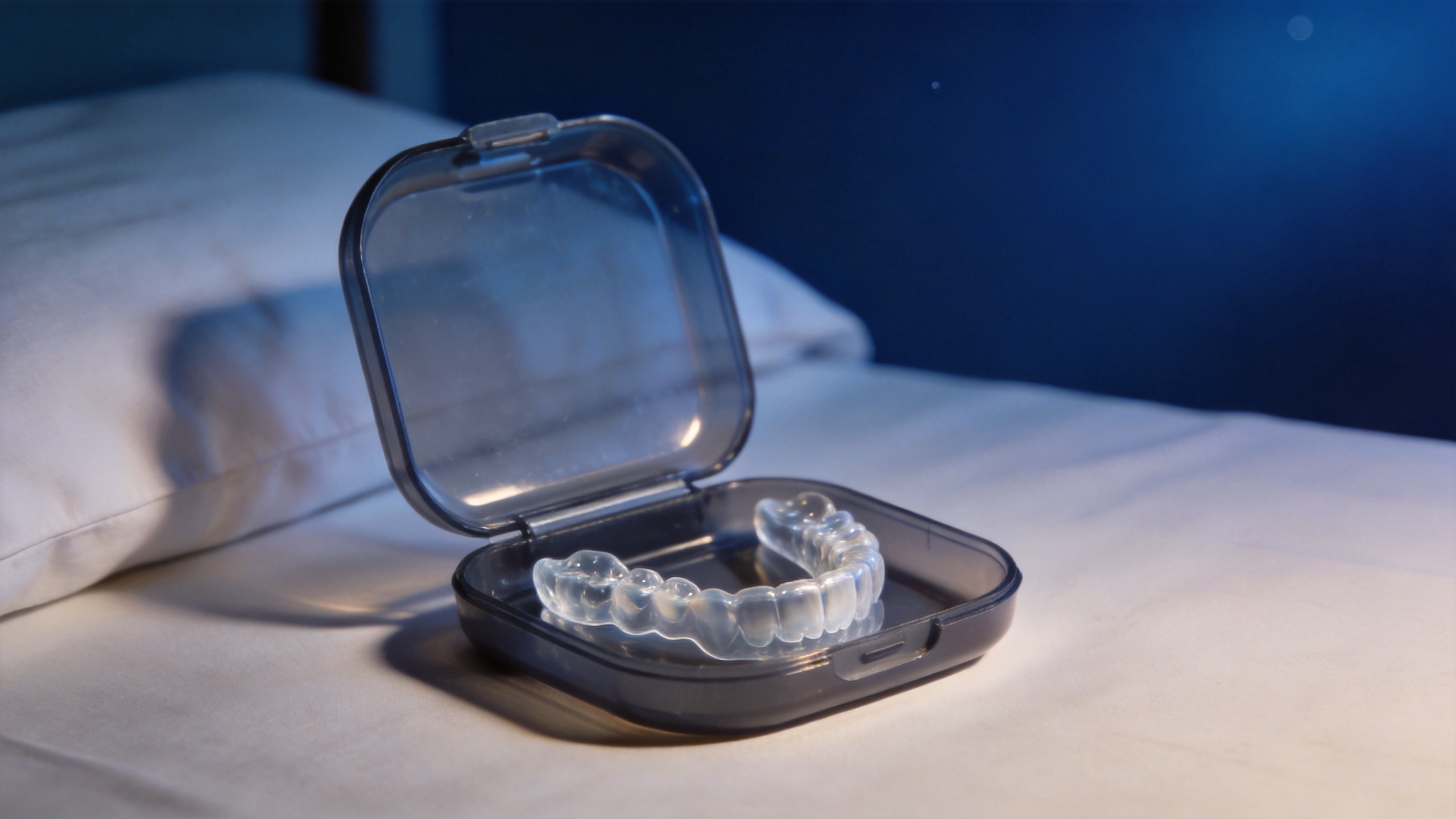
People frequently search for bruxism relief alongside nighttime guards. That phrase signals an important concern, but it should be handled carefully. Bruxism can refer to grinding or clenching behavior, while the reasons, severity, and appropriate management vary by person. A product description can explain its intended nighttime context; it should not promise to correct or resolve a health condition.
A responsible listing can use conditional wording: a dental professional may discuss an occlusal guard when it is appropriate for an individual case. The product team can then focus on facts it can substantiate, such as the stated fit process, included instructions, material information, and intended use. Keeping clinical decisions separate from catalog copy is especially important for pharmacy, clinic, and marketplace channels.
A buying checklist for nighttime mouth guards
Whether you are comparing a single listing or planning a wholesale assortment, use the same disciplined checklist. It is easier to correct an information gap before launch than after a customer assumes a claim was confirmed.
- Define the intended use. State whether the item is positioned for nighttime wear, sports activity, or another purpose. Do not merge categories just because each is called a mouthguard.
- Confirm the fit pathway. Document whether the offer involves a dental professional, an impression kit, a scan, a boil-and-bite process, or another method. Do not label a product “custom” without evidence for the term.
- Check materials and instructions. Ask for the supplier’s current material declaration, cleaning guidance, storage advice, and replacement guidance. Avoid adding durability or comfort claims that the available documentation does not support.
- Review channel-ready labeling. For clinics, pharmacies, and online sellers, align package language, listing text, and customer-service scripts around the same intended-use statement.
- Keep health boundaries visible. Include a calm reminder that personal symptoms and appliance selection are matters for qualified dental guidance.
What a dental channel should avoid saying
Nighttime products are often marketed with emotional language about sleep, comfort, and reassurance. Those themes can be useful only when they remain connected to confirmed product information. Avoid presenting comfort as universal, implying a clinical outcome, or using bruxism relief as if it were a proven result for every wearer. Also avoid comparing an unverified custom option with a sports product as though they serve the same purpose.
A better pattern is to state the context, name the information that is available, and identify the next confirmation step. For example: “This listing concerns a night-use dental guard; confirm fit method, care instructions, and professional suitability before use.” That wording is informative without overreaching.
Questions to ask before a wholesale order
For buyers sourcing mouth guards dental products, a productive supplier conversation starts with details rather than assumptions. Ask which nighttime product categories are available, who the intended channel is, what fit documentation accompanies each SKU, whether packaging language matches the destination market, and which claims can be supported with current evidence. If the answer is incomplete, mark the field for follow-up instead of filling the gap with promotional language.
This is also where product information and health advice must remain separate. A supplier can provide confirmed catalog facts. A clinician or other qualified professional addresses individual oral-health questions. Keeping that division clear supports better communication for the person wearing the guard and for the business offering it.
Night-Guard Documentation FAQ for Buyers and Sellers
What should a mouth guards dental listing say first?
A mouth guards dental listing should first identify nighttime use, its stated fit pathway, and the documents available for that SKU. The phrase mouth guards dental should not be used to blur sports gear and sleep-related products into one category. When the product is part of a wholesale range, give resellers the same intended-use statement found on the packaging.
How should a wholesale buyer evaluate a new supplier?
A wholesale buyer can request a current specification sheet, material information, fit-process instructions, care guidance, and the claims that the supplier can support. This wholesale review should also establish whether the supplier has separate information for night wear and sports protection. For mouth guards dental assortments, consistent documentation makes training and customer support more manageable.
Can a product page promise bruxism relief?
No general product page should frame bruxism relief as a promised outcome. A page may acknowledge that shoppers use the term bruxism relief when seeking nighttime information, then explain that individual symptoms and appliance decisions need qualified dental input. That boundary is particularly important when mouth guards dental content appears in a clinic, pharmacy, or marketplace catalog.
What should customer-service teams say about fit?
For mouth guards dental questions, customer-service teams can restate the documented fit method and care instructions without giving personal clinical advice. If a wearer reports pain, a changed bite, or a product that will not stay in place, the next step is professional assessment rather than improvised adjustment. A wholesale account should receive the same escalation guidance in its product materials.
Why keep bruxism relief wording conditional?
Keeping bruxism relief wording conditional respects the difference between a search query and an individual health outcome. It also helps a wholesale seller keep product facts, customer expectations, and professional advice in their appropriate lanes. In short, mouth guards dental content is strongest when it explains use and verification rather than overstates results.
Final takeaway
Custom-fit mouth guards dental options for sleeping should be evaluated through purpose, fit method, documented materials, and clear safety boundaries. The most useful copy does not promise a universal outcome. It tells readers what the product is for, what still needs verification, and when professional dental input is the appropriate next step. For wholesale buyers, that discipline turns a broad product category into a clearer, more dependable purchasing brief.
 Hot News
