 EN



Premium Mouthguard Custom Fit Manufacturer And Wholesale Supplier
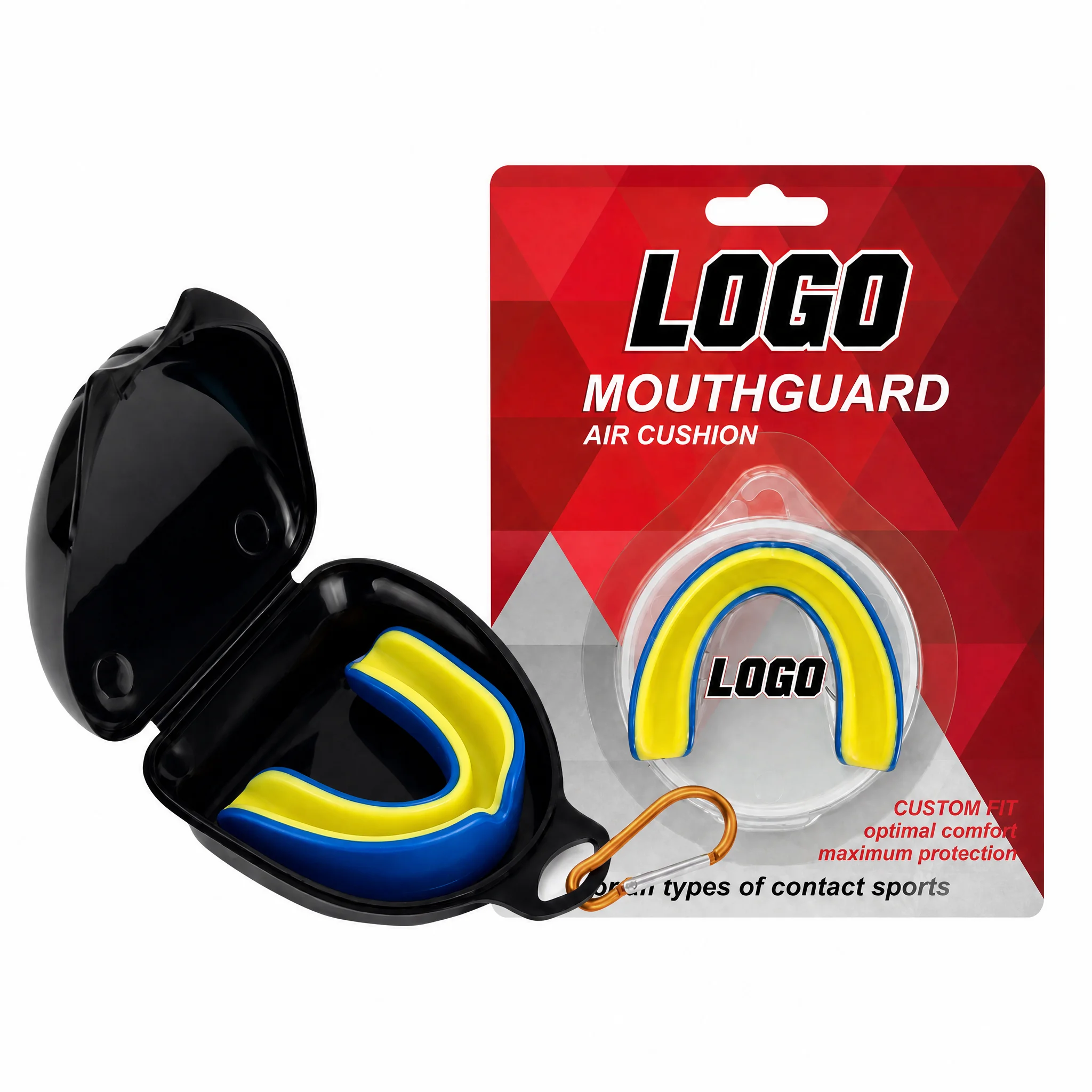
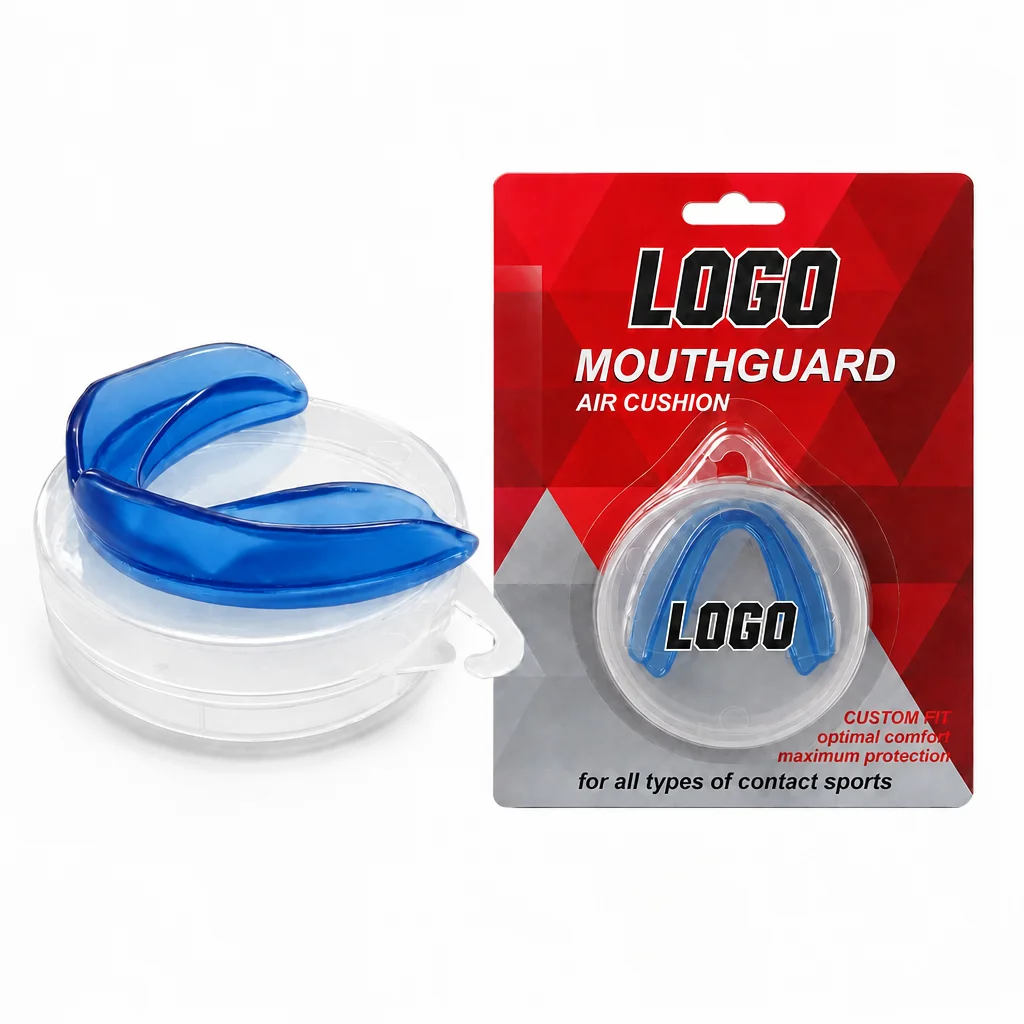
A buyer searching for a mouthguard custom fit program is usually not looking for a single retail item. The real task is to turn a broad request into a workable offer for a clinic, pharmacy, online store, or wholesale channel. That means separating intended use, fit method, product information, packaging needs, and the statements a reseller can responsibly make.
For a wholesale buyer, a custom-fit brief is more useful when it starts with questions than with a promise. Is the product for sports impact protection, a night guard category, or another oral-care use? Which market will receive it? What fit workflow will the end user follow? A supplier conversation becomes clearer once those points are documented.
Start with the intended use, not the product name
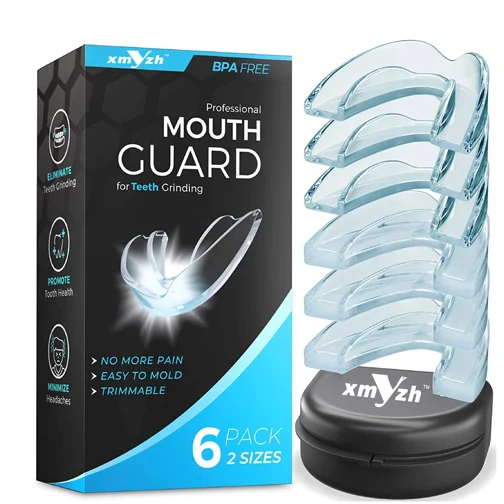
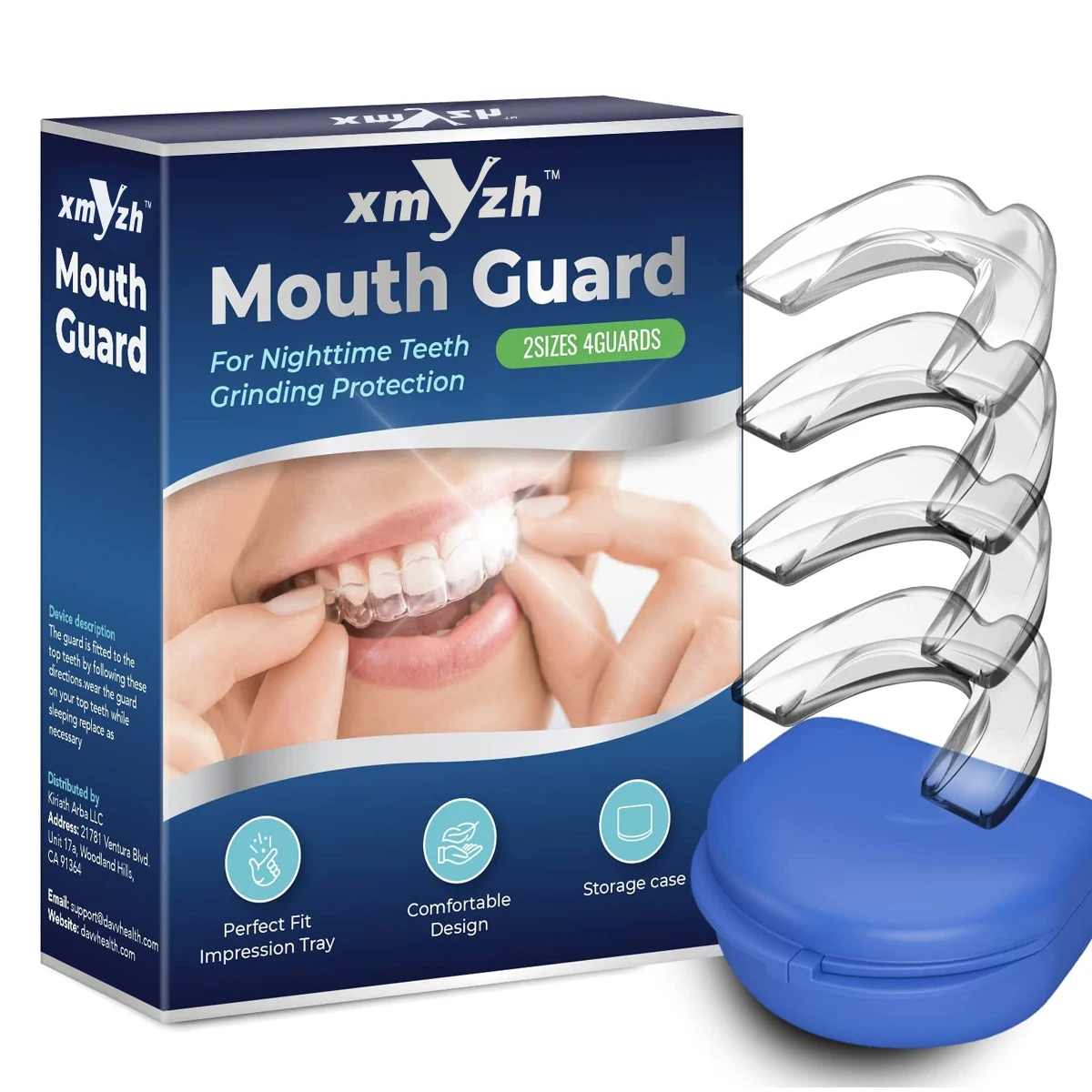
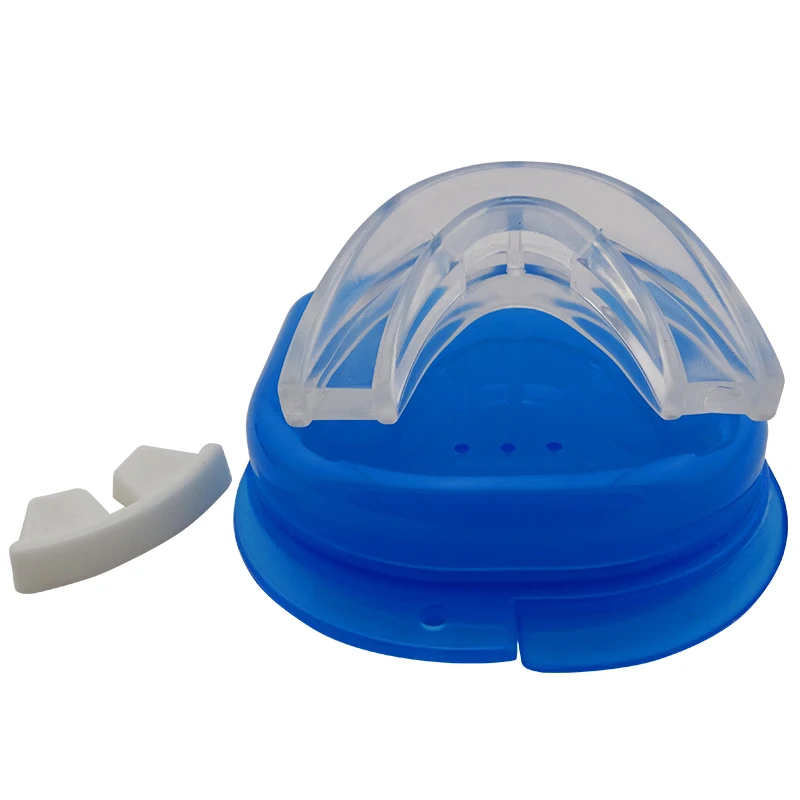
Terms such as mouthguard, dental guard, and night guard are often grouped together in informal searches, but they do not automatically describe the same use case. A sports-focused mouthguard custom fit program should be discussed around sport, fit process, material information, and user instructions. A night guard inquiry may relate to people who clench or grind their teeth, but product information should not stand in for a dental assessment. Where a buyer is considering a night-use product for bruxism relief, the responsible route is to present fit and care information while encouraging the buyer to confirm appropriate claims and professional guidance for its market.
This distinction helps a reseller avoid a common mistake: using one universal product description for several needs. It also makes sampling more valuable because the buyer can assess the supplied specifications, instructions, and packaging against one defined channel purpose.

What a wholesale custom-fit brief should contain
From a procurement perspective, the first useful deliverable is not a marketing slogan. It is a concise information pack that lets both sides verify what will be quoted and supplied. A practical mouthguard custom fit request can include the following points:
- Channel and customer: state whether the range is for a wholesaler, e-commerce seller, clinic, pharmacy, or another distribution route.
- Intended use: identify the sports, general oral-care, or night-use category without blending them together.
- Fit workflow: clarify whether the program uses an impression, a scan-based process, a home fitting method, or another confirmed route.
- Material and product documentation: request material descriptions, applicable test or compliance documents, care instructions, and any market-specific information needed before listing.
- Packaging and labeling: confirm unit packaging, language needs, private-label artwork responsibilities, carton details, and barcode requirements.
- Commercial checks: ask about sample handling, minimum order expectations, production lead-time confirmation, and quality-inspection arrangements.
Published sports-mouthguard guidance emphasizes that material suitability should be verified against the relevant market requirements. For wholesale planning, that is a prompt to request documentary evidence rather than an invitation to make unverified certification claims in a product listing.
Fit is a workflow, not a single adjective
“Custom fit” can signal different processes in the market. Some programs are based on dental impressions, others on scanning, and others on end-user fitting instructions. A buyer should ask which steps are included, who performs each step, what records are retained, and what instructions travel with the product. Those questions matter more than copying a generic comfort claim.
For a mouthguard custom fit wholesale offer, ask the supplier to identify the confirmed process in plain language. Then test the same explanation with the downstream sales team. If a marketplace listing, clinic handout, and package insert use different terms, the risk is confusion rather than better conversion. Clear, repeatable wording helps distributors explain the offer without overstating what has been verified.
Build the right information pack for each channel
Wholesale channels do not need identical materials. An e-commerce seller may need concise product facts, image requirements, and customer-care instructions. A clinic or pharmacy buyer may need more detail about labeling, intended use, and the boundary between product information and professional advice. The merchant profile for Xiamen Yizhou Imp. & Exp. Co., Ltd. identifies wholesalers, e-commerce platforms, clinics, and pharmacies among its target groups, so a channel-specific documentation approach is especially relevant.
| Channel | Priority information | Question to confirm |
|---|---|---|
| E-commerce | Clear fit steps, package contents, consumer-friendly care language | Which statements are supported by the supplied documents? |
| Wholesale distribution | SKU options, samples, packaging format, order and inspection process | What changes by quantity, artwork, or destination market? |
| Clinic or pharmacy | Intended-use boundary, labeling, instructions, traceable documents | Which local requirements must the buyer validate before sale? |
Handle night-use and bruxism-related questions carefully
A night guard is frequently searched alongside terms such as bruxism relief. That language reflects a user concern, not proof that every guard is appropriate for every person or that a product resolves a medical condition. Dental sources commonly note that people who grind or clench may be advised by a dental professional about mouth guards. Wholesale content should therefore describe confirmed product features and care directions, while leaving diagnosis, suitability, and health outcomes to qualified professionals.
This is not merely cautious wording. It gives B2B buyers a more durable content framework: product facts in one section, use instructions in another, and market-specific claim review before publication. The result is easier to adapt across sales channels than a broad health promise.
Use samples to verify the complete buyer experience
A sample review should cover more than appearance. For a mouthguard custom fit program, check the package, written steps, labeling, product finish, and whether the information is consistent across the sample and supplier documentation. Record open questions early: which measurements are confirmed, what material documentation is available, how complaints are handled, and which claims have evidence for the target market.
At this stage, it helps to move from “Is this a premium product?” to “Can our channel explain, stock, and support this product accurately?” That shift keeps price discussions connected to the overall workload of product setup, content review, and customer communication.
A practical wholesale inquiry checklist
- Define the intended product category and target customer.
- Describe the required custom-fit workflow and request confirmation in writing.
- Ask for the available product, material, and labeling documentation.
- Confirm packaging, artwork, language, and destination-market needs.
- Arrange a sample review that includes instructions and packaging.
- Separate confirmed facts from items that still need regulatory, clinical, or market review.
A dependable mouthguard custom fit supplier discussion is built around traceable information and a well-defined use case. For buyers serving multiple channels, that approach supports cleaner product communication and makes it easier to prepare a request that suppliers can quote accurately.
 Hot News
