 EN



Premium Mouthguard Sports Manufacturer And Wholesale Supplier
A wholesale inquiry for a sports mouthguard can look simple: a buyer asks for a catalog, a logo option, and a factory price. In practice, the useful conversation begins one layer earlier. Which sport, sales channel, user group, fit approach, packaging requirement, and product documents does the buyer need? For distributors, e-commerce teams, clinics, and pharmacies, answering those questions first makes it easier to compare mouthguard sports options on a like-for-like basis.
This guide is written from a wholesale procurement viewpoint. Rather than treating every guard as interchangeable sports gear, it separates the decisions that affect sourcing from the claims that should be supported by product-specific evidence. The result is a practical brief a buyer can use before requesting samples or a quotation.
Start With the Sports Scenario, Not the Catalog Name
Mouthguard sports requirements change with the intended activity and the users who will wear the guard. Contact level, helmet use, age range, seasonal demand, and local channel expectations can all change what a suitable assortment looks like. A retailer serving youth team programs may need clear size communication and easy consumer instructions. A specialist sports shop may prioritize category choice across several activities. A clinic-facing buyer may need a more detailed conversation about fit and product information.
The key point is not that one option suits every athlete. It is that the request should state the intended sport and fit category before a supplier compares materials, shapes, or packaging. General athletic-mouth-protector guidance commonly focuses on resilient construction and coverage of the relevant dental arch; buyers should use that context to ask targeted questions, not to assume that a specific item meets every expectation.
Build a Wholesale Brief for Mouthguard Sports Sourcing
When a supplier receives only “send mouthguards,” the quotation may leave important assumptions unresolved. A better RFQ for mouthguard sports products gives the supplier a defined working brief. It also helps purchasing teams compare responses without turning a factory price into the sole decision point.
- Channel and buyer: State whether the range is intended for a wholesale distributor, online marketplace, clinic, pharmacy, club, or promotional program.
- Sport and impact context: Identify the sports or training settings the product will be positioned for, along with any local association or retailer requirements that the buyer must verify.
- Fit approach: Ask the supplier to identify the offered fit category and provide use instructions that match that category. Do not infer a custom or self-adapting fit from photos alone.
- Material disclosure: Request the material specification, colorant information where relevant, and handling or care instructions. EVA is commonly discussed in sports-mouthguard material references, but each offered item should be confirmed from its own documentation.
- Size and age communication: Clarify the intended user group, size labeling, and any warnings or instructions required by the destination market.
- Packaging and branding: Define pack count, case count, artwork responsibilities, language needs, barcode requirements, and whether a branded storage case is part of the request.
- Documents and samples: List the documents, test information, declarations, samples, and approval steps needed before a purchase order.
That list turns an open-ended sourcing request into a specification conversation. It also reduces the chance that sports gear is compared only by a single unit figure while packaging, documentation, and post-sale questions remain unpriced.
How to Read a Factory Price Without Losing the Total-Cost View
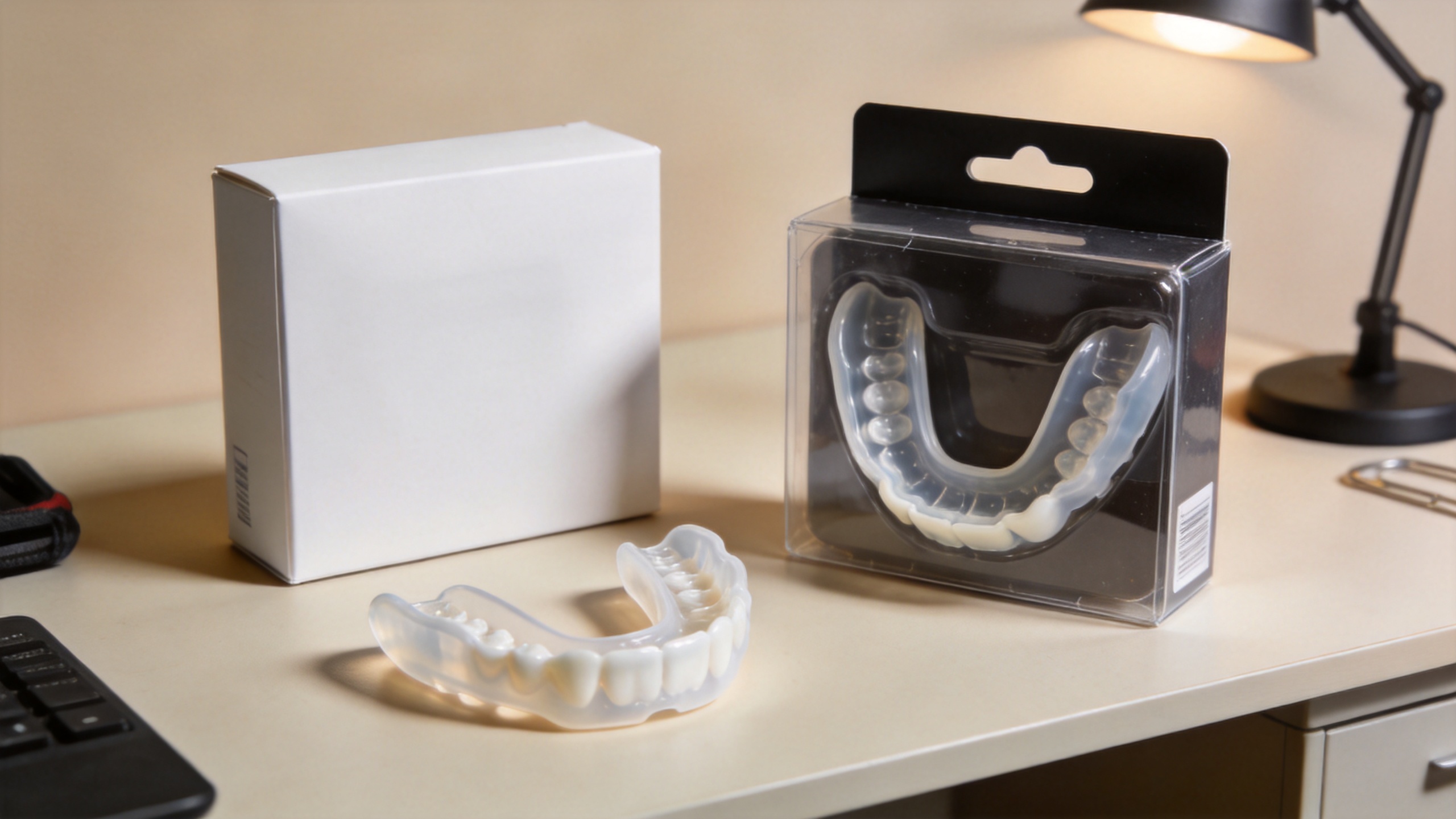
A factory price is useful only when its scope is explicit. Two quotations may show different numbers because one includes a storage case, printed retail card, or a different pack configuration, while the other does not. The lower figure may still create more work if the buyer must add labels, translate instructions, resolve missing product details, or rework the packaging later.
Ask each supplier to separate what is included from what is optional. Useful quotation fields include unit configuration, minimum order quantity, sampling charges, tooling or artwork setup where applicable, lead-time assumptions, carton details, and the terms used for freight or delivery. If a supplier uses a phrase such as factory price, ask which product configuration and commercial terms that phrase refers to. This is a clarification step, not a promise of a particular price level.
For a mouthguard sports range, a practical cost comparison also considers the downstream user experience. Clear instructions, consistent size labeling, and packaging that matches the sales channel can limit avoidable questions after the goods arrive. Procurement teams should confirm those elements in writing rather than rely on a generic image or a previous quotation for a different item.
Ask for Evidence That Matches the Market and Product
Sports mouthguards sit in a category where product statements need careful boundaries. Buyers should not convert general industry guidance into an automatic claim for a particular SKU. Instead, request product-specific records and compare them against the destination market, retailer rules, and the intended presentation.
ASTM F697 is described as a standard practice for the care and use of athletic mouth protectors. It can be a useful conversation starter when a buyer is organizing its document request. It is not, by itself, evidence that a quoted product has been tested, certified, or accepted for a particular market. Ask what documentation is available for the exact configuration under consideration, who issued it, what it covers, and whether it applies to the final packaging and labeling.
The same principle applies to material and safety language. If a buyer needs a declaration, test report, or a particular statement on the pack, it should be named in the RFQ and checked against the finished product. Where professional fitting, individual oral conditions, or injury concerns are relevant, the final consumer-facing information should keep appropriate professional-advice boundaries.
Use Samples as a Decision Tool, Not a Formality
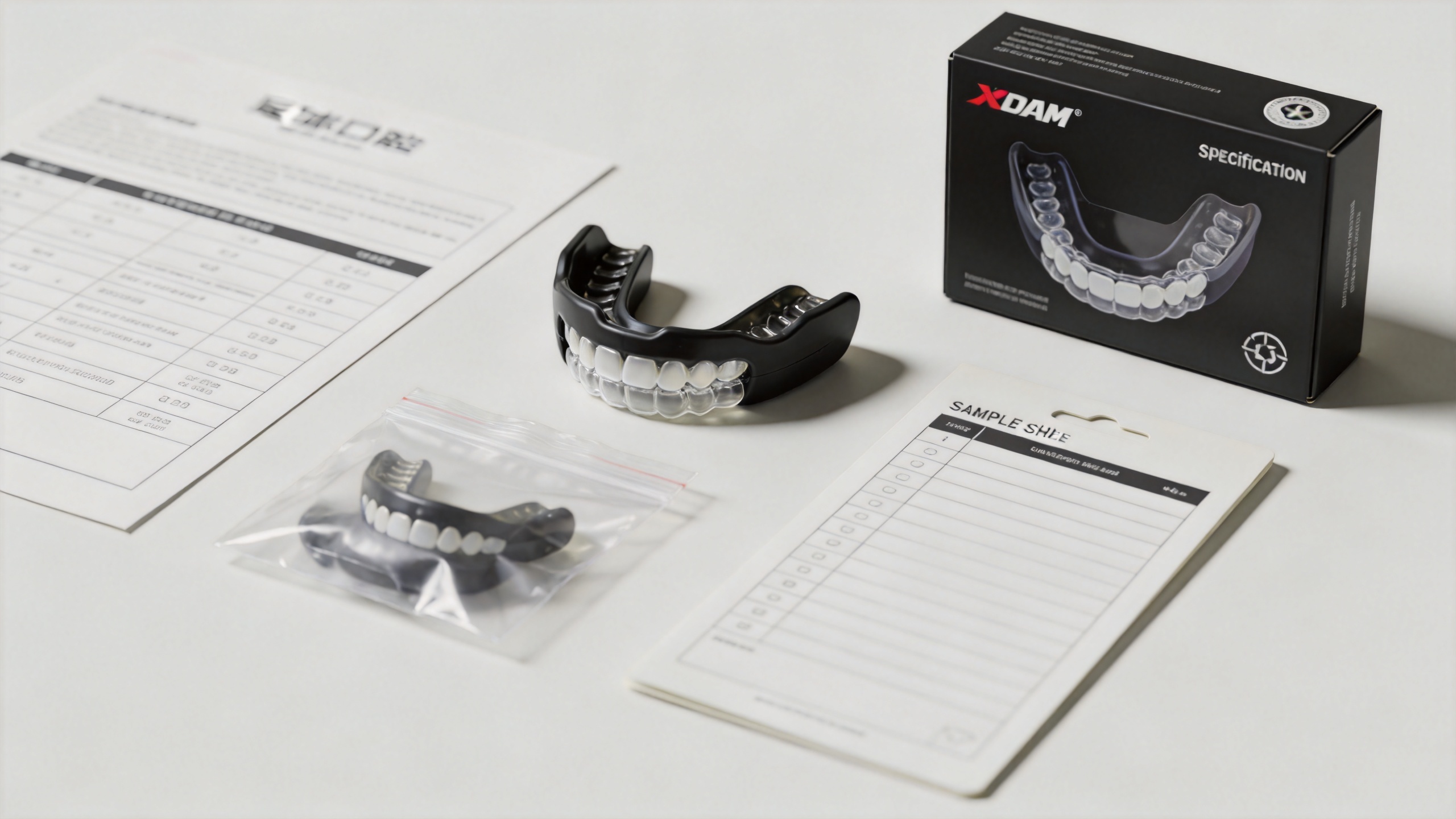
Samples help a wholesale buyer verify whether the product, instructions, packaging, and presentation line up with the original brief. Establish a review sheet before the sample arrives. Include visual finish, trim consistency, size marking, case fit if supplied, instruction clarity, packaging quality, artwork placement, and documentation received. If the assortment includes several mouthguard sports options, review each one under the same headings.
This approach gives purchasing, marketing, and quality teams a shared reference. It also makes feedback easier to return to the supplier. A comment such as “change the color” is vague; a note that identifies the artwork file, pack panel, expected shade reference, and approval owner is actionable.
Questions to Send Before Choosing a Wholesale Supplier
- Which sports and user groups is this quoted configuration intended to serve?
- What fit category, material specification, size options, and care instructions apply to this exact item?
- Which elements are included in the stated factory price, and which are separate options?
- What are the minimum order quantities for the product, color, packaging, and branding format?
- Can the supplier provide samples and identify the sample version against the proposed production configuration?
- Which product-specific documents are available, and what markets or configurations do they cover?
- What information must the buyer provide for artwork, labels, language, barcodes, and destination-market review?
- What approval points occur before production, during packaging confirmation, and before shipment?
Make the Next Conversation More Productive
The strongest wholesale request is not the shortest one. It is the one that gives both sides enough detail to identify the correct mouthguard sports configuration, communicate the limits of available evidence, and quote a defined package. Buyers can begin with the intended sports gear channel and user group, then add fit, packaging, documents, and factory price scope. Suppliers can respond more clearly when every assumption is visible.
Before placing an order, confirm that the approved sample, commercial terms, artwork, product information, and required documentation all refer to the same final configuration. That simple discipline helps turn a general mouthguard inquiry into a sourcing process that is easier to review, compare, and manage.


 Hot News
