 EN



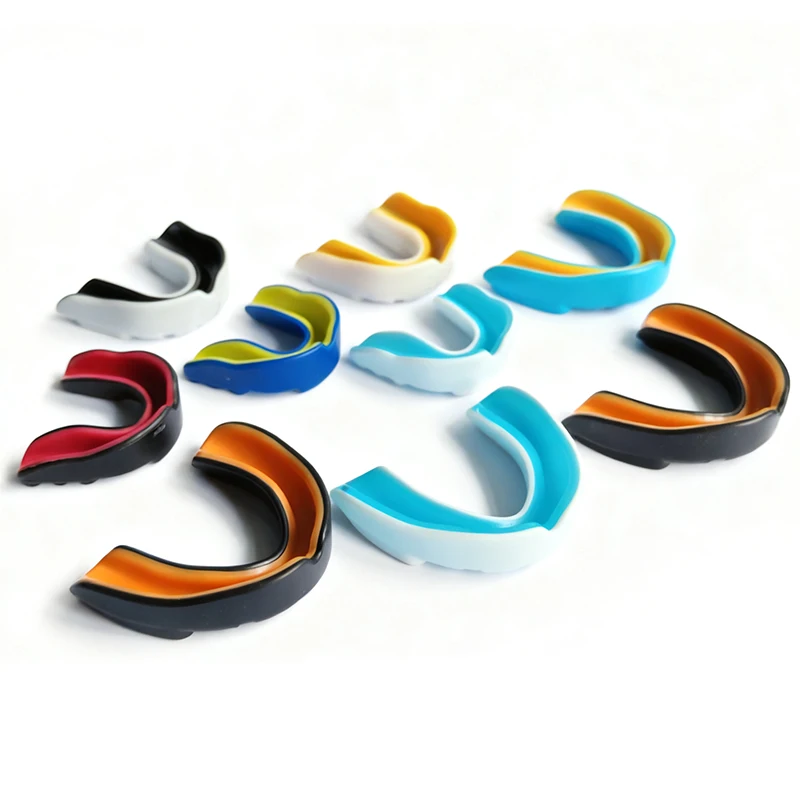
Custom-Fit Dental NTI Night Guard for Sleeping and Night Protection
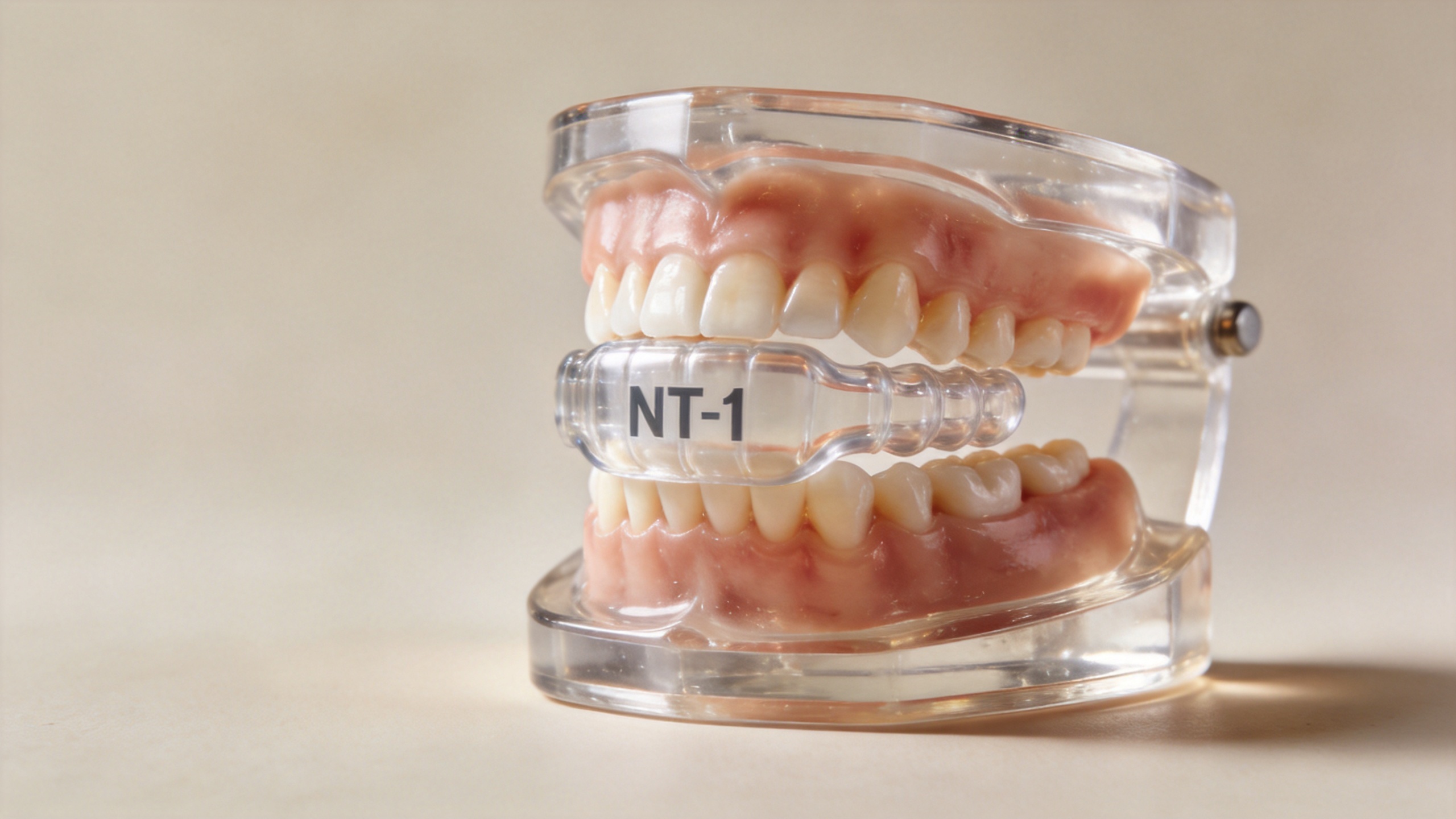
When you are comparing an NTI night guard, the useful first question is not simply whether it looks small or whether it has a factory price. It is whether the appliance has been selected and fitted for the purpose your dental professional has identified. An NTI-style appliance is usually designed to contact the front teeth, while many familiar night guards cover a larger area of an arch. Those designs are not interchangeable, and a product listing alone cannot determine what is appropriate for an individual mouth.
This guide explains the practical information to review before discussing a custom-fit option with a qualified dentist. It is general product information, not a diagnosis or a substitute for professional dental or sleep-related care.
What does “NTI night guard” describe?
An NTI night guard is commonly used as a search term for a compact, anterior-contact appliance worn during sleep. Its shape and contact pattern differ from a conventional full-coverage guard. A full-coverage design generally covers more teeth; an NTI-style design focuses on the front-teeth area. That difference affects fitting, adjustment, and follow-up, which is why it is sensible to ask a dental professional which design matches the intended use.
Search results for this topic often mix together “NTI,” “splint,” and “night guard.” The terms may overlap in casual shopping language, but they should not be treated as a promise that every device has the same purpose or clinical suitability. If you have jaw pain, damaged teeth, changes in bite, persistent headaches, loud snoring, breathing pauses during sleep, or a diagnosed sleep condition, seek appropriate professional evaluation rather than choosing an appliance from a generic description.
Why custom fit deserves attention
Fit is more than a comfort detail. A custom-fit appliance is based on the wearer’s dental anatomy, and a qualified dental professional can assess contact points, retention, wear patterns, and whether adjustments are needed. For an NTI night guard, that assessment matters because a small anterior design is intended to interact with the teeth in a specific way.
In consumer conversations, the missing details are often the same: What is the person trying to address? Which teeth will the appliance contact? Has a clinician reviewed the fit? Are there crowns, implants, orthodontic appliances, loose teeth, or gum concerns to consider? Answering those questions before purchase is more useful than relying on broad claims about nighttime protection.
How an NTI-style device differs from a standard night guard
| Question to ask | NTI-style appliance | Conventional full-coverage guard |
|---|---|---|
| Typical coverage | Often concentrated around the front teeth | Generally covers a fuller upper or lower arch |
| Selection focus | Requires confirmation of anterior contact design and intended use | Requires confirmation of arch, material, thickness, and bite relationship |
| Why fitting matters | Small contact areas may need careful professional review | Coverage and contact should still be checked for the individual wearer |
| What not to assume | That a compact device is suitable for every grinding, clenching, snoring, or sleep concern | That any soft or hard guard serves every nighttime need |
Simply put, an NTI night guard is not a universal replacement for every night guard. A dental professional can explain the intended role of a recommended appliance and whether another type of guard is a better fit for your circumstances.
A practical checklist before ordering
- State the intended use clearly. Describe nighttime clenching, tooth wear concerns, sleep-related symptoms, or another issue in your own words. Do not self-label a condition from a product name.
- Confirm the fitting pathway. Ask how impressions or scans are obtained, who reviews them, and how fit or contact adjustments are handled.
- Request material information. If “dental grade” appears in a listing, ask for specific, verifiable material documentation rather than treating the phrase as a clinical conclusion.
- Review the product scope. Check what is included: the appliance, case, cleaning guidance, fitting instructions, and any follow-up support. A factory price can be relevant for procurement, but it should not displace fit and documentation questions.
- Ask about limitations. A responsible conversation covers situations in which the device may not be appropriate and when a dentist or sleep clinician should be involved.
What “dental grade” and “factory price” should mean in a buying conversation
“Dental grade” is a marketing phrase unless it is supported by clear product information. Useful documentation may identify the material, intended product category, manufacturing controls, cleaning instructions, and any applicable records available from the supplier. It should not be translated into an unsupported claim about medical outcomes, comfort for every wearer, or suitability for a particular diagnosis.
Likewise, a factory price can help a clinic, distributor, pharmacy, or ecommerce team compare sourcing options. It does not answer whether a particular NTI night guard is appropriate for a user or whether the fit has been professionally checked. For business buyers, ask for samples, specifications, packaging details, traceability information, and a clear separation between confirmed facts and items awaiting verification.
Night protection also includes safe use and follow-up
Night protection is not only about receiving an appliance. It includes following the instructions provided for the specific device, keeping it clean, storing it in its case, and arranging follow-up if the fit changes or discomfort occurs. Stop using a device and contact a dental professional if you notice pain, tooth movement, a bite change, cracks, persistent soreness, or difficulty keeping it in place.
It is also important not to turn a dental appliance into a self-directed solution for a sleep-breathing problem. Professional sleep and dental guidance have different roles. If breathing pauses, severe daytime sleepiness, or other concerning sleep symptoms are present, seek evaluation from an appropriate healthcare professional.
Questions to take to a dental professional or supplier
- Is an anterior-contact design appropriate for the concern I am describing?
- How will the custom fit and tooth contacts be checked?
- What material information is available for this product?
- What are the cleaning, storage, and replacement instructions?
- What signs mean I should stop use and request a review?
- For a business order, which specifications and quality records can be supplied before purchase?
Choose information first, then the appliance
A custom-fit NTI night guard should be considered through a clear sequence: identify the concern, distinguish an NTI-style design from a full-coverage guard, confirm how the fit will be evaluated, and review the available material and product documentation. This approach keeps the focus on appropriate selection rather than on broad promises.
For any personal health question, individual dental assessment remains the right next step. For procurement, a disciplined request for verified specifications is more reliable than relying on labels such as factory price or dental grade alone.
Frequently asked questions
Can I choose an NTI night guard just because I grind my teeth?
Not without professional guidance. Grinding or clenching can have different causes and tooth-contact patterns. A dentist can determine whether an NTI-style appliance, a full-coverage guard, or another approach is suitable.
Does custom fit mean an appliance is appropriate for every sleep issue?
No. Custom fit addresses how an appliance relates to the wearer’s teeth. It does not diagnose a sleep or medical condition, and it does not replace evaluation for concerning sleep-related symptoms.
Is “dental grade” enough information to compare suppliers?
No. Ask for specific material, manufacturing, cleaning, packaging, and traceability information that can be reviewed for the intended market and product use.


 Hot News
