 EN



Professional Mouth Guard For Bleaching Teeth Manufacturer And Wholesale Supplier
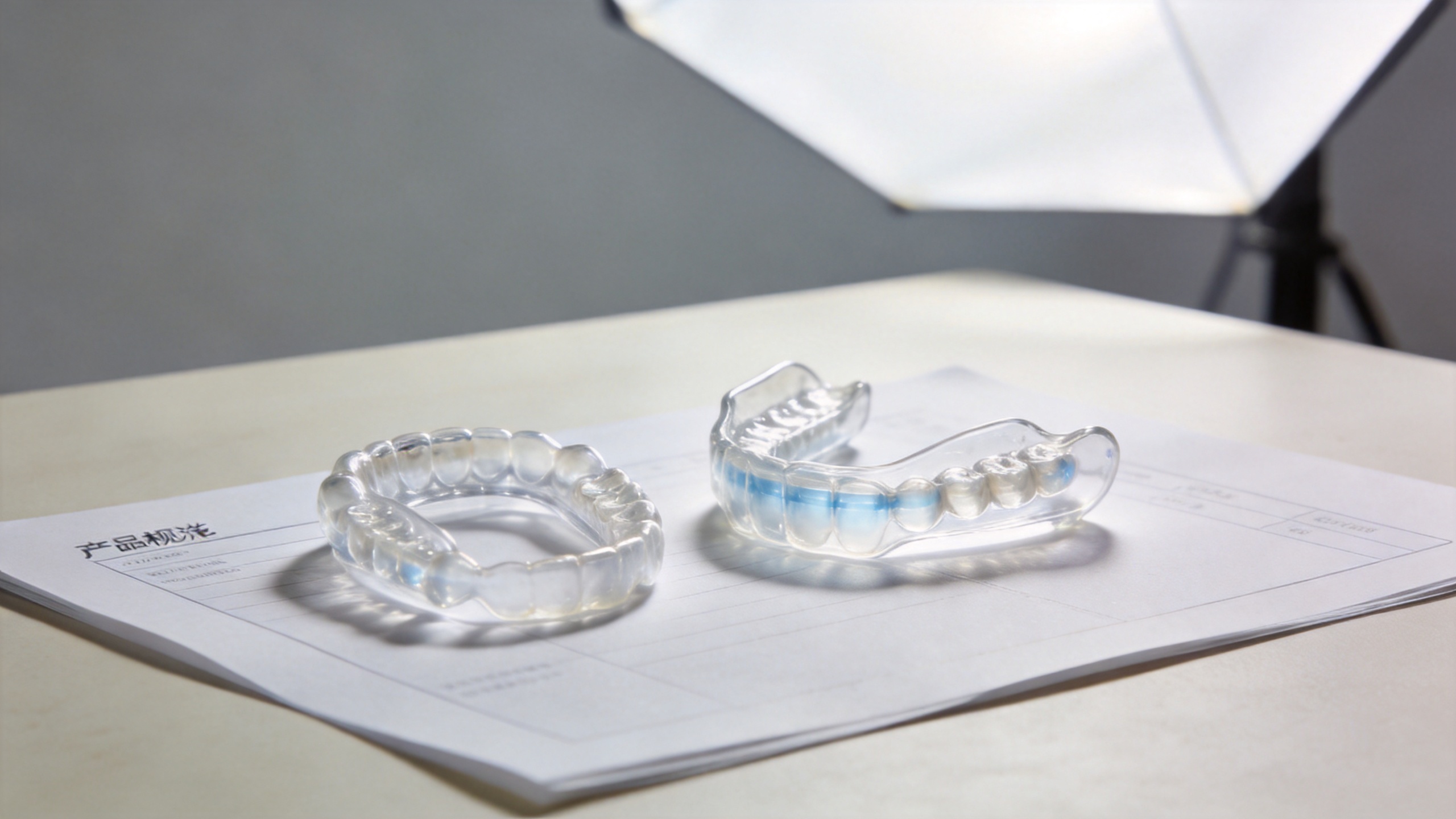
For a distributor, clinic buyer, pharmacy buyer, or online seller, a mouth guard for bleaching teeth is not simply a generic dental accessory. It is a whitening tray whose intended job is to hold a compatible bleaching gel against the teeth. That purpose affects the questions a wholesale buyer should ask about fit, material documentation, packaging, and instructions. A tray that looks similar to a protective night guard may serve a different purpose, so product language and sourcing requirements should stay precise.
From a wholesale procurement perspective, the useful starting point is not a broad claim about whitening outcomes. It is a clear purchase brief: which channel will sell the tray, how will the end user receive instructions, what bleaching system is expected, and what product information can the supplier document? Once those points are clear, factory price discussions become more meaningful because buyers are comparing like for like.
Define the Intended Use Before Comparing Suppliers
A mouth guard for bleaching teeth is commonly described as a tray that retains whitening gel. It should not automatically be marketed or sourced as a grinding guard, sports guard, or a substitute for individualized dental guidance. The distinction may seem small at the quotation stage, but it matters when a buyer prepares product listings, user instructions, and customer-service responses.
Start each request for quotation with a concise intended-use statement. Identify whether the buyer needs a tray for a retail whitening kit, professional-channel distribution, private-label packaging, or a refill program. Ask the supplier to confirm which components are included and which are not. If gel is not part of the supply scope, say so plainly. This helps avoid a mouth guard for bleaching teeth being presented with unsupported claims or mixed with unrelated oral products.
Build a Specification Sheet That a Manufacturer Can Quote
Vague requests such as “clear whitening mouth guards” make it difficult to compare factory quotes. A practical specification sheet turns the request into a reviewable purchasing task. It also gives a bulk supplier a consistent reference when samples, artwork, and production quantities are discussed.
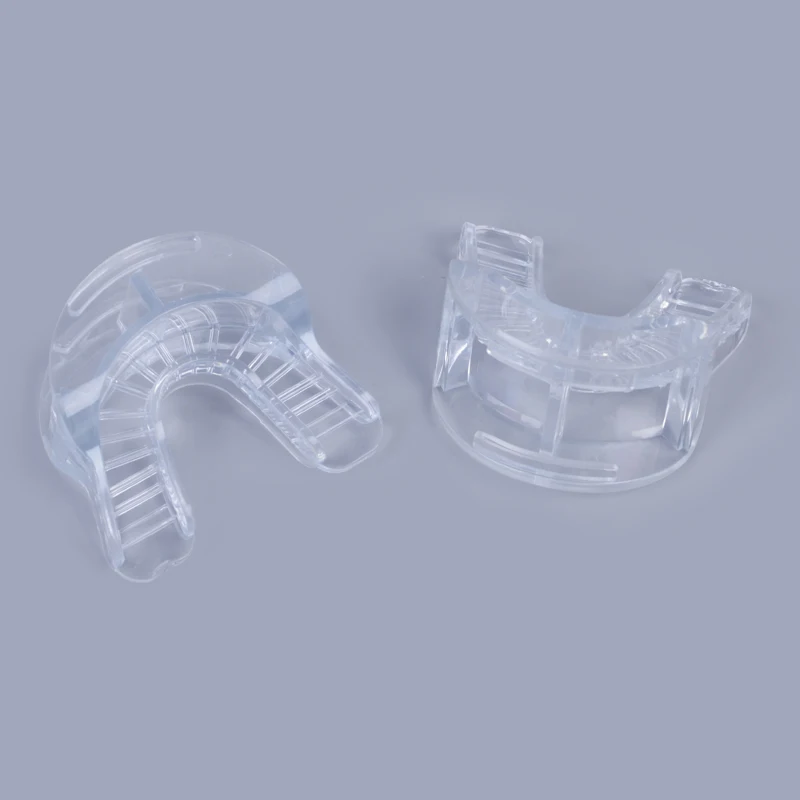
- Tray format: State whether the request concerns upper, lower, or paired trays, and whether the design is stock, boil-and-form, or based on a custom manufacturing workflow.
- Fit and edge expectations: Describe the intended level of trim, softness, retention, and user comfort without promising universal fit.
- Material information: Request the material name, color specification, relevant safety documentation, and any limits on the bleaching agents or temperatures the supplier has actually validated.
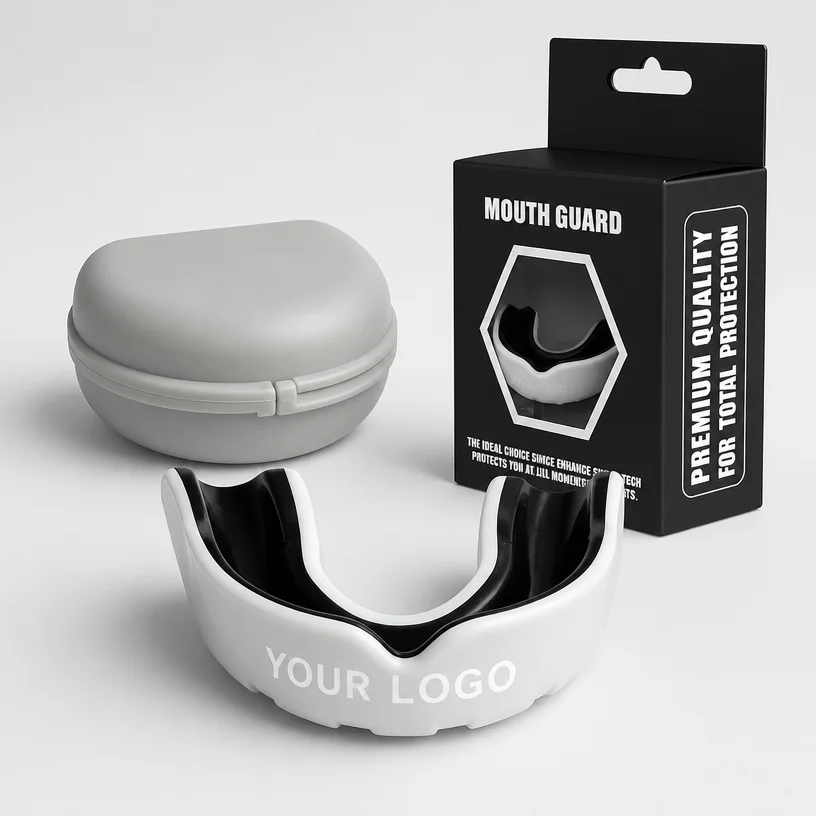
- Packaging: Specify case, pouch, insert, barcode, label language, and private-label artwork requirements. A factory price should identify what is included rather than leave packaging assumptions open.
- Instructions and warnings: Request draft instructions that align with the actual supplied product and the intended market. A supplier should not invent clinical claims for a tray.
Where a buyer plans to combine the tray with a bleaching product, product-specific regulatory and technical review is still required. ISO 28399:2021 addresses requirements and test methods for external tooth bleaching products intended for oral use. It is a useful point for asking better questions, not a shortcut to claim that every tray or finished kit meets a particular requirement.
How to Evaluate a Factory Price Without Chasing the Lowest Unit Quote
“Factory price” is a useful starting phrase, but it does not describe the full cost of bringing a mouth guard for bleaching teeth to market. Compare quotations only after the specification, packaging, order quantity, sample process, and shipping terms are aligned. A lower unit quote may omit a storage case, printed insert, tooling revision, quality checks, or separate packing work that another supplier included.
| Quote area | What to confirm | Why it matters |
|---|---|---|
| Unit configuration | Trays per set, case, insert, and label inclusion | Prevents mismatched comparisons between wholesale offers. |
| MOQ and sampling | Sample quantity, sample lead time, and production MOQ | Helps buyers test fit, packaging, and listing readiness before a bulk commitment. |
| Customization | Artwork setup, color changes, logo position, and packaging revisions | Clarifies which costs are one-time and which apply per order. |
| Documentation | Material declarations, product specifications, and batch or traceability records where available | Supports channel review and reduces avoidable back-and-forth later. |
| Quality process | Agreed appearance, count, sealing, and packaging checks | Creates a shared acceptance basis before shipment. |
The right conclusion is not that one supplier will cost less in every case. A wholesale buyer should compare the operational work attached to each quote. In practice, a bulk supplier that can answer specification questions consistently may make private-label preparation easier than one who provides only a low starting number.
Screen a Bulk Supplier With Documents, Samples, and Clear Boundaries
Before placing a larger order, use a staged review. First, request a written product specification and confirm the identity of the supplied item. Next, review samples for dimensions, trim consistency, odor, packaging condition, and the practical clarity of the included information. Finally, confirm what the supplier can document for the specific configuration being ordered.
It is reasonable to ask for material-related records, manufacturing controls, and available quality documentation. However, buyers should avoid treating a broad statement as proof of a product-specific feature. If a market requires a particular registration, standard, labeling rule, or technical file, verify the scope with qualified regulatory and product professionals before sale. The product’s intended use, target market, and complete kit contents can all change what needs to be checked.
For online channels, include a plan for accurate listings. Explain that a mouth guard for bleaching teeth is designed to contain bleaching gel when used as directed with an appropriate system. Do not imply that it can diagnose a dental condition, replace professional care, or serve every oral-protection need. That wording protects the buyer’s catalog quality as well as the supplier relationship.
Prepare a More Efficient Wholesale Inquiry
A complete inquiry usually receives a more usable response than a short price-only message. Send the product format, target sales channel, expected order range, destination market, packaging request, and documentation checklist in one message. If the buyer needs a private label, attach artwork specifications and identify whether the artwork is final or for feasibility review.
- Describe the intended use of the mouth guard for bleaching teeth and confirm whether bleaching gel is in scope.
- List the required tray format, set configuration, packaging, and label languages.
- Ask for a sample route and document the sample approval criteria.
- Request a factory price broken down by configuration and order quantity.
- Confirm lead-time assumptions, inspection points, and the records available for the ordered version.
- Review destination-market obligations separately before finalizing claims or labels.
Questions to Ask Before Choosing a Manufacturer
- What exactly is supplied with each whitening tray set?
- Which material details and product specifications can be provided for this configuration?
- How are samples, private-label artwork, and production changes controlled?
- What quality checks are performed for tray appearance, packing count, and finished packaging?
- How does the factory price change by packaging option and order quantity?
- Which documents are product-specific, and which require additional market review by the buyer?
A professional sourcing decision combines these answers with a sample review and a realistic launch plan. The most useful bulk supplier is not defined by a headline price alone. It is one that can help the buyer keep product scope, documentation, packaging, and marketplace language aligned.
Conclusion
When sourcing a mouth guard for bleaching teeth, begin with intended use and a detailed specification, then compare factory price on an equal configuration basis. Treat samples and documentation as part of the purchasing process, keep whitening-tray claims separate from protective-guard claims, and verify market-specific obligations before sale. This approach gives wholesalers a more reliable foundation for supplier selection and private-label planning.


 Hot News
