EN



Custom Football Mouth Guard For Youth For Maximum Protection And Comfort
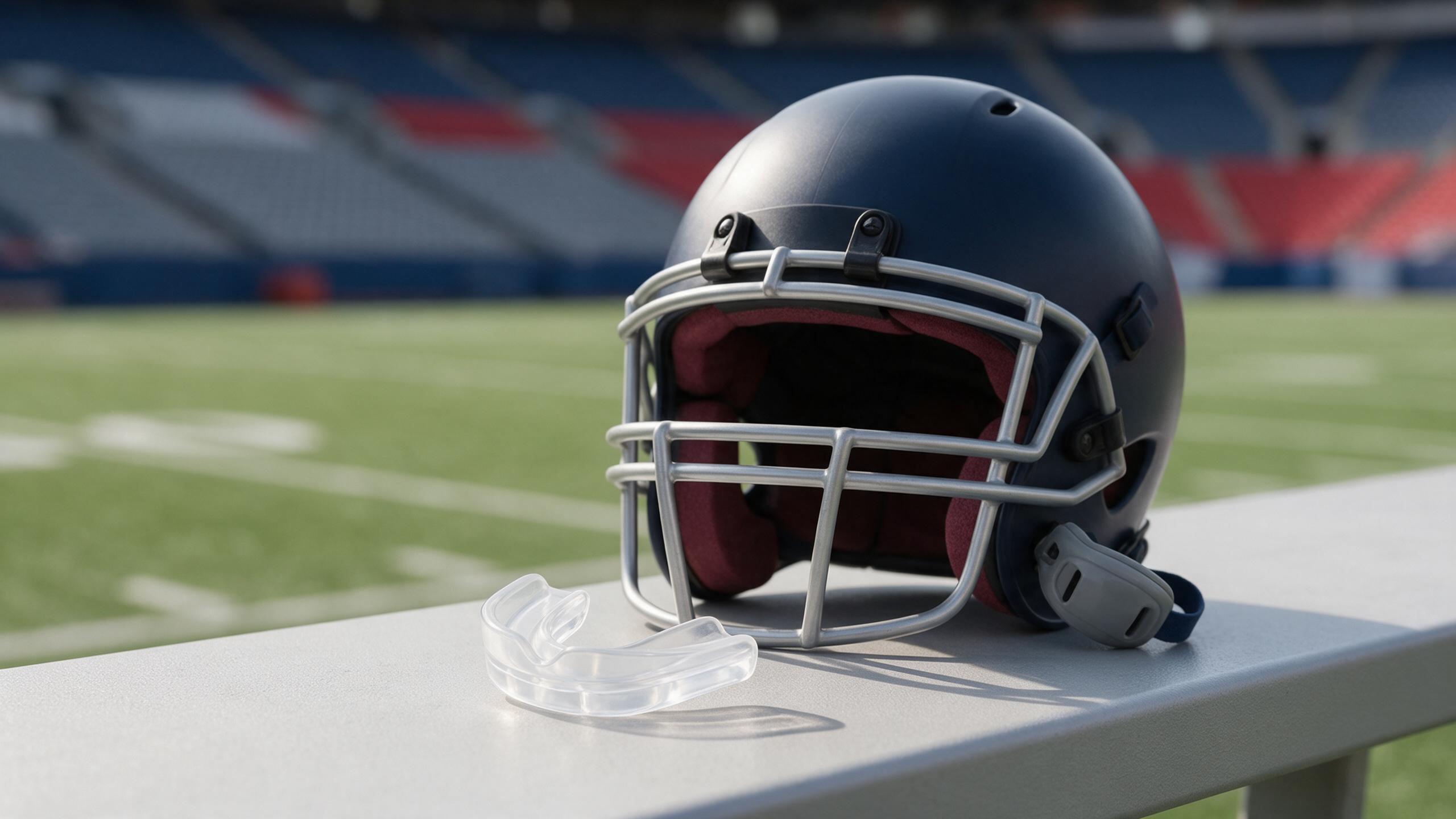
Choosing a football mouth guard for youth is less about picking the brightest color and more about checking whether a young player can wear it comfortably through drills, contact, and a full game. From a sports-protection use perspective, the useful questions are practical: Does it stay in place without constant biting? Does it cover the upper teeth as intended? Can the player breathe, speak, and follow the coach while wearing it? A mouthguard that is left in a helmet or pulled out after a few minutes cannot support the routine it was bought for.
For parents, team buyers, and youth-sports retailers, a football mouth guard for youth should be evaluated as part of a broader equipment routine. The American Dental Association recommends properly fitted mouthguards for sports with a meaningful risk of dental or orofacial injury. That guidance makes fit and consistent use the starting point. It does not mean that any one style can promise a particular result for every player.
Start With the Player, Not the Product Name
Youth players differ in mouth size, dentition, confidence, and how often they are likely to remove gear during practice. A football mouth guard for youth needs a secure, manageable fit for the individual wearer. Before comparing styles, identify the player’s age range, whether orthodontic treatment is involved, the league’s equipment rules, and whether a helmet strap is useful for the routine.
- Fit: The guard should sit securely rather than fall out when the player opens their mouth. Constant clenching to hold it in place is a sign to reassess the fit.
- Coverage: Look for a design intended to cover the upper teeth and protect the lips and cheeks from contact. Follow the supplier’s sizing and fitting instructions.
- Comfort: A thick-looking guard is not automatically the right choice. Rough edges, pressure points, or an overly bulky feel can discourage regular use.
- Breathing and communication: Have the player test simple breathing and short verbal cues while supervised, then adjust the selection if the guard is distracting or unstable.
For children with braces, dental appliances, pain, a recent dental injury, or uncertainty about fit, a parent should ask a dentist for individual guidance. That is especially important because growing mouths and orthodontic needs can change the right choice.
Compare the Main Youth Mouth Guard Formats
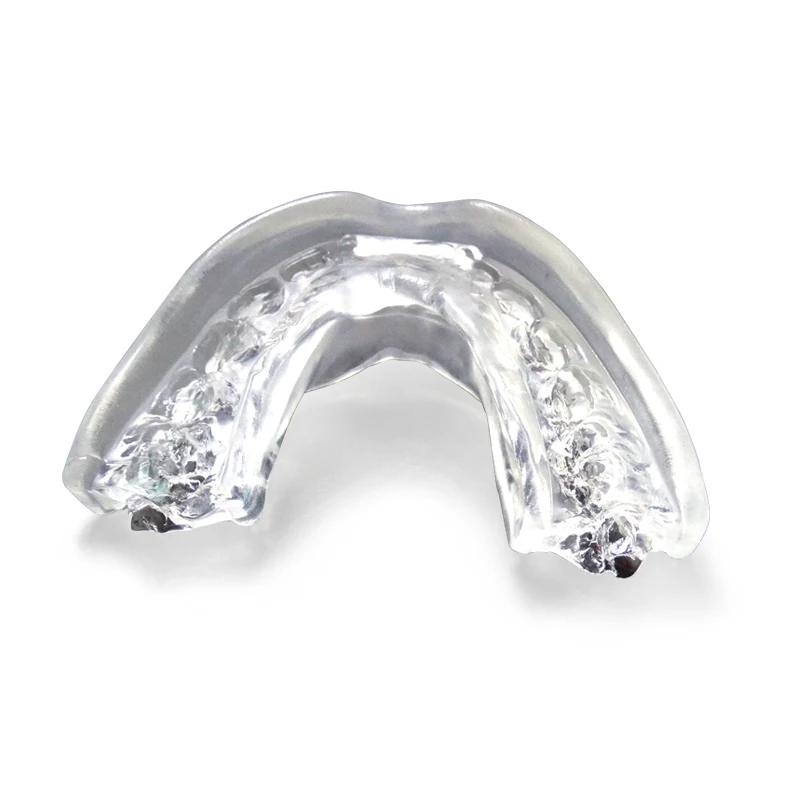
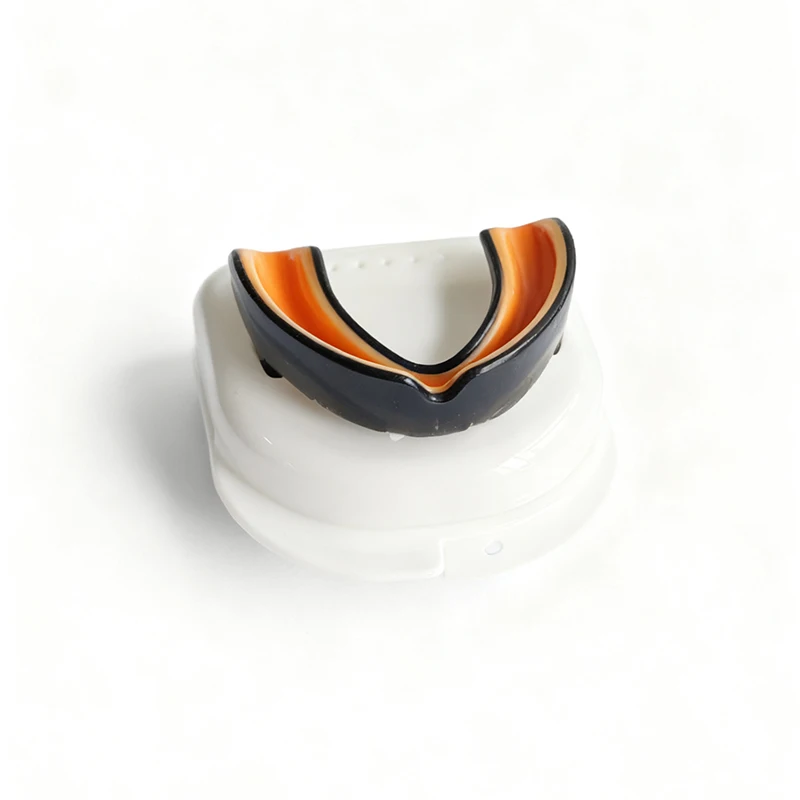
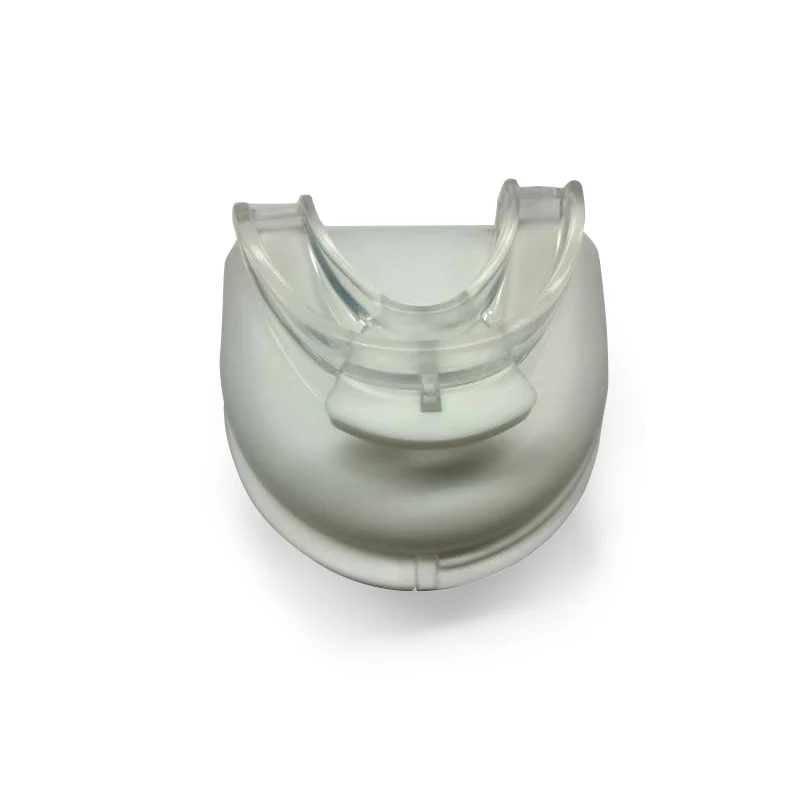
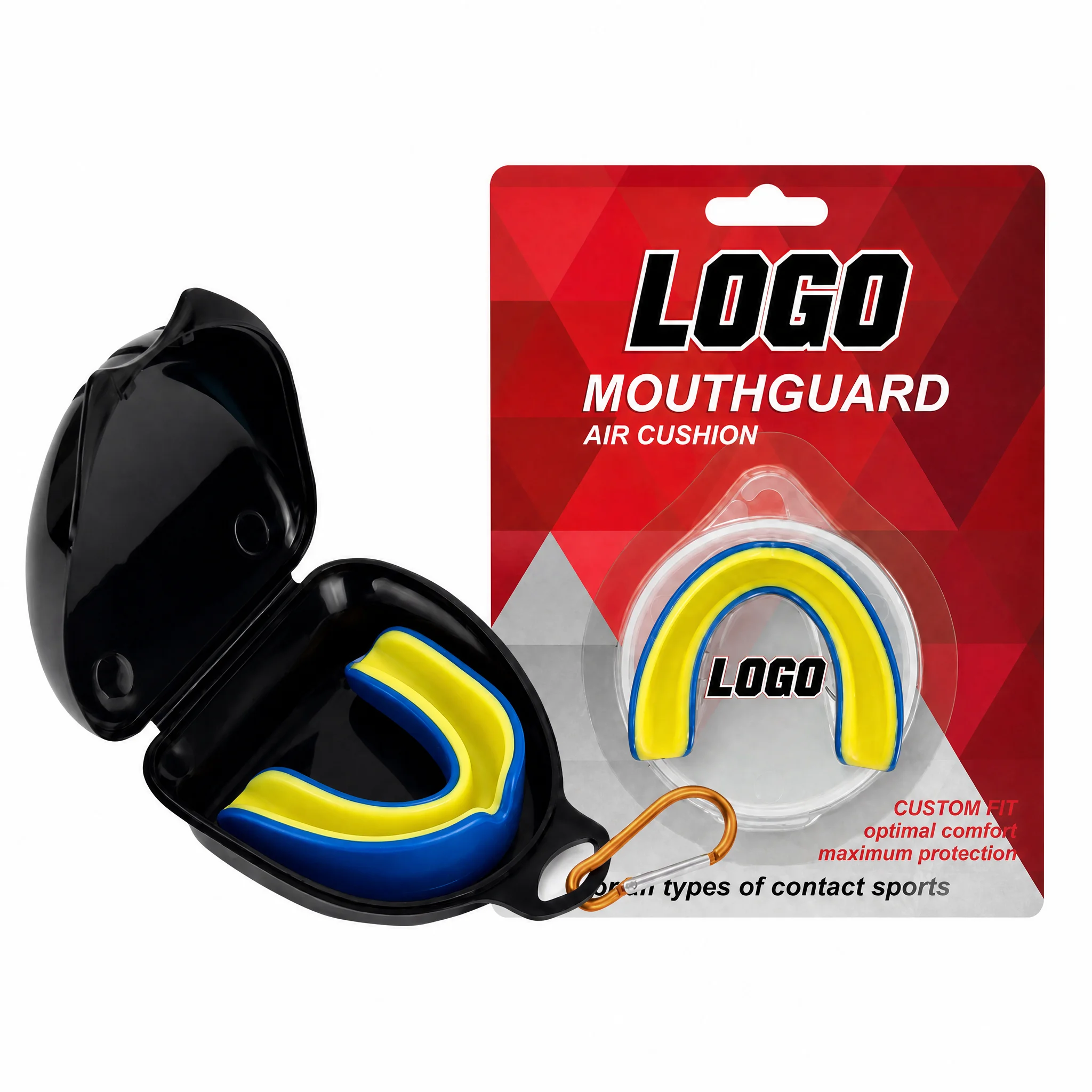
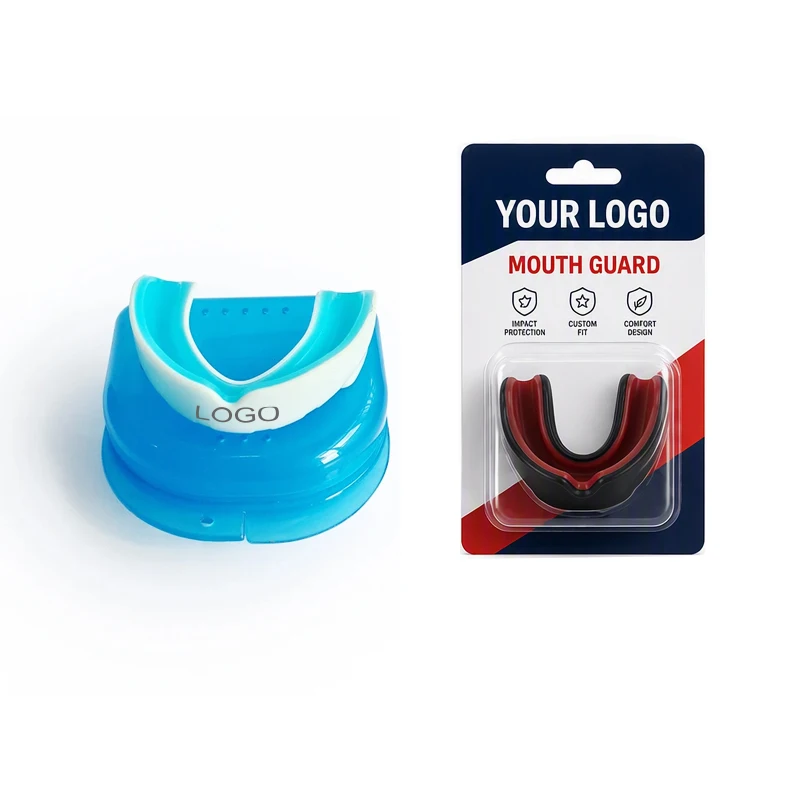
A football mouth guard for youth commonly falls into a stock, boil-and-bite, or dentist-made custom category. The right format depends on the player, the available fitting support, and the buyer’s documentation requirements. “Custom” can describe different processes in the market, so buyers should ask what the term means for the actual item: a molded retail product, a made-to-order option, or a dental-professional process.
| Format | Where it may fit | What to verify |
|---|---|---|
| Stock youth guard | Quick basic option when the offered size aligns with the player | Retention, upper-tooth coverage, edge finish, and whether the player can keep it in place |
| Boil-and-bite guard | Players who can follow the fitting directions with adult help | Clear molding instructions, remolding limits, and a post-fitting retention check |
| Professionally made custom guard | Players who need individualized dental guidance or have complex fit needs | Process, care guidance, follow-up expectations, and suitability confirmed by the dental professional |
There is no shortcut around the retention check. The useful test is whether the player can wear the football mouth guard for youth through normal practice behavior without repeatedly pushing it back into position.
Comfort Features That Matter During Practice
Comfort is a performance-of-use issue, not a decorative extra. Young athletes are more likely to use a guard as directed when it does not rub, trap them in an awkward bite, or interfere with basic communication. Retail pages may highlight straps, channels, colors, or material labels; those details can be relevant, but they should be compared against the player’s actual fit.
Use a short supervised trial during non-contact practice. Ask: Can the player keep the guard seated? Do they report rubbing or gagging? Can they take a normal breath and respond to a coach? Does the guard stay with the helmet when a strap is part of the routine? Write down the answer rather than relying on a quick first impression.
Care also supports comfort. A clean storage case, cool-water rinsing when appropriate, and inspection for tears, deformation, or damaged edges can help families spot when a guard needs attention. Follow the product-specific care directions; heat and harsh handling can alter some materials.
A Supplier Checklist for Youth Football Programs and Sellers
For a distributor, online seller, clinic, pharmacy, or team buyer, a football mouth guard for youth is easier to present responsibly when the supplier provides clear, product-specific information. Factory price is one purchasing input, but it should not replace a review of sizing guidance, fitting instructions, packing details, and traceable documentation.
- Request the offered youth sizes, dimensions, and any age guidance in writing.
- Ask what material information and care instructions accompany the item.
- Confirm whether the design is strapped, strapless, or offered in both versions, and how that choice affects the intended use routine.
- Review samples with the intended user group before a larger order. A sample helps assess fit communication and packaging, not medical suitability.
- Discuss factory price alongside minimum order quantity, customization options, packaging, lead time, and quality-check records.
- Ask the manufacturer to distinguish verified product facts from marketing language, particularly for protection, comfort, and orthodontic use claims.
This process helps a buyer explain what is known, what depends on fitting, and what must be confirmed before the item is offered to youth teams. It is also more useful than making blanket statements about a product’s performance.
How to Check a Youth Mouth Guard Before Game Day
Use this simple routine each season and after any noticeable change in fit:
- Inspect the guard for splitting, deep bite marks, distortion, or rough edges.
- Place it according to the fitting instructions and check that it stays seated without repeated biting.
- Confirm that the player can breathe and communicate comfortably during a calm practice check.
- Review league and coach instructions for when the guard must be worn.
- Seek dental guidance if the player has braces, mouth pain, a dental concern, or a guard that no longer fits as expected.
Parents can also teach the player where the guard belongs between plays and how to use the storage case. Small routines matter: they make a football mouth guard for youth easier to keep clean, available, and familiar.
Making a Responsible Choice
The most practical football mouth guard for youth is one that matches the player’s fit needs, is worn consistently, and comes with understandable fitting and care information. Start with secure retention and comfort, then compare format, strap preference, supplier documentation, and purchasing terms. When a child has braces or a dental concern, pause the comparison and ask a dentist for advice suited to that child.
For B2B buyers, a careful manufacturer conversation and a sample review can make factory price comparisons more meaningful. For families, the same principle applies: a well-explained, properly fitted guard is more useful than an impressive product claim. Recheck fit as the season and the player change.
Frequently Asked Questions
How should a football mouth guard for youth stay in place?
It should remain seated according to its fitting instructions without the player needing to clench constantly to hold it. If it repeatedly drops, shifts, rubs, or feels uncomfortable, reassess the fit and consult a dentist when appropriate.
Can a youth player use a mouth guard with braces?
Some options are marketed for orthodontic use, but a player with braces should get individualized guidance from their dentist or orthodontist before relying on a particular design.
Does a higher factory price prove a youth mouth guard offers more protection?
No. Price alone does not establish fit, retention, documentation quality, or appropriateness for a given player. Compare the item’s stated specifications, fitting information, sample feedback, and supplier records.
 Hot News