EN



Custom Mma Mouth Guard For Maximum Protection And Comfort
In MMA, a mouth guard is not a minor accessory. It has to remain stable while an athlete breathes hard, changes posture, speaks with a coach, and absorbs the realities of sparring or competition. From a sports-protection point of view, a useful choice starts with the training situation rather than color or a broad product label. A properly fitted mma mouth guard can support a more focused routine because the wearer is not repeatedly stopping to reposition it.
The American Dental Association lists boxing, martial arts, and combat sports among activities where a properly fitted mouthguard is recommended because of the risk of dental or orofacial injury. Its guidance also describes a practical standard: a guard should stay in place comfortably and securely. That is a helpful buying principle, but individual dental needs remain a matter for a dental professional.
Why Fit Matters During MMA Training
“Custom” can mean different things in the market, so it helps to ask what is actually being customized. A custom fit may refer to an impression-based design, a thermoformed design shaped by the wearer, or a supplier-specific sizing process. The important question is whether the guard has enough retention to stay seated without constant clenching. If it shifts when the athlete opens the mouth, talks, or takes a breath between rounds, comfort and consistent wear can both suffer.
Fit is not simply about making a guard tight. Edges that rub the gums or cheeks can distract a wearer, while excess bulk may make speech and breathing feel awkward. A well-considered mma mouth guard balances coverage, retention, edge finish, and the wearer’s intended sport. The exact shape and thickness should be verified against the chosen design, material specification, and the individual’s dental situation.
Start With the Contact Scenario
Not every MMA session asks the same thing of a mouth guard. Technical drilling, striking sparring, grappling exchanges, and competition can place different demands on stability and coverage. Before comparing options, define the intended use and ask whether the product is designed for adult or youth sizing, single-arch or double-arch construction, and the expected intensity of contact.
- Technical practice: prioritize a secure feel that does not interrupt coaching cues or controlled movement.
- Contact sparring: confirm how the guard is retained and whether its stated construction matches the planned intensity.
- Competition preparation: check event rules, size expectations, and whether the athlete has had fit concerns in previous guards.
- Youth programs: include growth, supervision, and regular fit review in the discussion.
This is where the idea of an mma mouth guard becomes more useful than a generic sports label. The purpose is not to make a universal claim about one design. It is to choose a configuration that makes sense for a defined combat-sports setting.
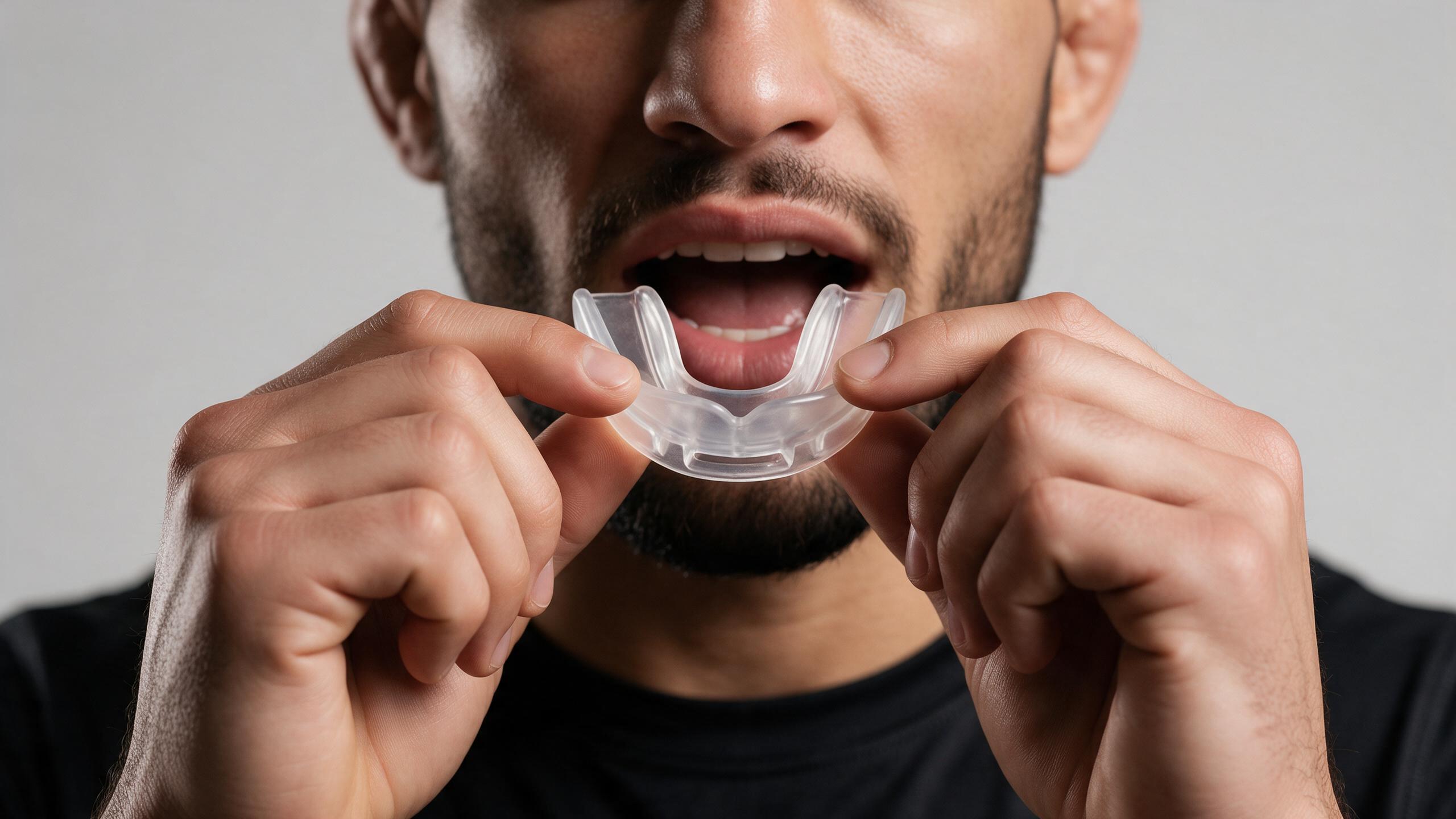
Comfort Is a Retention Question, Too
Comfort is sometimes treated as a separate feature, yet it affects whether a guard is worn correctly throughout a session. When a guard is uncomfortable, a wearer may loosen it, remove it between drills, or bite down harder than necessary just to keep it in place. In practice, a custom fit discussion should cover the wearer’s bite, likely pressure points, and whether the design remains manageable during active breathing.
Ask practical questions: Does the guard sit securely without being held in place? Are the edges smooth? Can the wearer communicate when needed? Is the size appropriate for the athlete’s current dentition? These questions do not replace a clinical assessment, but they turn vague comfort language into a clear review process.
Material and Design Questions to Ask a Supplier
For wholesale buyers, gyms, clinics, and e-commerce teams, a product brief should be specific enough to compare samples fairly. The phrase OEM/ODM is useful only when the requested specifications are defined. Instead of asking for a general custom product, document what needs confirmation.
- What material and construction are proposed for the intended MMA use?
- What size range, impression process, or thermoforming instructions apply?
- Which design elements support retention, and what tolerances can the supplier document?
- Can the supplier provide packaging, care instructions, and artwork options that match the sales channel?
- Which statements about materials, testing, or compliance can be supported with current records?
This approach is especially helpful for an OEM/ODM project. A logo, color range, or packaging change may be straightforward, while a different profile or material calls for a separate specification review. Keeping confirmed facts separate from requested features produces clearer samples and more accurate product pages.
How to Compare Custom, Thermoformed, and Stock Options
A custom option may suit an athlete or buyer who needs a more individualized retention process. A thermoformed option can be practical when the instructions and sizing method are understood. A stock option may be appropriate for basic program needs when its limits are communicated clearly. None of these labels alone settles the question. The buyer should compare intended contact level, fit method, coverage, care requirements, and available documentation.
For a buyer building an MMA range, it is sensible to test samples in the actual target context. Review how each mma mouth guard feels during controlled movement, whether it stays positioned without repeated adjustment, and whether the supplied information supports the claims planned for packaging or online listings. Avoid turning a sample observation into a broad health or performance statement.
Care, Review, and Professional Input
A mouth guard needs routine care to remain usable. Follow the supplier’s cleaning and storage instructions, let it dry as directed, and inspect it for changes in shape, rough edges, or damage. A guard that no longer fits or has visible damage should be reviewed rather than used without question. For pain, dental work, changing teeth, jaw concerns, or uncertainty about fit, seek advice from a qualified dental professional.
A Practical Buying Checklist
Before choosing a custom MMA option, write down the training scenario, the wearer’s age group, the desired fit method, any communication or breathing concerns, and the product records required for your channel. Then compare samples against those criteria. This keeps “maximum protection and comfort” grounded in a usable selection process instead of a vague promise.
For athletes, the takeaway is simple: choose an mma mouth guard that is appropriate for the sport, remains comfortably in position, and is reviewed when fit changes. For B2B buyers, a clear custom fit and OEM/ODM brief makes supplier communication more precise and helps keep product claims aligned with the records available.
 Hot News