 EN



Custom Mouth Guard MMA for Maximum Protection and Comfort
A mouth guard MMA buyer is not simply choosing a colored accessory. In striking, grappling, clinch work, and live sparring, the guard has to stay where it belongs while the athlete breathes, speaks, and resets between exchanges. That makes a custom mouth guard MMA program a fit-and-specification exercise as much as a design project.
For distributors, ecommerce teams, clinics, and sports retailers, the useful starting point is the end user’s training situation. A beginner drilling twice a week, a competitor preparing for regular sparring, and a gym that wants branded retail stock may all ask for a mouth guard MMA option, but they do not need the same brief. The American Dental Association recommends properly fitted mouthguards for activities with meaningful dental or orofacial injury risk, including boxing, martial arts, and combat sports. That is a reason to prioritize retention and usable fit rather than treat protection as a slogan.
Start with the MMA use case, not the artwork
When reviewing a mouth guard MMA request, ask how the guard will be used before discussing colors or packaging. Is it intended for light technical practice, routine sparring, amateur competition, or a mixed retail assortment? The answer guides the conversation about fit, profile, coverage, cleaning instructions, and the kind of information the reseller needs.
A guard that feels bulky may be left in a gym bag. One that shifts when the athlete opens the mouth can distract from breathing and communication. Conversely, a mouth guard MMA design that is too minimal for the intended activity may not match the buyer’s protection expectations. No general article can diagnose an individual athlete’s dental needs; users with dental concerns, braces, pain, or unusual bite issues should seek advice from an appropriate dental professional.
Fit is the foundation of protection and comfort
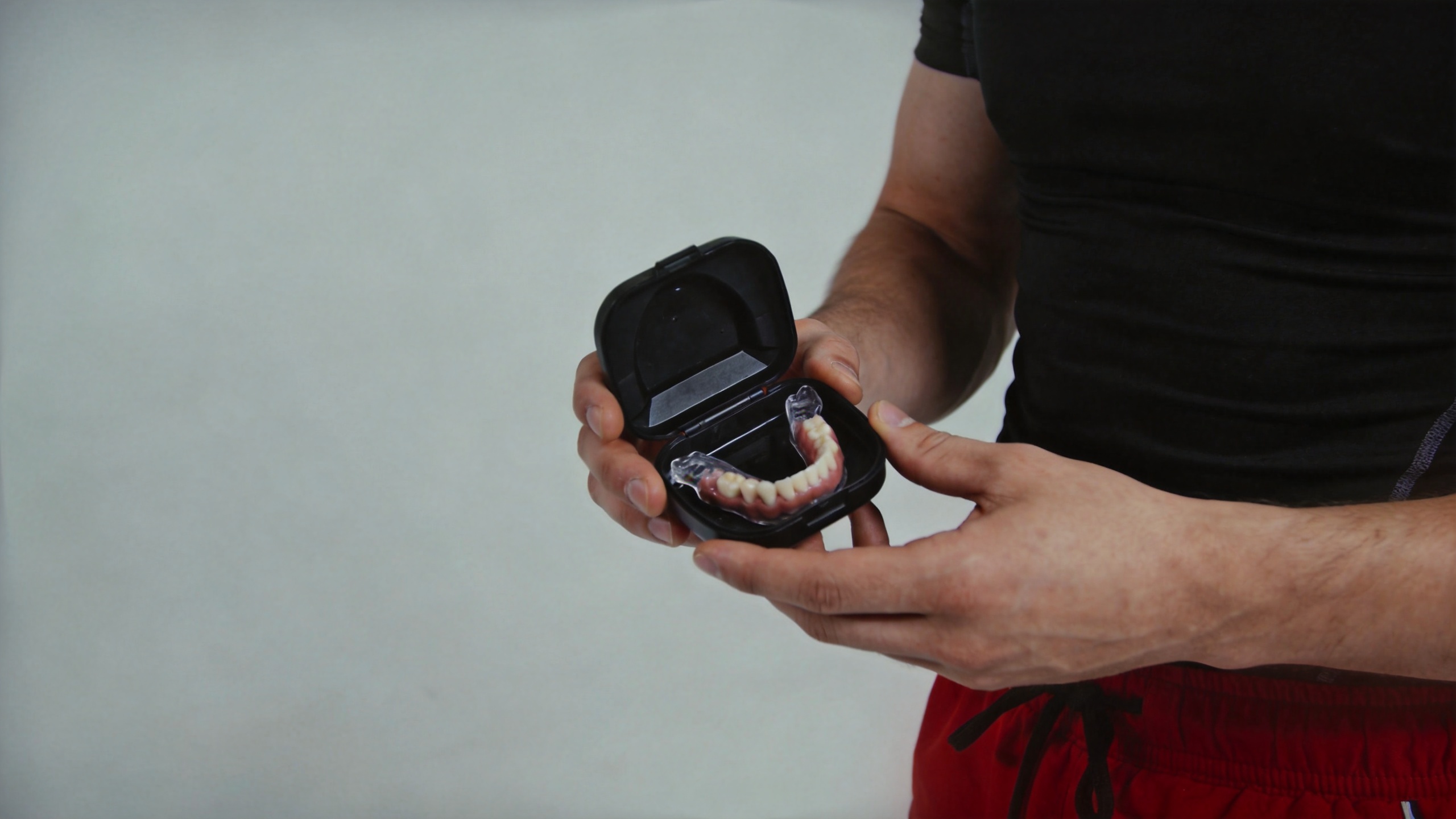
For a mouth guard MMA product, fit means more than an impression of tightness. The guard should retain on the dental arch without the wearer continually biting down to keep it in place. The ADA notes that adequate retention helps create a resilient protective surface and can help protect soft tissues such as the lips and cheeks. In practical buying terms, this turns the vague phrase “comfortable fit” into questions that can be checked.
- Does the mouth guard MMA specification explain the fitting route clearly?
- Can the buyer distinguish a custom-made option from a boil-and-bite retail option?
- Is the intended user group described, including any braces-related limitations?
- Are care, cleaning, storage, and replacement instructions prepared for the channel?
- Will the final product allow the wearer to breathe and communicate comfortably enough for its stated training context?
A custom workflow can be useful when the goal is closer adaptation to an individual wearer. It should not be marketed as a guarantee against every injury or as a substitute for appropriate coaching and safe training practice. A sound mouth guard MMA choice matches the stated activity, follows the applicable fitting route, and is actually worn.
Build a clear protection brief
Protection claims deserve careful language. Instead of promising that a mouth guard MMA product is “maximum protection” in every circumstance, define the conditions behind the request. Buyers can ask suppliers to document the intended sport category, product construction description, fitting instructions, material information, and any available testing or compliance documents. If a document is not available, it should remain a procurement follow-up rather than become an assumed product fact.
For an MMA assortment, a practical brief may separate three layers: impact-management expectations, wearer comfort requirements, and retail communication needs. This keeps a product conversation from mixing athlete safety guidance with unverified manufacturing claims. It also helps a buyer compare like with like instead of comparing a thin entry-level item to a custom mouth guard MMA offer on price alone.
Comfort details that influence repeat use
Comfort is not cosmetic. A mouth guard MMA product is more likely to be used consistently when it does not create unnecessary distraction during warm-ups, drills, or sparring. Ask athletes or channel partners for structured feedback on retention, edge feel, speech, breathing, and the steps required to clean and store the guard. This feedback does not prove performance, but it can improve the next product brief.
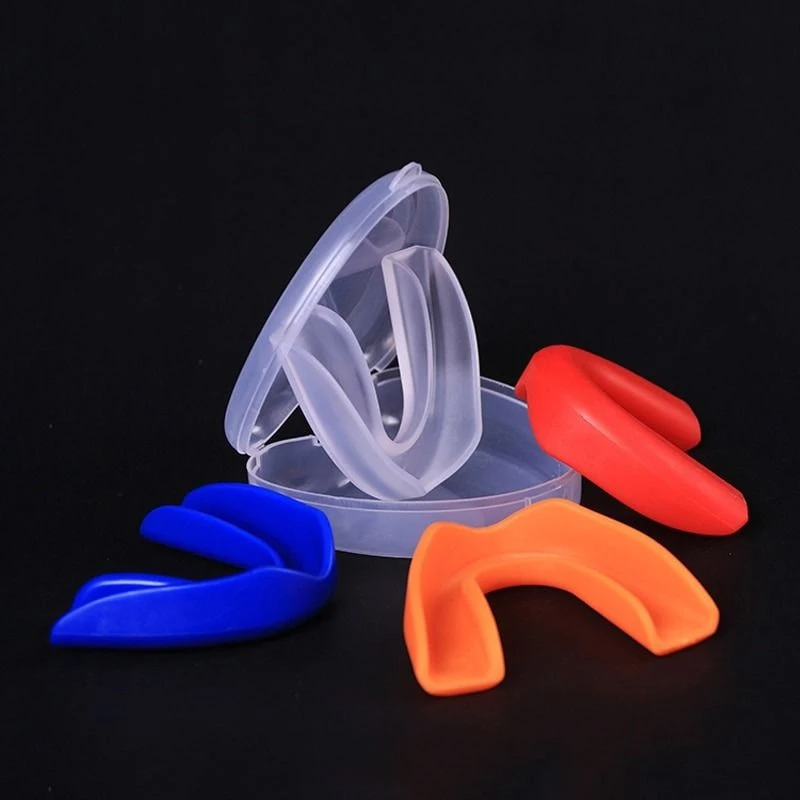
For a custom mouth guard MMA offer, the order of questions matters. First confirm the sport and fitting route. Next confirm the wearer segment, age range where relevant, and whether a dental professional should be involved. Then discuss the visible options: logo placement, color matching, name personalization, case design, and instruction-card language. Starting with decoration often hides the information that determines whether the product is appropriate for the channel.
How to evaluate bulk buy requests
A bulk buy request should be treated as a repeatable operating plan, not just a larger carton count. A buyer needs to know which product configurations will be grouped together, how samples or approvals will be handled, what artwork files are required, and what information must appear on the packaging. For a mouth guard MMA range, clear variation control matters because colors, sizing routes, and fitting instructions can otherwise become inconsistent across orders.
Before committing to a bulk buy, prepare a written checklist that includes the intended market, language requirements, SKU logic, packaging format, order quantities, sample confirmation process, and final artwork approval. Request only claims and documentation that can be verified. This approach may add a little work at the start, but it reduces avoidable follow-up for a mouth guard MMA program after inventory has reached a retailer or gym.
Use OEM/ODM discussions to define the brief
OEM/ODM is most useful when it identifies a real division of responsibility. An OEM/ODM conversation for a mouth guard MMA line can cover branding, visual specifications, packaging, supplied artwork, sample approval, and the boundaries of any requested product changes. It should not be used to imply certifications, impact ratings, medical suitability, or factory capabilities that have not been documented.
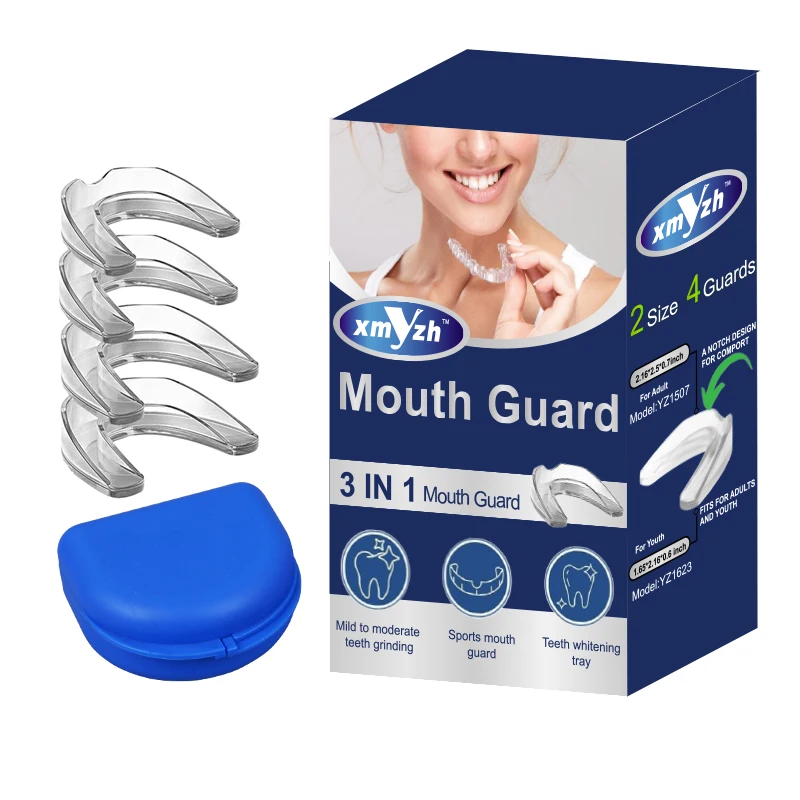
For wholesalers, the practical value of OEM/ODM is consistency. A disciplined brief gives the supplier, buyer, and downstream seller the same language for intended use and presentation. It also makes it easier to keep a custom mouth guard MMA collection distinct from unrelated night guards or whitening trays, which serve different purposes.
A buyer checklist for a custom MMA range
- Define the intended combat-sport use and user segment.
- Select the fitting route and state its limitations clearly.
- Ask for the product information and documents needed for the target channel.
- Review comfort and retention feedback before expanding the assortment.
- Confirm artwork, packaging, sample sign-off, and replenishment rules for bulk buy orders.
- Keep OEM/ODM requests tied to verified specifications rather than broad promises.
A well-scoped mouth guard MMA program gives athletes a clearer selection path and gives channel buyers a more reliable way to evaluate fit, comfort, and product communication. The goal is not to claim that one design suits everyone. It is to turn a general request for protection into a usable, evidence-aware brief that supports responsible customization and repeatable purchasing.
Frequently asked questions
Why is retention important in a mouth guard MMA product?
Retention helps the guard stay positioned without constant biting. That can support a more usable fit during training; the correct choice still depends on the intended sport, fitting route, and individual wearer.
What should a buyer include in a bulk buy request?
Include the target channel, expected quantities, product configuration, artwork, packaging, language needs, sample approval process, and the product information or documents that must be verified.
What can OEM/ODM cover for a custom MMA mouthguard?
OEM/ODM discussions can define branding, artwork, packaging, sample approvals, and documented product specifications. Claims about certification, performance, or suitability should only be made when supporting evidence is available.
 Hot News
