 EN



How To Source The Best Mouthguard For Braces Sleeping For Dental Practices?
Dental teams are often asked for a mouthguard for braces sleeping when a patient reports grinding, discomfort, or concern about protecting brackets overnight. For a practice, the purchase is not a simple retail decision. The appliance has to fit the treatment plan, be appropriate for the patient’s current dentition, and arrive through a supplier whose documentation and communication support clinical review. What follows is a working sourcing process, not a blanket product recommendation.
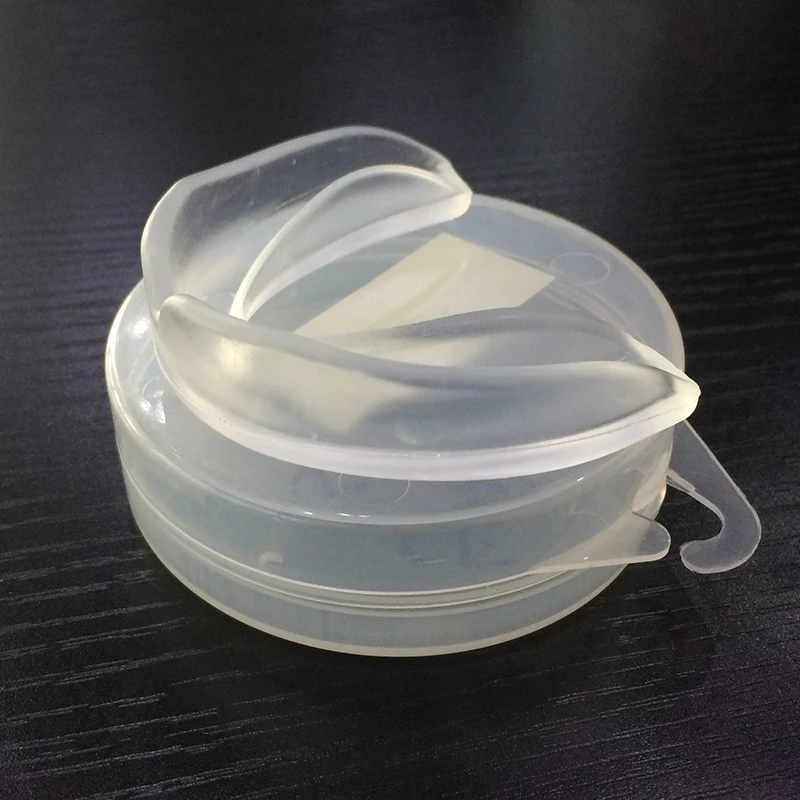
Start from the clinical question, not the catalog. A mouthguard for braces sleeping may be considered for different reasons, including an overnight grinding concern or a need to separate teeth under a clinician-directed plan. The treating dentist or orthodontist should determine whether an appliance is suitable, which arch or arches need coverage, and whether a current appliance design could interfere with ongoing tooth movement.
1. Define the use case before asking for quotes
Write a short internal brief for every mouthguard for braces sleeping request. Record whether braces are fixed or removable, where brackets and attachments sit, the reason for nighttime use, current symptoms reported by the patient, and the next expected orthodontic adjustment. That note gives the clinician something concrete to review before procurement compares suppliers.
It also prevents a common mismatch: a generic sports protector may protect against impact but not meet the fit or clinical-management needs of an overnight appliance. Public guidance from Cleveland Clinic notes that custom-fitted mouthguards are commonly used for people with braces when clinically appropriate, while orthodontic guidance emphasizes that the treating team should confirm fit. Those points do not replace professional judgment; they explain why a practice should build approval into its purchasing workflow.
2. Make fit verification the first supplier test
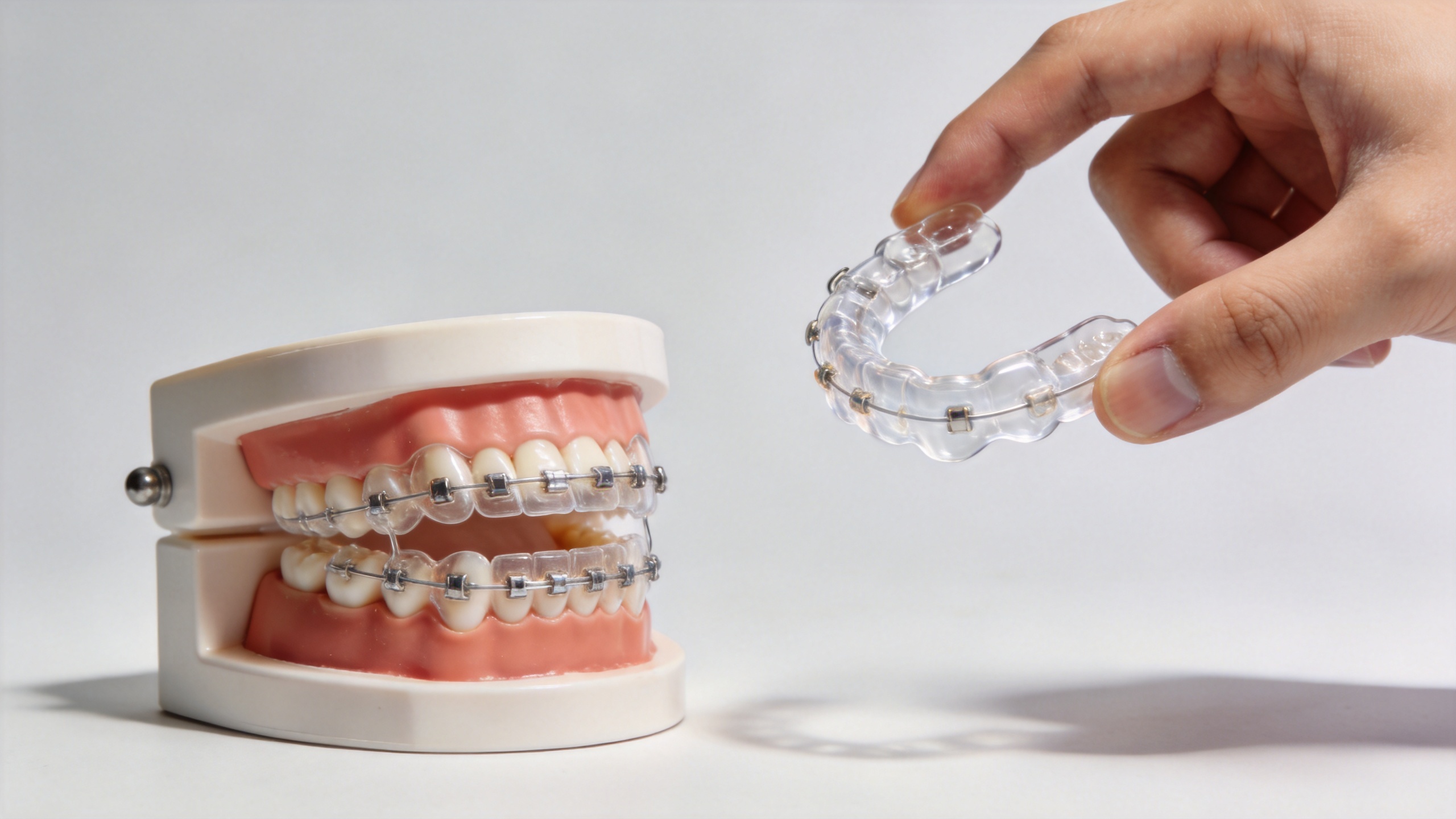
A custom fit is a process, not a marketing label. Ask a prospective supplier how it receives the practice’s approved impression or digital-scan workflow, what information must accompany a case, and how it handles an appliance that no longer seats after treatment changes. For any mouthguard for braces sleeping, request clear instructions for checking seating around brackets, wires, and soft tissue before the patient leaves the office.
- Ask which case information the supplier needs and how it confirms receipt.
- Request a written remake, revision, and return process for fit concerns.
- Confirm whether the practice can communicate case-specific questions to a knowledgeable contact.
- Keep the final design approval with the treating clinician, not the purchasing desk.
In day-to-day receiving, a short checklist helps: inspect the packaging and order identifier, verify the device against the clinician-approved case record, check seating only under clinical direction, and document any issue before dispensing. This creates traceability without overstating a supplier’s capabilities.
3. Screen materials and paperwork without making unsupported claims
For a mouthguard for braces sleeping, practices should request the supplier’s current material description, care instructions, lot or order traceability approach, and any documents relevant to the market where the practice operates. Do not assume that a material name proves biocompatibility, durability, or regulatory status. Instead, ask what evidence the supplier can provide and have the practice’s compliance or clinical lead assess whether it is sufficient for the intended use.
Useful questions include: Is the material specification current? Are care and cleaning instructions supplied in plain language? Can the supplier identify the order and production batch if a practice later needs to investigate a concern? How are material or process changes communicated? A careful mouthguard for braces sleeping program favors documented answers over broad assurances.
4. Qualify a wholesale supplier as a clinical operations partner
A wholesale supplier should be evaluated on reliability and information flow, not just unit price. Dental practices may buy small volumes but still need consistent lead-time estimates, clear minimum-order terms, appropriate packaging, and a defined escalation route. Xiamen Yizhou Imp. & Exp. Co., Ltd. identifies wholesalers, ecommerce platforms, offline clinics, and pharmacies among its intended audiences; that context makes it reasonable to ask for channel-specific order information. It is not evidence of a particular certification, product specification, or clinical outcome.
| Supplier question | Why the practice should ask |
|---|---|
| What is the normal lead-time range and how are delays communicated? | It helps the practice set patient expectations without promising a date it cannot control. |
| Can each order be identified in future communications? | Order traceability supports follow-up when treatment or fit questions arise. |
| What documents accompany the shipment? | The clinical team can verify that care instructions and relevant records are available. |
| How are remakes or discrepancies handled? | A written process reduces ambiguity when a mouthguard for braces sleeping needs review. |
5. Use a sample-and-review step before broader purchasing
Before adding a supplier to routine purchasing, run a limited evaluation with clinician approval. Measure administrative factors such as response clarity, order accuracy, condition on arrival, and documentation completeness. Keep the assessment separate from clinical treatment outcomes, which depend on individual patients and professional decisions. A modest pilot also gives staff a fair basis for comparing sourcing processes.
During the pilot, ask staff to record how many handoffs were needed, whether the instructions were understandable, and whether the supplier answered questions in a useful timeframe. If the practice later needs a mouthguard for braces sleeping after an adjustment, the team will already know the correct case-information and review pathway.
6. Build patient communication around reassessment
Patients should understand that orthodontic treatment changes over time. The practice can explain that an overnight appliance should not be forced into place and that fit, comfort, or appliance changes deserve a call to the treating team. This is especially important when a patient asks to keep using a mouthguard for braces sleeping after wires, brackets, or tooth positions have changed.
Give staff a short, consistent message: follow the clinician’s use and care directions, bring the device to orthodontic reviews when requested, and contact the practice if it no longer seats comfortably or if there is damage. The goal is safe follow-up, not a blanket promise that one device will suit every stage of treatment.
A practical sourcing checklist
- Confirm the clinical purpose and orthodontist approval pathway.
- Specify the required case information for a mouthguard for braces sleeping.
- Review fit-control, remake, and communication procedures.
- Request current material, care, and order-traceability documentation.
- Compare a wholesale supplier on service clarity as well as price.
- Pilot the process, document findings, and review it periodically.
A sound sourcing decision gives clinicians control over approval, gives staff a repeatable order path, and gives patients a clear route back to the practice when treatment changes. By treating the mouthguard for braces sleeping as a managed clinical supply rather than a generic item, dental practices can make purchasing conversations more precise and more useful.




 Hot News
