 EN



High-Quality Custom Made Night Mouth Guard For Bruxism Relief And Sleep Comfort
Waking with a tight jaw, worn tooth surfaces, or a partner’s report of nighttime grinding can make a simple product search feel urgent. A custom made night mouth guard is often considered because it is shaped from an impression or digital scan rather than selected from a generic size. That distinction matters, but it is only one part of a sound decision. The intended use, fit process, material information, and any bite-related concerns all deserve attention.
A better starting point is not “Which guard is right for everyone?” but “What information would show whether this option suits this person and this use case?” This article offers a practical framework for evaluating a custom made night mouth guard without turning general product information into personal dental advice.
Why Custom Fit Changes the Conversation
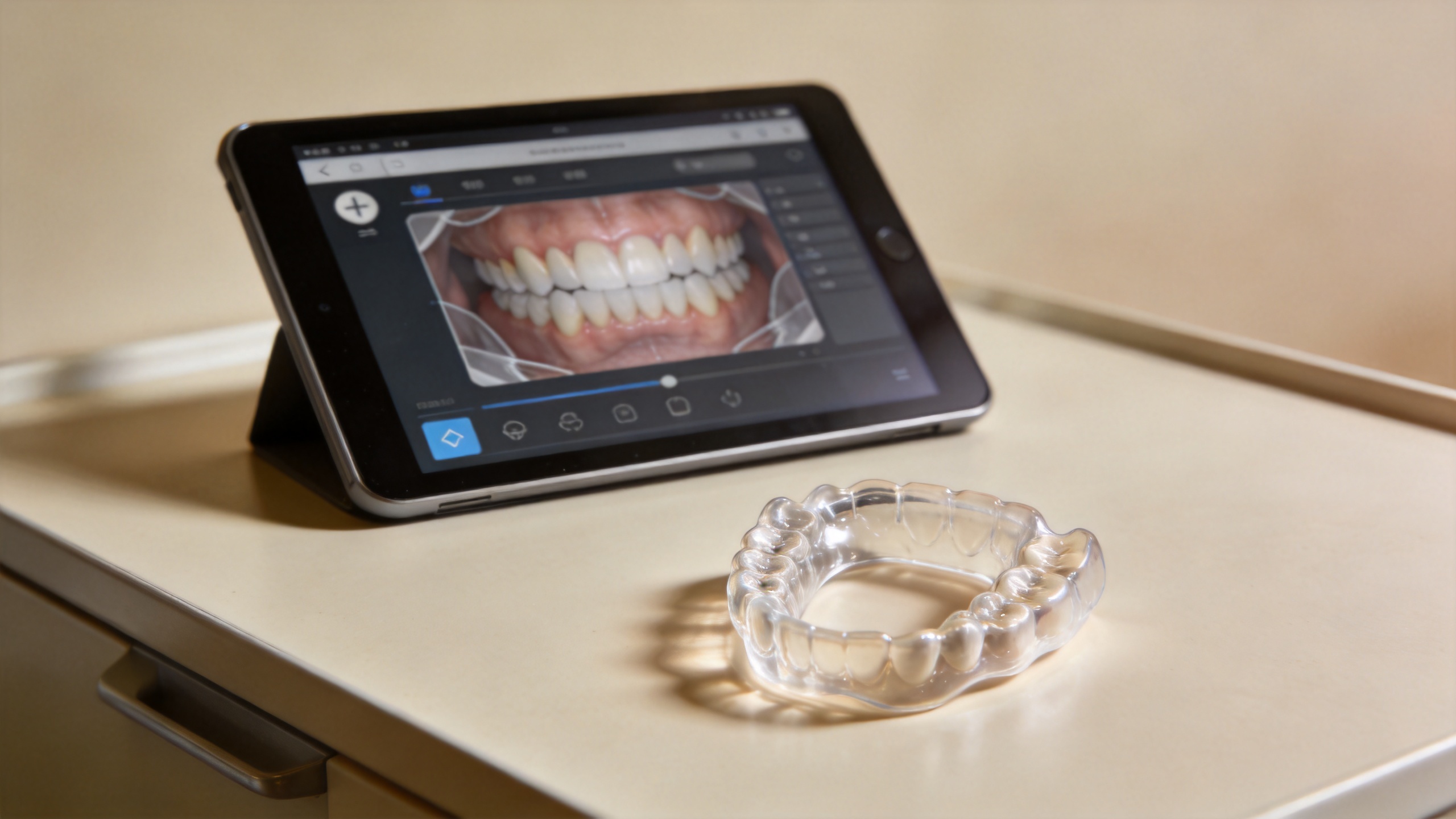
A custom made night mouth guard is generally produced from a physical impression or a compatible digital scan of an individual mouth. The resulting form is intended to correspond to that record, unlike a stock or heat-softened device that begins with a general shape. A close fit can affect how the device sits and whether someone is willing to wear it consistently. Still, comfort is personal and depends on more than the manufacturing method.
It helps to separate a night guard from products built for other purposes. Sports mouthguards, whitening trays, and sleep-related appliances can look similar at a glance, yet they are not interchangeable simply because they fit over teeth. Start with the stated purpose, then ask how the product was designed, how it is meant to be worn, and what instructions accompany it.
Bruxism Relief: Set a Clear, Realistic Goal
“Bruxism relief” is a common search phrase, but it can mean different things to different people: concern about clenching, concern about tooth wear, a desire for less morning discomfort, or a wish for quieter sleep. A night guard may be used to create a protective barrier between upper and lower teeth during sleep. It does not establish why grinding or clenching is happening, and it should not be presented as a diagnosis or a substitute for professional evaluation.
If symptoms are new, severe, changing, or associated with tooth damage, jaw locking, facial pain, or sleep concerns, seek advice from a qualified dental professional. That conversation can clarify whether a guard is appropriate and whether other factors need attention. Conditional guidance is more useful than a broad promise: a custom made night mouth guard may be worth discussing when the goal and the fitting route are understood.
Compare the Fit Workflow Before Comparing Materials
There are two common ways to capture the information used for a custom device. A traditional workflow uses a physical impression; a digital workflow uses a scanner to create a three-dimensional record. Neither description alone tells you that a result will suit every wearer. What matters is whether the record is collected carefully, the instructions are clear, and there is a defined route for questions about fit.
- Ask how the mouth record is made. Confirm whether the process uses an impression, a digital scan, or another documented method.
- Ask what is included in the specification. Request information about the stated material, thickness options, finish, and care directions rather than relying on a product name.
- Ask about fit follow-up. Find out what to do if the guard feels loose, overly tight, rough, or difficult to wear.
- Share relevant concerns. Existing dental work, bite changes, and significant jaw symptoms can change which questions should be raised with a dental professional.
Material and Thickness Questions That Support Better Decisions
Material names are often used as shorthand for quality, but a useful comparison needs more detail. A purchaser or user should request the actual material description, intended use, thickness choices, finishing method, cleaning guidance, and available documentation. Those details make it easier to compare like with like and keep marketing language from doing all the work.
Do not assume that a thicker or harder option is automatically preferable. The appropriate choice can depend on the stated purpose, individual bite considerations, and professional guidance. For a custom made night mouth guard, a clear specification is more helpful than a vague durability statement. If a supplier cannot provide key information, treat that gap as a reason to ask more questions, not as evidence of product performance.
How to Read “Factory Price” Without Losing the Bigger Picture
Factory price can be relevant for distributors, clinics, pharmacies, and online sellers, but it is not a complete comparison by itself. A low quoted amount may apply to a particular material, quantity, packaging format, record-capture method, or service scope. Before comparing offers, make sure each quote reflects the same requested configuration.
| Comparison point | What to confirm |
|---|---|
| Product configuration | Requested material, thickness, trim style, and stated intended use |
| Order basis | Minimum quantity, sampling terms, packaging, and labeling requirements |
| Documentation | Available material, care, traceability, and market-specific records |
| Workflow support | How impressions or scan files are handled and how fit questions are routed |
| Total operating work | Communication, revisions, shipping, and downstream customer-support needs |
This shifts the comparison beyond one number and toward the work needed to deliver a consistent offering. For business buyers, that can be a sounder comparison than factory price alone.
A Practical Checklist Before Ordering
- Define the intended nighttime use and avoid using a product label as a diagnosis.
- Confirm whether a qualified dental professional should review existing symptoms or dental conditions.
- Request a written description of the fitting workflow and product specification.
- Compare offers using the same material, thickness, order quantity, packaging, and documentation requirements.
- Review care instructions and the process for handling a fit question after delivery.
For a user, this checklist supports a more informed discussion. For a reseller, it also creates a clearer product brief before requesting quotations or samples.
Questions and Answers
Is a custom made night mouth guard the same as a sports mouthguard?
No. Both cover teeth, but their stated uses, design priorities, and fitting considerations differ. Review the intended use rather than choosing based on appearance alone.
Can a night guard provide bruxism relief?
It may be used as a protective barrier for nighttime grinding or clenching concerns, but outcomes vary and a guard does not diagnose or address every underlying cause. A dental professional can help assess individual needs.
What should a factory price quotation include?
Ask for the specific configuration, quantity basis, packaging, documentation, workflow assumptions, and any service boundaries. This makes separate quotations easier to compare fairly.
Choose With the Right Information
A custom made night mouth guard should be evaluated through fit, intended use, specifications, and follow-up support—not through a broad comfort claim alone. When bruxism relief is the concern, keep the goal realistic and include professional guidance where appropriate. When factory price is the concern, compare matched specifications and total operating work. Well-defined questions make the next decision easier.



 Hot News
