 EN



High-Quality White Teeth Mouth Guard For Bruxism Relief And Sleep Comfort
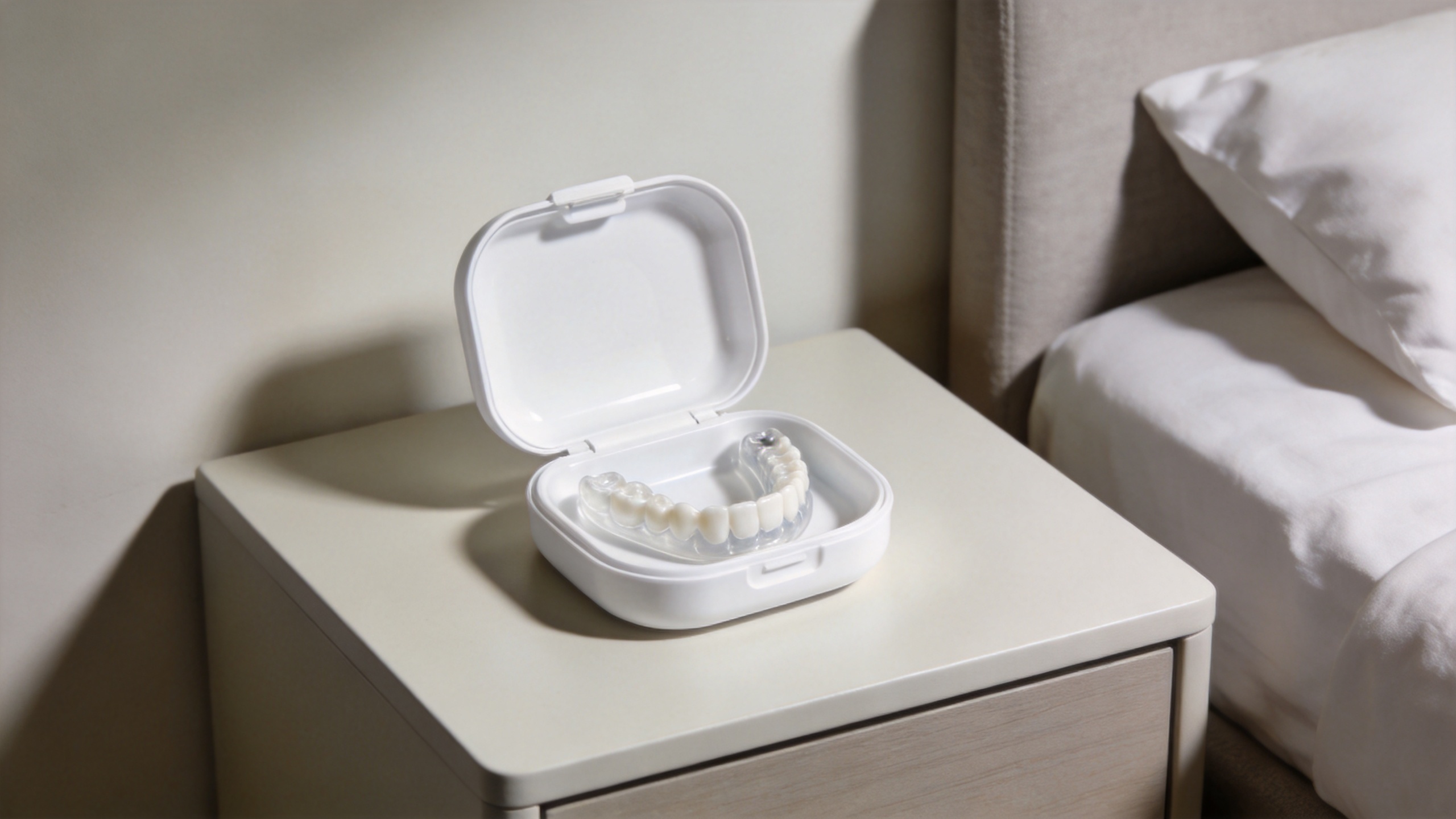
A white teeth mouth guard can sound like one simple product, but that phrase brings together several very different needs. Some shoppers mean a whitening tray. Others are looking for a night guard because they wake with signs of clenching or grinding. A third group may simply want a clean-looking oral appliance for retail presentation. Before comparing shapes or packaging, separate the intended use. That one step makes a white teeth mouth guard conversation more useful and safer.
This article covers product-selection questions, not diagnosis or treatment. If you have tooth pain, jaw symptoms, broken dental work, a changing bite, or sleep-related concerns, ask a dentist or other qualified professional for individual advice. A general white teeth mouth guard guide cannot determine whether a particular appliance suits your mouth.
Start by defining what the guard is for
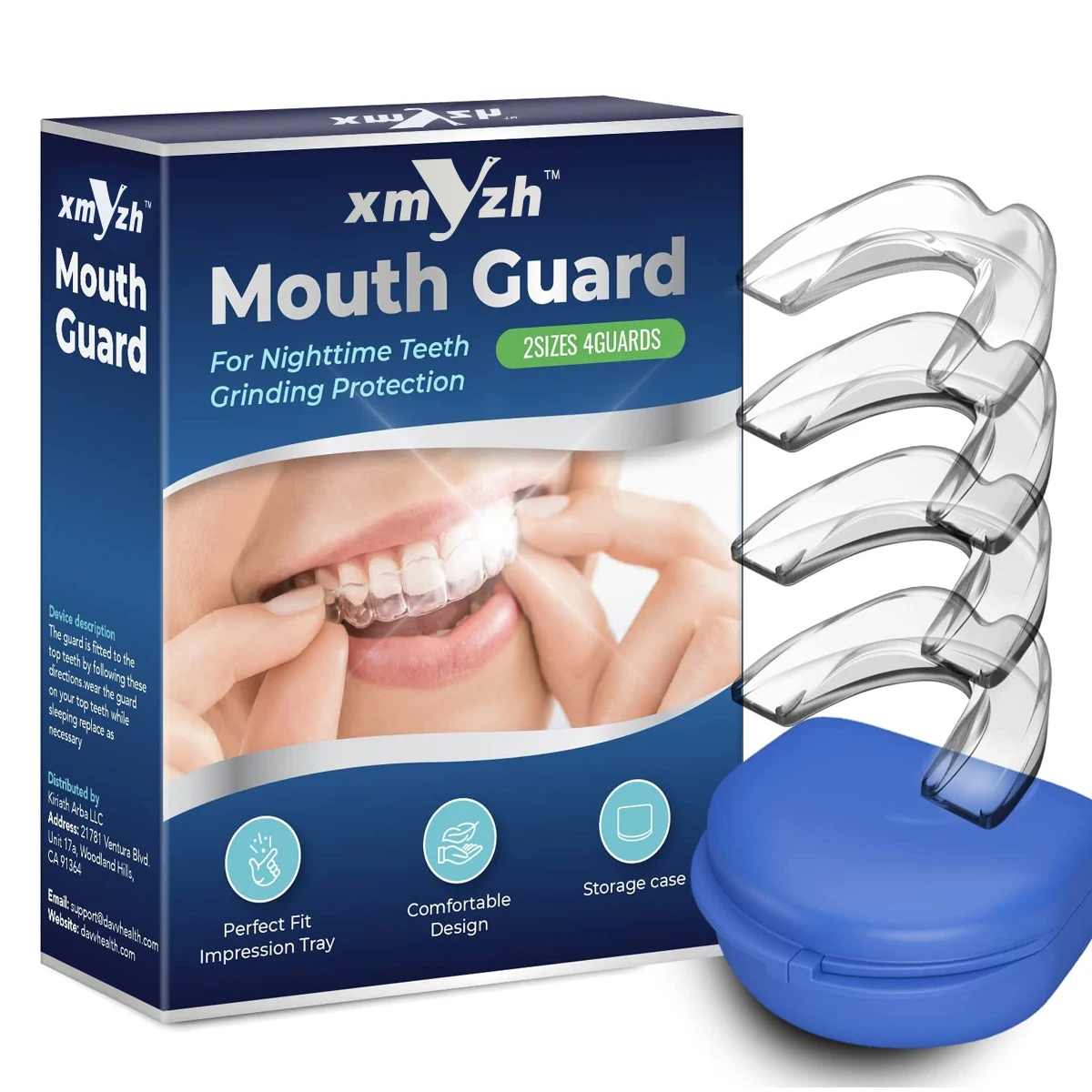
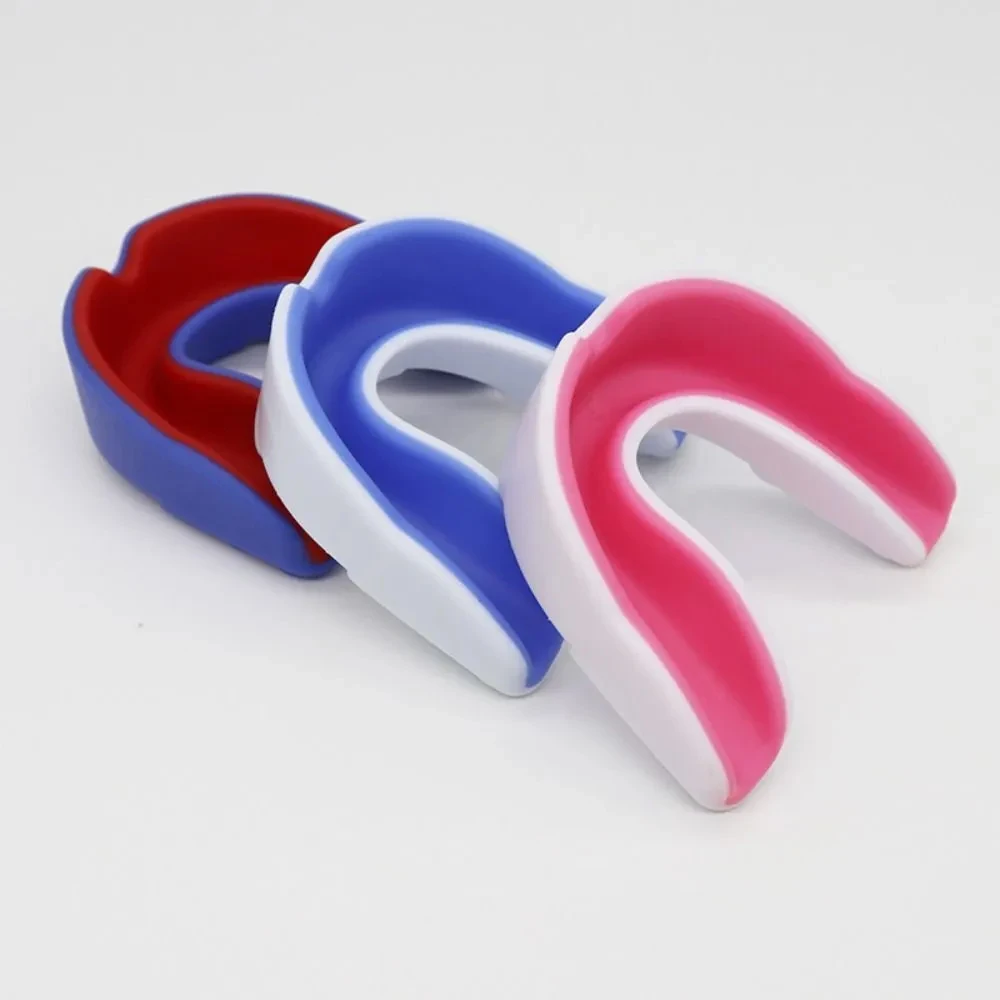
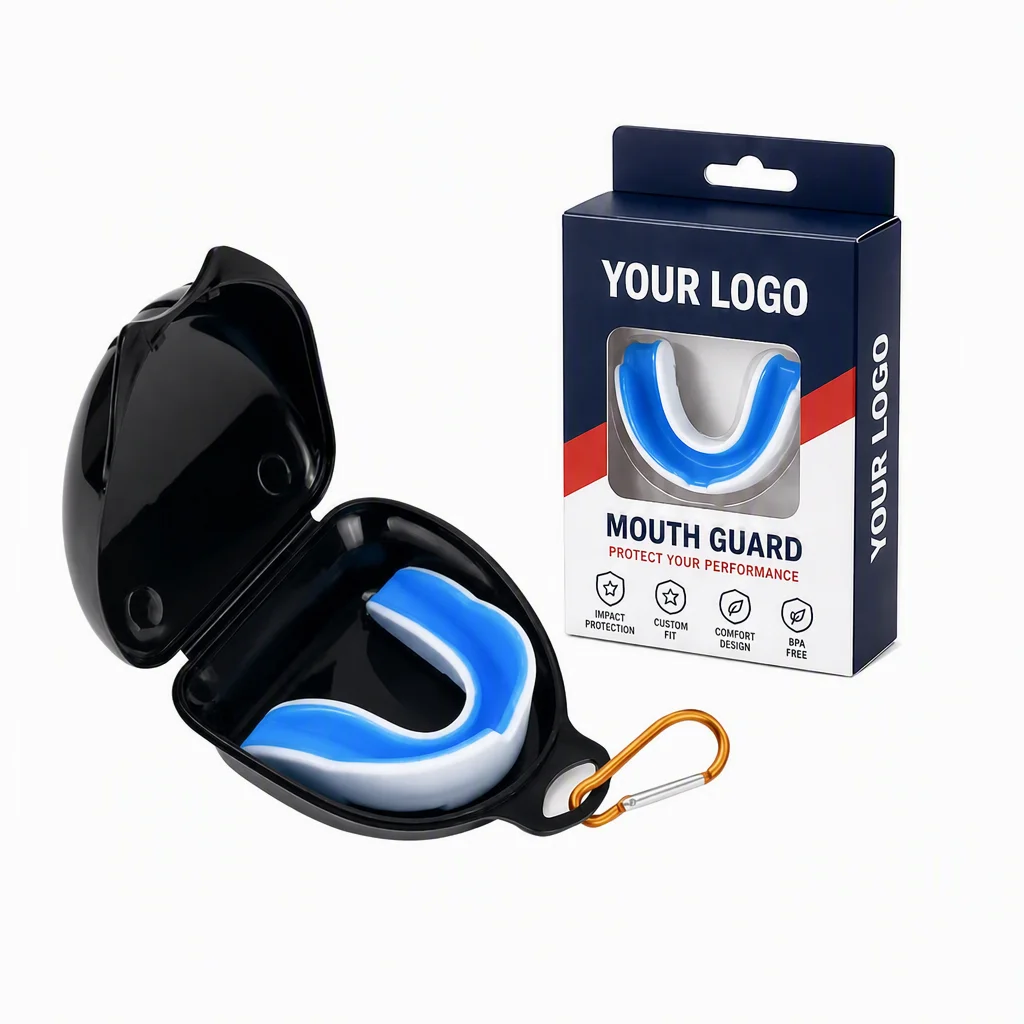
Search results often blend whitening trays, sports protectors, and night guards for bruxism. They are not automatically interchangeable. A whitening tray is intended to hold a whitening product when used as directed. A sports protector is designed around impact protection. A night-time appliance may be discussed when a clinician evaluates grinding or clenching. For a white teeth mouth guard intended for sleep, the key question is not its color; it is whether its intended use, fit, and instructions match the user’s situation.
The American Dental Association’s consumer information notes that a dentist may recommend a night guard to protect teeth during sleep when teeth grinding and jaw pain are concerns. That does not mean every over-the-counter guard is appropriate for every person. It does mean a white teeth mouth guard should be described with careful use boundaries rather than broad promises about health outcomes.
What affects sleep comfort?
Comfort is personal, yet buyers can ask practical questions before choosing a white teeth mouth guard. A useful product page or supplier discussion should make it easy to check:
- Intended use: Is the item presented as a whitening tray, a sports guard, or an appliance for night-time grinding discussions?
- Fit process: Does the user receive clear, product-specific instructions and limits for fitting, cleaning, and replacement?
- Material disclosure: Is the material information available for review rather than implied by appearance?
- Shape and edge information: Are dimensions, coverage, or trim details documented where relevant?
- Care guidance: Does the package explain how to clean, store, and inspect the guard?
A white teeth mouth guard that looks smooth in a photo may still be a poor choice if the actual user cannot confirm fit, material information, or care instructions. Put another way, comfort starts with usable information, not with a generic marketing claim.
Bruxism relief: use careful language
People commonly use “bruxism relief” when searching for help with grinding or clenching. That phrase reflects a real concern, but a white teeth mouth guard should not be presented as a substitute for assessment of the underlying issue. Grinding can have different contributors, and a professional may need to evaluate symptoms, existing dental work, or changes in how teeth meet.
For content and retail teams, the practical takeaway is simple: explain the product category, explain what information must be confirmed, and state when a customer should seek professional guidance. A white teeth mouth guard page can discuss night-time product use without claiming to resolve bruxism, remove pain, or deliver the same result for every wearer.
Do not confuse whitening trays with guards for grinding
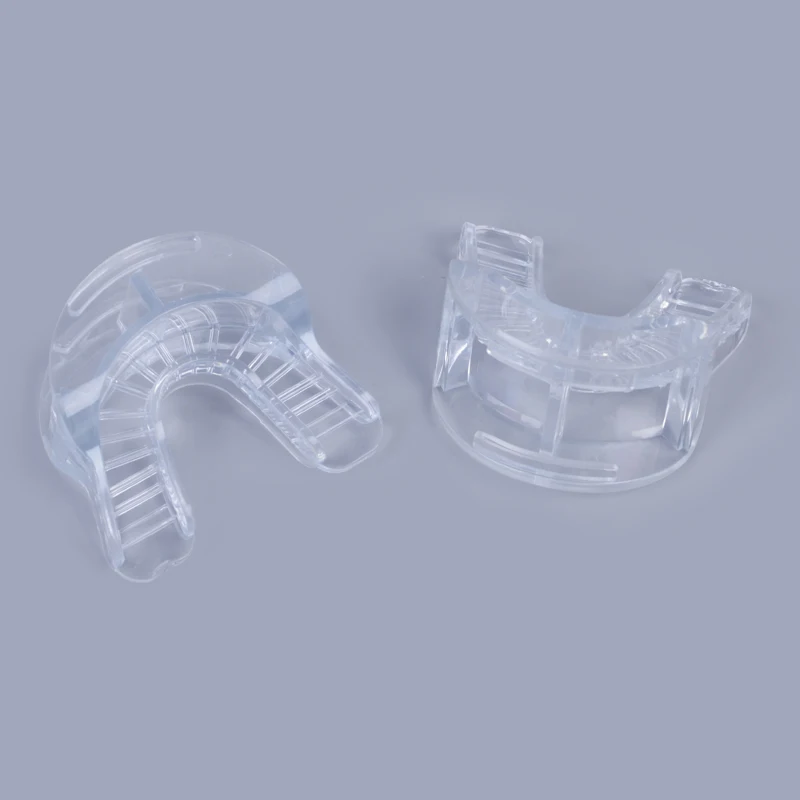
The word “white” can refer to the color of the appliance, a teeth-whitening context, or both. A white teeth mouth guard used as a whitening tray should only be associated with whitening products and instructions that have been specifically confirmed for that purpose. It should not be casually repositioned as a night guard just because the shape resembles one.
Likewise, a guard discussed for night-time grinding should not be described as a teeth-whitening device unless the supplier has verified that separate use and supplied the relevant instructions. Keeping these descriptions apart helps consumers, pharmacies, clinics, and online sellers avoid misleading listings. It also gives an OEM/ODM buyer a clearer brief for labels, inserts, and product-page language.
A practical OEM/ODM briefing checklist
For wholesale, e-commerce, clinic, or pharmacy channels, an OEM/ODM request for a white teeth mouth guard should begin with the intended user scenario. “Make it comfortable” is too vague to guide responsible product communication. A clearer inquiry identifies the following points:
- Whether the product is positioned as a whitening tray, a sports protector, or a night-time oral appliance category.
- The target channel and the information its customers need before purchase.
- Requested material documentation, product dimensions, fit instructions, care instructions, and packaging details.
- Which claims are supported by supplied evidence and which statements must remain conditional.
- Whether the white appearance is a design preference or part of a separate whitening-tray presentation.
This checklist does not create product specifications by itself. Instead, it keeps a white teeth mouth guard project aligned with the information that buyers and end users may need to verify. Xiamen Yizhou Imp. & Exp. Co., Ltd. serves mouthguard-related product categories and channels that include wholesalers, e-commerce platforms, clinics, and pharmacies; product-specific facts should be confirmed before publication or purchase.
Questions to ask before using or listing a product
Whether you are a consumer or a channel buyer, pause before treating a white teeth mouth guard as a one-size-fits-all solution. Ask: What is the precise intended use? Which instructions come with this item? What product facts have been documented? What should prompt a professional consultation? Those questions are often more valuable than choosing by color or a short headline.
If the goal is sleep comfort in the context of clenching or grinding, consider a dental consultation, especially when symptoms are new, persistent, or worsening. If the goal is teeth whitening, use only a tray and whitening process that are specifically intended for that purpose. A white teeth mouth guard is easier to choose when its category, evidence, and limits are clear.
Final selection perspective
A high-quality white teeth mouth guard is not defined by a color claim or a universal comfort promise. It is defined by a clear intended use, transparent product information, sensible care instructions, and appropriate professional guidance when health concerns are involved. For OEM/ODM planning, that same discipline supports clearer packaging, more accurate listings, and better questions before a product reaches the market.

 Hot News
