 EN



High-Quality Molded Mouthguard For Bruxism Relief And Sleep Comfort
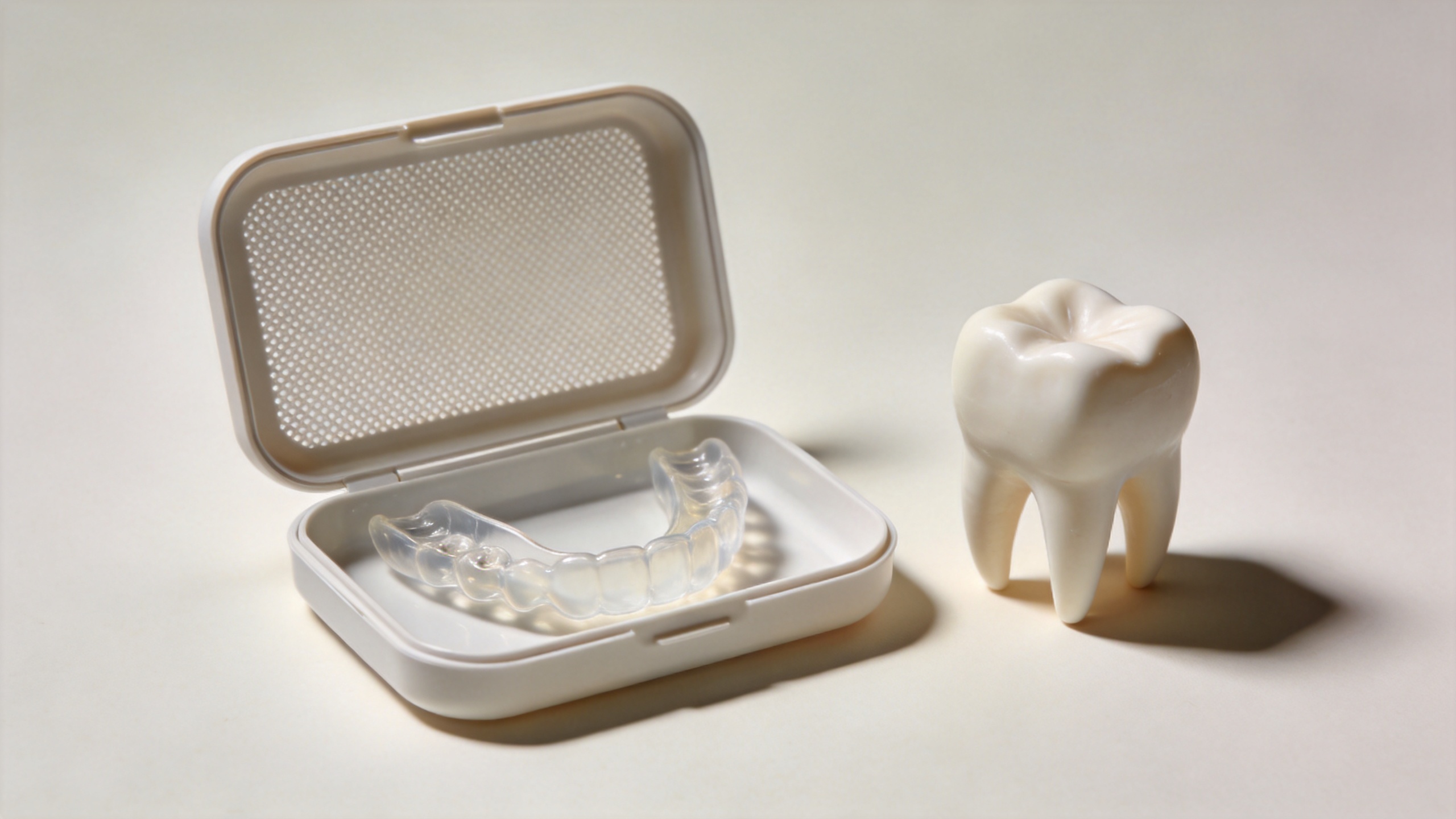
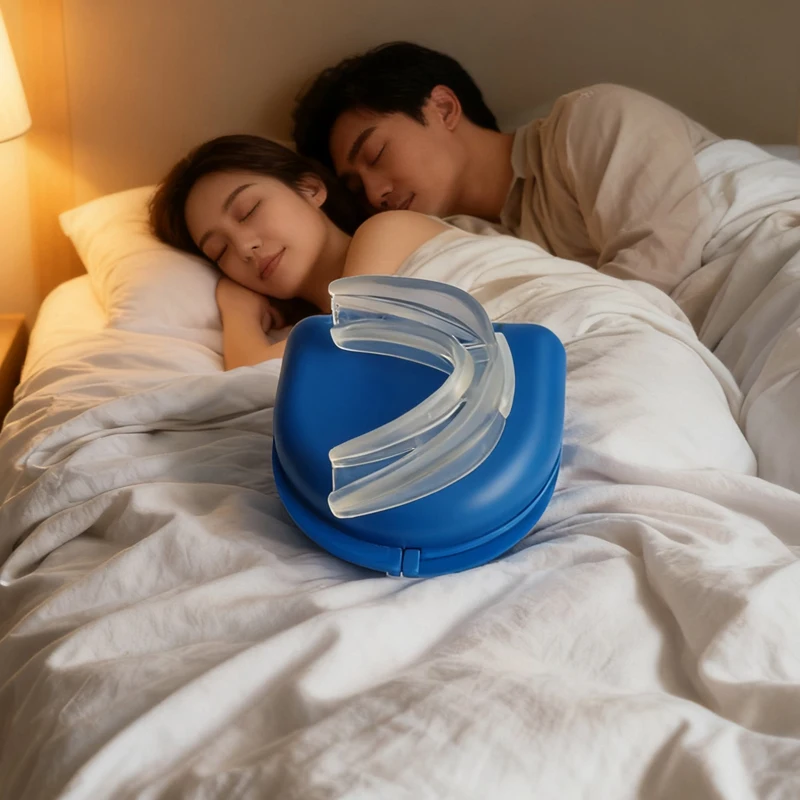
Choosing a molded mouthguard for nighttime use is less about chasing a dramatic promise and more about finding a stable, comfortable barrier between your teeth. For people who wake with signs of clenching or grinding, a well-fitted night guard can be part of a practical routine: it should stay in place, feel manageable through the night, and be used with appropriate dental guidance when symptoms are persistent.
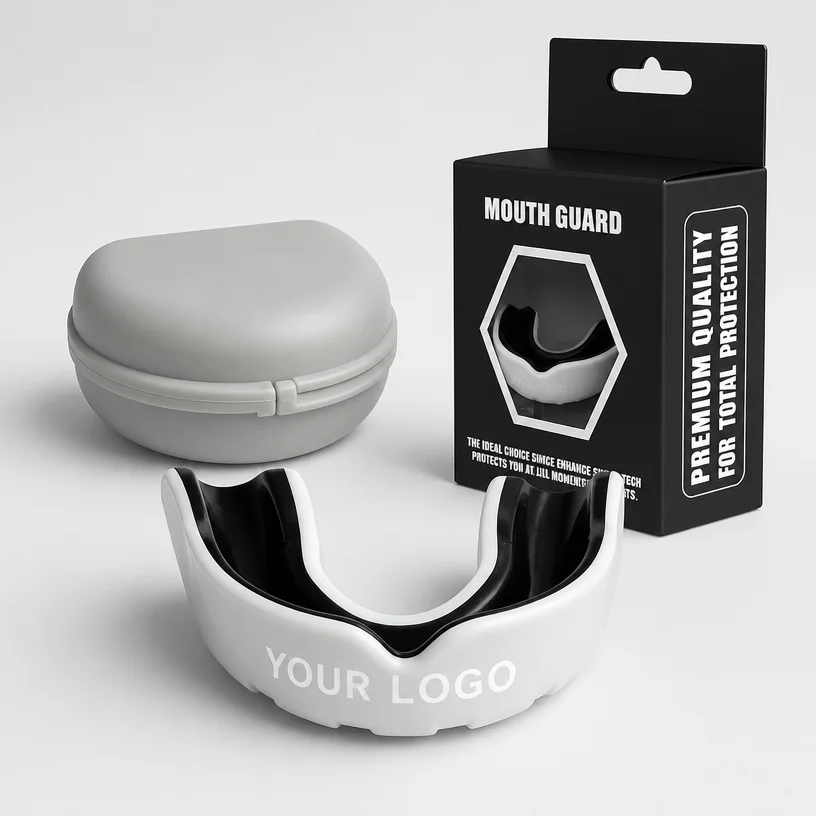
It helps to correct one common assumption at the start. A mouthguard designed for contact sports and a sleep-focused molded mouthguard may look broadly similar, but they answer different needs. Sports protection prioritizes impact management; a nighttime guard is selected around fit, tooth coverage, wear comfort, and the pattern of clenching or grinding. Looking at the intended use first makes a more useful choice than comparing a headline factory price alone.
What a Molded Mouthguard Can—and Cannot—Do
Bruxism is the term used for grinding, clenching, or gnashing teeth, whether it happens while awake or asleep. A molded mouthguard is intended to sit between the upper and lower teeth, creating separation during wear. That separation may help limit direct tooth-to-tooth contact. It is not a diagnosis, and it is not a substitute for identifying the cause of ongoing jaw discomfort, headaches, damaged teeth, or disrupted sleep.
A realistic goal for a night guard is comfortable, repeatable use. The guard should not feel loose enough to shift around, rough enough to irritate soft tissue, or bulky enough to make you abandon it after a few nights. If a guard changes the way your bite feels after removal, triggers pain, or creates new pressure points, pause use and ask a dentist for advice.
Start With the Right Sleep Scenario
Before comparing materials or a factory price, define what is actually happening at night. A person who occasionally notices morning jaw tightness may be considering a different path from someone whose dentist has identified visible tooth wear. The same is true for a person who snores or wakes gasping: a standard molded mouthguard should not be assumed to address a breathing concern.
- Occasional clenching concerns: Prioritize a simple, secure fit and track whether discomfort or wear signs continue.
- Frequent grinding signs: Consider a dental evaluation, especially if there is tooth sensitivity, chipped enamel, jaw soreness, or recurring headaches.
- Sleep-breathing symptoms: Seek medical or dental guidance rather than selecting a general night guard as a workaround.
- Sports use: Choose a guard designed for the sport rather than repurposing a sleep-focused option.
This distinction matters because product names can blur categories. Not every moldable guard is suitable for every use, and a lower factory price does not tell you whether the guard is appropriate for your mouth or your sleep concerns.
How to Evaluate Fit Before You Commit
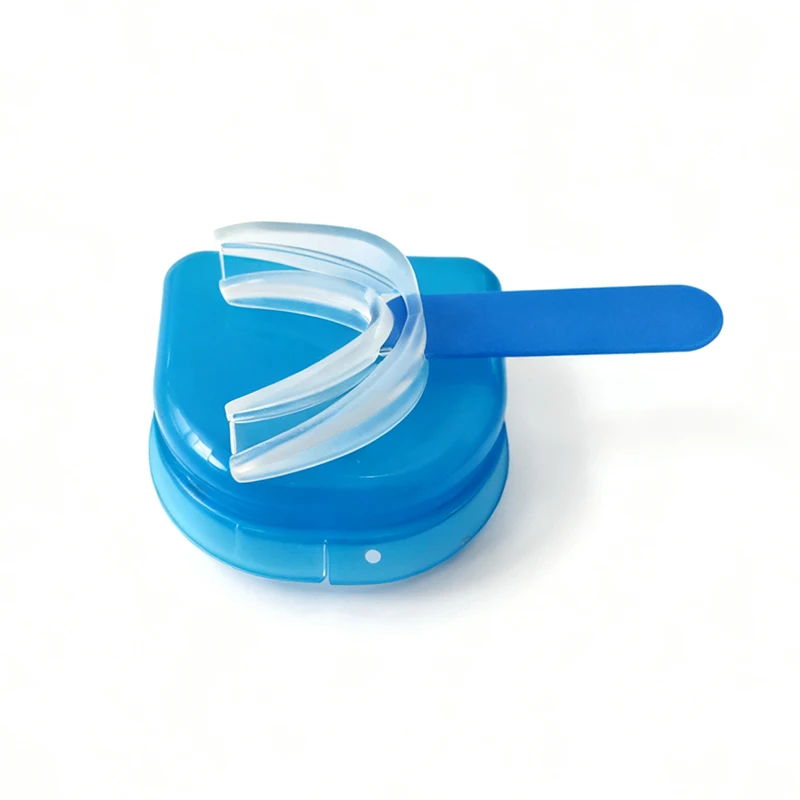
A molded mouthguard works well when the fitting process is treated as a careful step, not an afterthought. Follow the supplied instructions precisely, including the heating, molding, cooling, and cleaning directions for that model. The objective is a guard that follows the teeth closely enough to remain stable without creating uncomfortable pressure.
Three checks after fitting
- Retention: A molded mouthguard should stay seated when you gently open your mouth. Constant repositioning is a sign to reassess the fit.
- Edge comfort: Run your tongue around the edges. Rough, pinching, or sharply trimmed areas can make a night guard hard to wear consistently.
- Even contact: The guard should not create an obviously lopsided or painful closing position. If it does, do not try to force an adjustment through nightly wear.
There is a useful middle ground here. A guard does not need to feel invisible on the first night, but discomfort that persists is information, not something to ignore. When in doubt, bring the molded mouthguard to a dental appointment so the fit can be assessed in context.
Material and Thickness: Ask Specific Questions
Material descriptions often sound more decisive than they are. For a sleep-focused molded mouthguard, ask what the material is, how it is intended to flex, how it should be cleaned, and whether the design is aimed at light or heavier clenching patterns. A thinner profile may feel less bulky; a more substantial profile may suit a different use pattern. Neither description automatically makes one option right for everyone.
When comparing a factory price, request the details that make the comparison meaningful: intended use, fitting method, material information, size options, packaging, minimum order quantity, and quality-control documentation available for the relevant market. For retailers and distributors, clear instructions and consistent labeling are often as important as the unit cost because customers need to understand that a night guard is not a universal sleep solution.
Comfort Habits That Support Consistent Use
Once the molded mouthguard fits properly, a few small habits can make nightly use easier:
- Rinse the guard after use and clean it according to its instructions rather than using harsh products that could affect the material.
- Let it dry in a ventilated case before storage.
- Inspect it regularly for cracks, deep grooves, distortion, or rough edges.
- Keep it separate from heat sources that could change its shape.
- Bring the night guard to routine dental visits if you have one, particularly when clenching or grinding is a recurring concern.
These steps are simple, yet they are where many comfort issues begin. A guard that is left wet in a closed case or used after it has visibly changed shape can become less pleasant to wear and harder to evaluate.
When Professional Guidance Matters Most
A molded mouthguard can be a reasonable product category to discuss when the aim is to reduce direct contact between teeth during sleep. Still, persistent jaw pain, facial pain, frequent headaches, broken or worn teeth, or daytime fatigue deserve professional attention. A dentist can assess tooth wear, bite relationships, and whether a custom option or a different care pathway makes more sense. If sleep breathing symptoms are present, consult an appropriate clinician rather than treating a general night guard as a solution.
That cautious approach is not meant to make the decision harder. It makes the decision more specific: choose a night guard for its intended role, fit it carefully, maintain it well, and seek advice when your symptoms point beyond a simple product choice.
A Practical Buying Checklist
| Question | Why it matters |
|---|---|
| Is this a sleep-focused molded mouthguard or sports equipment? | It keeps the product aligned with the intended use. |
| What fitting instructions and care guidance are included? | Clear directions support a more reliable fit and cleaning routine. |
| Does the material information match the planned use? | It helps you compare options beyond a factory price. |
| Does the guard remain stable and comfortable after fitting? | Retention and edge comfort affect whether a night guard is practical to wear. |
| Are there pain, tooth-damage, or sleep-breathing signs? | These are reasons to seek dental or medical evaluation. |
Final Thought
A high-quality molded mouthguard is defined by appropriate use, careful fitting, and honest expectations—not by the loudest claim. For bruxism-related concerns, a comfortable night guard may help create a protective separation between teeth, while a dentist remains the right resource for persistent symptoms or uncertainty. If you are sourcing for a store or distribution program, present the factory price alongside clear use, fit, and care information so buyers can make a more informed choice.


 Hot News
