 EN



How Can A Premium Double Boxing Mouth Guard Enhance Athletic Performance?
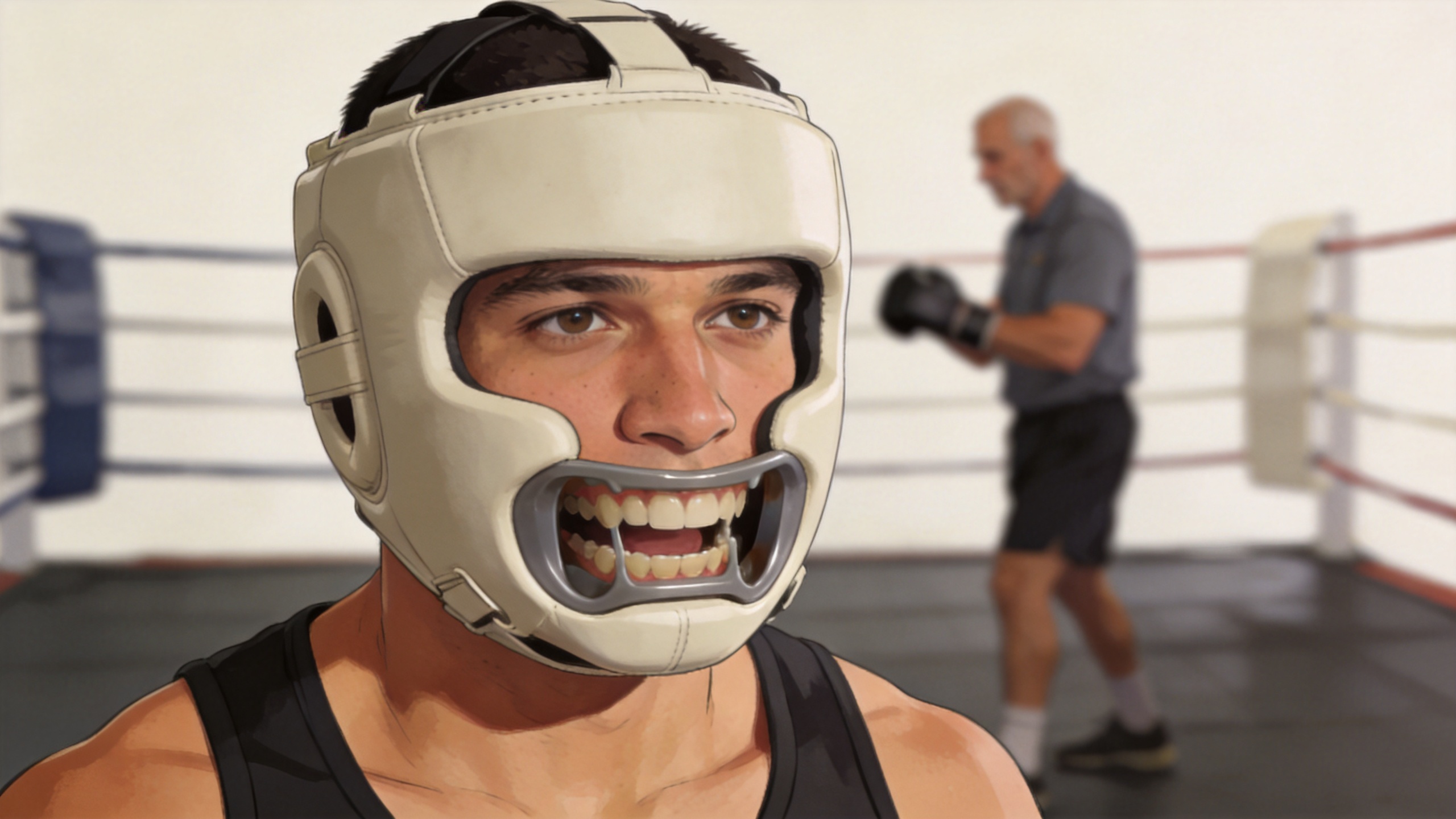
A double boxing mouth guard is often discussed as a premium protection option for athletes who train or compete in contact settings. Yet the phrase itself is not a universal technical standard. Before treating it as a performance feature, define what the supplier means: does it describe coverage, a two-layer construction, a paired design, or simply a product name? From a procurement-and-fit assessment perspective, the useful question is whether the guard stays in place, permits practical breathing and communication, and comes with documentation that matches the intended sport.
For boxing, the mouthguard is protective equipment, not a shortcut to better conditioning or a guarantee against injury. The American Dental Association recommends properly fitted athletic mouthguards to help reduce the incidence and severity of oral injury in sports with meaningful dental-trauma risk. That makes fit, retention, and consistent use more relevant than a broad premium label.
Start With What “Double” Actually Means
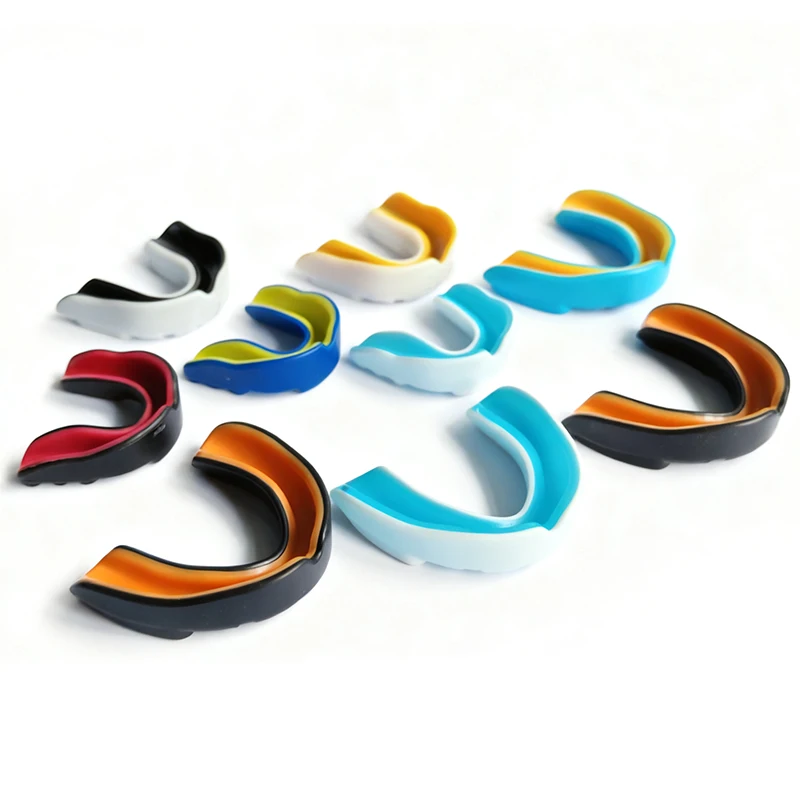
Ask for a plain-language construction description before ordering a double boxing mouth guard. Some buyers use “double” to mean a design that covers upper and lower teeth; others mean two material layers or a thicker impact zone. These designs can feel and perform differently, especially when an athlete is breathing hard or receiving coaching cues between rounds.
A supplier should be able to explain the intended use, fitting method, material information, care instructions, and any limitations. If that information is missing, do not infer premium protection from appearance alone. A guard that is bulky, loose, or difficult to keep in position can become distracting during sparring, which works against consistent use.
How Fit Supports Useful Athletic Performance
A custom fit matters because a mouthguard should remain stable when the athlete opens the mouth, changes breathing rhythm, or talks. Stable retention can reduce the temptation to clench or reposition the guard repeatedly. That does not mean every athlete needs the same construction: dental anatomy, orthodontic appliances, the rules of the gym or event, and the contact level all affect the right choice.
In practical terms, a well-fitted double boxing mouth guard should let the athlete focus on stance, timing, and coach communication rather than on holding the guard in place. The ADA notes that custom guards may offer an optimal fit and adaptability, while properly fabricated and consistently worn alternatives can also be effective. The sensible claim is not that fit creates power or endurance; it is that a guard athletes can wear correctly is more likely to be used during the moments that matter.
Premium Protection Is a Verification Process
The phrase premium protection should lead to questions, not assumptions. Request information on the material, the method used to form the guard, the recommended sport application, cleaning and replacement guidance, and packaging or batch documentation if you are buying for a team or resale channel. Where care-and-use guidance is relevant, ASTM F697-16 is commonly cited as a standard practice for athletic mouth protectors; confirm the current applicability and any product-specific evidence directly with the supplier.
- Retention: Does the guard stay seated without constant biting or hand adjustment?
- Breathing and speech: Can the athlete follow a coach’s instructions and recover between exchanges?
- Coverage and clearance: Is the design appropriate for the athlete’s dentition and any orthodontic treatment?
- Material disclosure: Are composition and care instructions documented rather than implied?
- Sport compatibility: Does the club, league, or sanctioning body have a rule that affects acceptable designs?
Choosing Between Single and Double-Design Options
There is no universal winner. A single-arch design may be easier for some athletes to breathe and communicate through, while a double-design guard may be preferred in a particular training context if its fit and rule compatibility are confirmed. The trade-off should be tested in a controlled setting before competition. Athletes should be able to breathe, speak briefly, and keep the guard in place without exaggerated jaw effort.
For managers and purchasing teams, avoid describing one construction as universally safer or more performance-enhancing without product documentation and athlete feedback. A short wear trial across realistic drills is often more useful than a catalogue comparison. Record feedback on retention, comfort, speech, and cleaning so the next order reflects actual use conditions.
A Practical Sourcing Checklist for Teams and Buyers
- Define whether the order is for boxing drills, sparring, competition, or a mixed combat-sport program.
- Ask the organizer or governing body about mouthguard rules before specifying a design.
- Clarify what the supplier means by “double” and request written material and fitting information.
- Choose a sample or trial route that allows athletes to assess retention, breathing, and speech.
- Set a cleaning, storage, inspection, and replacement routine; damaged or distorted guards should be reassessed.
- For athletes with braces, dental work, jaw symptoms, or individual fit concerns, seek advice from an appropriate dental professional before selecting or altering a guard.
Where Athletic Value Really Comes From
A double boxing mouth guard can support a more confident training routine when its design is suitable, its fit is secure, and the athlete is willing to wear it consistently. The performance benefit is indirect but important: fewer avoidable interruptions from a shifting guard can help an athlete stay focused on the session. It should not be framed as protection from every impact or as a substitute for sound coaching, rules, and safe training practices.
When evaluating a double boxing mouth guard, treat custom fit and premium protection as requirements to verify through specifications, trial feedback, and care guidance. That approach gives athletes and buyers a clearer basis for choosing equipment that supports the real demands of boxing.



 Hot News
