 EN



How Can High-Quality Mouth Guard For Sleeping Prevent Sleep Bruxism Damage?
Waking with a tight jaw, a dull headache, or teeth that feel unusually sensitive can make sleep bruxism feel like a mystery. A mouth guard for sleeping cannot diagnose the reason you grind or promise to stop the behavior. Its practical role is more specific: it creates a protective barrier so upper and lower teeth do not make direct contact as easily during nighttime clenching.
That distinction matters. When people ask whether a night guard works, they often mean two different things: can it reduce contact-related tooth damage, and can it resolve the underlying sleep-related habit? The first is the central protective purpose; the second may require evaluation of symptoms, fit, sleep patterns, stress, or other contributing factors.
For shoppers and wholesale buyers alike, a high-quality night guard should be assessed as an oral appliance with a defined use case, not as a universal cure. The useful questions concern fit, material comfort, thickness, cleaning instructions, and when the wearer should speak with a dental professional.
Why a Mouth Guard for Sleeping Can Limit Contact Damage
Sleep bruxism involves unconscious clenching or grinding during sleep. Repeated tooth-on-tooth force can contribute to worn edges, chips, sensitivity, or restoration damage over time. A properly selected guard works by separating the biting surfaces. That separation is why a guard may help protect teeth even when it does not eliminate the urge or movement to clench.
Authoritative oral-health guidance describes intraoral mouth guards as a way to separate teeth and prevent tooth damage from grinding and clenching. Clinical guidance similarly explains that splints and guards keep upper and lower teeth apart during sleep. In other words, the protective benefit of this appliance is mechanical: it changes what receives the friction and load during an episode.
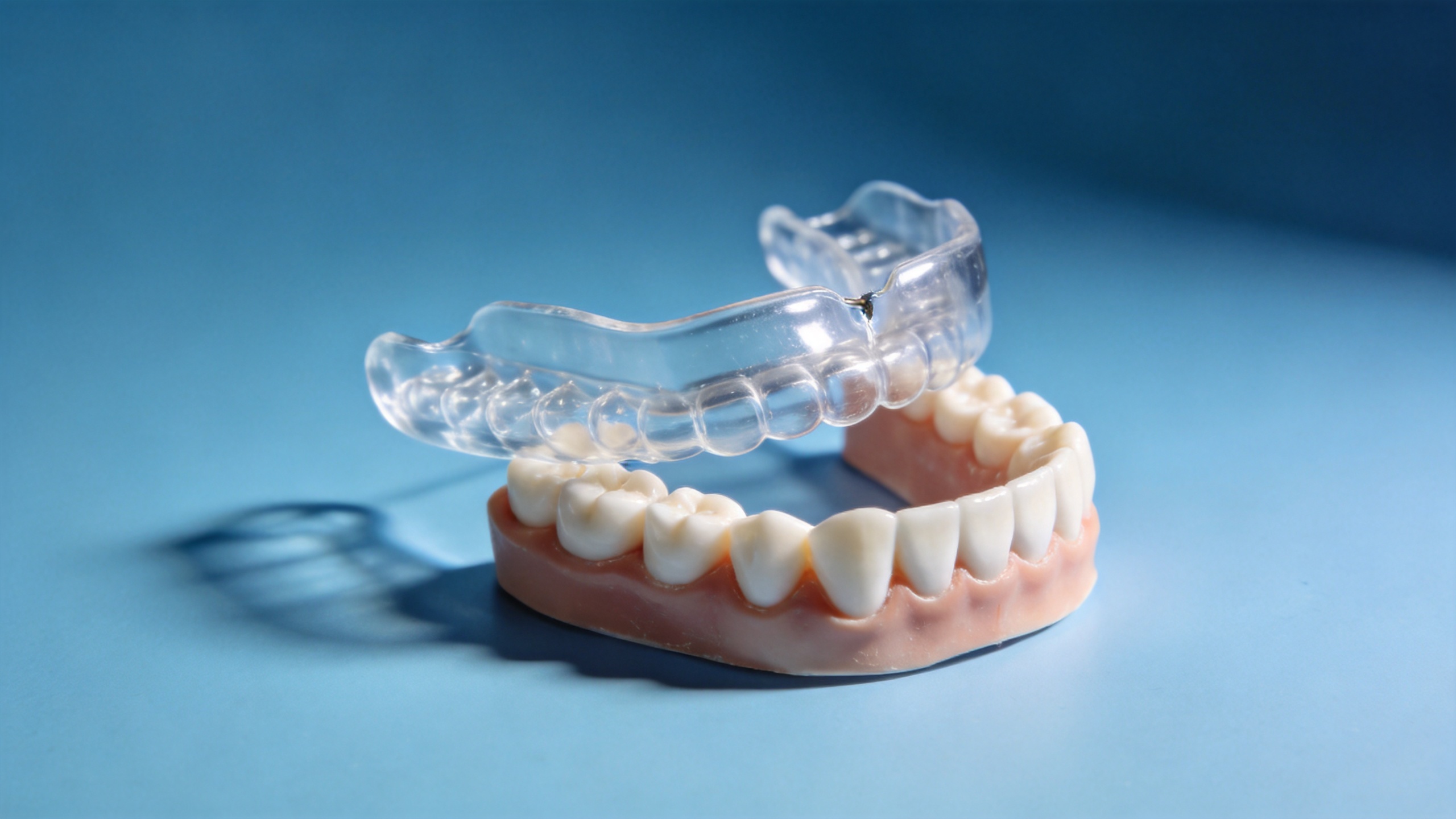
There is still an important boundary. A night guard may protect enamel and dental work, but it is not a substitute for clinical assessment when pain, broken teeth, jaw locking, disrupted sleep, or persistent headaches are present. Think of the guard as one part of a damage-control plan rather than a stand-alone diagnosis.
What “High Quality” Means for a Night Guard
It is tempting to judge a night guard by softness alone. Comfort is important, but it is only one criterion. A well-designed guard should sit securely enough to remain in position, have edges that feel smooth against oral tissues, and provide an appropriate protective surface for the intended wearer. A loose or irritating guard is less likely to be worn consistently.
Fit comes before a price claim
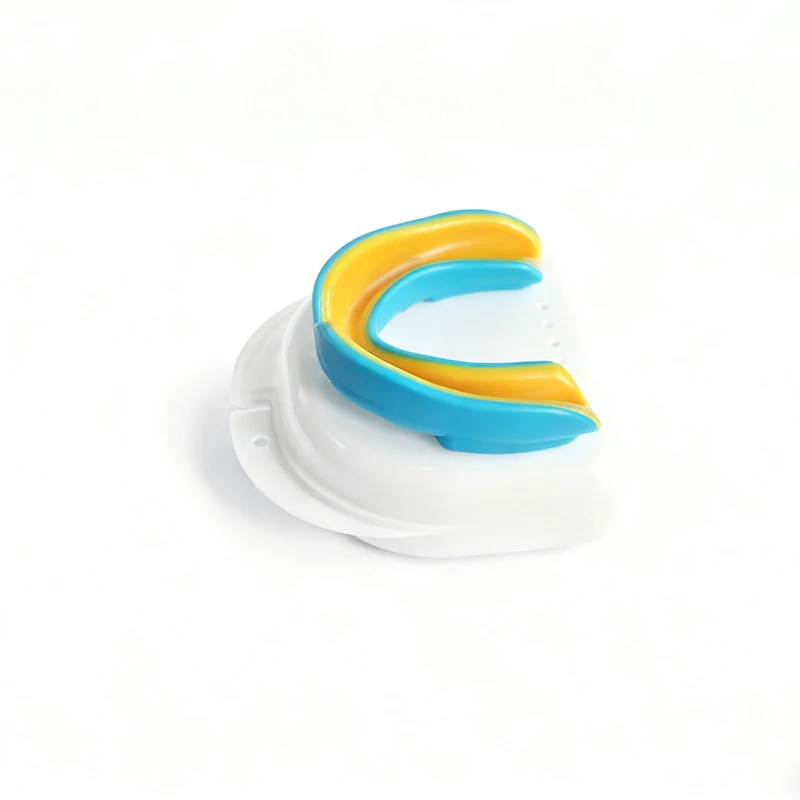
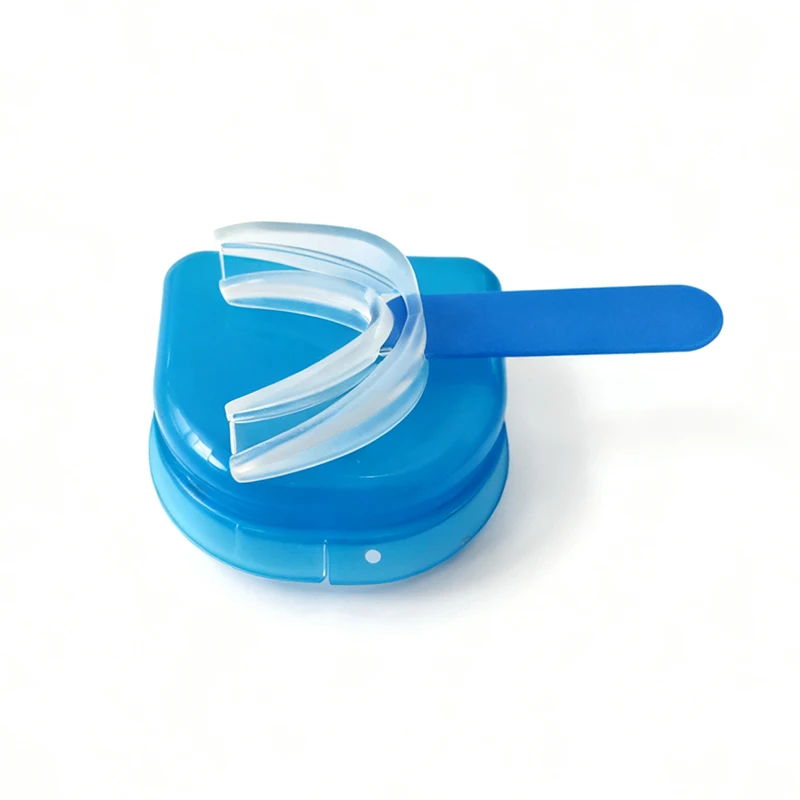
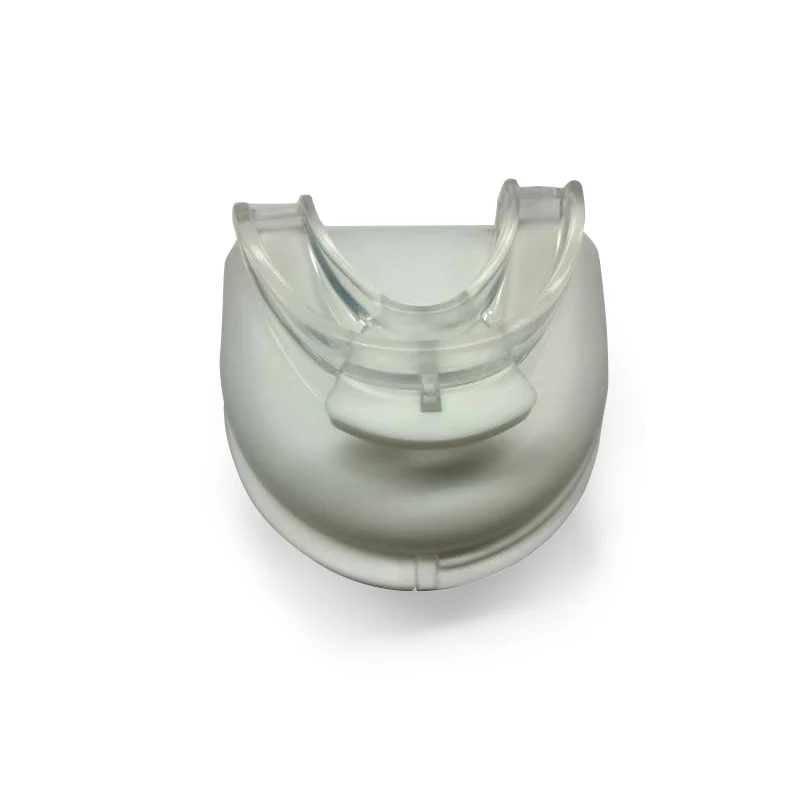
A close fit helps distribute contact over the appliance instead of letting it rock, shift, or press into one area. Custom-made options are often discussed with a dental professional because they are formed for an individual mouth. Ready-made or boil-and-bite choices vary widely in retention and thickness. No night guard should be forced into use if it causes sharp discomfort, changes the bite noticeably, or prevents normal breathing.
Material and thickness should match the stated purpose
Manufacturers and buyers should request clear information on the material, intended application, care instructions, and available sizes or molding process. A guard positioned for sleep should not be confused with a sports guard or another oral appliance simply because the shapes look similar. The use goal, fit method, and user guidance are what make the comparison meaningful.
How a Guard Supports Bruxism Relief Without Overpromising
Many people use the phrase bruxism relief to describe less morning soreness, fewer worries about tooth wear, or a feeling of cushioning. A nighttime guard may contribute to bruxism relief by reducing direct dental contact and helping a wearer follow a nighttime protection routine. Results vary, and muscle discomfort or sleep disruption deserves professional attention rather than a promise of identical results.
A practical routine improves the chance that a nighttime guard remains useful. Rinse it after use, clean it according to the manufacturer’s instructions, allow it to dry in its case as directed, and inspect it for rough areas, cracks, distortion, or persistent odor. Replacement timing depends on wear, grinding intensity, material, and professional advice; it should not be guessed from a calendar alone.
A Buyer Checklist for a Mouth Guard for Sleeping
For private-label programs, pharmacies, clinics, and online sellers, a nighttime grinding guard should be evaluated through documentation and user fit rather than marketing language. Before comparing a factory price, clarify the following:
- Intended use: Is the product clearly described for nighttime grinding and clenching protection?
- Fit pathway: Is it custom-made, heat-molded, or preformed, and are the instructions understandable?
- Material information: Can the supplier provide accurate material and care details for the target market?
- Comfort and retention: Are edge finish, thickness options, and stability considered in the product design?
- Packaging and traceability: Are labeling, cleaning directions, and batch information ready for the planned sales channel?
- Use boundary: Does the communication avoid claiming that a night guard cures bruxism or replaces professional care?
A low factory price can be relevant to a purchasing plan, but it is not enough by itself. Packaging revisions, user instructions, quality checks, returns, and support questions all affect the total workload. A better sourcing conversation begins with the intended customer and required documentation, then compares the factory price on like-for-like specifications.
When to Seek Professional Advice
Consider a dental or medical assessment if tooth damage is visible, jaw pain persists, the guard no longer fits, or sleep symptoms continue. This is especially important when a night guard is being considered for a child, for someone with extensive dental work, or alongside symptoms such as frequent waking or breathing concerns. A clinician can help determine whether a custom option, another protective approach, or broader evaluation is appropriate.
Final Takeaway
A high-quality night guard helps prevent one important consequence of sleep bruxism: repeated direct contact between teeth. It may support bruxism relief and preserve teeth or restorations, but it should be framed honestly as protection, not a cure claim. Choose a guard by confirming fit, purpose, material information, care instructions, and suitable follow-up—not by softness or factory price alone.

 Hot News
