 EN



How To Choose The Right Transparent Mouth Guard For Teeth Grinding?
A transparent mouth guard can look straightforward, but the right choice depends on more than whether it is clear, soft, or easy to buy. For teeth grinding, the useful questions are whether the guard stays in place overnight, gives your teeth a consistent protective surface, feels tolerable enough to wear regularly, and comes with material information you can actually review. A clear guard can be a practical option for many people, but it is not a diagnosis or a substitute for an individual dental assessment.
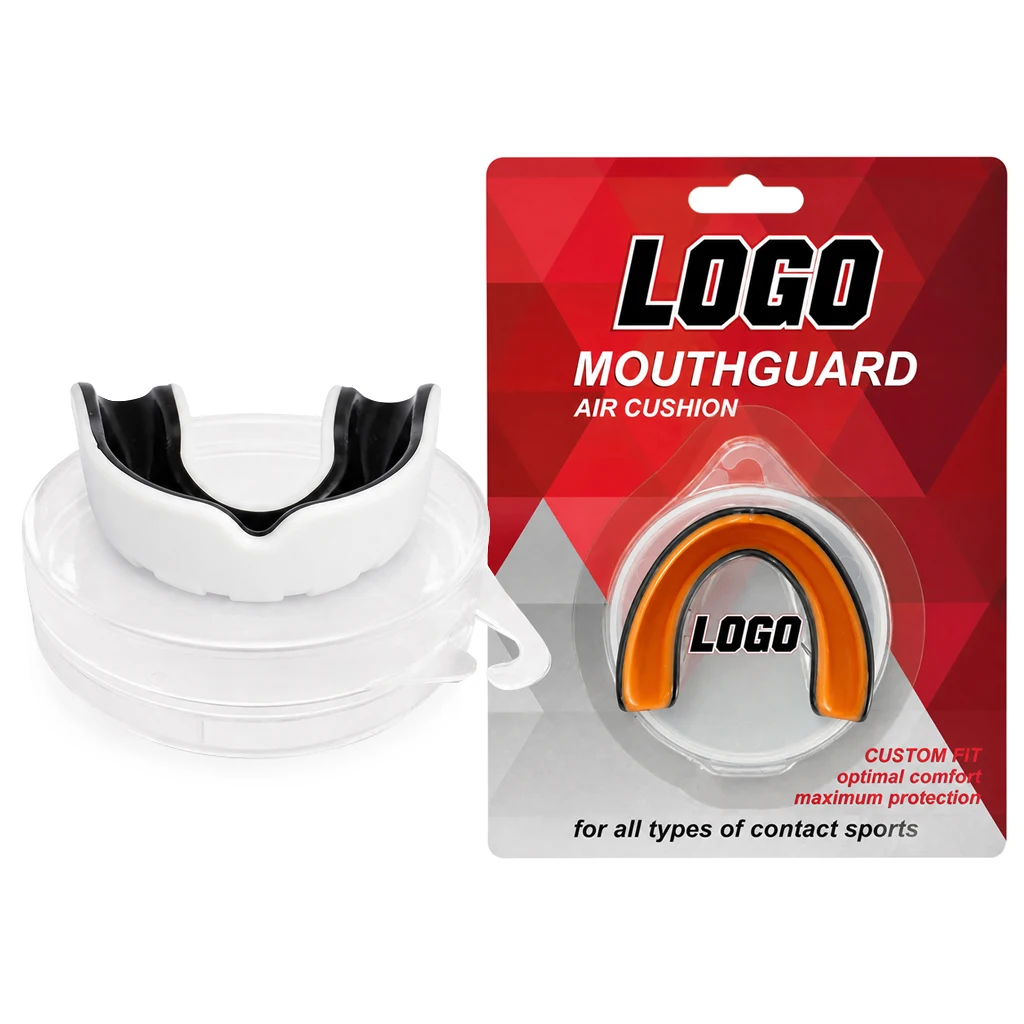
From a product-selection perspective, start with the use goal rather than the product name. A night guard intended for grinding and clenching is not automatically interchangeable with a sports mouth guard, an orthodontic retainer, or an anti-snoring appliance. That distinction matters because fit, material behavior, coverage, and follow-up needs can be different.
Start by confirming that teeth grinding is the real use case
People often look for a transparent mouth guard after noticing jaw tiredness, tooth sensitivity, flattened tooth edges, morning headaches, or a partner hearing grinding sounds. Those signs can be worth discussing with a dentist, especially if pain is new, severe, or accompanied by a damaged tooth, loose restoration, clicking jaw, or changes in bite. The purpose of a guard is generally to create a barrier between upper and lower teeth; it does not identify the cause of grinding or promise to stop the habit.
Before comparing products, write down four practical details: whether grinding seems light or forceful, whether it happens mainly at night, whether you have braces, implants, crowns, or a removable appliance, and whether you have had recent dental work. This short list prevents a common mistake: choosing a generic clear product solely because its appearance seems discreet.
Fit is the first selection test
For a transparent mouth guard, fit affects both comfort and function. A guard that lifts when you open your mouth, pinches the gums, creates sharp pressure points, or feels so bulky that you remove it during sleep is unlikely to be a good long-term choice. Custom-made guards are designed from an individual’s dental anatomy; store-bought or heat-molded choices vary more in how closely they adapt. Neither category should be judged by transparency alone.
- Retention: It should seat securely without needing constant biting to hold it in place.
- Edge finish: Smooth, rounded edges are easier to tolerate than rough or sharply trimmed borders.
- Coverage: Ask which arch is covered and whether the design is intended for nighttime grinding.
- Changes in fit: Stop relying on a guard that becomes warped, cracked, loose, or uncomfortable, and seek professional advice when needed.
A useful self-check is simple: after fitting, you should be able to breathe and relax your jaw without fighting the guard. If the guard consistently causes soreness, gagging, or a changed bite when you remove it, that is a reason to pause and ask a dental professional rather than forcing an adjustment at home.
Compare material and thickness in context
Clear night guards are commonly made from thermoplastic materials, but material names alone do not tell you whether a model suits your needs. The relevant comparison is between the guard’s intended use, its thickness, its flexibility, and the documentation supplied by the provider. Harder designs may be considered when a durable bite surface is needed, while softer or dual-layer designs may be considered for comfort. The right balance depends on the individual and should not be reduced to a universal rule that one material category suits every wearer.
What does “dental grade” mean?
The phrase dental grade should prompt a documentation conversation, not end one. Ask what material is used, whether it is intended for intraoral use, which supplier or manufacturer specification applies, and what cleaning and replacement guidance accompanies it. If a seller makes a safety, regulatory, or performance claim, request the supporting documents appropriate to your market rather than assuming that a clear appearance proves quality.
For individual buyers, this means reading the use instructions and asking a clinician when you have complex dental conditions. For a retailer or distributor, it means keeping material declarations, packaging information, intended-use wording, and batch or supplier traceability organized before listing a product. Clear claims are easier to support when they match the available records.
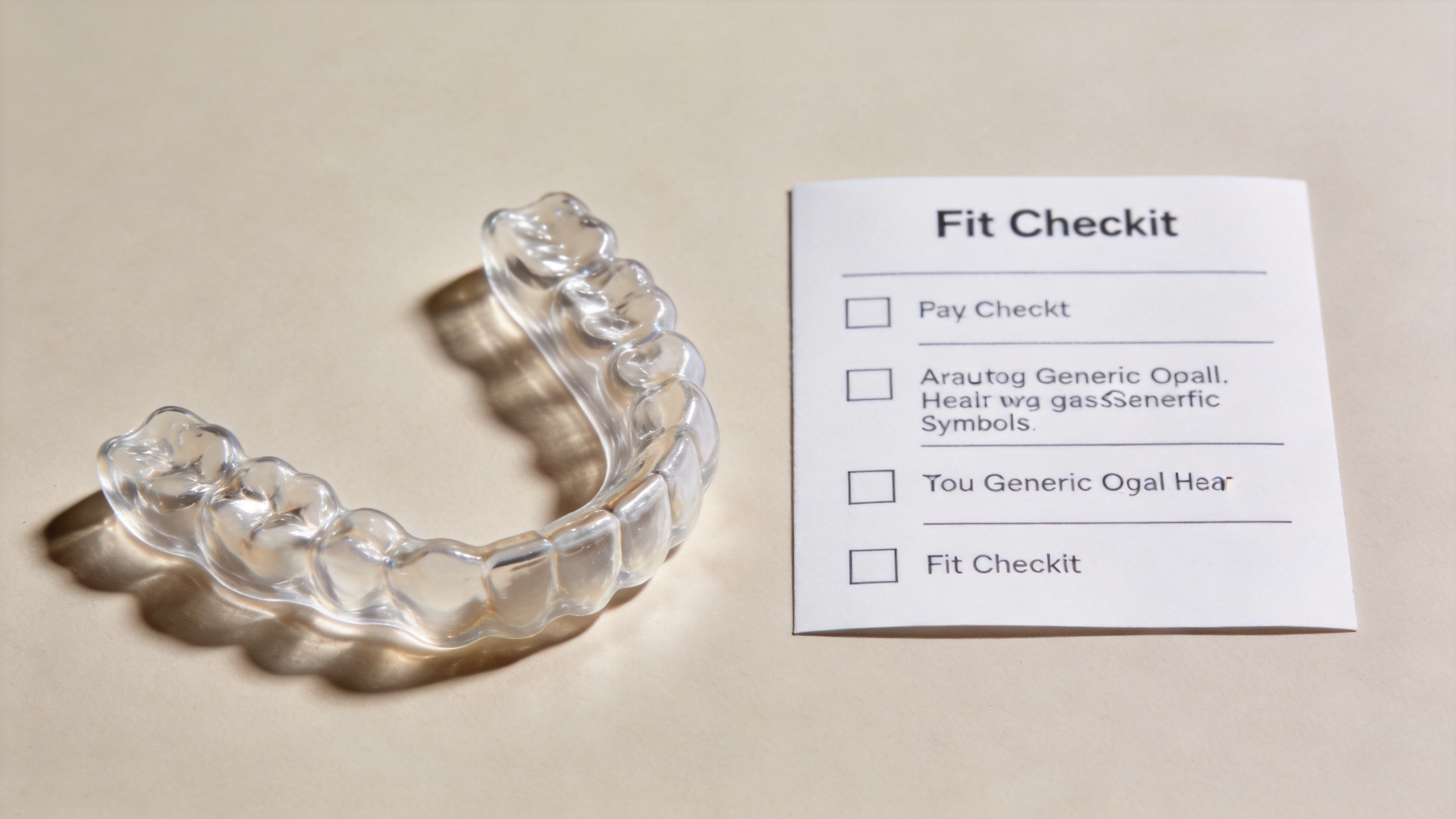
Use this quick comparison before you buy
| Question | Why it matters | What to verify |
|---|---|---|
| Is it intended for grinding? | Sports and sleep products serve different situations. | Nighttime/bruxism use instructions and limits. |
| How is it fitted? | Fit influences retention and wear comfort. | Custom process, molding directions, and remaking policy. |
| What is it made of? | Materials behave differently under repeated use. | Material specification and intraoral-use documentation. |
| What thickness or design is offered? | Design should match the intended level of protection and comfort. | Available options and professional guidance for your case. |
| How is it cleaned and replaced? | Care affects hygiene, clarity, and service life. | Cleaning instructions, storage case, and replacement signs. |
Do not overlook care, comfort, and follow-up
A transparent mouth guard needs routine care to remain usable. Rinse it after use, follow the maker’s cleaning instructions, let it dry in a ventilated case, and keep it away from heat that could distort its shape. Do not use a cracked or heavily chewed guard simply because it still looks clear. Regularly inspect it for odor, rough edges, discoloration, deformation, and changes in fit.
Comfort is also a follow-up issue. What feels acceptable on the first night may prove unsuitable after several weeks of use. If jaw discomfort worsens, teeth feel different when you wake up, or the appliance no longer fits as expected, arrange a dental review. A good selection process leaves room for reassessment instead of treating the original purchase as a permanent fix.
What wholesale buyers should evaluate
For wholesale sourcing, the goal is not just to find a low unit price. A transparent mouth guard range is easier to sell and support when the product positioning, packaging, instructions, and technical files all tell the same story. Separate grinding guards from sports guards and other oral appliances in your assortment so customers are not asked to infer the intended use.
- Request product specifications, material declarations, intended-use wording, and available compliance documents.
- Review samples for finish quality, clarity, retention approach, packaging, and legible care instructions.
- Confirm customization options, minimum order quantities, lead times, and the process for defects or fit-related customer questions.
- Check whether claims such as dental grade can be substantiated in the target market before using them in listings.
- Build customer-service guidance that tells consumers when to stop use and seek dental advice.
This approach reduces the total work involved in returns, unclear claims, and mismatched expectations. It also helps pharmacies, clinics, marketplaces, and other resellers present the product with appropriate boundaries.
Choose with a short, repeatable checklist
The right transparent mouth guard for teeth grinding is the one whose use case, fit method, material documentation, care guidance, and follow-up plan make sense together. Start by confirming that you need a grinding guard rather than a sports or other oral appliance. Next, prioritize secure fit and comfortable edges. Then review the material facts behind any dental grade claim, and make sure cleaning and replacement instructions are available.
If you are buying for yourself, involve a dentist when symptoms, dental work, or fit concerns make the choice less straightforward. If you are sourcing for wholesale, document the same questions before the product reaches a customer. A transparent mouth guard may be visually simple, but careful selection makes the decision more reliable.

 Hot News
