 EN



Are You Searching For A Professional-Grade Teeth Mouth Guard Manufacturer?
If you are sourcing a teeth mouth guard for wholesale, a clinic, a pharmacy, or an e-commerce range, the first question should not be “Which guard best matches our documented requirements?” It should be “Can this supplier help us verify the right intended use, fit information, materials, and selling documents?” A professional-grade buying decision is usually a documentation decision as much as a product decision.
Xiamen Yizhou Imp. & Exp. Co., Ltd. works with buyers in markets including Europe and the United States across sleep-related guards, sports mouthguards, and dental whitening trays. Those categories may sit close together online, but they should not be treated as interchangeable. A night guard discussion has a different use context from a sports-impact product, and both need clear, market-appropriate product information.
Start by defining what the teeth mouth guard is for
“Mouth guard” is a broad retail term. Before comparing manufacturers, state the use case in the request for quotation and in the product brief. Is the product intended for sports impact protection, for a nighttime grinding or clenching context, or for another oral-care application? This one decision affects the questions you should ask about design, user instructions, packaging, and claims.
- Sports use: Ask how the guard is intended to sit, what arch it covers, how it is retained, and what impact-related testing or evidence the supplier can provide.
- Night-time use: Keep the language precise. A night guard is not a substitute for diagnosis or treatment advice. Ask for the stated intended use, fitting instructions, care guidance, and any boundaries the supplier places around consumer-facing claims.
- Channel use: A pharmacy, clinic, and marketplace listing may each need a different document set, while the underlying product facts must remain consistent.
A useful supplier does not blur these categories to make a sale. Instead, it helps a buyer build a product page and a customer-service script that use the correct terms and flag questions that need a dental professional.
What “dental grade” should mean in a sourcing conversation
Dental grade can sound reassuring, but it is not a complete specification by itself. Treat it as a prompt for documentation, not as proof of a particular material, regulatory status, or performance level. A capable manufacturer should be able to explain what the phrase means in relation to the actual product and target market.
Ask for a written material description, the relevant product specifications, and any available evidence for the claims you expect to place on packaging or online. Confirm the version, date, product code, and supplier identity on those documents. If the planned market has special regulatory, labeling, or language requirements, validate them with the appropriate local adviser before launch.
For many buyers, the practical checklist includes material composition, odor and appearance controls, edge finishing, intended cleaning method, storage conditions, age or use restrictions where applicable, and packaging content. If a supplier answers only with marketing adjectives, the comparison is not yet complete.
Evaluate fit before comparing cosmetic details
Fit influences whether a teeth mouth guard is likely to stay in place, feel tolerable, and be used as instructed. General professional guidance for athletic mouth protectors emphasizes a secure, comfortable fit, coverage of the teeth at risk, resilient material, and the ability to clean the product. Those principles are useful sourcing prompts, although buyers should not turn them into unsupported product claims.
Ask the manufacturer to show exactly how the product is fitted. For a moldable style, request the current fitting instructions and confirm how the instructions address heating, cooling, shaping, and hygiene. Poor instructions can produce a poor fit even when the material is suitable. For a custom or impression-based program, clarify who collects the impression, who reviews it, what remake process exists, and how the finished guard is matched to the order.
| Review area | Questions for the manufacturer | Why it matters |
|---|---|---|
| Retention | How should the guard stay in place during normal use? | A guard that shifts may be difficult for the user to wear as intended. |
| Thickness and coverage | Which areas are covered, and what is the specified tolerance? | Buyers need product facts that can be checked and communicated consistently. |
| Edges and finish | How are edges inspected and finished? | Comfort and customer feedback are affected by finishing details. |
| Care instructions | What cleaning and storage guidance is supplied? | Clear care information supports safer, more consistent use. |
Request a sample and test the supplier’s process
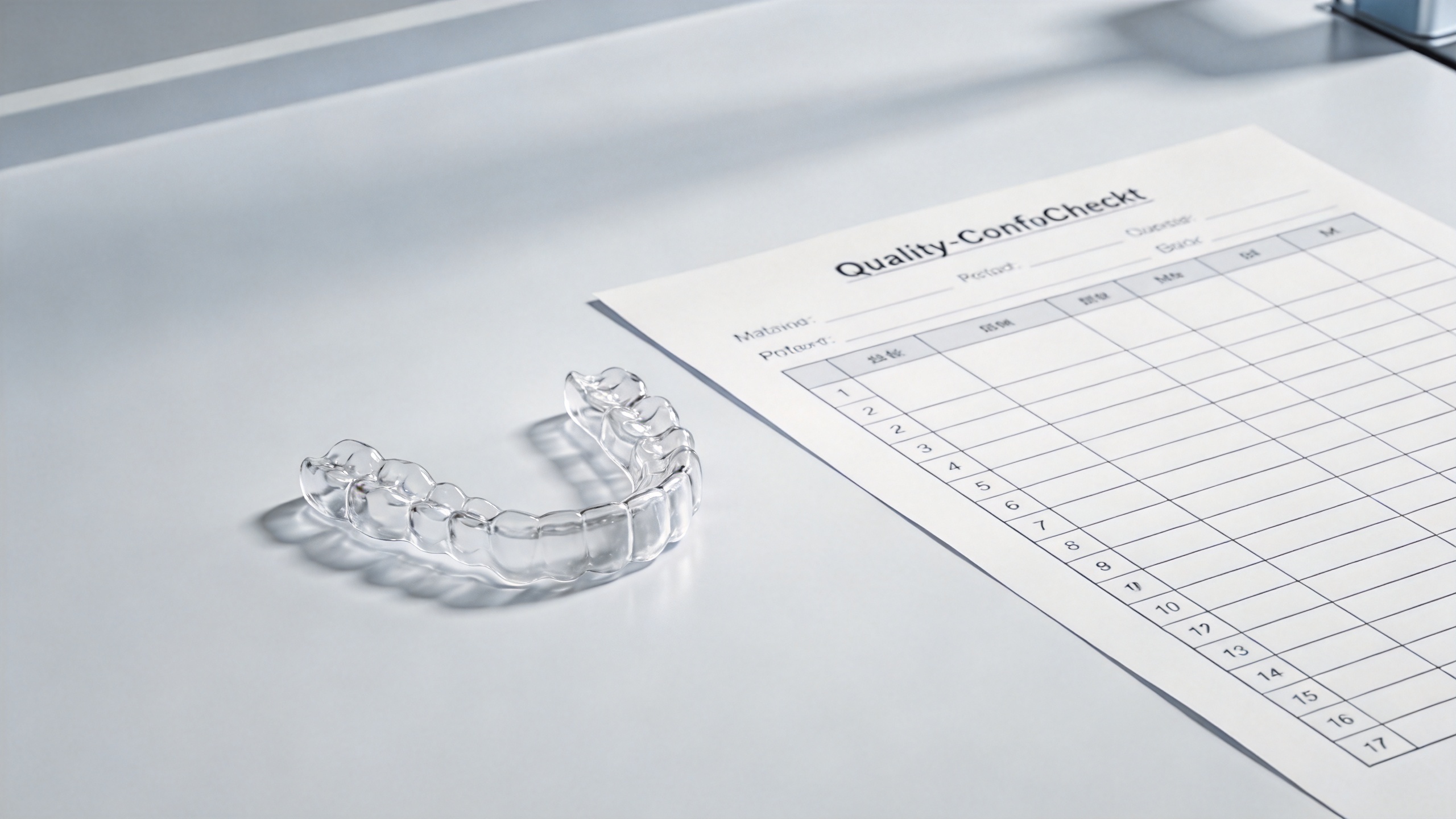
Samples are not only for checking color or packaging. Use them to test whether the supplier’s stated process is repeatable. Compare the sample, specification sheet, fitting guide, packaging artwork, and quotation. Do names, intended use statements, sizes, and care directions match? Inconsistency is a useful early warning because the same mismatch can become a customer-service or listing problem later.
For a teeth mouth guard range, build a small acceptance checklist before sampling. Include visual inspection, odor, edge condition, fit-instruction clarity, package contents, label readability, and a review of the documents needed by your sales channel. If you plan a private-label program, also confirm who controls revisions to artwork and instructions.
Choose a manufacturer that supports your selling channel
Professional buyers need more than units in a carton. Wholesalers may need dependable specification sheets; e-commerce teams need accurate product attributes and images; clinics may need clear product boundaries; and pharmacies may require careful consumer-facing labeling. A manufacturer familiar with several channels can help organize those materials, but every buyer should still verify the final claims for the destination market.
When discussing a night guard or a sports product, ask the supplier to separate confirmed product facts from claims that need market-specific review. This protects both the brand and the end user. It also makes it easier to train sales teams not to imply that a generic oral-care product diagnoses, prevents, or treats a condition.
A practical manufacturer scorecard
- Intended use is stated clearly. The product brief distinguishes a sports guard, a night-time product, and other oral-care items.
- Documents are traceable. Specifications and material statements can be tied to a product code and current revision.
- Fit instructions are usable. The fitting pathway is clear, realistic, and consistent with the product style.
- Quality communication is specific. The manufacturer can explain inspection points rather than relying on vague quality language.
- Packaging information is aligned. Labels, inserts, marketplace copy, and sample documentation tell the same story.
- Claims stay within evidence. The supplier helps keep a teeth mouth guard description factual and refers health questions to qualified professionals.
Make the final choice with evidence, not assumptions
A professional-grade teeth mouth guard manufacturer is not defined by a single phrase such as dental grade. Look for a partner that can discuss intended use clearly, provide relevant documentation, support a controlled sample review, and keep product information consistent across channels. That approach gives your team stronger sourcing evidence and gives customers clearer expectations.
Before placing a production order, put the agreed product facts, artwork approval points, quality checks, and document handover requirements in writing. If the product will be used in a health-related context or the wearer has dental concerns, encourage appropriate professional advice rather than extending product claims beyond the available evidence.


 Hot News
