 EN



How Can High-Quality Professional Mouth Guard Prevent Sleep Bruxism Damage?
A professional mouth guard is not a cure for bruxism, but it can be an important protective barrier when a person clenches or grinds during sleep. In practical terms, the right guard separates the upper and lower teeth so repeated contact is less likely to wear enamel, chip restorations, or overload dental work. The distinction matters: a professional mouth guard is intended to reduce damage from the forces of grinding, not to promise that the habit will disappear.
From a product-selection perspective, the useful question is not simply, “Which guard should I consider?” It is, “Which professional mouth guard matches the intended night-time use, the wearer’s dentition, and the information a clinician or purchaser needs to verify?” That framing keeps comfort, retention, material documentation, and follow-up in the same conversation.
Why sleep bruxism can damage teeth over time
Bruxism is the term commonly used for clenching or grinding teeth. Because it often happens during sleep, a person may notice the effects before noticing the behavior: morning jaw fatigue, tooth sensitivity, worn biting surfaces, fractured fillings, or a guard that shows visible wear. A professional mouth guard gives the teeth a sacrificial surface and helps distribute contact differently than bare tooth-on-tooth grinding.
That protection is useful, but it has limits. A professional mouth guard should not be presented as a diagnosis, a substitute for a dental examination, or a universal answer for facial pain, snoring, or sleep-related symptoms. New pain, loose teeth, recurring headaches, changes in the bite, or a damaged appliance are reasons to seek dental advice. A dentist may recommend a night guard as part of protecting teeth while a person sleeps; the underlying contributors to grinding can still need attention.
How a professional mouth guard creates a protective barrier
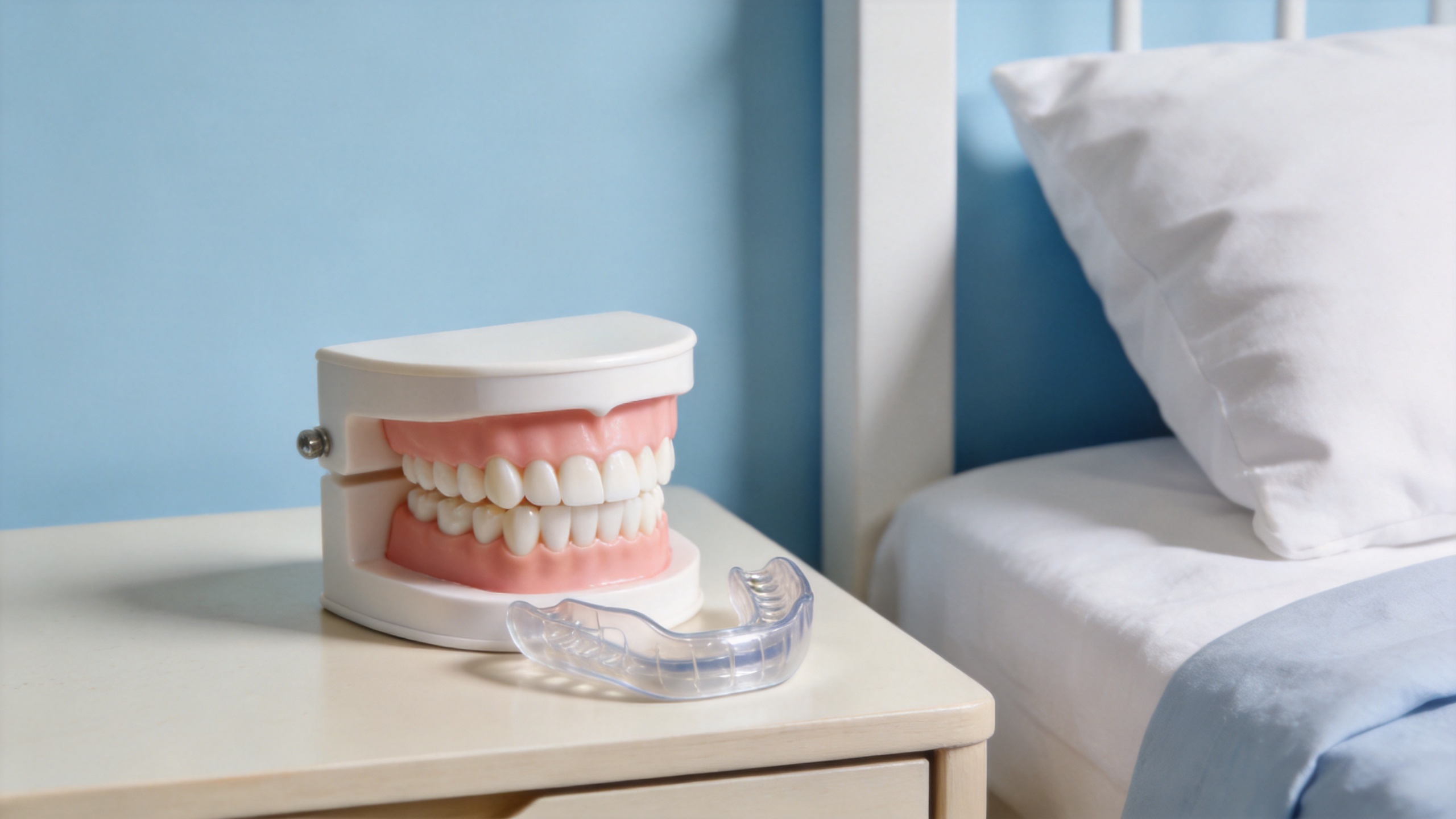
In everyday use, a professional mouth guard places a durable interface between the upper and lower arches. When clenching occurs, the appliance receives some of the contact rather than allowing enamel and restorations to meet directly. A well-fitting guard can also be easier to keep in place through the night, which is important because protection is only available when the appliance is actually worn.
Fit is where “professional” has practical value. A professional mouth guard should be evaluated for coverage, edge comfort, retention, and how it contacts the opposing teeth. A loose guard can be distracting; an overly tight one can be difficult to remove; and a rough edge can discourage regular use. Rather than choosing solely by a product name, begin with the wearer’s goal: protecting teeth from night grinding is a different use case from sports impact protection or an appliance marketed for snoring.
What high quality means for a night-time guard
A high-quality professional mouth guard is not defined by a single material claim or a bold label. It is defined by whether the supplier, dental professional, or product documentation can answer the questions that affect safe, repeatable use. The most helpful evaluation points are below.
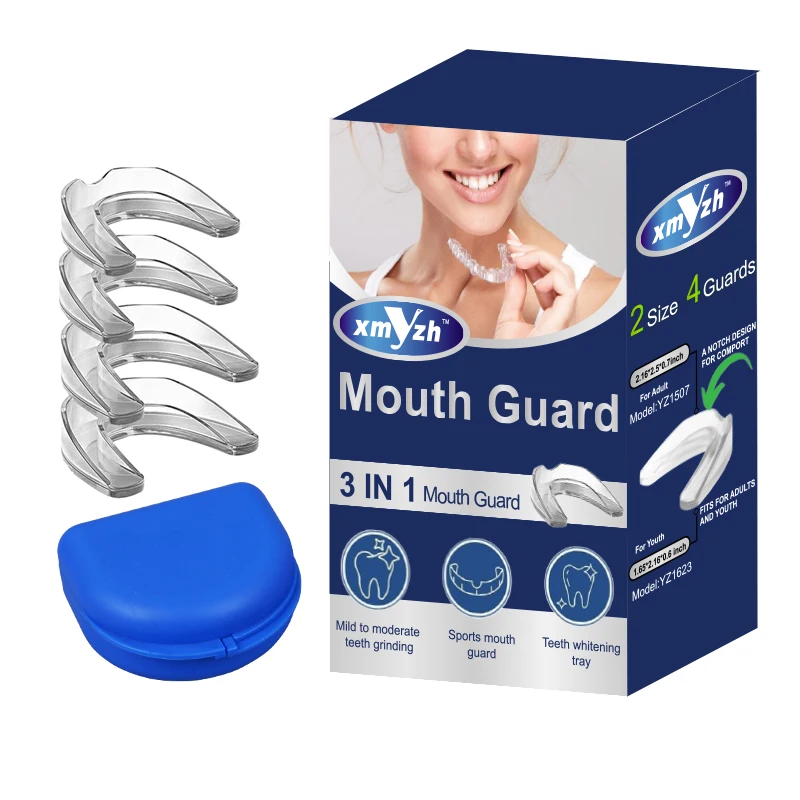
- Purpose and wearer profile: Confirm that the professional mouth guard is intended for night-time grinding or clenching and that the wearer’s dental situation has been considered.
- Fit and retention: A professional mouth guard should stay seated without constant repositioning and should not create sharp pressure points.
- Coverage and thickness: Ask how coverage and thickness are selected for the intended use of the professional mouth guard. Do not assume a thicker design is automatically preferable; fit and clinical guidance matter.
- Material information: Request clear material, care, and replacement information for the professional mouth guard. If a supplier cannot provide documentation, treat that as an information gap rather than inventing a performance conclusion.
- Finish and cleanability: Smooth edges and clear cleaning instructions help a professional mouth guard support routine use and hygiene.
For distributors, clinics, pharmacies, and online sellers, this is also where an OEM/ODM conversation should become specific. Asking for a professional mouth guard under a private label is not enough. Confirm the intended use, the approved claims language, packaging instructions, material records, molding or fit process, and the route for handling customer questions. Those details reduce avoidable confusion after the product reaches the end user.
Custom fit, professional review, and comfort
Custom fit does not automatically make every appliance suitable for every person, yet it can improve the likelihood that a professional mouth guard sits consistently and comfortably. A professional review is especially valuable when a wearer has crowns, bridges, implants, orthodontic appliances, significant tooth wear, jaw symptoms, or a changing bite. It helps separate a simple product question from a situation that requires individualized assessment.
Comfort is not a minor detail. If a professional mouth guard is bulky, irritates the gums, interferes with closing the mouth, or falls out, people are less likely to use it. A sensible next step is not to force continued wear; it is to review the fit. A guard that begins to split, flatten, crack, smell persistently, or feel different should also be inspected rather than used indefinitely.
Care habits that preserve protective value
Regular care helps a professional mouth guard remain usable and makes changes easier to spot. After use, rinse it with cool or lukewarm water, clean it as directed, allow it to dry fully, and store it in a ventilated case. Avoid very hot water unless the product instructions specifically allow it, since heat may change the shape of some appliances. Keep the case clean as well.
Make a quick inspection part of the routine. Look for cracks, thin areas, rough edges, persistent discoloration, or changes in fit. A professional mouth guard that no longer fits as intended cannot be assumed to provide the same protection. Replacement timing depends on wear, material, grinding intensity, and professional advice, so a fixed promise about service life would be misleading.
A responsible wholesale checklist
For a wholesale buyer, professional mouth guard selection should include more than unit price. A professional mouth guard program benefits from a clear separation between night guards, sports mouth guards, and other oral appliances. The label, instructions, and sales copy should reflect that separation. Before placing a wholesale order, request written specifications, intended-use language, care instructions, packaging options, quality-control records that are actually available, and a process for resolving fit or material questions.
This is a practical point for evaluating an OEM/ODM supplier’s communication. Can the supplier document what is confirmed, identify what needs verification, and avoid turning general product information into medical promises? That approach is more valuable than unsupported claims about universal comfort or promised results.
When to involve a dental professional
A professional mouth guard is most useful when it is part of a realistic protection plan. Consider dental guidance if grinding is frequent, tooth damage is visible, jaw symptoms persist, the bite changes, or the appliance feels wrong. A clinician can help assess whether a professional mouth guard is appropriate, review fit, and identify issues that an appliance alone may not address.
A high-quality professional mouth guard can help limit sleep bruxism damage by keeping teeth from grinding directly against one another. Choose it by intended use, fit, retention, documented materials, hygiene guidance, and a willingness to seek professional review when symptoms or fit raise questions. That is a more reliable path than relying on a product label alone.


 Hot News
