 EN



How Can High-Quality Sleep Mouthpiece Prevent Sleep Bruxism Damage?
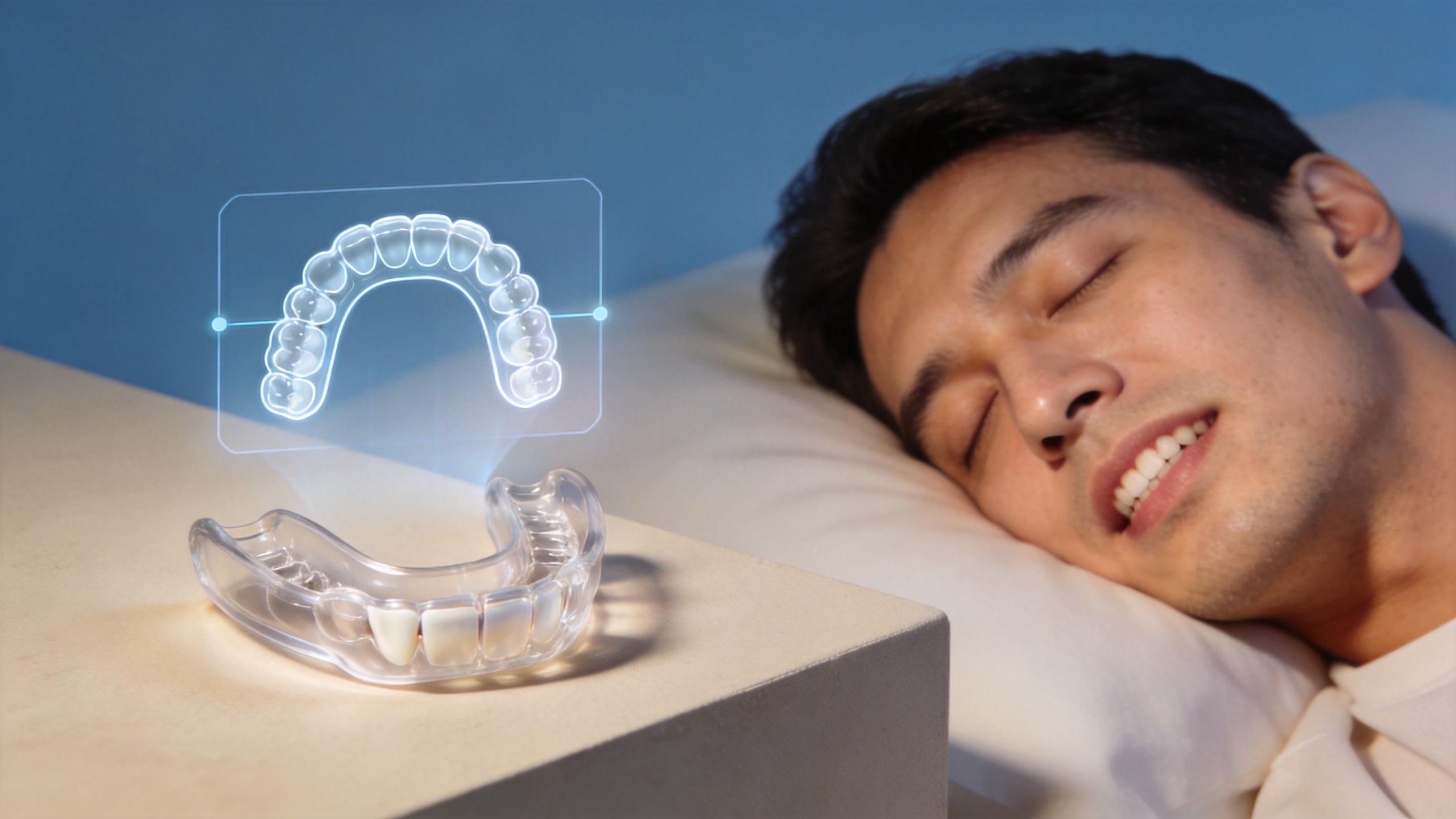
A sleep mouthpiece can be a practical part of protecting teeth when nighttime clenching or grinding is suspected. Its job is not to diagnose bruxism, cure it, or treat sleep apnea. Instead, a properly selected appliance creates a protective barrier between the upper and lower teeth, so repeated contact is less likely to wear, chip, or crack tooth surfaces. That distinction matters because “sleep mouthpiece” is also used for anti-snoring and sleep-apnea products, which have a different purpose.
For dental-channel readers, it helps to separate three questions: what problem the appliance is meant to address, how its fit and construction are assessed, and when the wearer needs professional evaluation. A high-quality option may reduce mechanical damage from grinding, but it does not replace a dentist’s assessment of pain, tooth movement, restorations, or persistent symptoms.
Why sleep bruxism can damage teeth
Sleep bruxism describes involuntary grinding or clenching during sleep. The force may not be obvious to the person wearing the appliance. A partner may hear grinding, while another person first notices flattened edges, sensitivity, a chipped filling, morning jaw fatigue, or headaches. Not every sign points to the same cause, so self-diagnosis is a poor substitute for a dental examination.
The relevant protective mechanism is straightforward: an intraoral guard keeps opposing teeth from directly rubbing together. The National Institute of Dental and Craniofacial Research describes mouth guards as appliances that separate the teeth to help prevent tooth damage; it also notes that professional care may be needed when bruxism is severe or symptoms persist. A sleep mouthpiece therefore addresses contact-related wear risk, not every factor that may contribute to clenching.
First, distinguish a bruxism guard from an anti-snoring device
Search results for “sleep mouthpiece” often focus on snoring or sleep-apnea appliances. Those products may be designed to influence jaw or airway position. A tooth-protective night guard, by contrast, is selected to provide separation and a usable bite surface. The names can sound similar, but the intended use should not be treated as interchangeable.
- Bruxism protection: focuses on reducing tooth-to-tooth contact and protecting dental surfaces from grinding forces.
- Anti-snoring or sleep-apnea appliance: may have an airway-related purpose and needs appropriate clinical direction.
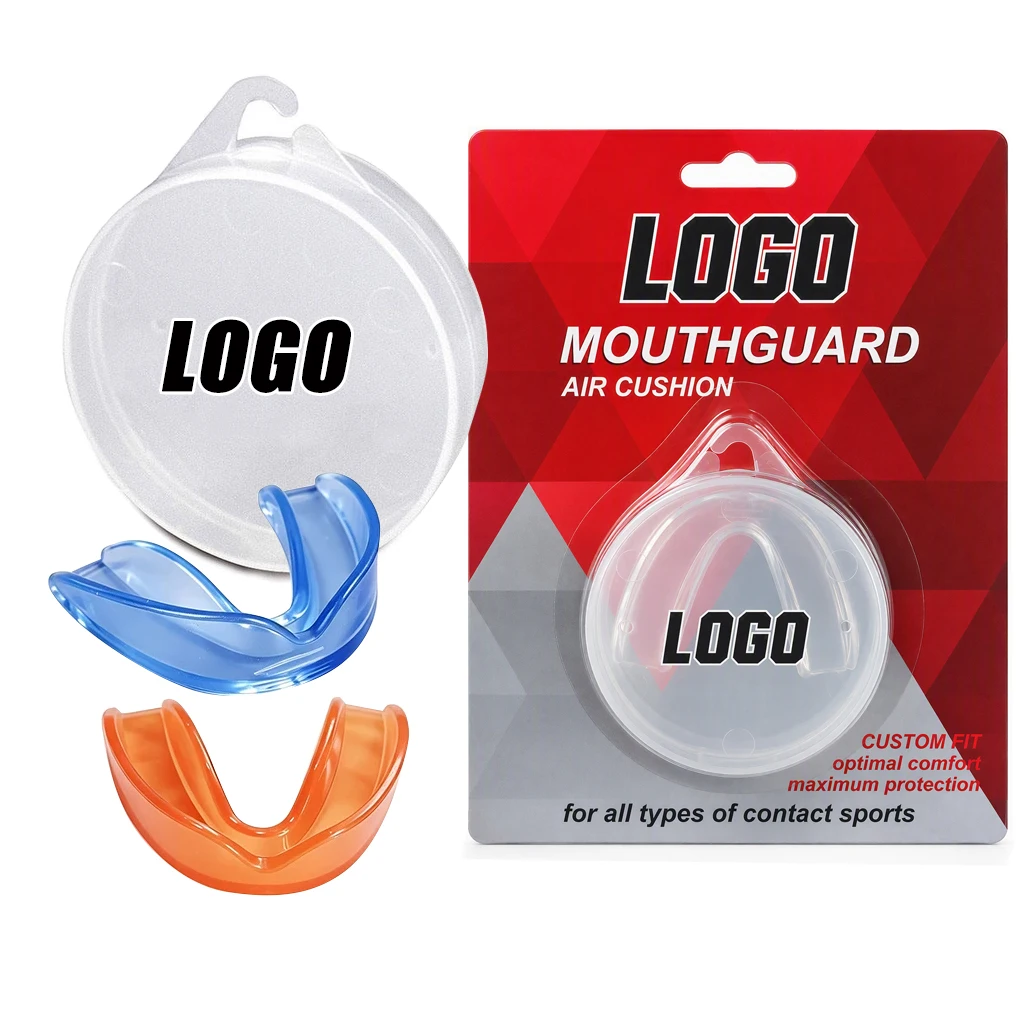
- Sports mouthguard: is built for impact protection and is not automatically the right choice for overnight grinding.
Here is the practical rule: confirm the intended use before comparing materials, price, or packaging. If someone has witnessed pauses in breathing, gasping, severe daytime sleepiness, or a known sleep-breathing condition, a generic bruxism guard should not be presented as a substitute for medical or dental sleep care.
What “high quality” should mean for a sleep mouthpiece
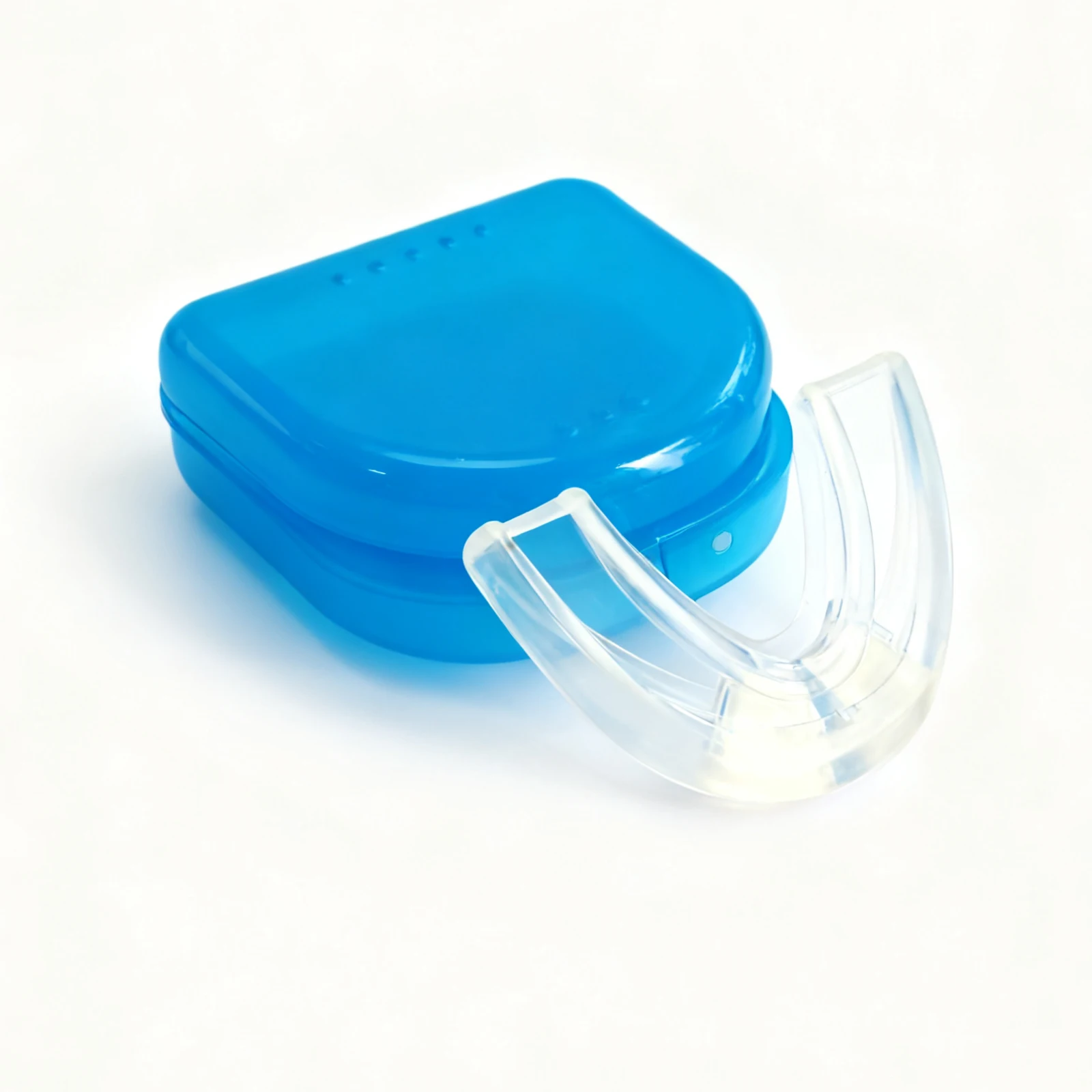
High quality is not a promise that one device will suit every mouth. It is a set of verifiable characteristics: appropriate intended use, fit assessment, clear care instructions, traceable product information, and a pathway to professional review. A dental grade description can be useful only when the seller can explain what it refers to. By itself, the phrase does not prove fit, comfort, safety, clinical suitability, or a particular health outcome.
1. Fit and retention come before marketing claims
A sleep mouthpiece should stay in place comfortably through the night without creating obvious pressure points or forcing an uncomfortable bite. Poor fit can lead to inconsistent use, irritation, or a misleading impression that all guards are ineffective. Custom or professionally evaluated options may be appropriate for people with restorations, orthodontic history, significant tooth wear, jaw symptoms, or uncertainty about the diagnosis. The exact choice is individual, so product information should not overpromise universal comfort.
2. The guard needs a protective design, not merely a soft feel
Comfort matters, but the purpose is to create a consistent barrier between teeth. When evaluating a sleep mouthpiece, ask how the product is intended to distribute contact, how it is cleaned, whether the design is meant for overnight use, and what follow-up is recommended. A softer product is not automatically better, and a harder product is not automatically more protective. The meaningful comparison is whether the option is appropriate for the wearer’s condition and can be evaluated over time.
3. Clear instructions support safer use
Good product communication includes use, cleaning, storage, and replacement guidance. It should also say when to stop using the device and seek advice—for example, if there is pain, a bite change, persistent jaw symptoms, damaged teeth, loose restorations, or unexplained discomfort. This is especially important in wholesale settings, where a reseller needs claims and instructions that are clear enough for a shopper yet careful enough not to imply diagnosis or treatment.
How the mouthpiece helps prevent damage
The benefit is primarily mechanical. By separating the arches, the appliance can reduce direct enamel-on-enamel contact during grinding. That may help limit visible wear and reduce the chance that vulnerable edges, fillings, crowns, or other restorations take repeated contact in the same way. It is more accurate to say the guard helps protect teeth from the effects of grinding than to say it stops every grinding episode.
That boundary is important. Bruxism may be influenced by stress, sleep patterns, medications, bite factors, or other concerns that require professional judgment. A guard can be one protective measure while a clinician investigates contributing issues. If damage is already present, early review may also prevent a small chip or worn surface from becoming a larger restorative problem.
A practical selection checklist for buyers and wholesale teams
For a consumer, clinic, pharmacy, or wholesale buyer, the most useful questions are often not promotional ones. Use this checklist to clarify the product’s role before it is recommended or listed:
- Is the stated purpose bruxism protection? Do not confuse it with a snoring or sleep-apnea appliance.
- What does dental grade mean in this specific listing? Request precise material, intended-use, and documentation information rather than relying on the phrase alone.
- How is fit addressed? Confirm the instructions, size or molding process, and whether professional review is advised for complex dental situations.
- What instructions accompany the product? Check cleaning, storage, inspection, and discontinuation guidance.
- What claims can be supported? Keep product language focused on tooth protection from grinding forces; avoid claims that it cures bruxism, treats sleep apnea, or guarantees symptom relief.
- What does the buyer need for resale? For wholesale planning, verify labeling, batch traceability where applicable, packaging details, and the evidence behind any dental grade wording before publishing marketplace copy.
When professional evaluation is the safer next step
A sleep mouthpiece is not a reason to ignore persistent symptoms. A dentist or appropriate clinician should be consulted when there is ongoing jaw pain, locking, a changing bite, cracked or worn teeth, loose restorations, severe headaches, facial pain, or concerns about snoring and breathing during sleep. These situations need an assessment that a generic product page cannot provide.
In short, quality starts with correct purpose. A well-selected sleep mouthpiece can help create a protective barrier and reduce the direct contact that contributes to bruxism-related tooth damage. The responsible approach is to pair that protective role with accurate instructions, cautious claims, and professional guidance whenever symptoms or sleep-breathing concerns go beyond a simple product-selection question.


 Hot News
