 EN



How Can High-Quality Soft Night Guard For Teeth Grinding Prevent Sleep Bruxism Damage?
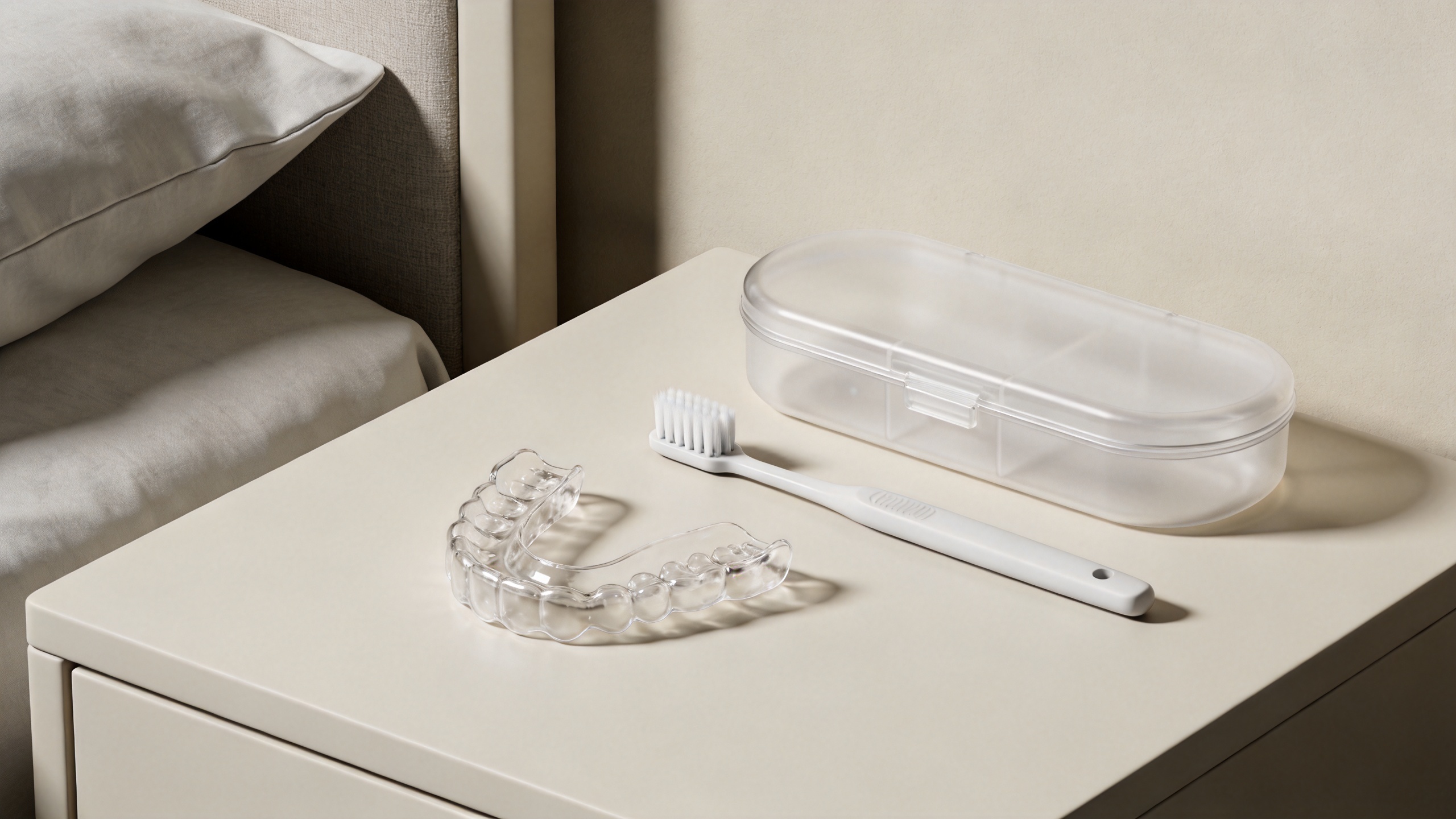
A soft night guard for teeth grinding is more accurately understood as a protective barrier, rather than a promise that sleep bruxism will disappear. During sleep, repeated clenching or grinding can bring the upper and lower teeth into forceful contact. A well-fitted soft night guard for teeth grinding separates those surfaces, helping limit direct tooth-on-tooth wear. If you wake with jaw soreness, headaches, tooth sensitivity, or notice worn or chipped teeth, it is wise to discuss those signs with a dentist rather than relying on a general product description alone.
For first-time users, the useful question is not simply “Is this a night guard?” It is whether a soft night guard for teeth grinding suits the intended overnight use, feels stable, and comes with clear care and replacement guidance. That distinction matters because a guard can help protect teeth from damage while the factors behind grinding still need individual assessment.
What damage can sleep bruxism create?
Sleep bruxism is grinding, clenching, or gnashing that happens while a person is asleep. Some people do not realize it is occurring until a partner hears the sound or a dental professional sees evidence of wear. The National Institute of Dental and Craniofacial Research explains that a mouth guard separates the teeth to help prevent tooth damage and may reduce muscle activity associated with grinding and clenching. In practical terms, a soft night guard for teeth grinding can add cushioning between the biting surfaces when unconscious jaw activity occurs.
The American Dental Association also notes that a dentist may recommend a night guard to protect teeth during sleep. That wording is important: a soft night guard for teeth grinding protects against contact-related damage; it should not be presented as a cure for every cause of bruxism. Stress, sleep quality, bite concerns, medication questions, and jaw symptoms can require professional discussion.
How a soft night guard protects teeth
It creates separation at the contact point
The core job of a soft night guard for teeth grinding is straightforward. When it covers the prescribed arch, it creates a layer between opposing teeth. This may help reduce direct enamel-to-enamel contact, chipping risk, and further wear caused by repeated friction. A soft design is often considered when comfort and flexibility are central to the wearer’s decision, but softness alone does not establish that one guard is right for every grinding pattern.
It can support more consistent overnight use
A guard only helps while it is worn. For some people, a soft night guard for teeth grinding feels less intimidating than a harder appliance, especially at the beginning. Yet a comfortable feel must be paired with retention. If the guard shifts, feels excessively bulky, causes a bite concern, or is uncomfortable enough to remove during the night, the user should stop treating fit as a minor detail and seek dental advice.
It makes wear easier to monitor
There is another practical benefit: a soft night guard for teeth grinding can give the wearer and clinician a visible item to inspect. Tears, deep impressions, sharp edges, looseness, odor that persists after cleaning, or a material change are useful reasons to review the appliance. Do not assume damage to the guard proves that a certain medical condition exists; it simply shows why regular inspection and individualized advice matter.
What “high quality” should mean before you choose
It is easy to treat “high quality” as a slogan. A better approach is to turn it into confirmation questions. Whether choosing a soft night guard for teeth grinding for personal use or sourcing a night guard for a retail range, ask for information that matches the planned market and intended use.
- Fit and coverage: Is the intended arch, fit process, and coverage clearly explained? A soft night guard for teeth grinding should not rely on vague promises of universal fit.
- Material information: Ask for the actual material description, applicable safety documentation, care instructions, and any limits on intended use. Do not infer performance from a generic material name.
- Edge finish and retention: A night guard should be checked for smooth, comfortable edges and stable seating. Persistent rubbing, looseness, or changes in bite merit professional input.
- Cleaning and storage: Clear instructions help users rinse, clean, dry, and store the guard as directed. Heat exposure or harsh cleaning methods can be unsuitable for some materials, so follow the product-specific guidance.
- Replacement signals: A credible product brief explains when a soft night guard for teeth grinding should be reassessed rather than implying that it lasts indefinitely.
Soft guard versus the broader night guard decision
“Soft” describes one product characteristic, not a universal treatment plan. A soft night guard for teeth grinding may be considered when a flexible feel is desired, while a dental professional can help determine whether a different design is more appropriate for the person’s symptoms, dentition, restorations, or degree of wear. Here it helps to separate three things: the product’s stated features, the user’s comfort experience, and a professional judgment about oral health.
In other words, a night guard is a protective appliance, whereas a diagnosis and treatment plan are clinical matters. If there is severe pain, locking, a cracked tooth, bleeding gums, facial swelling, a sudden bite change, or persistent sleep-related concerns, do not use a soft night guard for teeth grinding as a substitute for timely dental or medical evaluation.
A practical checklist for overnight use
- Confirm that the product is intended for nighttime grinding or clenching, rather than assuming every mouth guard has the same purpose.
- Before sleep, make sure the soft night guard for teeth grinding is clean, dry as instructed, fully seated, and free from visible damage.
- Notice whether it remains stable and comfortable. A stable fit is more useful than an impressive-looking product description.
- Inspect it routinely for tears, rough areas, distortion, or changes that affect fit.
- Bring the guard to dental appointments if you have symptoms or questions; it can support a more informed fit and wear discussion.
These steps do not diagnose bruxism. They make it easier to use a the soft appliance responsibly while recognizing the limits of general guidance.
OEM/ODM questions for brands, clinics, and retailers
For a buyer evaluating an OEM/ODM night guard program, the most useful conversation starts with intended use and evidence rather than a broad claim such as “complete protection.” Ask what customization is actually available, which material and packaging information can be documented, what artwork and labeling requirements apply, and what samples or specifications can be reviewed before a launch. An OEM/ODM brief for a a soft oral guard should also distinguish consumer-facing comfort language from claims that require clinical or regulatory substantiation.
Retailers, pharmacies, and clinic channels can reduce confusion by keeping sport guards, whitening trays, anti-snoring devices, and a night guard in separate categories. A the appliance should be described by its intended protective role and accompanied by appropriate care, fit, and professional-referral language; not by promises that it will eliminate sleep bruxism for everyone.
Frequently asked questions
Can a soft night guard stop sleep bruxism?
A this protective guard is designed to separate teeth and help limit contact-related damage. It does not necessarily stop the underlying clenching or grinding behavior. A dentist can help assess symptoms and decide what additional steps are appropriate.
When should a night guard be replaced or checked?
Check a the oral appliance if it tears, distorts, becomes rough, no longer fits securely, or if symptoms or your bite change. Follow the manufacturer’s care instructions and obtain professional advice for concerns.
What should an OEM/ODM enquiry include?
State the intended channel, market, product positioning, expected documentation, customization request, packaging needs, and the exact claims you plan to make. This helps an OEM/ODM discussion stay evidence-based.
The bottom line
A high-quality the guard can be a valuable physical barrier against the tooth wear and damage associated with nighttime clenching or grinding. Quality means more than softness: it means appropriate fit, clear material and care information, regular inspection, and honest communication about what the product can and cannot do. When symptoms, visible damage, or fit concerns persist, professional dental assessment is the safest next step.


 Hot News
