 EN



How Can High-Quality Teeth Grinding Mouth Guard Prevent Sleep Bruxism Damage?
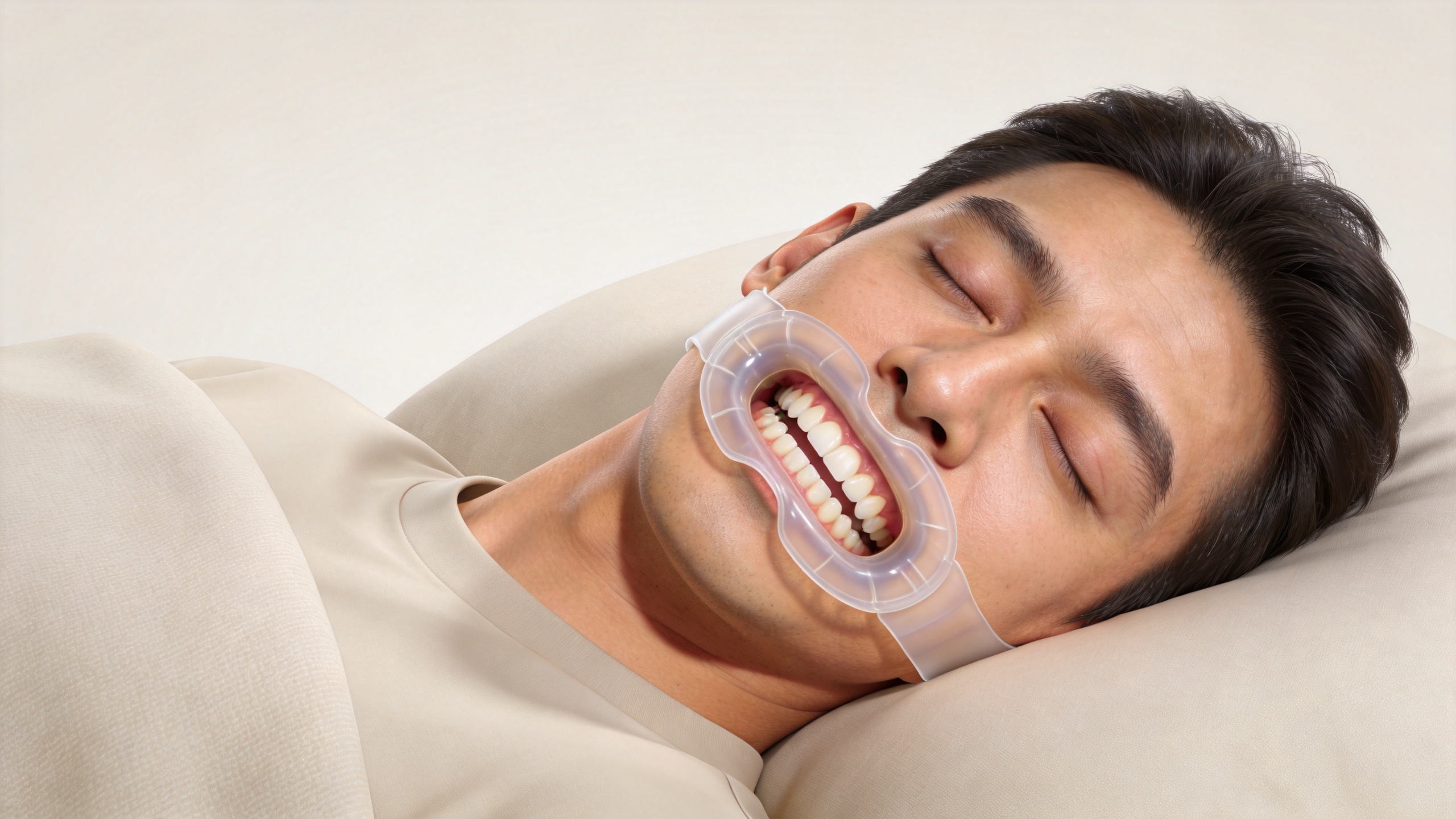
For people who wake with a tight jaw, worn enamel, or a partner who hears grinding, a teeth grinding mouth guard is often considered because it places a physical barrier between the upper and lower teeth. That barrier can help limit direct tooth-on-tooth contact during sleep. It is important to be precise about the benefit: a guard may protect teeth from some of the damage associated with grinding, but it should not be represented as a way to stop sleep bruxism or to diagnose its cause.
From a dental-channel content perspective, the useful question is not simply whether a teeth grinding mouth guard is “good.” It is whether the intended use, fit, material information, and health boundaries have been checked. That distinction matters for an individual selecting a night appliance and for a buyer assessing a wholesale product range.
What damage is a teeth grinding mouth guard designed to reduce?
During a grinding or clenching episode, the biting surfaces can repeatedly contact each other. Over time, that contact may contribute to tooth wear, chipped restorations, sensitivity, or discomfort. A properly selected teeth grinding mouth guard sits between the arches, so the appliance—not opposing teeth alone—receives much of that contact. Dental consumer guidance commonly describes a night guard as a way a dentist may recommend to help protect teeth from grinding-related damage.
A teeth grinding mouth guard should therefore be discussed as protective equipment, not as a universal medical outcome. It does not prove why someone grinds, and it should not be presented as a cure for jaw pain, headaches, snoring, or sleep disorders. If tooth damage is progressing, a guard cracks frequently, pain persists, or sleep concerns are present, a dental professional can assess the individual situation.
Why high quality matters more than a generic promise
“High quality” is not a label alone. For a teeth grinding mouth guard, it should mean that the supplier can clearly explain the intended use and provide relevant product information for the channel. Material type, thickness, fit method, cleaning directions, packaging, labeling, and any applicable documentation are separate questions. A product page should not imply that soft, hard, dual-layer, boil-and-bite, and professionally fitted options work the same way for every wearer.
Fit is especially important. A loose or poorly retained teeth grinding mouth guard may be uncomfortable, may be difficult to keep in place, and may lead a user to abandon it. A device that feels unusually tight, changes how the teeth meet, or causes discomfort also deserves professional review. The practical goal is a comfortable protective barrier that is used as directed, not a decision based on thickness or price alone.
How the protective barrier works during sleep
A teeth grinding mouth guard does not need to eliminate every jaw movement to be useful. Its central role is to separate surfaces that would otherwise rub or press against each other. A useful way to frame it is as damage management: when contact occurs, the guard is intended to take the interface load rather than leaving enamel, restorations, or exposed edges to meet directly.
- Contact separation: A teeth grinding mouth guard creates a layer between the upper and lower teeth.
- Wear management: The appliance can show wear over time, which is one reason periodic inspection matters.
- Comfort and retention: A teeth grinding mouth guard is more likely to be worn consistently when its fit and instructions match the intended user.
- Clear boundaries: The guard is one part of protecting teeth; it does not replace evaluation of an individual health concern.
For the same reason, a buyer should avoid broad performance promises. Available literature and clinical guidance use careful language around occlusal appliances: they can serve as protective barriers, while outcomes and suitability can vary by person, design, and the underlying reason for bruxism.
Choosing a teeth grinding mouth guard: a practical review path
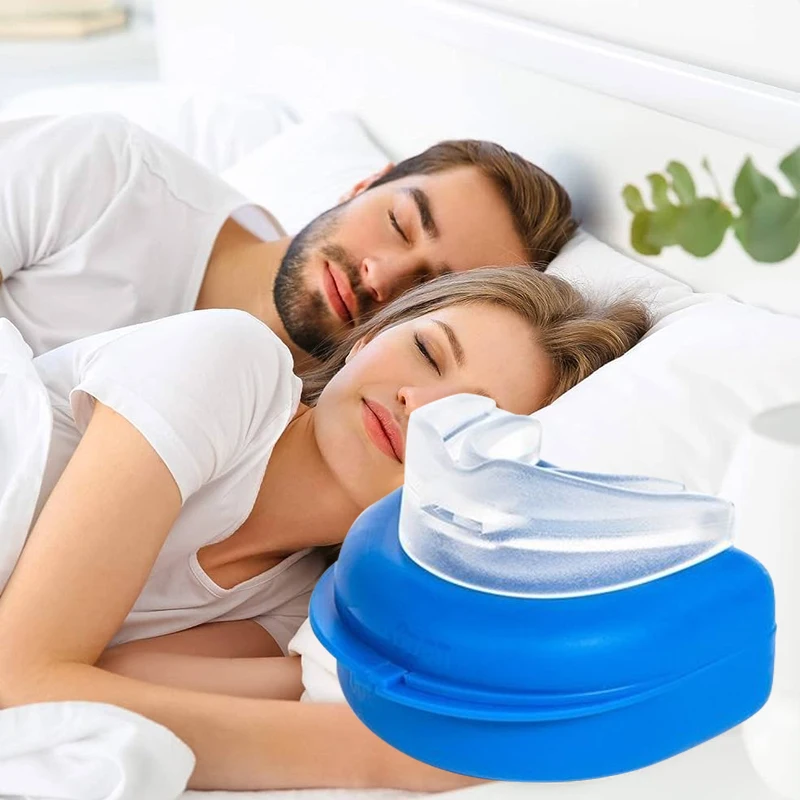
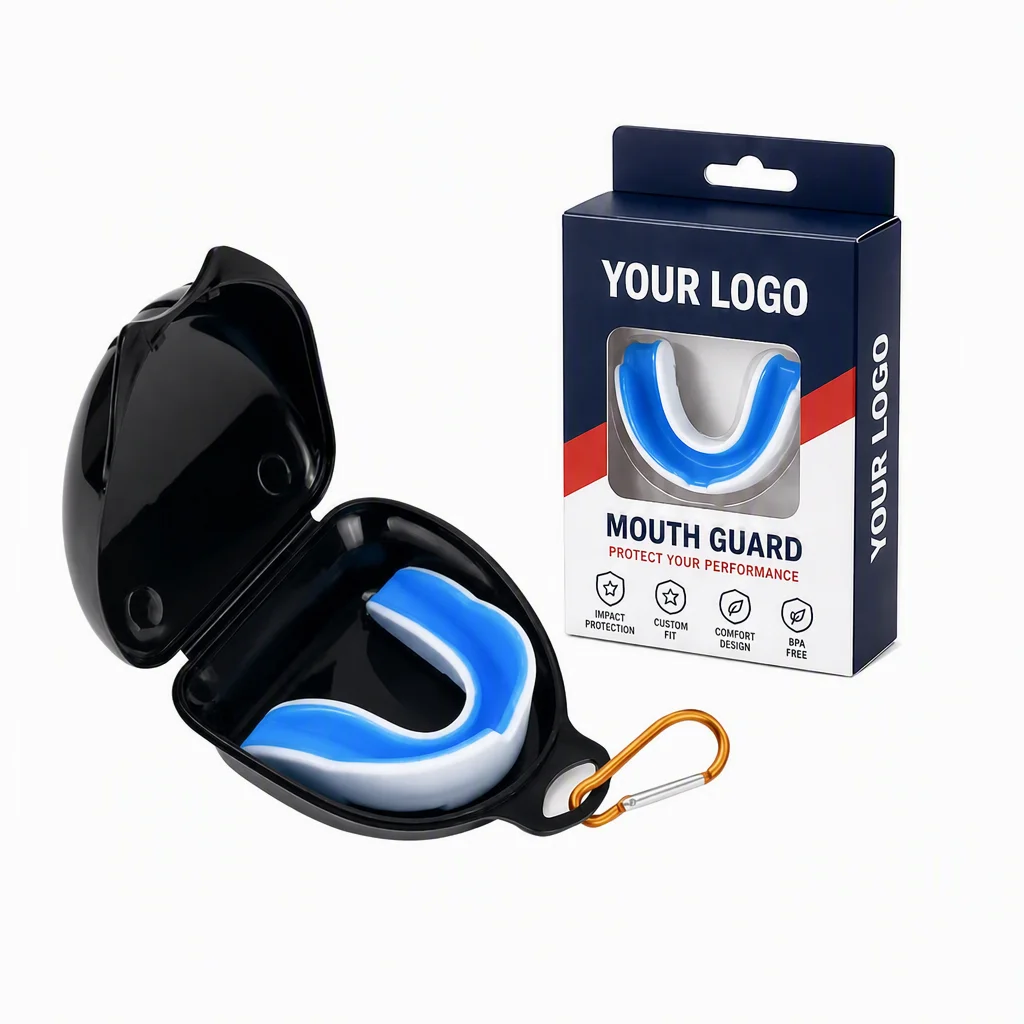
Start with the use case. Is the product being considered for occasional light clenching, visible wear, an existing dental restoration, or a person already under dental care? A teeth grinding mouth guard belongs in a night-time protection discussion, whereas a sports protector and an anti-snoring appliance have different purposes. Products that look similar should not be marketed as interchangeable.
1. Confirm how the guard is fitted
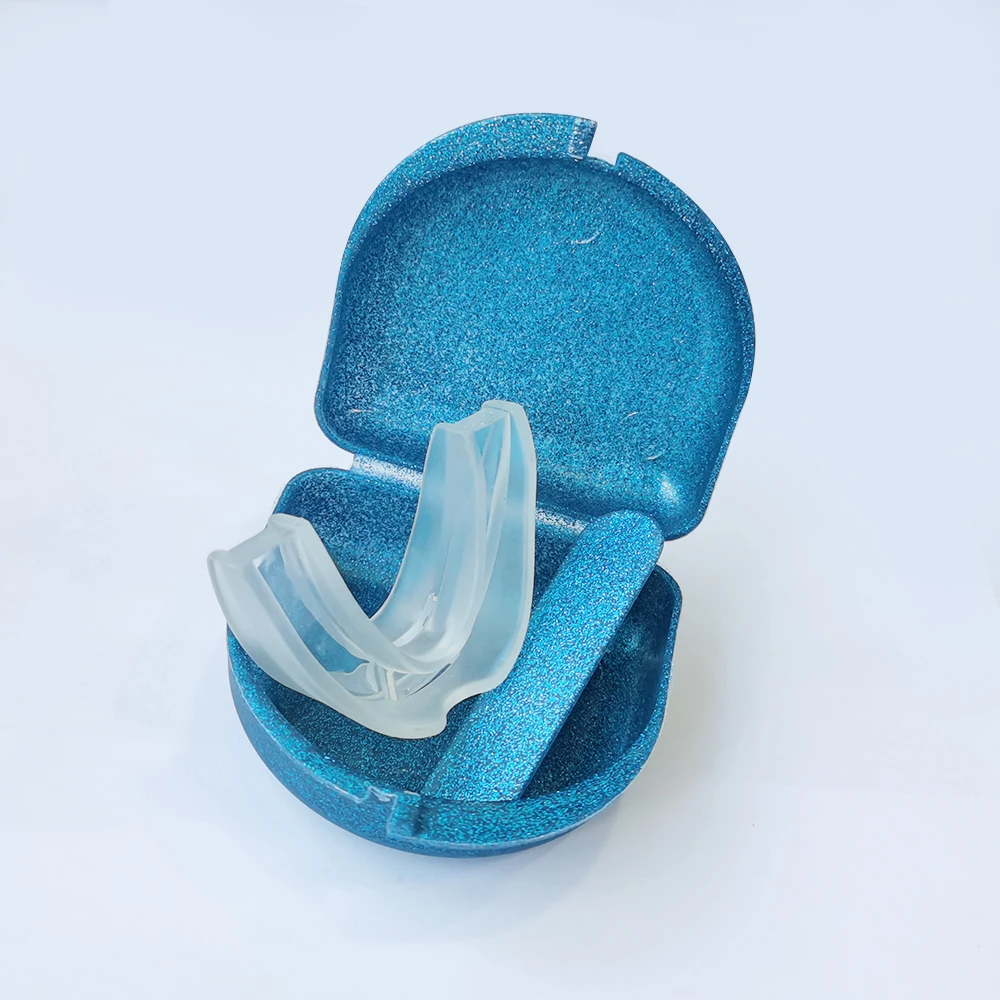
The fit route affects the user experience. Some guards are designed around a home-molding process, while others are made through a dental impression or scan workflow. A teeth grinding mouth guard marketed for a particular fitting method needs clear, readable instructions and realistic boundaries on who should seek professional help instead of self-selecting.
2. Ask for material and care information
For every teeth grinding mouth guard, request the materials declaration, cleaning guidance, expected care routine, and relevant test or compliance documentation where applicable. Do not turn an unverified material claim into a safety or durability guarantee. If the evidence is unavailable, label it as information still to be confirmed.
3. Review the intended user and warning language
A responsible teeth grinding mouth guard listing explains its intended use without diagnosing or treating the customer. It should encourage users with persistent symptoms, damaged teeth, significant pain, or changing bite concerns to consult a dentist. This belongs in the main product explanation, rather than being treated as a late disclaimer.
What wholesale buyers should verify before comparing factory price
For a wholesale program, the decision should move from a headline claim to an evidence checklist. A low factory price may be relevant, but it is only meaningful when the products being compared have the same fit method, material disclosure, packaging level, documentation, minimum order terms, and quality-control expectations. Otherwise, the price comparison hides follow-up work and potential customer-service risk.
Before placing a wholesale order for a teeth grinding mouth guard, ask the supplier to clarify:
- the stated use and the language approved for packaging or listings;
- the available material, size, and fit-method information;
- instructions for use, cleaning, storage, and replacement review;
- packaging, label, lot-traceability, and channel requirements;
- which claims are documented and which require further verification.
This approach is more useful than treating “wholesale” or “factory price” as proof of value. For distributors, pharmacies, clinics, and e-commerce sellers, complete and consistent information can reduce avoidable questions after launch.
Signs a teeth grinding mouth guard needs reassessment
A teeth grinding mouth guard is not a set-and-forget purchase. It should be reviewed if it splits, becomes rough, loses its fit, develops an odor that cleaning does not resolve, or no longer feels comfortable. It also warrants review when symptoms change. Continuing to use a damaged teeth grinding mouth guard simply because it was inexpensive can undermine the protective purpose.
For people with ongoing pain, broken teeth, frequent headaches, major sleep disruption, or suspected breathing-related symptoms, the safest next step is an appropriate dental or medical assessment. The appliance may still have a role, but the decision should be tailored rather than made from a general article.
Final takeaway
A high-quality teeth grinding mouth guard can help protect teeth by reducing direct contact during night-time grinding or clenching. A sound choice is not defined by a sweeping cure claim or by price alone. It is defined by fit, intended use, material and care information, honest warning language, and a willingness to obtain professional advice when symptoms or damage continue. For wholesale buyers, those same checks create a clearer basis for selecting and communicating a responsible product range.



 Hot News
