 EN



How Can High-Quality Teeth Protector For Sleeping Prevent Sleep Bruxism Damage?
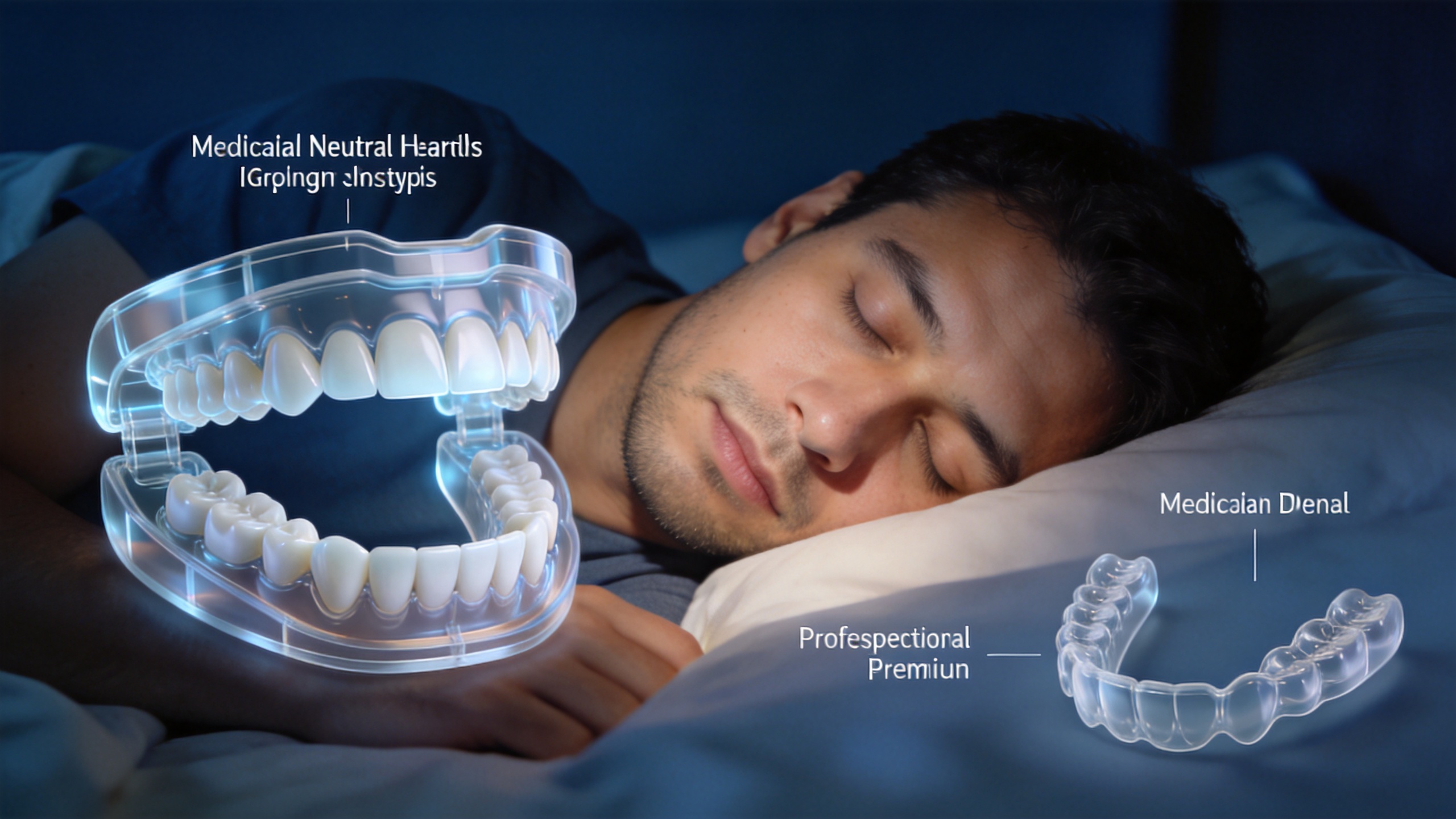
Waking with a tight jaw, sensitive teeth, or a chipped edge can make nighttime grinding feel urgent. A teeth protector for sleeping—often called a night guard or occlusal guard—can create a physical barrier between upper and lower teeth. That separation can reduce direct tooth-on-tooth contact during clenching or grinding. It is a useful protective tool, but it is not a diagnosis or a stand-alone cure for sleep bruxism.
For a first-time buyer, the key is to separate two questions: “Can this guard help limit damage?” and “Why am I grinding?” A well-made guard may help with the first question. The second may need a dentist’s assessment, especially if symptoms are new, worsening, or accompanied by pain.
What Sleep Bruxism Can Do to Teeth
Sleep bruxism involves involuntary grinding, clenching, or gnashing while asleep. Because it can happen without waking you, signs are often noticed later: flattened biting surfaces, small fractures, worn enamel, tooth sensitivity, jaw fatigue, or a partner hearing grinding sounds. These signs do not prove one cause on their own, but they are a reason to arrange a dental evaluation.
Teeth are built to meet during normal chewing, not to repeatedly slide and press against each other for long periods. When that contact is frequent or forceful, the protective outer enamel can wear. Existing fillings, crowns, veneers, and teeth with fine cracks may also deserve individual professional review. A teeth protector for sleeping does not stop every jaw movement, yet it can place a designed material layer between the teeth so the teeth themselves are less likely to take the direct contact.
How a High-Quality Teeth Protector for Sleeping Helps
The protective principle is straightforward: a night guard separates opposing teeth. The National Institute of Dental and Craniofacial Research describes mouth guards or intraoral appliances as a way to separate teeth to help prevent tooth damage; it also notes they may reduce muscle activity related to grinding and clenching. That is why the realistic aim is damage management and monitoring—not a promise of complete bruxism relief for every person.
- Creates a contact buffer: The guard absorbs or redistributes some contact that might otherwise occur directly on enamel or restorations.
- Supports consistent positioning: A guard that stays in place is more likely to be worn through the night than one that shifts, pinches, or causes gagging.
- Makes changes easier to notice: New wear marks on a guard, ongoing soreness, or worsening sensitivity can prompt a timely conversation with a dentist.
- Works alongside broader care: Stress-management habits, sleep assessment when indicated, and dental follow-up can address factors a guard cannot resolve by itself.
In other words, the value of a teeth protector for sleeping is largely mechanical. It helps protect the teeth from contact damage; it should not be marketed or chosen as a substitute for treatment of jaw disorders, sleep conditions, or dental disease.
What “High Quality” Should Mean
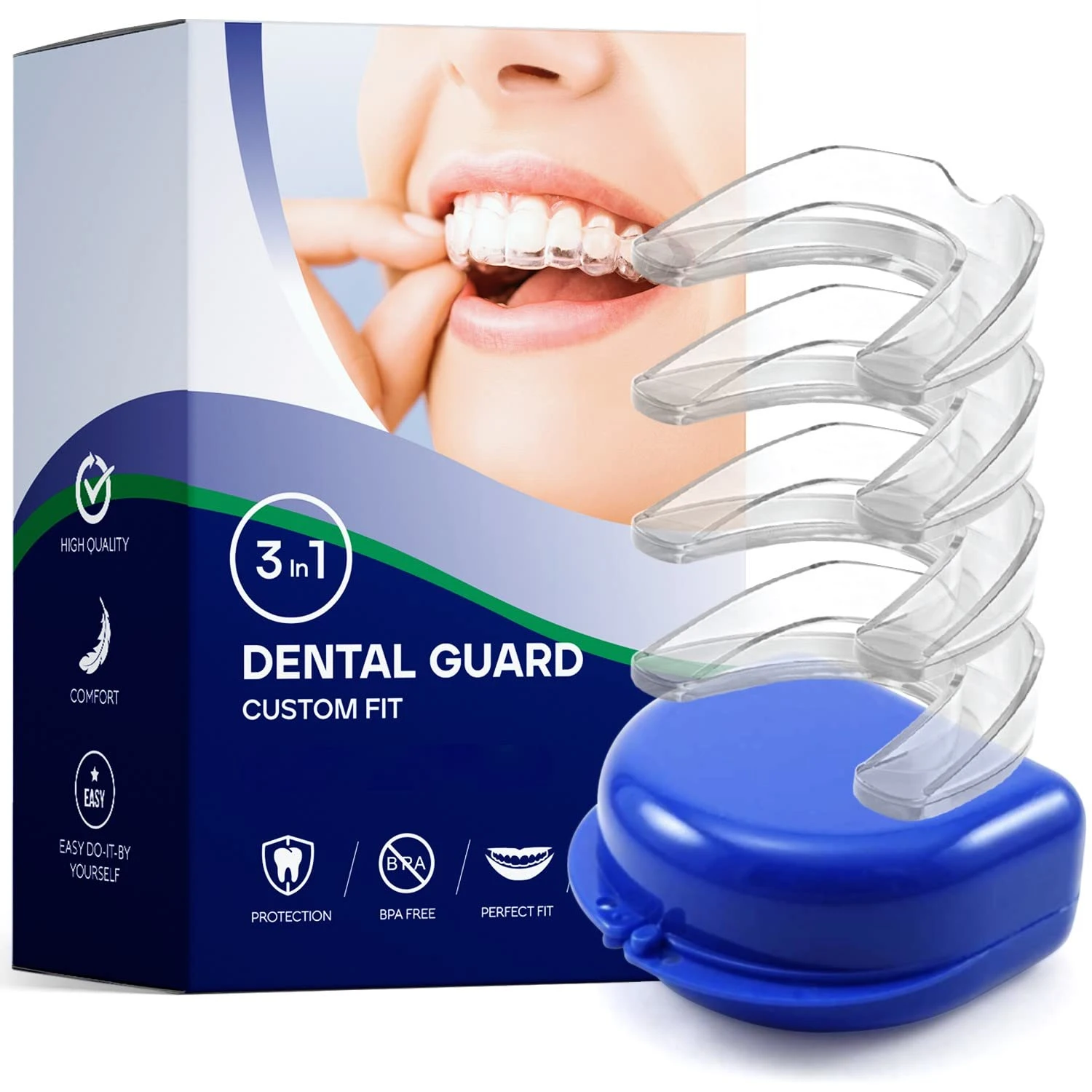
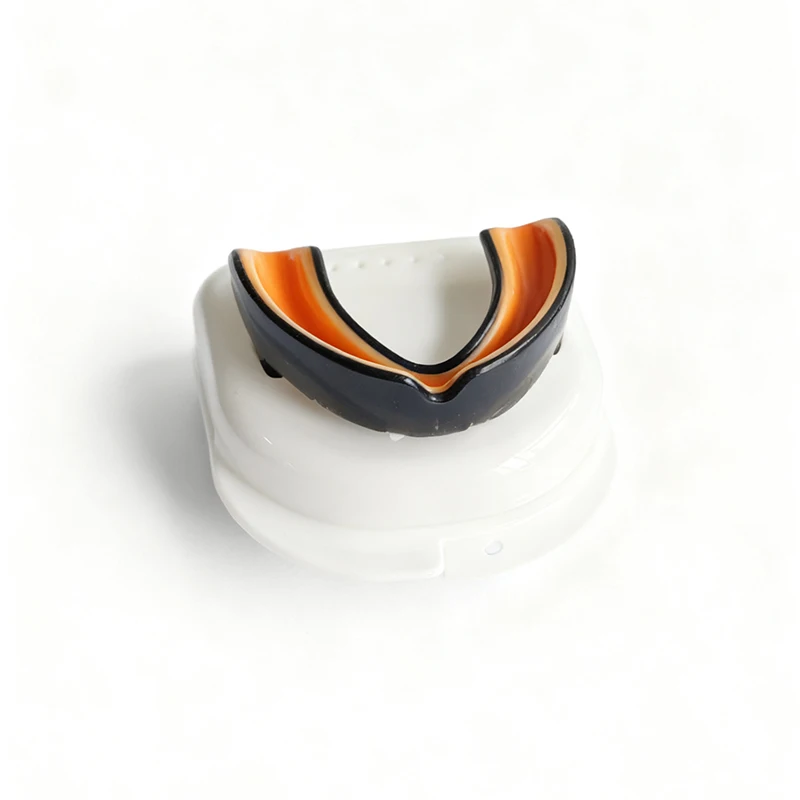
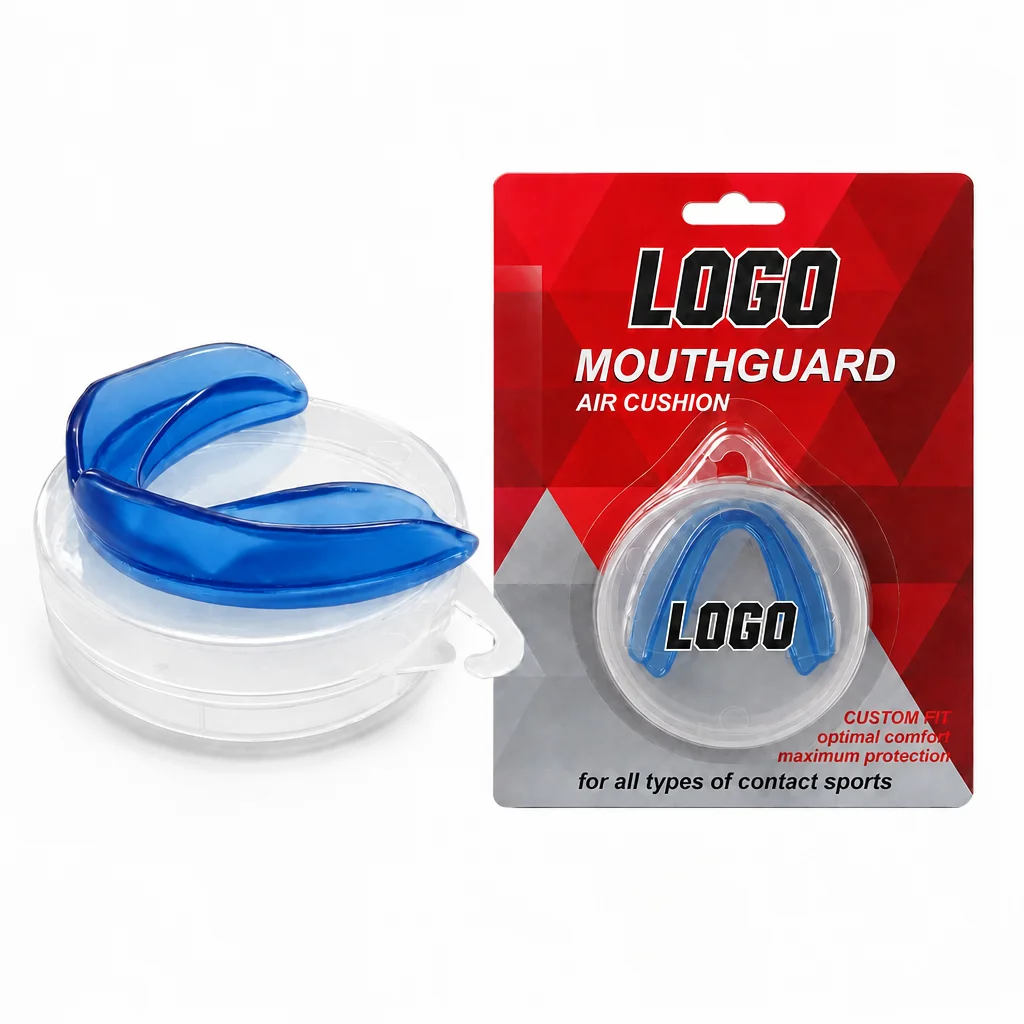
Quality is not simply a thicker guard or a more dramatic marketing claim. For overnight use, the practical test is whether the guard is intended for sleep, fits the wearer appropriately, and comes with clear instructions for use and care. A sports mouth guard is made for impact cushioning and may feel bulky or uncomfortable overnight. Those products should not be treated as interchangeable.
| Check before using | Why it matters |
|---|---|
| Purpose clearly states nighttime or bruxism use | Helps distinguish a sleep guard from a sports-impact guard. |
| Comfortable, stable fit | A guard that slips or causes pressure is less likely to be worn and may need adjustment. |
| Clear cleaning and replacement guidance | Nightly use calls for hygienic care and periodic inspection. |
| Ability to seek professional fit advice | Important when symptoms, dental work, bite changes, or jaw pain are involved. |
| Transparent product information | Buyers and OEM/ODM partners can verify intended use, materials documentation, labeling, and care information rather than relying on vague claims. |
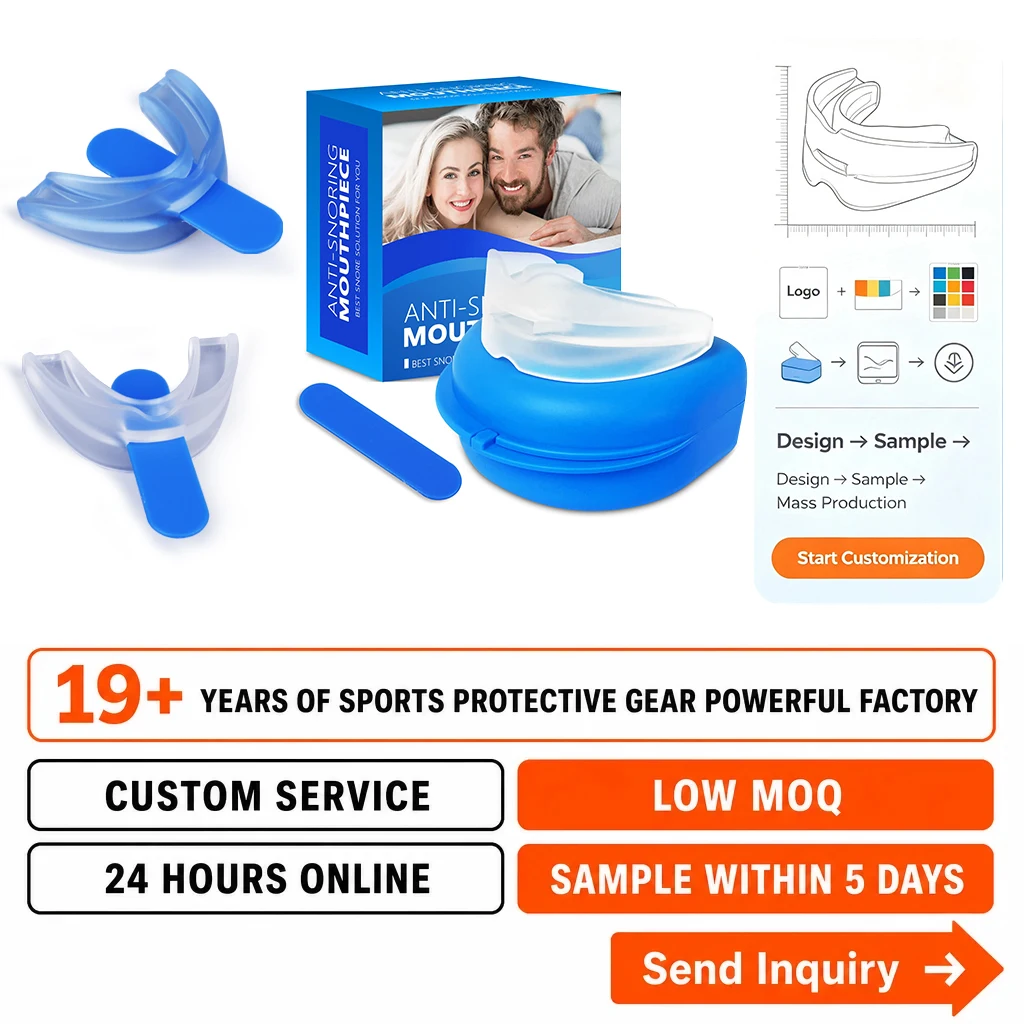
For a wholesaler, clinic, pharmacy, or online seller considering OEM/ODM options, the same discipline applies. Confirm the product’s intended use, material documentation, packaging language, cleaning instructions, and claim boundaries before presenting it as a sleeping teeth protector. Do not convert an unverified specification into a health promise.
Choosing the Right Route: Dentist-Fitted, Professional Guidance, or Retail Guard
There is no one guard that suits every wearer. A dentist can assess tooth wear, bite relationships, restorations, gum health, and symptoms before recommending an approach. That can be especially helpful when a person has frequent headaches, jaw locking, persistent pain, loose dental work, or substantial wear. A custom-fitted option may offer a more tailored fit, while a retail product may be a short-term choice for some users if used as directed. The appropriate route depends on the person and the product—not just the label.
If a guard feels painful, changes how the teeth meet, causes numbness, or is repeatedly chewed through, do not simply push through discomfort. Stop using it and seek dental advice. These are practical signals that the situation needs individual review.
How to Use and Care for a Teeth Protector for Sleeping
- Use the guard only for its stated nighttime purpose and follow the supplied instructions.
- Clean it after use with the method recommended for that material; avoid heat that could distort its shape.
- Store it in a clean, ventilated case when dry, rather than leaving it exposed or sealed while wet.
- Inspect it routinely for cracks, sharp edges, odor, fit changes, or deep wear marks.
- Bring the guard to dental appointments if you have ongoing symptoms or want the fit checked.
These habits do not replace professional care, but they help keep the protective device usable and make relevant changes easier to discuss.
When a Guard Alone Is Not Enough
A teeth protector for sleeping can be part of a sensible plan, but persistent or severe symptoms deserve more than self-management. Contact a dentist or qualified clinician if you notice cracked teeth, escalating sensitivity, facial or jaw pain, headaches that persist, trouble opening the mouth, a significant bite change, or concerns about sleep quality. If another sleep or health issue is contributing, the right next step may be assessment rather than simply trying a different guard.
That distinction matters for responsible bruxism relief: protecting teeth from friction is valuable, while diagnosing and managing the underlying pattern may require individualized care.
Conclusion
A high-quality teeth protector for sleeping can help limit the direct tooth-to-tooth contact that contributes to sleep-bruxism damage. Look for a guard designed for overnight use, a stable and comfortable fit, clear care directions, and honest product information. Most importantly, keep expectations realistic: the guard can protect teeth, but it does not automatically identify or eliminate the cause of grinding. Pair it with dental guidance when symptoms are persistent, painful, or changing.
 Hot News
