 EN



How To Choose The Right Mouth Guards Night For Teeth Grinding?
Choosing mouth guards night use is less about finding the thickest option and more about finding one that fits your teeth, sleeping habits, and oral-health needs. If you wake with a sore jaw, worn teeth, headaches, or a partner notices grinding sounds, a night guard may be part of a sensible protection plan. It is not a diagnosis or a cure for every cause of grinding, so persistent symptoms deserve a conversation with a dentist or other qualified dental professional.
For most shoppers, start here: a guard should stay in place, feel smooth against the gums, and allow you to close your mouth without creating a new pressure point. That combination is what turns a product description into a genuinely comfortable fit.
Start by separating night guards from sports mouthguards
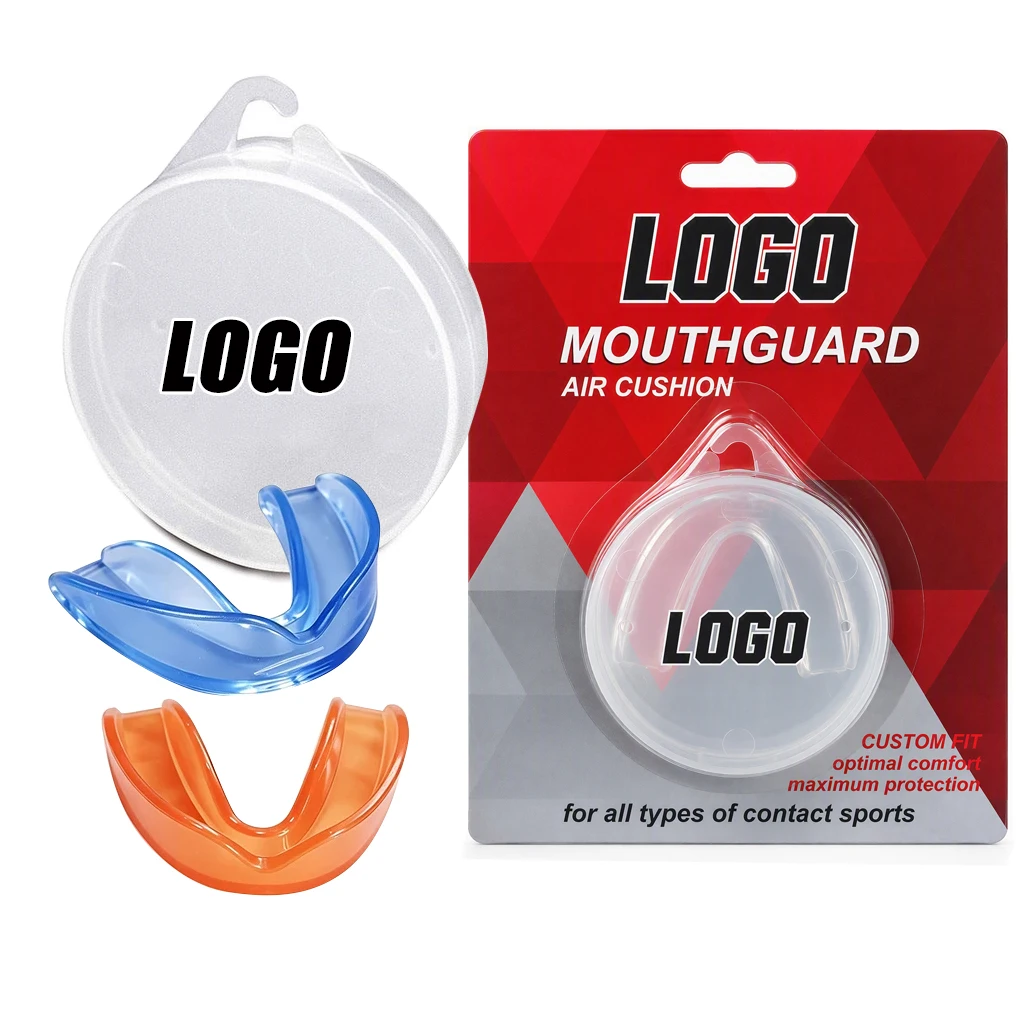
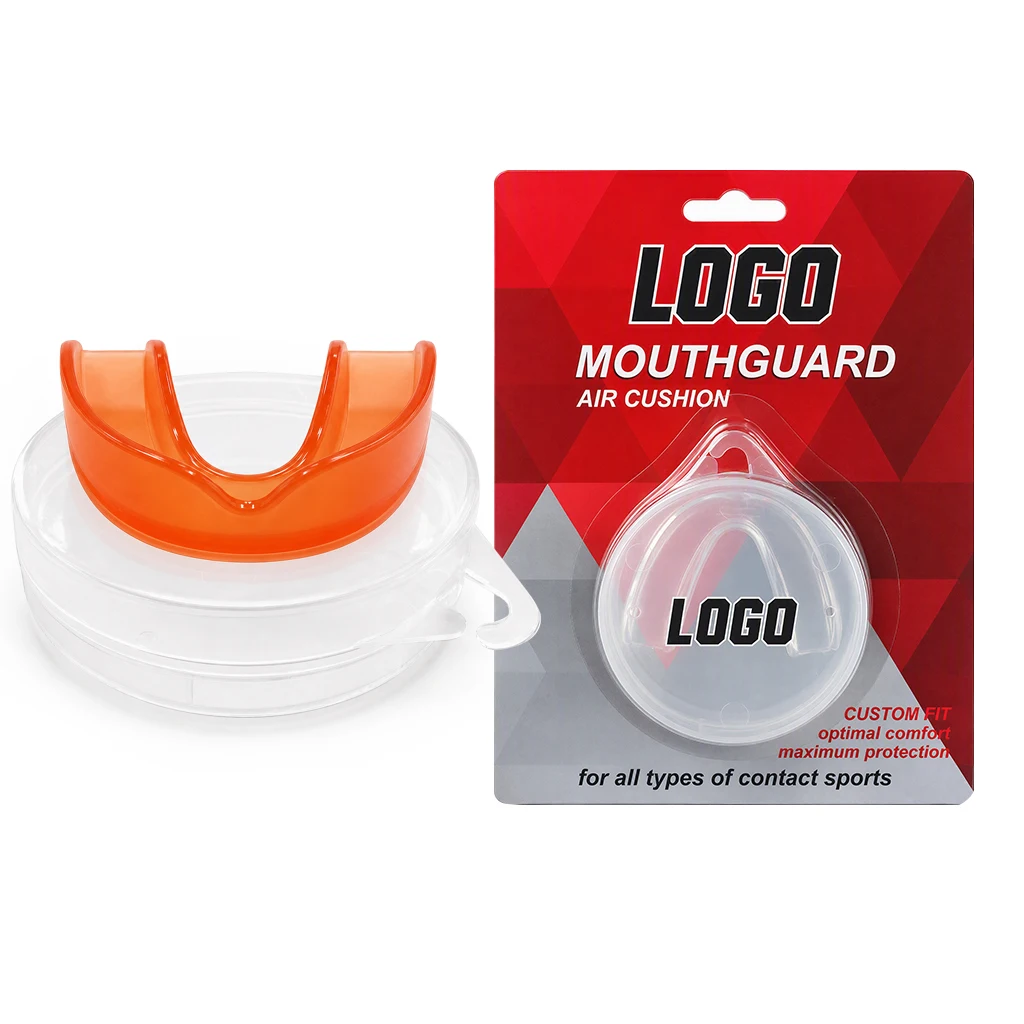
Many people use the terms interchangeably, but the two products are designed around different situations. A sports mouthguard is intended to cushion against an impact during activity. Night-time guards are used while sleeping, when the concern is repeated clenching or grinding. A bulky guard made for sport can feel distracting overnight, while an overly thin or poorly retained night option may not be appropriate for a person who grinds heavily.
That difference matters because a night guard is usually chosen for tooth-contact protection and symptom management, not as a one-size-fits-all answer to bruxism. The right choice begins with the goal: protect teeth from grinding contact, improve sleep-time comfort, or follow a dental professional’s specific recommendation.
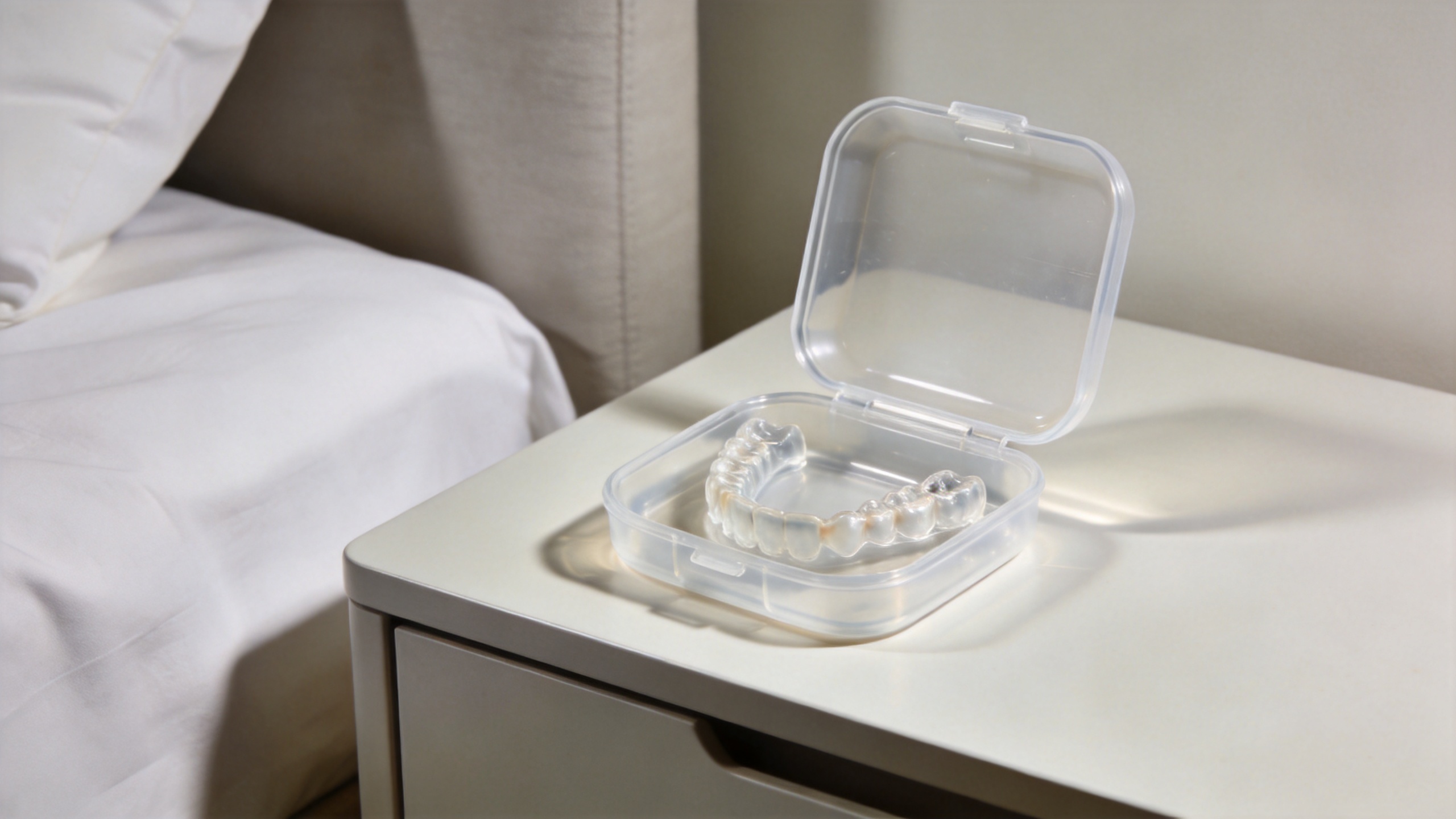
Check the fit before you focus on material
Fit is the first practical test for mouth guards night use. The guard should seat fully over the teeth it was made to cover and remain stable when you relax your jaw. It should not cut into the gums, rock easily, or fall out when you open your mouth slightly. A little adjustment period can be normal, but sharp edges, numbness, gagging, or a bite that feels noticeably different after removal are reasons to stop assuming it will “break in.”
A comfortable fit does not mean a loose fit. In fact, a guard that slides around can create rubbing and make it harder to sleep. Look for smooth edges, even contact, and enough retention that the guard feels secure without requiring you to clench to hold it in place. If you have crowns, braces, implants, loose teeth, or significant dental work, ask a dental professional before selecting an over-the-counter design.
Use this short fit checklist
- It covers the intended teeth without pinching the gumline.
- It stays seated during normal breathing and relaxed jaw movement.
- There are no sharp seams, rough spots, or concentrated pressure points.
- Your jaw can rest naturally instead of working to keep the guard in place.
- You can clean and dry it consistently between uses.
Choose the type based on your situation
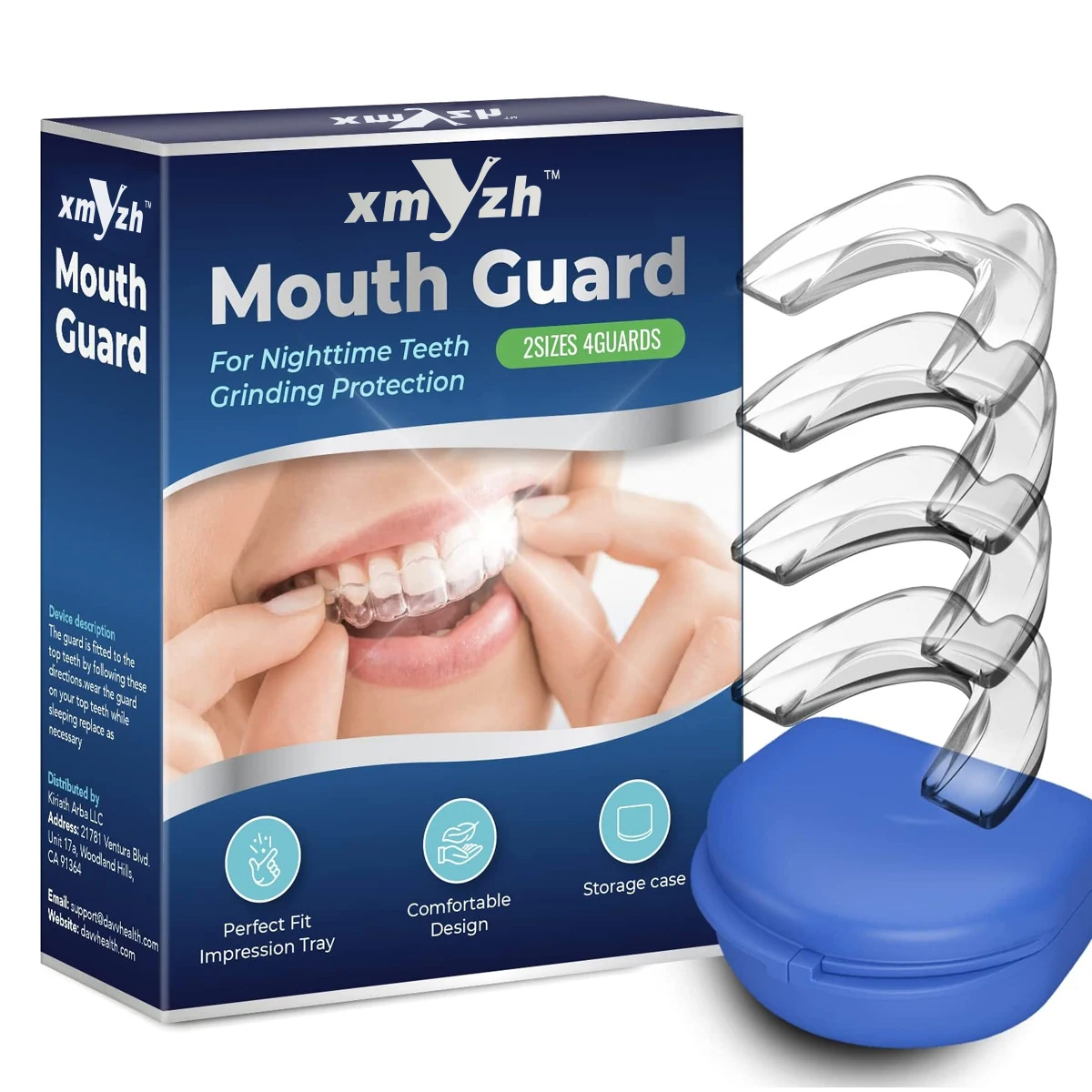
Night guards commonly fall into three broad categories: ready-to-wear options, boil-and-bite options, and professionally made custom guards. Ready-to-wear products are convenient but offer the least individual shaping. Boil-and-bite styles can be adapted at home, although the result depends on careful molding and may not suit every mouth. Custom guards are made from impressions or scans and are typically the most individualized route when fit, bite changes, or ongoing symptoms need closer attention.
There is no universal ideal thickness or upper-versus-lower design. Those choices depend on your teeth, bite, comfort, and the intensity of the grinding pattern. Rather than treating material firmness as a promise of bruxism relief, regard it as one discussion point. A dentist can help decide whether a particular design is suitable for your mouth and whether another issue needs attention first.
Know what a night guard can and cannot do
A well-chosen guard may help reduce direct tooth-on-tooth contact and may support bruxism relief in the sense of managing some consequences of grinding or clenching. It does not automatically identify why you grind, correct every bite concern, or replace professional care. Stress, medication effects, sleep concerns, pain, and dental factors can all deserve separate assessment.
Seek dental advice promptly if you have cracked or loose teeth, severe or worsening jaw pain, jaw locking, bleeding gums, a sudden change in your bite, or a guard that becomes painful. These are not problems to solve by repeatedly reshaping a device at home. General product guidance should remain separate from an individual health assessment.
A practical buying checklist
- Define the problem. Is the goal protection from sleep grinding, or are there symptoms that should be assessed first?
- Choose the right category. Do not substitute a sports guard simply because it is called a mouthguard.
- Prioritize retention and comfort. A secure, comfortable fit matters more than a dramatic marketing claim.
- Read the molding and care instructions. You should be able to follow them safely and consistently.
- Set a review point. If discomfort, bite changes, or symptoms continue, arrange professional advice rather than forcing continued use.
Compare at-home and custom options honestly
| Option | May suit | Key question |
|---|---|---|
| Ready-to-wear | Someone seeking a simple short-term option | Does it remain stable without rubbing or forcing the jaw? |
| Boil-and-bite | Someone able to follow molding instructions carefully | After molding, is the comfortable fit secure and even? |
| Custom guard | Someone with ongoing symptoms, dental work, or repeated fit problems | Would an individual assessment better address retention and bite concerns? |
Use the table as a comparison framework, not as a prescription. A lower-cost option can be reasonable when it fits well and is used as directed, while a custom guard may be worth discussing if repeated discomfort makes use inconsistent. Persistent pain or a bite that feels altered calls for professional review.
Quick selection questions
Should mouth guards night use feel tight? A secure comfortable fit is useful, but pain, pinching, or a changed bite is not a normal route to bruxism relief.
Can mouth guards night use be loose? No. A comfortable fit should stay in place without clenching; loose movement can undermine expected bruxism relief.
Does greater thickness automatically mean a better guard? Not necessarily. For mouth guards night selection, a comfortable fit and professional suitability matter more than a thickness claim about bruxism relief.
Can I use a sports guard to sleep? It is better to choose mouth guards night use specifically. A sports product may not offer a comfortable fit for sleep or the intended form of bruxism relief.
When should I ask a dentist? Ask before using mouth guards night options if you have dental work or pain. They can assess whether a comfortable fit is realistic and what bruxism relief can mean for you.
What if I wake up sore? Stop treating discomfort as proof that mouth guards night use is working. Reassess the comfortable fit and seek advice rather than chasing bruxism relief alone.
How long should I test it? Several nights can reveal whether mouth guards night use has a stable, comfortable fit. New or increasing symptoms deserve review, not assumed bruxism relief.
Does cleaning affect comfort? Yes. Clean, dry mouth guards night storage supports a comfortable fit and lets you notice wear that could affect bruxism relief.
Can a guard diagnose grinding? No. Mouth guards night products are not diagnostic tools; a comfortable fit does not prove the cause of symptoms or guarantee bruxism relief.
What final check is most useful? Before regular mouth guards night use, confirm a comfortable fit, clear care instructions, and a realistic plan for bruxism relief with professional input when needed.
Final takeaway
The right night guard is one that matches the intended sleep-time use, stays secure without pressure, and fits within a broader oral-health plan. Start with fit, comfort, and the difference between night and sports protection. Then use your symptoms and dental history to decide whether an at-home option is reasonable or a custom assessment is the better next step. That approach keeps expectations realistic while giving you a clearer path toward protecting your teeth at night.


 Hot News
